How to Remove Solid Stain From a Wood Deck: Stripper, Times & PSI
Solid stain is a film, not a soak, so a regular deck stripper often will not finish the job: Restore-A-Deck says its standard stripper “may not fully remove Solid Color Wood Stains” and sells a separate solid stain stripper. Plan on a solid-stain-rated stripper, a scrape or low-pressure rinse, and a drying wait before restaining. This guide covers which stripper fits which coating, the label wait times, pressure limits, and the lead check for decks built before 1978.
Which Stripper Actually Removes Solid Deck Stain?
Best Solid Stain Stripper Pick
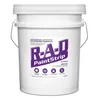 |
R-A-D PaintStrip Solid Stain Stripper (5 Gallon), $349.99 The stripper this guide uses as its solid stain example: the Amazon listing says it removes solid color wood and deck stains, and Restore-A-Deck lists no brightener step after it.
|
As an Amazon Associate we earn from qualifying purchases.
Most deck strippers are built for penetrating stains. Restore-A-Deck lists its standard Stain Stripper for clear sealers, transparent, semi-transparent and semi-solid coatings and most oil and latex finishes, then adds that it may not fully remove solid color stains, paints or varnishes. For those it points to its separate Paint and Solid Stain Stripper, which it says handles up to 15 layers of latex and oil paints, solid color stains and filming acrylic stains from brands such as Behr, Thompson’s and Olympic.
Cabot’s Wood Stripper is described as effective on water- and oil-based finishes, but its product page does not single out solid stain either way. If your deck has an opaque, grain-hiding coating, read the label for the words “solid” or “paint” before you buy, and test a small patch first. The table below compares what each maker says on its own pages.
| Product | What the maker says it removes | Chemistry and protective gear | Wait time | Rinse and after-step |
|---|---|---|---|---|
| Restore-A-Deck Stain Stripper | Clear, transparent, semi-transparent, semi-solid and most oil or latex finishes; may not fully remove solid color stain | Concentrated powder, over 90% sodium hydroxide per its SDS, signal word Danger (severe skin burns and eye damage); gloves, protective clothing, eye and face protection | 10-15 minutes or until slippery, kept misted | Gently pressure wash at 1500-2000 PSI or hand scrub; brightener is mandatory |
| Cabot Wood Stripper | Water- and oil-based finishes | Contains sodium hydroxide, signal word Danger per its SDS; acid-resistant gloves, goggles, boots, dust mask | 15 minutes, do not let it dry | Do not exceed 1000 PSI; neutralize with Cabot Wood Brightener #8003 |
| Restore-A-Deck Paint and Solid Stain Stripper (R-A-D PaintStrip) | Solid color stains, paints, varnishes, up to 15 layers; filming acrylic stains | Gel with 40-50% benzyl alcohol and 1-5% monoethanolamine per its SDS; serious eye damage hazard, skin irritant; gloves and safety goggles | Test scrape after about 1 hour for 5 or fewer layers; cover with plastic and wait about 24 hours for 10-15 layers | Scrape or pressure wash at an angle; Restore-A-Deck says no brightener is needed |
Notice the opposite instructions in that table. The standard strippers want the deck kept misted so they never dry out, while Restore-A-Deck says not to mist the PaintStrip gel with water because that deactivates it, and to cover it with plastic instead. Mixing those habits up is an easy way to waste a day.
Stain Type vs Removal Method
The right method depends on what is actually on the boards. A penetrating stain soaks into the wood and fades; a solid stain forms an opaque coat on top that peels and flakes. Use this table to match your deck to a method before you spend money on the wrong product.
| What is on the deck | How it behaves | Method the labels support | Neutralize after? |
|---|---|---|---|
| Transparent or semi-transparent stain | Soaks in, fades, rarely peels | Standard stripper, then rinse | Yes, brightener (caustic strippers raise wood pH) |
| Semi-solid stain | Partial film over penetrating pigment | Standard stripper (Restore-A-Deck lists semi-solid), test first, repeat if needed | Yes |
| Solid color stain, intact | Opaque film that hides the grain | Solid-stain-rated stripper such as PaintStrip | Per Restore-A-Deck, no brightener step for PaintStrip |
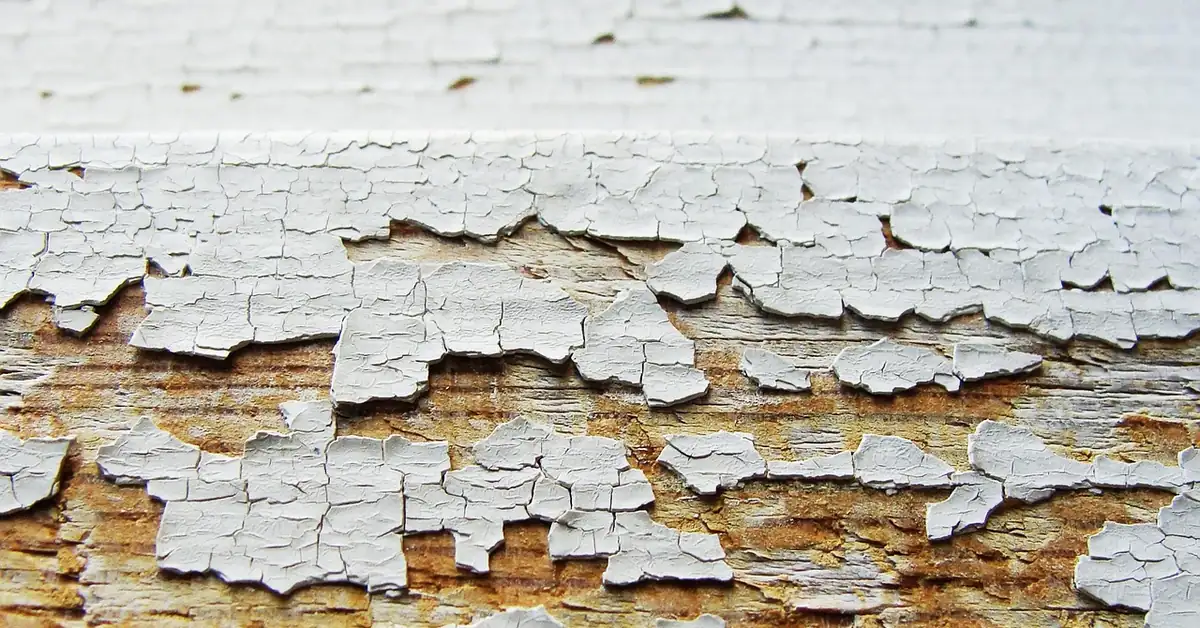
| Solid stain, peeling or blistering | Film lifting in sheets | Scrape loose film, then solid-stain-rated stripper on what remains | Depends on the stripper used |
| Filming acrylic stain (Behr, Thompson’s, Olympic named by Restore-A-Deck) | Acts like a solid stain even when sold as semi-transparent | Solid-stain-rated stripper | Per the product used |
If you are not sure what you have, see our wood stain remover guide for how the stripper chemistries differ. For the paint side of the same problem see our guide to stripping old paint from wood.
Safety Check Before You Open the Container
This section is drawn from the makers’ own pages and safety data sheets (SDS) plus EPA and medical sources, not from our own testing. Read the label and SDS of the exact product you buy, because they override anything written here.
- Lead on older decks. EPA’s lead renovation rule (RRP) covers paid contractors working in homes built before 1978, and EPA says it does not apply to homeowners doing their own projects in their own pre-1978 homes. That is a legal carve-out, not a safety all-clear: EPA’s DIY guidance still tells homeowners who do the work themselves to use lead-safe work practices, and suggests a certified lead inspector or risk assessor to find out whether lead paint is present. EPA’s rule bans open-flame burning and power tools without HEPA exhaust on lead paint, so skip heat guns, torches and dry power sanding on any pre-1978 coating until it is tested. Our own caution, not an EPA statement: if lead is present, the peeled coating, scrapings and wash water can carry paint chips, so do not strip until you know.
- Sodium hydroxide strippers. Restore-A-Deck’s standard stripper SDS lists it as over 90% sodium hydroxide with the signal word Danger, and Cabot’s SDS also carries Danger with “causes severe skin burns and eye damage.” Wear chemical gloves, protective clothing, and eye and face protection. Cabot also warns never to mix its stripper with ammonia or acids, which releases hazardous gases.
- Benzyl alcohol gels. The R-A-D PaintStrip SDS lists 40-50% benzyl alcohol and 1-5% monoethanolamine and classes it as a serious eye damage hazard and skin irritant, with gloves, eye and face protection called for. It carries the milder signal word Caution and has no methylene chloride or NMP, but that does not make it harmless.
- If it gets on you. The SDS first-aid steps are to flush eyes with water for at least 15 minutes for the sodium hydroxide stripper and at least 20 minutes for PaintStrip, rinse skin for 15-20 minutes for the caustic stripper, and call a poison center or doctor. Keep the product container or label with you for the call.
- Plants and runoff. Restore-A-Deck says to cover sensitive plants or pre-wet them, protect windows and doors, remove furniture, and stay 20 or more feet away and downwind from overspray. Its standard stripper SDS also notes that it is harmful to aquatic life, so keep runoff out of storm drains and ponds.
- Pressure washer injuries. Restore-A-Deck calls a pressure washer a serious tool that can hurt people if you are careless. Medical case reports describe injection injuries, where the jet forces water and chemicals under the skin through a wound that can look minor, and say prompt treatment matters. Never point the wand at a person or your own foot, and go to the ER for any puncture, even a small one (case report).
Step-by-Step: Strip, Rinse, Neutralize
The sequence below combines the Restore-A-Deck and Cabot instructions. Times come from those makers’ own pages for the products named. Your product’s label always wins.
- Confirm the coating and the deck age. Decide whether you have a solid film or a penetrating stain, and test for lead first if the house predates 1978.
- Pick a workable day. Restore-A-Deck lists 45-90 degrees F air temperature for its standard stripper and 60-80 degrees F as best for PaintStrip. Cabot says not to apply its stripper to hot or wet surfaces.
- Prep the site. Clear furniture, cover or pre-wet plants, protect doors and windows, and put on the gloves, goggles and other gear the label requires.
- Apply the stripper. For a standard stripper, mist the deck with fresh water and apply with a pump sprayer or scrub brush. For PaintStrip, apply liberally with a brush, a roller with a 1 1/4 inch nap, or an airless sprayer, with no water, and cover with plastic.
- Wait the labeled time. About 10-15 minutes for Restore-A-Deck’s standard stripper, 15 minutes for Cabot, and for PaintStrip a test scrape after about an hour for five or fewer layers, with about 24 hours under plastic for 10-15 layers.
- Test before you remove. Scrape a small spot. If the coating comes down to bare wood easily, it is ready. If not, wait longer or plan a second pass.
- Remove the loosened coating. Scrape it or pressure wash it. Restore-A-Deck advises washing PaintStrip off at an angle so the water jet acts like a chisel.
- Rinse thoroughly. Rinse the deck, plants and surrounding ground with fresh water.
- Neutralize if the stripper was caustic. Restore-A-Deck says to let its brightener sit for 10 minutes, then rinse for about 20 minutes until the suds are gone. Cabot says to neutralize with its brightener after rinsing.
- Let it dry and inspect. Restore-A-Deck says PaintStrip must dry completely before refinishing. Our advice: check that the old coating is fully gone and lightly sand any raised or rough spots once dry (on a pre-1978 deck, only after a lead test).
What PSI Is Safe?
The makers do not agree, which is useful to know before you rent a machine. Cabot’s label says not to exceed 1000 PSI. Restore-A-Deck’s stripper instructions say to gently pressure wash at 1500-2000 PSI, while its separate power-washing tips page says high pressure should not be used on wood and suggests a nozzle that brings the effective pressure down to about 800 PSI, with the tip 12-18 inches from the surface if you cannot swap nozzles. It also favors a higher gallons-per-minute machine. Decks.com’s deck-washing guide suggests a 25-degree fan tip, starting about 18 inches away and moving closer only as needed, and warns that very high pressure damages wood fibers and that narrow tips can gouge the boards.
Our caution, not a label rule: use your stripper’s own ceiling if it has one (Cabot’s 1000 PSI), otherwise stay near the 800 PSI effective pressure Restore-A-Deck suggests for wood. Use a 25-degree fan tip, start at about 18 inches, keep the wand moving, and move closer only if the loosened coating is not coming off. Splinters, raised grain and lap marks are what Restore-A-Deck warns about when pressure is too high. Treat the 1500-2000 PSI figure as the top of one maker’s range for a stripper rinse, not a target for old or soft boards.
How Much Stripper Does a Deck Need?
Coverage is where solid-stain strippers surprise people, and it is why a small deck usually wants the 1-gallon size rather than the 5-gallon pail. Restore-A-Deck gives PaintStrip about 50-100 square feet per gallon, against 150-200 square feet per gallon for Cabot Wood Stripper. Using those label numbers, here is the rough volume for a 200 square foot deck. These are our own arithmetic from the label ranges, not tested yields.
| Stripper | Label coverage | Gallons for 200 sq ft | Pricing note |
|---|---|---|---|
| Cabot Wood Stripper | 150-200 sq ft per gallon | 1 to 2 gallons | About $43.79 per gallon on Amazon at the time of writing |
| R-A-D PaintStrip | 50-100 sq ft per gallon | 2 to 4 gallons | The 5-gallon pail is $349.99 on Amazon, about $0.55 per fluid ounce; Restore-A-Deck’s own site listed 5 gallons at $259.99, 1 gallon at $69.99 and a 16 oz sample at $24.99 when we checked |
Prices move, so confirm at checkout. The point is that a solid-stain-rated gel costs more per square foot than a standard stripper, which is one reason to confirm you really have a solid film before buying it.
Do You Have to Strip It at All?
Not always. In our view, stripping is needed mainly when the film is peeling, cracking or blistering, or when you want to move to a more transparent finish. A solid stain that is intact and well bonded can often be recoated or painted over instead. Our guide on painting over a stained deck covers that route, and applying stain to a deck by stain type covers the finish that follows stripping.
If you do strip, plan the next coat before you start. Going from solid to a see-through finish is the case where stripping is not optional, so read our comparison of transparent vs semi-transparent stain first. If a sealer is going on top later, check whether Thompson’s Water Seal goes over stained wood.
Drying Time and Boards That Will Not Survive Stripping
Drying requirements belong to the new stain and differ by brand, so follow its can. Restore-A-Deck says the surface must dry completely after PaintStrip before refinishing, so do not stain damp boards unless the new stain’s own label allows it.
Stripping and pressure washing also expose damage that a coating was hiding. Soft, cracked or rotted boards should be replaced rather than restained, see how to replace deck boards. For general upkeep afterwards, our wood care and protection guide is the place to start, and our guide to cleaning a stained deck covers routine washing that does not require stripping.
Frequently Asked Questions
How long does it take to strip solid stain from a deck?
It depends on the product and the number of coats. Restore-A-Deck says to test scrape PaintStrip after about an hour for five or fewer layers and to cover it with plastic for about 24 hours for 10-15 layers, plus time to scrape or wash off, rinse and dry. Standard strippers list 10-15 minutes, but they may not fully remove solid stain.
Can you remove solid deck stain with a pressure washer alone?
Not reliably. Solid stain forms a film, and the makers’ own guidance pairs strippers with rinsing or scraping. High pressure alone also risks splinters, raised grain and lap marks, which Restore-A-Deck warns about on wood.
What is the best deck stripper for solid stain?
Choose a product whose label says it removes solid color stain or paint, such as R-A-D PaintStrip. Restore-A-Deck says its regular stain stripper may not fully remove solid color stains. Test a small area first.
Do you need to brighten the deck after stripping solid stain?
After a caustic stripper, yes: Restore-A-Deck says its standard stripper must be neutralized with its brightener, and Cabot says to neutralize after rinsing. Restore-A-Deck says PaintStrip needs no brightener, so follow the label of the product you used.
Can you sand solid stain off a deck instead of stripping it?
Sanding can remove a thin or flaking film but it is slow, and on decks built before 1978 it can create hazardous lead dust if old lead paint is underneath. EPA’s lead rule bans power sanding on lead paint without HEPA exhaust control, so test first.
Conclusion
Identify the coating first, then match the stripper to it: standard strippers for penetrating stains, a solid-stain-rated gel for opaque films, a pressure setting near 800 PSI effective (and never above a label ceiling such as Cabot’s 1000), and a brightener after any caustic product. Check the lead question before you scrape or sand an older deck, wear eye and face protection with any stripper, and read the label and SDS of the exact product you buy.
Sponsored / affiliate links. As an Amazon Associate I earn from qualifying purchases. I may earn additional commission from eligible campaigns.