How to Stop MDF from Warping: Expert Tips & Tricks
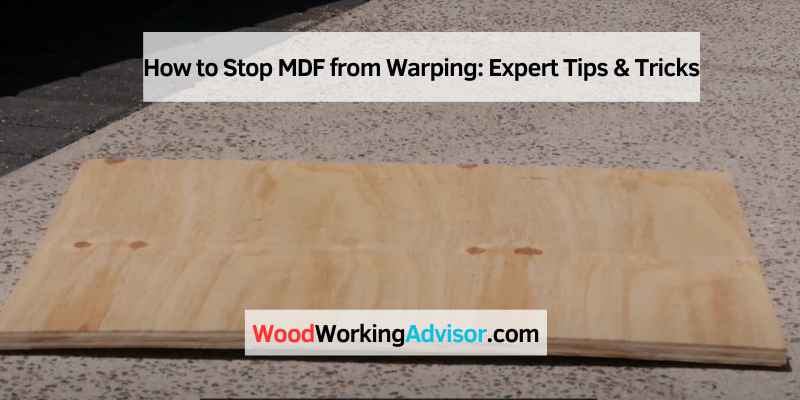
To stop MDF from warping, keep it dry and store it flat. Avoid exposing it to high humidity and direct sunlight.
Medium Density Fiberboard (MDF) is a versatile material used in various woodworking projects. Its susceptibility to warping can be a major concern. Moisture and improper storage are primary causes of warping in MDF. By ensuring that MDF stays dry and is stored flat, you can significantly reduce the risk of warping.
Proper handling and environmental control are essential for maintaining MDF’s structural integrity. Whether you’re using MDF for furniture, cabinetry, or other applications, these steps will help preserve its shape and functionality. Investing in a controlled storage environment can further enhance MDF’s durability and longevity, making your projects more reliable and long-lasting.
The Nature Of MDF
MDF stands for Medium Density Fiberboard. It is made from wood fibers. These fibers are glued together with resin. The boards are pressed into shape. MDF is smooth and dense. It is often used in furniture and cabinets. MDF is cheaper than solid wood. It can be painted easily. But it is not as strong as solid wood.
Moisture is the main cause of warping. MDF absorbs water quickly. This makes it swell and bend. Humid environments can be harmful. Temperature changes can also cause warping. MDF expands and contracts with heat. Poor storage can lead to warping too. Always store MDF flat and in a dry place. Never leave it outside.
Preventative Measures
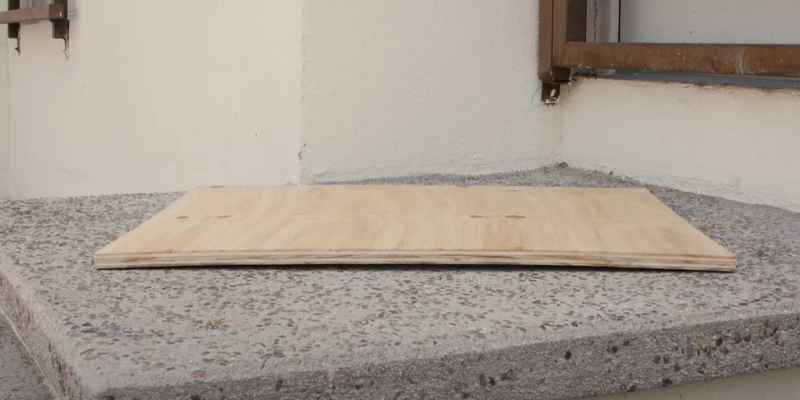
MDF should be stored flat to prevent bending. Use a level surface to place the MDF sheets. Avoid stacking MDF vertically as it can cause warping. Keep the sheets off the ground. Use blocks or pallets to lift the sheets. This helps in air circulation. Cover the MDF with plastic sheeting to protect it from moisture. Moisture is the main cause of warping. Ensure the storage area is dry and well-ventilated. Avoid areas with high humidity. Temperature changes can also affect MDF. Keep the temperature stable in the storage area.
Maintain a consistent environment to prevent MDF from warping. Use a dehumidifier to control humidity levels. Ideal humidity levels are between 30% and 50%. Too much moisture in the air can cause warping. Also, ensure good ventilation in the storage area. Air circulation helps in keeping moisture levels low. Use a thermostat to maintain a stable temperature. Sudden temperature changes can affect MDF. Protect MDF from direct sunlight. Sunlight can cause uneven heating. This can lead to warping. Store MDF away from windows and direct sunlight.
Selection And Purchase
Always select high-quality MDF. Look for trusted brands. Avoid cheap options. They can warp easily. Inspect the board for any defects. No cracks or bends should be present. Check for a smooth surface. A rough surface can mean poor quality.
Thicker MDF boards are less likely to warp. Choose a thickness of at least 3/4 inch. Measure the required size accurately. Larger boards can be more prone to warping. Cut them into smaller sections if possible. This helps maintain their shape.
Cutting And Handling
Prevent MDF from warping by storing it flat and ensuring proper ventilation. Apply sealant to all sides to maintain stability.
Best Practices For Mdf Cutting
Use a sharp blade for cutting MDF. Dull blades can cause rough edges and uneven cuts. Make sure to cut slowly and steadily. This helps in reducing stress on the material. Always support the MDF fully while cutting. This prevents sagging and bending.
Handling To Prevent Deformation
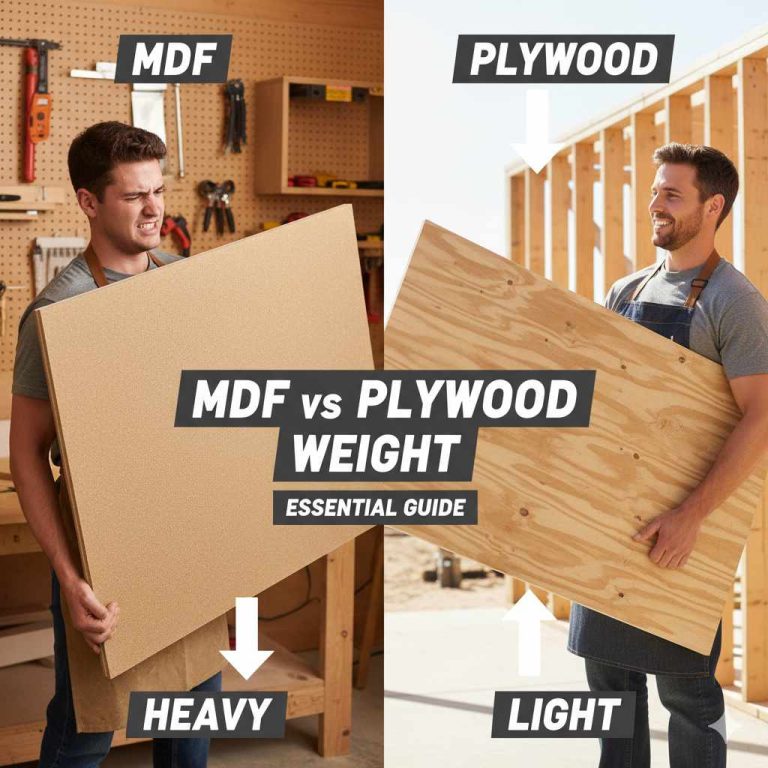
Store MDF flat and off the ground. Use stickers or spacers between sheets. This allows airflow and prevents moisture buildup. Never store MDF in damp areas. Keep it in a dry, cool place. Always lift MDF sheets straight up. Avoid dragging or sliding to prevent warping.
Sealing And Priming
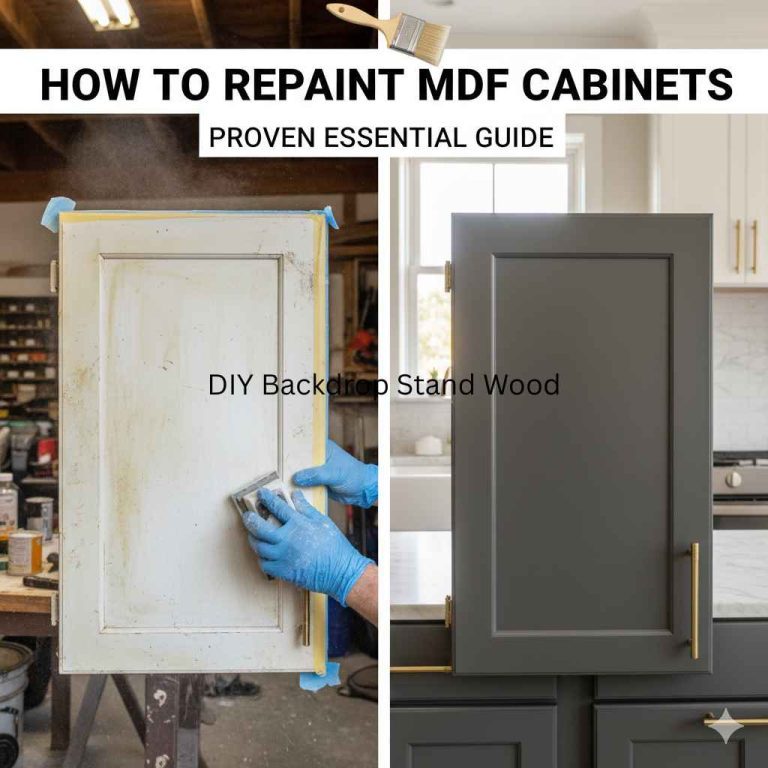
Sealing the edges of MDF is very important. MDF is prone to absorbing moisture. This can cause it to warp. Always use a good sealer. It keeps moisture out. Sealed edges stay strong and straight. This simple step protects your project. It makes it last longer. Many people forget this step. But it is very crucial.
Choosing the right primer is key. Not all primers are the same. Some work better on MDF. Look for primers made for wood. These primers block moisture well. A good primer also helps paint stick. It makes the surface smooth. Quality primers make a big difference. Do not skip this step. It ensures a better finish.
Installation Techniques
Always use a level base to support the MDF. A flat surface helps keep the material stable. Small bumps can cause warping over time. Check for gaps between the MDF and the base. Fill them with shims or fillers. This provides extra support. Properly secured MDF stays flat longer and looks better.
Stress points can cause the MDF to warp. Distribute weight evenly across the surface. Avoid placing heavy objects in one spot. Use screws or nails at regular intervals. This keeps the MDF stable. Do not over-tighten the screws. Over-tightening can create stress points. This can lead to warping. Spread the load to keep the MDF in shape.
Post-installation Care
Keep an eye on humidity levels in the room. Use a hygrometer to measure the humidity. Ideal humidity levels are between 30% and 50%. Too much moisture can cause the MDF to warp. Use a dehumidifier if humidity is too high. Avoid placing MDF in damp areas like basements.
Clean the MDF surfaces regularly. Use a dry cloth to wipe off dust. Check for any signs of warping frequently. Apply a protective sealant to the surfaces. Keep heavy objects off the MDF to prevent dents. Avoid exposing MDF to water or steam. Always use coasters under hot items.
Repairing Warped MDF
First, place the MDF on a flat surface. Look for areas that do not touch the surface. These are the warped sections. Use a straight edge tool to confirm the warp. Mark the warped areas with a pencil for easy identification.
Apply a damp cloth to the warped area. Place a heavy object on the cloth. Let it sit for 24 hours. Check the warp after 24 hours. If still warped, repeat the process. Sand the repaired area for a smooth finish.
Expert Recommendations
Keep MDF in a dry place. Moisture can cause warping. Use a sealant to protect MDF. Apply primer before painting. Use screws instead of nails. Screws hold MDF better. Store MDF flat to avoid bending.
Place heavy objects on top of MDF sheets. This helps keep them straight. Use a dehumidifier in your workshop. Humidity can cause problems. Sand edges to prevent splinters.
Check out these useful links for more tips:
Frequently Asked Questions
How Do You Stop MDF Bases From Warping?
Store MDF bases in a dry, flat area. Apply sealant on all sides. Avoid exposing them to moisture. Use proper support during installation. Keep away from direct sunlight.
How Do You Fix MDF Warping?
To fix MDF warping, apply a damp cloth to the warped area. Place a heavy object on top. Let it dry completely. Sand the surface if needed. Seal with primer and paint.
Is MDF Prone To Warping?
Yes, MDF is prone to warping, especially in high humidity. Proper sealing and storage can minimize this risk.
Conclusion
Properly sealing and storing MDF is crucial to prevent warping. Regular maintenance also helps. Follow these tips to keep your MDF in perfect condition. By taking these steps, your MDF projects will remain durable and long-lasting. Protect your investment by implementing these simple, effective strategies.