How to Safely Handle Termite Infestations in Wood
Dealing with termites can feel tricky, especially when you’re just starting. You might wonder, “How to Treat Wood for Termites Safely?” It’s a common concern, as you want to protect your home without putting yourself or the environment at risk. This guide simplifies the process, breaking down everything you need to know. We’ll cover the essentials so you can take action confidently. Let’s get started and learn how to safeguard your wood from these pests.
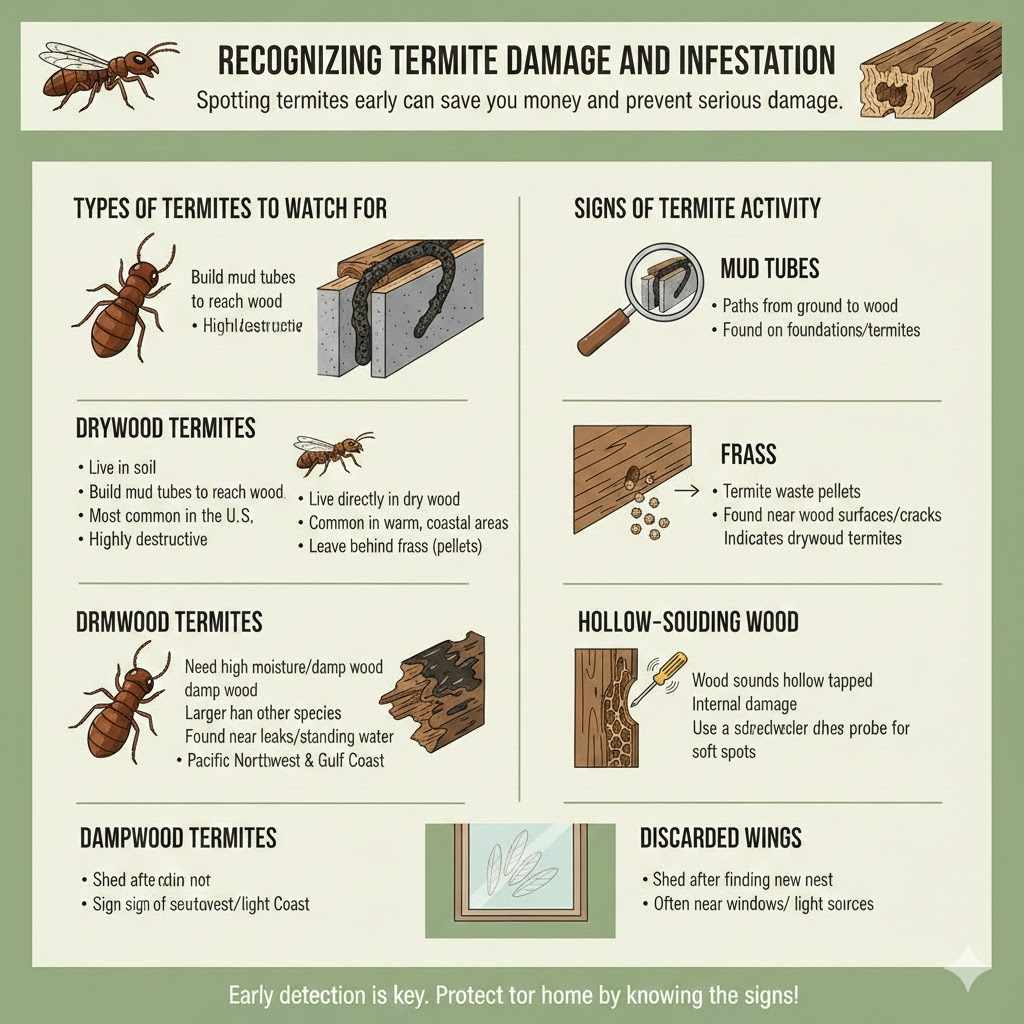
Recognizing Termite Damage and Infestation
Spotting termites early is important. It can save you money and prevent serious damage. Knowing the signs is the first step in protecting your wood. You’ll also need to know what kinds of termites are the most common and the damage they do. This knowledge will guide your next steps. Identifying the problem correctly is the key to treating the issue effectively. Getting things right the first time is often the best strategy.
Types of Termites to Watch For
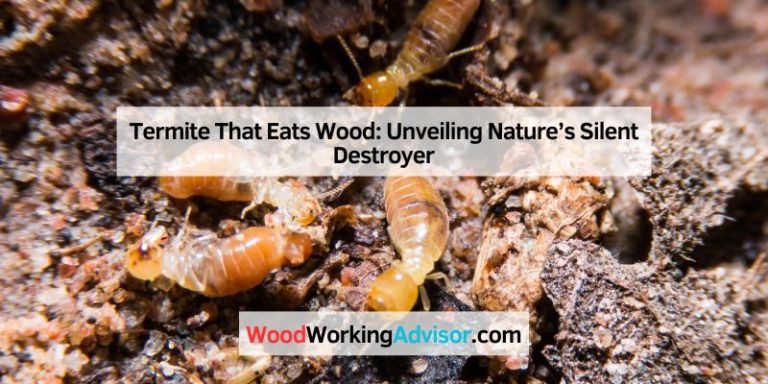
There are different types of termites. Each has its own way of eating wood and its own signs of damage. Knowing these differences helps you identify the issue accurately. Knowing which type is present helps you know the best way to deal with the problem. This can help you protect your home. Some termites are more destructive than others. Knowing the type can save you money.
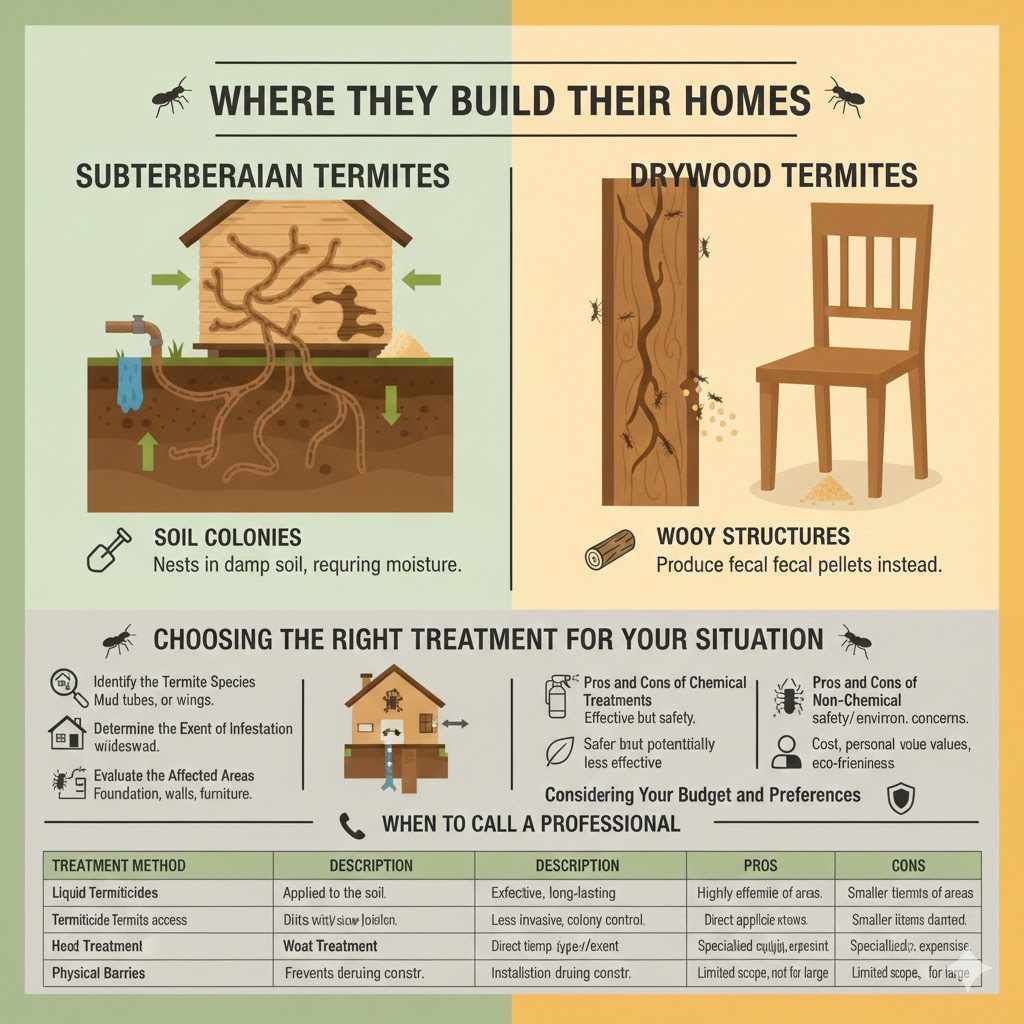
Subterranean Termites: These termites live in the soil. They build tunnels to get to wood. They are common in many areas. They are known for their destructive habits. They build mud tubes along foundations or walls to reach wood.
Subterranean termites are the most common type. They are found throughout the United States. They nest in the ground. They build tunnels, often called mud tubes, to get to wood. These tubes protect the termites from sunlight and predators. They are also sources of moisture. These termites can cause a lot of damage to homes.
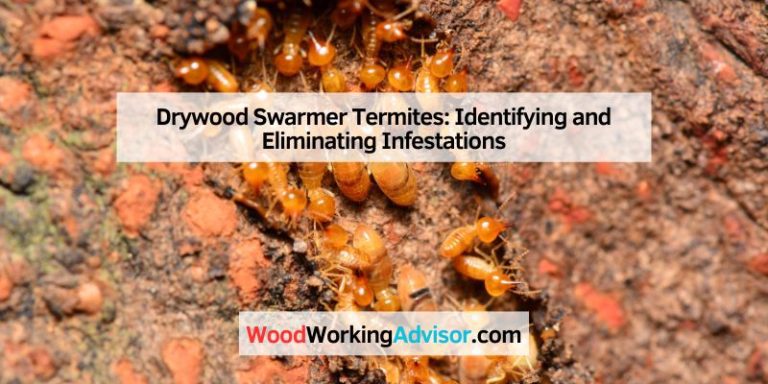
Drywood Termites: Unlike subterranean termites, drywood termites live directly in the wood. They don’t need contact with the soil. They are often found in coastal areas. They create small, clean pellets of waste, called frass. Finding frass is a telltale sign.
Drywood termites live inside dry wood. They don’t need soil contact. They are more common in warmer climates, like California and Florida. They are often found in attics or wood furniture. They leave behind small, hard pellets called frass. This frass is a sign of their activity. They create galleries within the wood. They are less common than subterranean termites. However, they can be tough to get rid of.
Dampwood Termites: As the name suggests, these termites like damp wood. They need a lot of moisture. They are often found in areas with high humidity. They are also found near leaks or standing water. They are usually larger than other termite species.
Dampwood termites thrive in moist environments. They are larger than other termites. They attack wood that is already wet or decaying. This often includes wood that is in contact with the ground. They are usually found in the Pacific Northwest and along the Gulf Coast. They don’t usually infest dry wood. They eat wood faster when it is wet. This makes them a threat to homes with leaks or damp conditions.
Signs of Termite Activity
Termites are often hidden. It’s not always easy to see them. There are some signs that can help you detect them. Knowing these signs is useful. Regular checks of your home can help you spot termites early. Early detection is helpful. It allows for quicker action and reduces damage.
Mud Tubes: Subterranean termites build mud tubes. These tubes extend from the ground to wood. Finding these tubes is a clear sign. They are usually found along foundation walls.
Mud tubes are a common sign of subterranean termites. They look like small tunnels made of soil and wood. They protect termites. They provide pathways to wood. Seeing these tubes means termites are present. You should inspect your foundation regularly. It can help you spot mud tubes. Early detection makes the process easier.
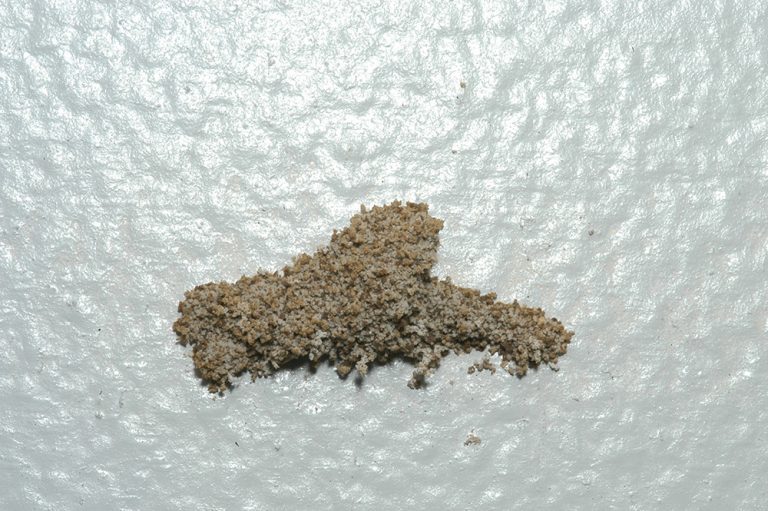
Frass: Drywood termites create frass. Frass is a type of termite waste. It looks like small piles of pellets. Finding frass is a clear indicator of drywood termite activity. Look in areas where termites could be.
Frass is the drywood termite’s waste product. It’s often found near termite activity. Frass is a telltale sign of infestation. Inspect wood surfaces. Also, look near cracks or small holes in the wood. It can help identify the problem early. Cleaning up frass is not enough. You also need to deal with the termites. Proper treatment will stop further damage.
Hollow-Sounding Wood: When you tap on wood, it might sound hollow. This can mean termites are eating the wood from the inside. This is a key sign of termite damage. You can use a screwdriver to check the wood.
Termites eat wood from the inside. This leaves a thin surface layer. Tapping on damaged wood might sound hollow. This indicates that termites have eaten away at the inside. Using a screwdriver to probe the wood helps to find soft spots. Regular checks can catch the issue early. This will give you time to act. It can minimize damage.
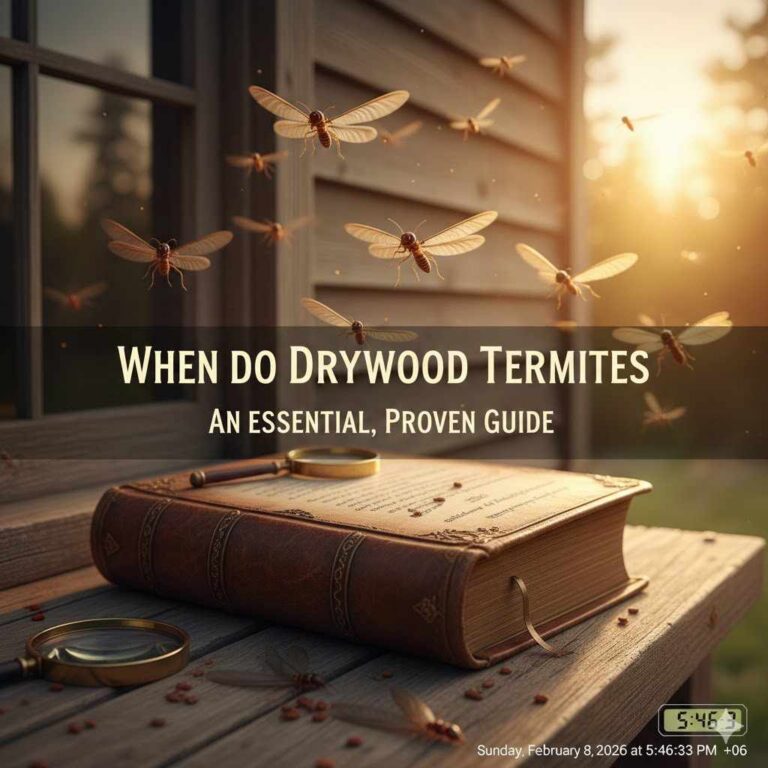
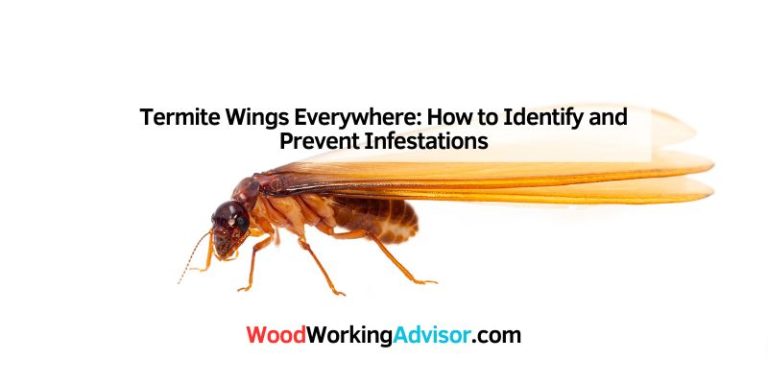
Discarded Wings: Termites shed their wings after they find a new place to nest. Finding wings is a sign of swarming termites. Swarming means the colony is expanding. This signals a possible infestation. This is a common sign around windows.
Swarming termites shed their wings after they find a new home. Finding discarded wings means termites are active. Swarming is a natural part of termite life. It means a colony is looking to expand. You should investigate. Look for other signs of termite activity. This includes mud tubes and frass. Finding wings can alert you to a problem that needs to be solved. Prompt action can stop further spread.
Effective Ways to Treat Wood for Termites
There are several methods for treating termites in wood. Some methods are chemical-based. Others are non-chemical. The best approach depends on the type of termites. It depends on the extent of the infestation. It also depends on the type of wood involved. Consulting with a pro will help. They will assess the situation and recommend the right treatment. They will have the best knowledge for the job.
Chemical Treatments
Chemical treatments are very common. They are often effective. They use pesticides designed to kill termites. These treatments vary. They can include liquid termiticides. They can also include termiticide baits. Some methods target the wood. Others are used in the soil. There are some important factors to consider when using chemicals.
Liquid Termiticides: These are applied to the soil around the house. They create a barrier. This barrier prevents termites from entering. They are often used for subterranean termites. These are applied in a trench around the foundation.
Liquid termiticides form a barrier in the soil. They are designed to kill termites. They come in several forms. They can be synthetic pyrethroids. They can also be neonicotinoids. These products work by poisoning the termites. They protect your home from the pests. They are a good first step. But they need careful application. A pro can help with this.
Termiticide Baits: Baits contain slow-acting poison. Termites eat the bait. They then spread the poison to other termites. Baits are good for controlling colonies. They are a less invasive treatment than liquid termiticides.
Termiticide baits attract termites. They contain a substance that termites like to eat. The bait contains a slow-acting poison. Termites take the bait back to the colony. They share it with other termites. This can eliminate the entire colony. Baits are often placed around the perimeter of the home. They are a great solution if you want to avoid liquid treatments. They are an eco-friendly option.
Wood Treatments: Some chemicals are designed to be applied directly to wood. These treatments can kill termites. They can also prevent future infestations. They may be used for drywood termites. They often involve spraying or injecting chemicals into the wood.
Wood treatments are designed to penetrate the wood. They are useful in treating termites inside the wood. They are often used to address localized infestations. These treatments may involve spraying chemicals onto the wood. It can also include injecting chemicals directly into the wood. They are useful for drywood termites. Careful application is needed. This will help to ensure the treatment is effective.
Non-Chemical Treatments
There are also non-chemical ways to treat termites. These options are useful. They are safer for the environment. They can be a good option for people who want to avoid chemicals. They involve heat, cold, or physical barriers. They can effectively deal with termites. They are helpful in specific situations.
Heat Treatment: Termites are very sensitive to heat. They can be killed by exposing infested wood to high temperatures. Heat treatments involve raising the temperature of the infested area. It can be a whole house or a specific piece of furniture.
Heat treatments kill termites by raising temperatures. The process involves heating the infested wood to lethal temperatures. This method is effective for drywood termites. It can be used for entire buildings. It is often done by professionals. They will use specialized equipment to ensure the right temperature. This is a very effective way to eradicate termites.
Cold Treatment: Extreme cold can also kill termites. Freezing infested items for a period can eliminate them. This may be done by placing infested furniture in a freezer. Or, it may involve using a cold treatment system.
Cold treatments use low temperatures to kill termites. Freezing infested items can be a simple method. It can be a good choice for smaller items like furniture. It works by freezing termites to death. Cold treatments can be just as effective as heat treatments. These treatments are best done by professionals. They are safer and more effective.
Physical Barriers: Physical barriers can stop termites. Barriers prevent them from accessing wood. These can include stainless steel mesh or sand barriers. These barriers can be placed around the foundation of a home.
Physical barriers are placed between the termites and the wood. They are designed to stop termites. These barriers can include stainless steel mesh. They can also be sand barriers. They are often used during construction. They prevent termites from entering the wood. This is a good way to defend your home. You can keep termites from building mud tubes.
Preventive Measures to Protect Your Wood
Prevention is key. Taking steps to prevent termites can save you time. It can also save you money. Regular inspections, good construction practices, and basic maintenance are important. These actions will help you keep termites away. They can reduce the chance of an infestation. Implementing these measures can add value.
Regular Inspections
Regular inspections are an important part of termite prevention. You should check your home for signs of termites. Doing this at least once a year is a good idea. Consider having a pro inspect your home. Early detection can prevent serious damage. A pro has the skill to detect termite activity.
Professional Inspections: Get your home inspected by a professional. Professionals have the right tools. They also have the knowledge to find termites. They can help you identify any issues. Inspections should be done at least annually.
Professional inspections will spot termites. Pros know what to look for. They have the knowledge and tools to find hidden infestations. They check for mud tubes, frass, and other signs. They offer valuable insights. They can recommend the best steps to take. It is a good idea to schedule yearly inspections. This helps protect your home.
DIY Inspections: You can also do your own inspections. Look for visible signs of termites. Inspect areas that are often missed. These areas include basements, crawl spaces, and attics. Checking these areas is an important step.
You can do your own inspections. Regular checks of your home can detect early signs. Check for mud tubes, frass, and hollow-sounding wood. Check near windows and doors. Be sure to look in basements and attics. Prompt action is key. You need to identify signs of termites quickly. This allows you to take action before damage occurs.
Seasonal Checks: Termite activity changes with the seasons. Spring is often a time when termites swarm. This is when new colonies begin. You should pay close attention during this time. Inspect your home frequently during the spring.
Termite activity varies throughout the year. Spring is a busy time for termites. This is when swarming occurs. This is when new colonies establish themselves. You should pay extra attention during this period. Inspect your home more frequently during spring. This is the best way to get ahead of termite activity. This includes inspecting for wings and mud tubes.
Proper Construction Practices
Good building practices are important to keep termites away. When building or renovating your home, take some steps. You should use termite-resistant materials. You should also ensure proper ventilation and drainage. These steps will make your home less inviting to termites. The steps you take will make your home safer. It’s a key part of prevention.
Use Termite-Resistant Materials: Some materials are naturally resistant to termites. These include certain types of wood. It can also include treated lumber. Using these materials can lower the risk of infestation. This reduces the appeal of the wood to the pests.
Select materials that are less attractive to termites. This will make your home less susceptible to infestation. Use termite-resistant wood. Treated lumber is a good option. These materials can reduce the risk. These materials make it more difficult for termites to feed. Using these materials during construction or renovation is a step in the right direction.
Ensure Proper Ventilation: Poor ventilation can create a moist environment. Moisture is a favorite of termites. Proper ventilation reduces moisture levels. It also makes your home less attractive to termites. Make sure attics and crawl spaces are well-ventilated.
Moisture attracts termites. Good ventilation keeps moisture levels low. Proper ventilation also reduces the chances of termite infestations. Check that your attic and crawl spaces are well-ventilated. This helps prevent moisture build-up. It also discourages termites from nesting. Good ventilation is a basic step. This should be part of home maintenance.
Maintain Proper Drainage: Standing water attracts termites. Make sure water drains away from your home. This prevents termites from finding a source of moisture. It also stops them from creating nests near your foundation.
Standing water can attract termites. This helps the termites survive. Ensure proper drainage around your home. Keep water away from the foundation. This prevents water from collecting near your home. It reduces the risk of termite infestations. Proper drainage is a key part of termite prevention. You will want to check your gutters and downspouts.
Home Maintenance Tips
There are simple maintenance steps you can take. These steps will help you prevent termites. They include removing wood debris. They include fixing leaks. They also include storing firewood safely. These easy tasks can make your home less inviting to termites. They are simple but effective preventative measures. Home maintenance helps protect your home.
Remove Wood Debris: Termites eat wood. Wood debris near your home provides a food source. Remove any wood debris. This includes old lumber, firewood, and tree stumps. This can reduce the chance of attracting termites.
Termites love wood. Removing wood debris from your yard takes away their food source. This reduces the risk of termites moving in. This also includes tree stumps, old lumber, and firewood. Keeping your yard clear of wood debris is a smart step. You can protect your home and prevent termites from coming around.
Fix Leaks and Moisture Problems: Termites need moisture to survive. Fix any leaks promptly. Reduce moisture problems. This includes leaky pipes, roof leaks, and condensation. This lowers the chance of attracting termites.
Termites are attracted to moisture. You should fix any leaks in your home right away. This will help to reduce their chances of survival. Fix leaky pipes and roof leaks promptly. Reduce condensation problems. This reduces the environment that termites like. This lowers the risk of infestations.
Store Firewood Properly: Store firewood away from your home. Make sure it is raised off the ground. This will prevent termites from living in it. You can place firewood on a rack. This will help you protect your wood.
Firewood can be a home for termites. Store firewood away from your home to keep termites away. Place it on a rack. Keep it elevated off the ground. This prevents termites from finding a home in your woodpile. Taking these steps is helpful. You can prevent termites from getting close to your home.
Choosing the Right Treatment for Your Situation
Selecting the right treatment depends on several factors. You need to consider the type of termites. You also need to consider the extent of the infestation. Think about your personal preferences. For instance, are you happy using chemical treatments? Do you prefer non-chemical methods? Considering these factors will help you make a good choice. Selecting the right option gives you the best results.
Assessing the Infestation
The first step is assessing the issue. This involves figuring out what kind of termites you have. It also includes looking at the extent of the damage. This assessment helps you make the right choice. Knowing the key facts makes it easier to find a solution. It is also a good step before calling a pro. You can get an idea of the problem.
Identify the Termite Species: Different termite species need different treatments. Knowing the type is essential. Check for signs. This will include mud tubes, frass, and wings. This helps you choose the best treatment.
Each type of termite has its own characteristics. Knowing which one you’re dealing with is key. Subterranean termites need a different treatment than drywood termites. Look for mud tubes, frass, or discarded wings. This will help you know the problem. This will help you find the right solution.
Determine the Extent of the Infestation: How bad is the infestation? Are the termites in a small area? Or have they spread throughout your home? This affects the treatment. A small, localized problem may need a simple treatment. A large infestation might need more involved action.
The size of the termite problem matters. A small infestation might need a simple treatment. A larger infestation might require a more comprehensive approach. Knowing the scope of the problem is helpful. It will help you choose the right treatment. This will save you time and money.
Evaluate the Affected Areas: Where is the damage? Is it in the foundation, the walls, or the wood furniture? This tells you where to apply the treatment. It also lets you know which methods are most appropriate.
The location of the infestation will affect your choices. Termite problems in your foundation may need a different treatment. Termite problems in your furniture might be different. Assessing the affected areas helps you find the right treatment. This ensures the protection of the right areas.
Choosing a Treatment Method
After your assessment, it’s time to choose. Think about chemical and non-chemical methods. Consider the pros and cons of each. Decide what will work best for your home. You should also consider your budget and concerns. Take a careful look at your options. Then, you can decide.
Pros and Cons of Chemical Treatments: Chemical treatments are often very effective. But they may involve risks. They can be very effective at eliminating termites. But there are safety considerations to think about. Consider the impact on the environment.
Chemical treatments are very effective. They can rapidly eliminate termite colonies. However, they may involve the use of pesticides. This will require caution. You need to consider the environmental impact. You may want to think about the safety of children and pets. Weighing the pros and cons is key. Then you can make the right decision.
Pros and Cons of Non-Chemical Treatments: Non-chemical methods are often safer. They can be less effective. They are a good choice if you prefer green methods. They are good if you want to avoid pesticides.
Non-chemical treatments are often safe and eco-friendly. They don’t use pesticides. However, they may not be as effective as chemical treatments. They may be more time-consuming. They may only work in certain situations. Weighing these pros and cons is important. This helps you choose a treatment that matches your preferences.
Considering Your Budget and Preferences: How much money are you ready to spend? Do you have personal preferences about the treatment method? These things can help you narrow your choices. This can help you choose the best option.
Your budget matters when you are choosing a treatment. Chemical treatments are often more expensive than non-chemical ones. Also, you may have personal preferences. You might have environmental concerns or other preferences. All these factors will help you make the best choice. This will also help you address your termite problem.
When to Call a Professional
Sometimes, it’s best to call a professional. This is especially true for large infestations. Pros can provide more effective treatments. They have the training and equipment. They will assess the situation and recommend the best plan of action. They have the knowledge for the job.
Signs of a Severe Infestation: If you see a lot of termite activity, you may need a pro. Large swarms or extensive damage are signs. Pros have the resources. They have the expertise to handle these situations.
A severe infestation often needs professional help. If you find large swarms or substantial damage, a pro is needed. They can handle large infestations with ease. They have the equipment. They have the knowledge to handle the situation. They will ensure that the problem is eliminated.
Difficulty Identifying the Problem: It can be hard to know what kind of termites you have. It can also be hard to assess the extent of the damage. A pro can help with this. They have the skills to identify the problem accurately.
It can be tough to identify the type of termite. It can be hard to see how much damage they’ve done. A pro has the expertise to correctly identify the type of termite. They will also determine the scope of the problem. This will help them decide the best steps to take. Pros can make sure you’re getting the best help.
Complex Treatment Requirements: Some treatments are complicated. They need special equipment or training. These include heat treatments or soil treatments. A professional can handle these complex jobs.
Certain treatments are best done by professionals. This includes heat treatments or soil treatments. These methods need specialized skills and equipment. Pros are trained and equipped to do these treatments correctly. This will ensure that the treatment is effective and safe.
| Treatment Method | Description | Pros | Cons |
|---|---|---|---|
| Liquid Termiticides | Applied to the soil around the house. | Effective barrier, long-lasting. | Can be expensive, needs professional application. |
| Termiticide Baits | Baits with slow-acting poison. | Less invasive, good for colony control. | Can take time to work, termites must find baits. |
| Wood Treatments | Chemicals applied directly to the wood. | Effective for localized infestations. | Requires direct application, can be invasive. |
| Heat Treatment | Raising the temperature of infested areas. | Highly effective for drywood termites. | Requires specialized equipment, can be expensive. |
| Cold Treatment | Freezing infested items. | Effective for smaller items, eco-friendly. | Limited scope, may not be practical for large areas. |
| Physical Barriers | Barriers to prevent termite access. | Long-term protection, eco-friendly. | Requires installation during construction. |
Frequently Asked Questions
Question: How can I tell if I have termites?
Answer: Look for mud tubes, discarded wings, hollow-sounding wood, and frass (termite droppings). You might also see swarms of flying termites, especially in the spring.
Question: What’s the difference between subterranean and drywood termites?
Answer: Subterranean termites live in the soil and build mud tubes to reach wood. Drywood termites live directly in the wood and don’t need contact with the soil. They leave behind frass.
Question: Are termite treatments safe for my family and pets?
Answer: Many modern termite treatments are designed to be safe when used properly. However, it’s always best to follow the instructions carefully and ask a professional if you have concerns.
Question: Can I treat termites myself, or do I need a professional?
Answer: For small infestations, you might try DIY treatments. However, for serious infestations or if you’re unsure, it’s best to call a professional who has the experience and equipment to solve the problem.
Question: How often should I have my house inspected for termites?
Answer: It is a good idea to have your home inspected for termites at least once a year. Regular inspections can help catch an infestation early before much damage occurs.
Final Thoughts
Dealing with termites requires understanding. You need to identify the type. You also need to understand the extent of the issue. You now have a good base of knowledge. You’ve explored different treatment methods. You know about chemical and non-chemical options. You also know when to bring in a professional. The key is to take action.
Regular inspections and preventative steps are important. They will help you protect your home. You can now act. Take steps to treat wood effectively. You now know How to Treat Wood for Termites Safely. You can protect your property with confidence.