Termite Damage vs Wood Rot: How to Tell Them Apart (and What to Do)
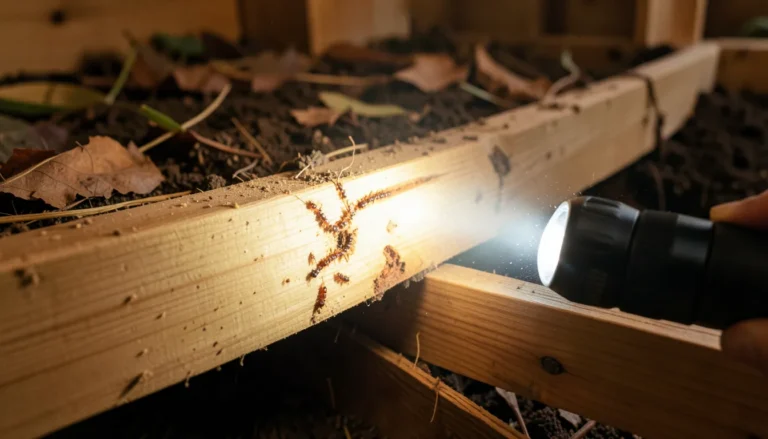
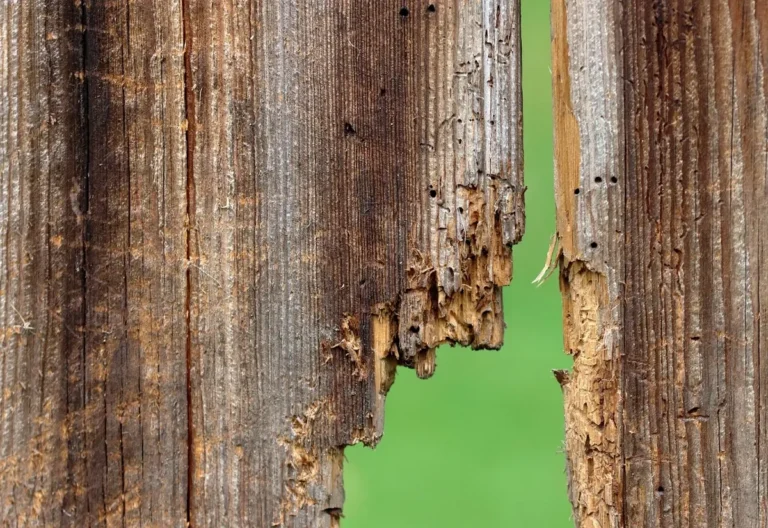
The fastest tell: mud tubes, pepper-like droppings (frass), or wood that’s hollow but still firm on the surface point to termites. Wood that’s soft, crumbly, or water-stained all the way through – with no droppings or tubes anywhere – points to rot. The two often get confused because both leave weakened, damaged-looking wood, but a termite colony and a fungal infection need completely different fixes, so misdiagnosing one as the other wastes time and money.
Five Quick Checks to Tell Them Apart
Best Tool For Confirming Moisture-Driven Rot
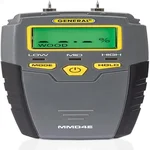 |
General Tools MMD4E Pinless Moisture Meter – $38.83 Confirms whether a suspect spot is actually wet enough to support rot – it won’t detect termites directly, but it rules moisture in or out in seconds, no drilling or pins required.
|
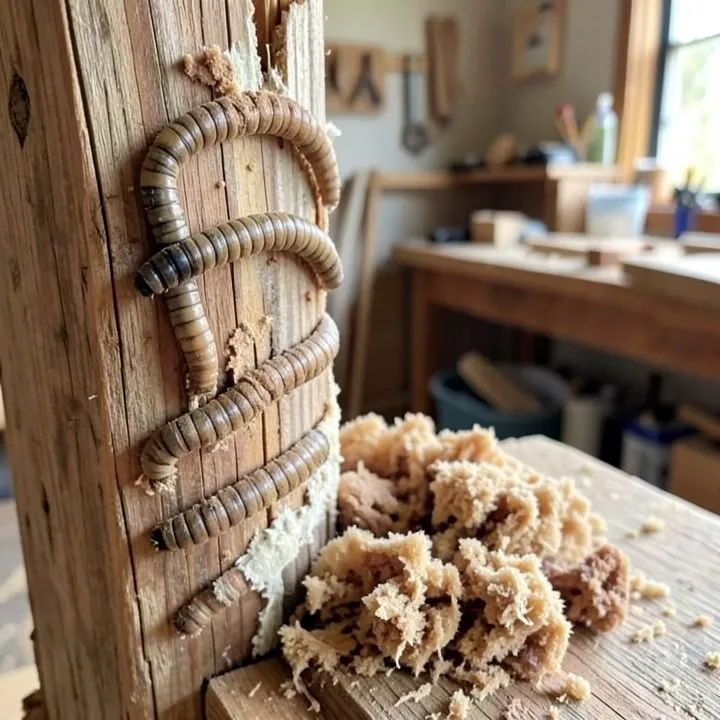
Before assuming either one, run through these checks in order. None require special training, and together they’re a reliable read on which problem you’re actually dealing with.
- Press a screwdriver into the wood. Rot-damaged wood is soft or crumbly all the way through wherever you probe it. Termite-damaged wood often still feels firm right at the surface – the outer skin is left thin but intact while the inside is hollowed out, so you may need to press slightly harder before it suddenly gives way.
- Tap the surface and listen. A hollow, papery sound with a still-firm surface suggests termites eating from the inside. A dull, soft thud where the wood visibly gives under light pressure suggests rot.
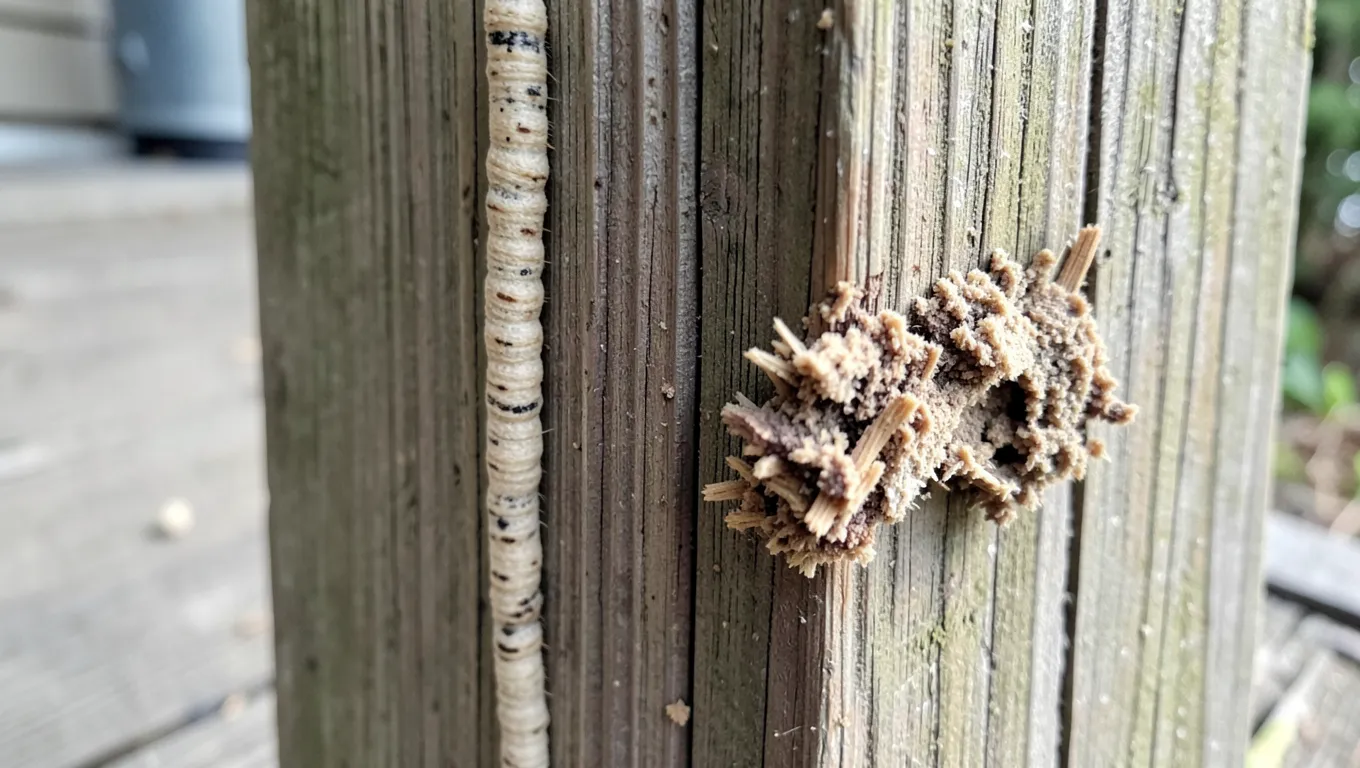
- Look for mud tubes. Pencil-width tubes of dried mud running up a foundation wall, pier, or into a crawl space are built by subterranean termites and are not something rot produces. Finding one is close to a confirmed termite diagnosis on its own.
- Look for droppings (frass). Drywood termites push small, six-sided pellets that look like coarse pepper or sawdust out of tiny holes as they tunnel. Rot never produces droppings – if you see debris, check whether it’s fibrous decayed wood (rot) or hard little pellets (termites).
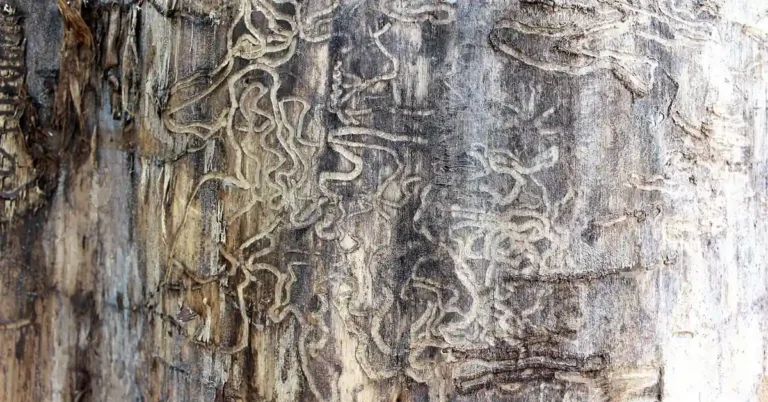
- Check the crack pattern and smell. Brown rot cracks both across and along the grain, breaking the wood into small cube-shaped chunks. Termite galleries run mostly with the grain, leaving thin, layered walls that can look almost like onion skin when you cut into them. Rot also usually carries a musty, damp smell from the fungus; termite damage on its own has none.
What Wood Rot Actually Is
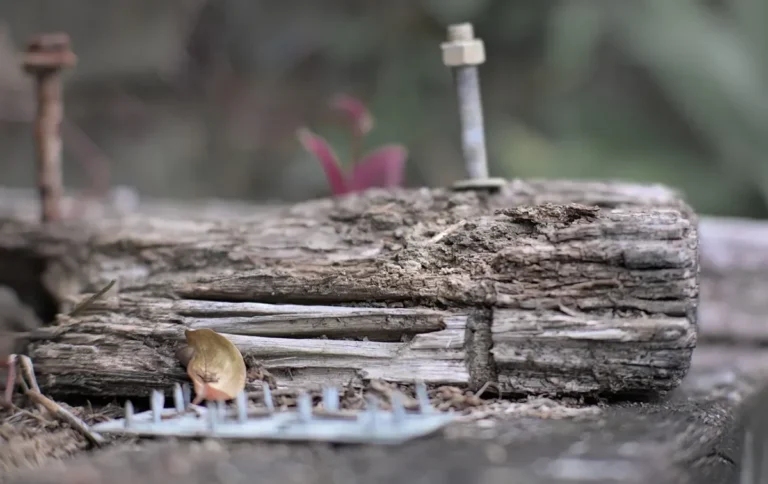
Wood rot is fungal decay, not insect damage – it needs sustained moisture to establish itself, which is why it shows up around leaky roofs, poor grading, clogged gutters, and any spot where wood sits wet for extended periods. There are three types worth telling apart, because their appearance differs:
- Brown rot (sometimes called “dry rot,” misleadingly, since it still needs moisture to start) breaks down cellulose and leaves wood dark, brittle, and cracked into small cubes. It’s the type most often found in framing lumber and other softwoods.
- White rot breaks down lignin as well as cellulose, leaving hardwood looking bleached, stringy, or spongy rather than cubed.
- Soft rot shows up in wood that’s constantly wet or in ground contact – deck posts, fence posts, sill plates – and leaves the wood soft and mushy while often keeping its original shape longer than brown rot does.
Once rot sets in, it stays confined to wood that’s actually wet enough to support the fungus – it won’t spread into dry lumber the way a termite colony will actively travel to find new wood.
What Termite Damage Actually Looks Like
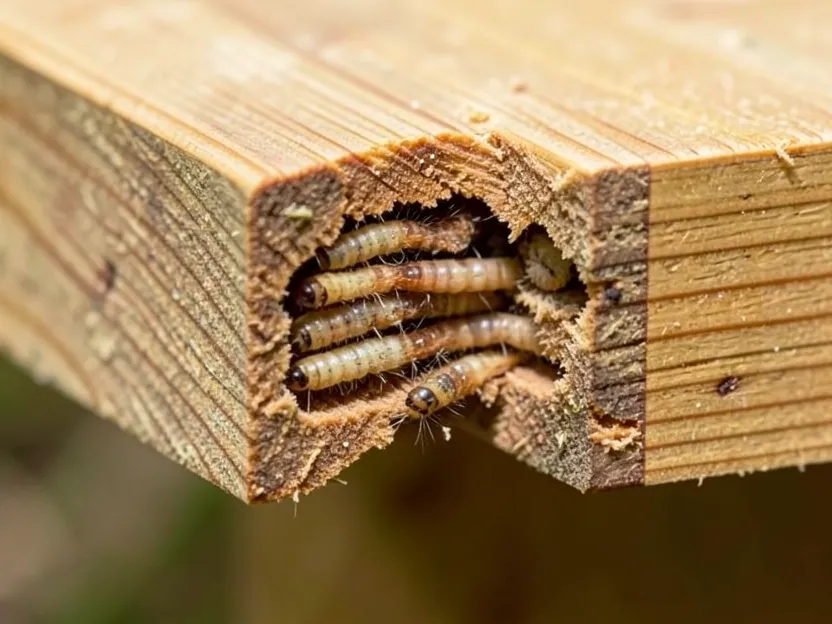
Termites are eating a food source (cellulose), not decaying it, so the damage pattern is different from rot: tunnels and galleries carved with the grain, an outer wood layer often left thin but intact, and evidence of an active colony somewhere nearby. Three types show up in homes:
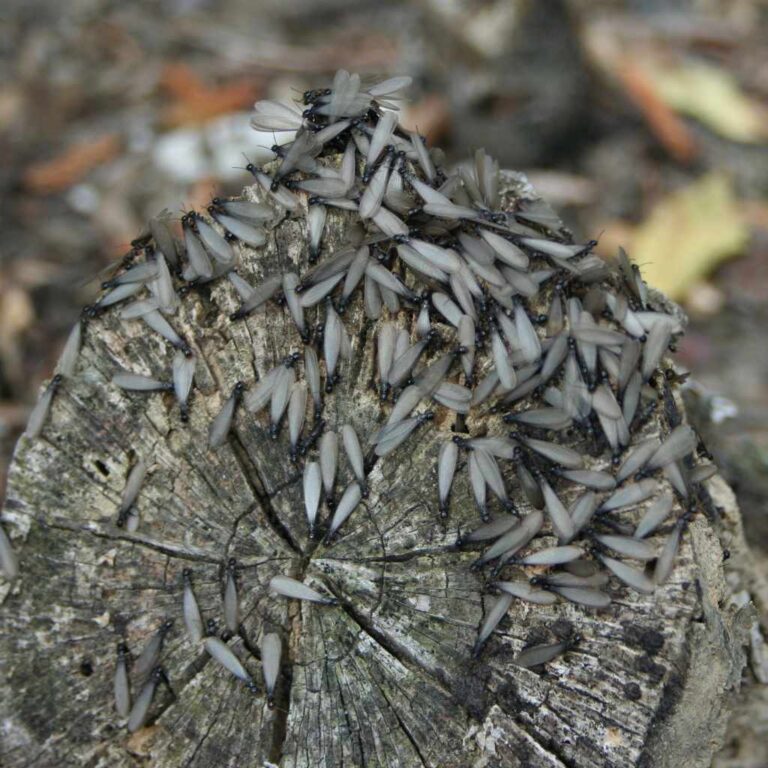
- Subterranean termites live in underground colonies and build mud tubes to reach wood without being exposed to open air. They’re the most common and most destructive type in the U.S., and a mature colony can number in the tens of thousands to over a million workers.
- Drywood termites live entirely inside the wood they eat, with no soil contact and no mud tubes. Their calling card is frass – the six-sided pellets they push out of small kick-out holes.
- Dampwood termites need consistently high-moisture wood and are less common in structures than the other two, but their presence is a reliable sign there’s also an ongoing moisture problem in that spot.
Can You Have Both at Once?
Yes, and it’s common enough that pest inspectors check for both by default. The same moisture problem that causes rot – a leaking gutter, poor drainage, a slow plumbing leak – also creates the damp conditions subterranean and dampwood termites prefer. On top of that, rot-softened wood is easier for termites to tunnel through than sound lumber, so a spot with long-term moisture exposure is genuinely more likely to end up with both problems layered on top of each other. If you find one, it’s worth checking the same area carefully for the other rather than assuming it’s an either/or situation.
When to Call a Professional
This is the part not to DIY past a certain point. A confirmed or suspected termite infestation should go to a licensed pest control company, not a store-bought spray. Termiticide barriers and bait systems need to be placed and monitored correctly to actually eliminate a colony – a surface treatment that only kills the termites you can see can just push the colony to relocate and re-enter somewhere else in the structure, giving a false sense that the problem is solved. A licensed inspector can also confirm the termite species, which affects the right treatment method.
Wood rot is more DIY-friendly for prevention (fixing the moisture source, improving drainage, replacing small non-structural pieces), but any rot found in a load-bearing member – a support post, a structural beam, floor joists, or sill plates – needs a contractor or structural engineer to evaluate before you patch it cosmetically. A wood hardener or filler can be appropriate for minor surface rot on trim or non-structural wood, but it is not a substitute for replacing a structural member that’s lost real load-bearing capacity.
Preventing Both
Because moisture drives both problems, most prevention overlaps: keep gutters clear and downspouts directing water away from the foundation, grade soil so it slopes away from the house, keep wood-to-soil contact to a minimum (posts on concrete piers rather than buried directly), and use pressure-treated or naturally rot-resistant wood (cedar, redwood) in ground-contact or high-moisture applications. For termites specifically, a periodic professional inspection – annually in most regions, or every six months in high-termite-pressure areas – catches a new infestation long before it does structural damage, since early termite activity is genuinely hard to spot without training.
Frequently Asked Questions
What is the fastest way to tell termite damage from wood rot?
Press a screwdriver into the wood and look for mud tubes or frass. Rot feels soft or crumbly throughout and has a musty smell; termite-damaged wood often stays firm at the surface with a hollow interior, and termites leave mud tubes (subterranean) or pepper-like pellets (drywood) that rot never produces.
Can wood rot and termites happen in the same spot?
Yes. The moisture that causes rot also attracts subterranean and dampwood termites, and rot-softened wood is easier for termites to tunnel through, so long-term moisture problems often produce both issues in the same area.
Do I need a professional for termite damage, or can I treat it myself?
Call a licensed pest control company for a confirmed or suspected infestation. Store-bought sprays only kill visible termites and can push a colony to relocate rather than eliminating it, which hides the problem instead of solving it. A professional can also identify the termite species, which changes the recommended treatment.
Is wood rot in a support beam or post safe to patch myself?
Not on its own. Wood hardener or filler is fine for minor surface rot on trim or non-structural wood, but rot found in a load-bearing beam, post, joist, or sill plate needs a contractor or structural engineer to assess before any repair, since a cosmetic patch doesn’t restore lost load-bearing strength.
Conclusion
Mud tubes, frass, and wood that’s still firm at the surface point to termites; soft, crumbly, water-stained wood with a musty smell and no droppings points to rot – and moisture problems can cause both at once. Rot prevention (drainage, ventilation, rot-resistant wood) is genuinely DIY territory, but a real termite infestation and any rot found in structural framing both need a professional to evaluate before you decide how to fix it.
Sponsored / affiliate links. As an Amazon Associate I earn from qualifying purchases. I may earn additional commission from eligible campaigns.