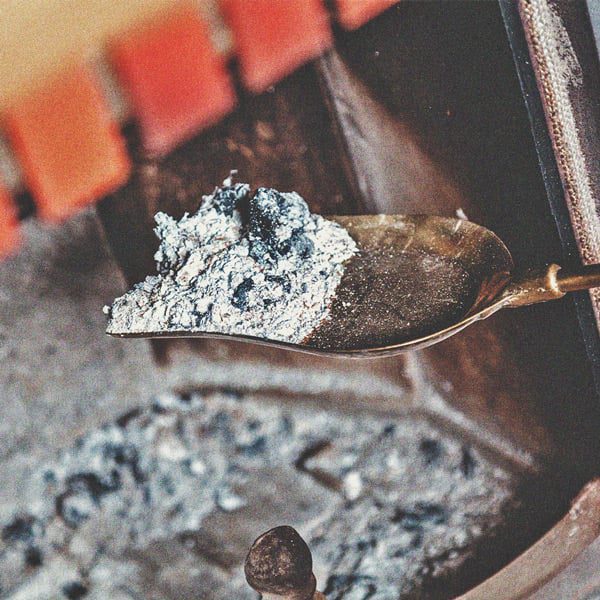
How to Use Wood Ash for Big Buds: Ultimate Guide
Imagine boosting your plant’s growth with something as simple as wood ash. Yes, the same ash left behind in your fireplace can be a secret weapon for growing big, healthy buds.
You might be surprised to learn that wood ash is packed with essential nutrients that can supercharge your plants. If you’re looking for a natural and cost-effective way to enhance your gardening results, you’re in the right place. You’ll discover how to harness the power of wood ash to maximize your plant’s potential.
Get ready to uncover the techniques that can transform your gardening experience and lead to those enviable big buds you’ve always wanted. Keep reading, because you’re about to find out just how easy it is to put this garden game-changer to work for you.
Benefits Of Wood Ash For Plants
Wood ash is full of good stuff for plants. It has potassium, calcium, and other useful minerals. These nutrients help plants grow strong. They keep the soil healthy. This means more buds will grow.
Soil can be too sour for plants. Wood ash helps fix this. It makes the soil less sour. This is called balancing the pH. Plants like soil that is not too sour. Wood ash helps plants grow better in balanced soil.
Choosing The Right Type Of Wood Ash
Hardwood ash is rich in nutrients that plants love. It contains more potassium than softwood ash. Potassium helps plants grow strong buds. Softwood ash has less nutrients. It’s less effective for big buds. Hardwood ash boosts soil health. It balances soil acidity. Softwood ash is not as good for soil.
Contaminated ash can harm plants. Choose ash from clean wood. Avoid ash from painted or treated wood. Chemicals in treated wood can poison plants. Never use ash from burnt garbage. It contains harmful toxins. Keep ash dry and clean. Store it in a sealed container.
Preparing Wood Ash For Use
Wood ash can be lumpy and dusty. Sifting helps remove lumps and debris. Use a fine mesh screen for sifting. This makes the ash smooth and clean. After sifting, store ash in a dry place. A sealed container works best. Moisture can ruin the ash. Keep the container away from rain and water.
Handling ash requires care. Wear gloves to protect your skin. Ash can irritate skin and eyes. Eye protection is a must. Ash dust can cause problems. Do not breathe it in. Work in a well-ventilated area. Avoid windy days for handling ash. Keep ash away from children and pets.
Application Techniques For Big Buds
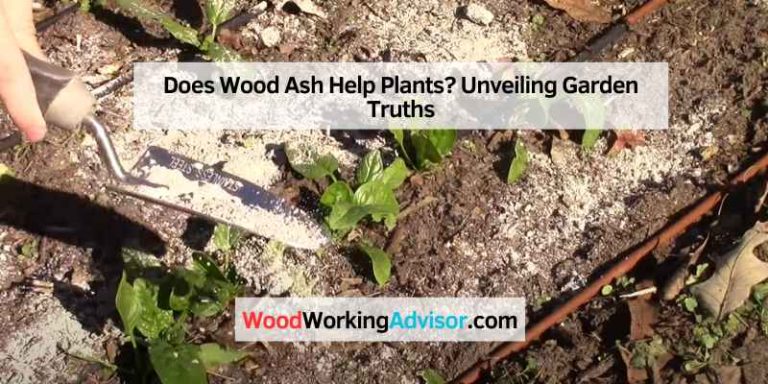
Sprinkle wood ash directly on the soil. Mix it gently into the top layer. This helps the plants absorb nutrients. Use a small amount to avoid harming plants. Ash can change soil pH. Monitor soil pH regularly. Balanced pH is crucial for big buds. Too much ash can damage roots. Less is more with ash.
Soak wood ash in water for ash tea. Use a bucket or large container. Let it sit for a few days. Stir the mixture occasionally. Strain the liquid before using. Pour the ash tea around the plants. This method feeds nutrients directly to the roots. Be careful not to overwater. Ash tea is a gentle way to nourish plants.
Timing And Frequency Of Application
Wood ash is great for plants. Apply during early stages. It helps roots grow strong. Use again before flowering. Boosts bud size. Spread lightly. Don’t overdo it. Big buds need care.
Spring is best for wood ash. Soil is fresh. Summer is okay too. Ensure soil is moist. Winter is not ideal. Plants rest. Use ash wisely. Watch weather changes.

Credit: ceramicartsnetwork.org
Combining Wood Ash With Other Fertilizers
Enhancing plant growth can be achieved by mixing wood ash with other fertilizers. Wood ash provides essential nutrients like potassium and calcium, helping plants develop big buds. Combining it with compost or manure enriches the soil, leading to healthier and more productive plants.
Complementary Nutrients
Wood ash adds important nutrients to the soil. It is rich in calcium and potassium. These nutrients help plants grow big and strong. But, wood ash lacks some nutrients like nitrogen. Plants need nitrogen to grow leaves. You can add other fertilizers with nitrogen. This makes a balanced mix for plants. Always check the soil before adding fertilizers. Too much of anything can be bad.
Avoiding Over-fertilization
Too much fertilizer can hurt plants. It can burn their roots. Always use the right amount. Start with a small amount of wood ash. Add more if the plants need it. Mix wood ash well into the soil. This helps spread nutrients evenly. Test the soil to know what it needs. Balance is key for healthy plants. Keep an eye on your plants. Happy plants give big buds.
Common Mistakes To Avoid
Avoid using too much wood ash, as it can harm soil pH. Mix ash well into the soil to prevent clumping. Do not apply wood ash to plants sensitive to alkaline conditions.
Overuse Of Wood Ash
Using too much wood ash can harm plants. It makes the soil too alkaline. Plants need balanced soil to grow well. Overuse can block important nutrients. This makes it hard for buds to grow big. Always use wood ash in small amounts. Mix it well with the soil. It is important to know how much ash your plants need.
Ignoring Soil Testing
Ignoring soil testing is a common mistake. Soil tests show what your plants need. They help you know if your soil is too acidic or too alkaline. Without testing, you might use too much wood ash. This can hurt your plants. Always test your soil before adding anything. Testing helps plants grow strong and healthy.
Frequently Asked Questions
What Is The Best Way To Use Wood Ash?
Use wood ash as a soil amendment for gardens. It enriches soil with potassium and other nutrients. Sprinkle it sparingly around plants. Avoid using on acid-loving plants. Always wear gloves when handling wood ash. Store in a dry container to prevent clumping.
How Much Wood Ash To A 5 Gallon Bucket?
Use 2-3 cups of wood ash per 5-gallon bucket for optimal nutrient balance. Ensure ash is dry and cool. Mix thoroughly with soil to avoid clumping and uneven distribution. Adjust quantity based on soil needs and plant type for best results.
What Are The Disadvantages Of Wood Ash As Fertilizer?
Wood ash can raise soil pH, harming acid-loving plants. It may contain harmful metals and reduce nutrient availability. Excessive use can lead to nutrient imbalance. It lacks nitrogen, essential for plant growth. Always test soil before applying wood ash to avoid negative effects.
How Much Wood Ash Per Gallon Of Water?
Use one tablespoon of wood ash per gallon of water. This mix can enhance soil nutrients. Stir thoroughly to ensure the ash dissolves. Avoid using ash from chemically treated wood. Test soil pH before applying, as wood ash is alkaline.
Adjust quantity based on soil needs.
Conclusion
Wood ash can boost your plant’s growth naturally. It enriches the soil with potassium. This helps the buds grow bigger. Remember to use it in moderation. Too much can harm the plants. Mix ash with compost for best results. Test the soil pH regularly.
Adjust if it becomes too alkaline. Wood ash is a budget-friendly option. It recycles waste and benefits plants. Start small and observe how plants respond. Happy gardening and enjoy those big, healthy buds!