Is Coaster Furniture Real Wood? The Honest Answer (2026)
Quick Answer
It depends on the piece. Coaster Furniture (also sold as Coaster Fine Furniture, Coaster Co. of America, and Coaster Home Furnishings) makes some genuinely solid-wood lines, but most case pieces mix solid wood frames with wood veneer over plywood, and some lower-priced items use engineered wood (MDF/particleboard) entirely. Always check the individual listing’s "Material" field before buying.
Coaster Furniture isn’t a single-material brand — it depends on the specific piece. Coaster (legally COA, Inc., founded 1981, importing furniture since 1972) sells everything from fully solid-wood dining tables to budget case goods built from engineered wood. There’s no blanket yes or no answer.
Coaster’s own construction standard for case pieces (dressers, nightstands, bookcases) is solid wood combined with wood veneer over plywood side panels — a common, legitimate mid-tier furniture construction method. But Coaster also sells fully solid-wood lines at the higher end, and fully engineered-wood pieces (MDF, particleboard, laminate) at the budget end. The only way to know what a specific Coaster item is made of is to check that product’s own listing.
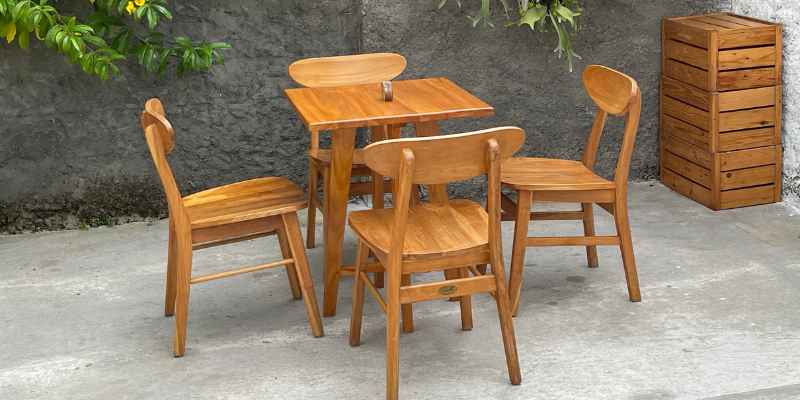
What Coaster Furniture Is Actually Made Of
Recommended: Caring For Real Wood Furniture

Howard Feed-N-Wax Wood Polish & Conditioner
A beeswax-and-orange-oil conditioner made for solid wood and real wood veneer furniture (not for laminate or painted MDF); widely used by furniture owners and woodworkers to feed dry wood and refresh finishes.
Check Price on AmazonCoaster sells under several trade names — Coaster, Coaster Fine Furniture, Coaster Co. of America, and Coaster Home Furnishings — all owned by the same parent company, COA, Inc. Materials vary by trade name, product line, and price point, not by brand name alone. Here’s what shows up across real current listings:
Solid Wood Lines
Some Coaster pieces are genuinely solid wood throughout. For example, the Coaster Dortch Oval 63″ Dining Table (model 108461, walnut finish) is listed by multiple retailers as solid Asian hardwood construction — no veneer, no engineered core. It’s a real example of the brand’s higher-end woodworking, not a fabricated one.
Solid Wood + Veneer Hybrid (Most Common)
Most Coaster case pieces — dressers, nightstands, bookcases, TV consoles — use solid wood frames and legs paired with wood veneer over plywood panels for the flat surfaces (tops, sides, drawer fronts). This is standard mid-tier furniture construction industry-wide, not unique to Coaster, and it’s a legitimate way to get real wood grain on large flat surfaces without the cost and warping risk of solid slabs.
Engineered Wood Lines
At the budget end, some Coaster tables and case pieces are built entirely from engineered wood — MDF or particleboard with a laminate or printed finish. Retailer listings for these pieces will say "engineered wood" plainly in the material spec, sometimes alongside a wood-species name in the product title (e.g., a "mango" or "oak" finish on an engineered-wood core) — which is where a lot of buyer confusion comes from.
How To Tell What Any Specific Coaster Piece Is Made Of
Since Coaster’s catalog spans all three construction types, don’t rely on the collection name or finish name (like "oak" or "walnut") to tell you the material — that usually describes the color/finish, not the substrate. Instead:
Read The Retailer’s Material Field
Wayfair, Amazon, and most furniture retailers list a specific "Material" or "Frame Material" field on every Coaster product page. Look for exact wording: "solid wood," "solid wood, engineered wood, and veneer," or "engineered wood" alone. This field is more reliable than the marketing description.
Visual And Physical Checks
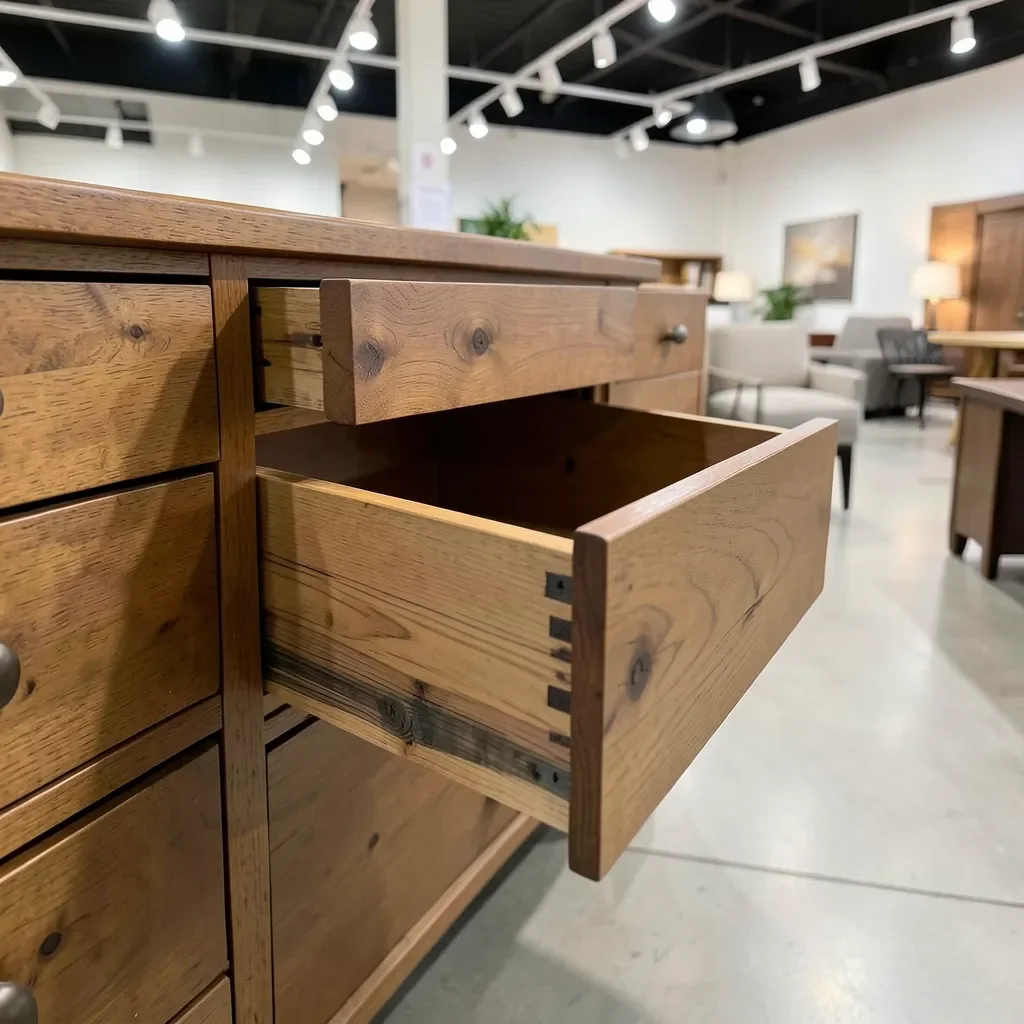
Look for grain patterns, knots, and natural color variation — real wood surfaces vary piece to piece. Check under drawers and on the underside of tabletops, where veneer edges or a uniform, grain-free surface (a sign of MDF) are easiest to spot. Solid wood also feels noticeably heavier than an MDF piece of the same size.
Ask Before You Buy
If a listing doesn’t specify materials clearly, contact the retailer or Coaster directly. Legitimate retailers can confirm the exact construction (solid wood, veneer-over-plywood, or engineered wood) before you order.
Solid Wood Vs. Wood Veneer Vs. Engineered Wood
Understanding these three terms helps you evaluate any Coaster listing — or any furniture brand’s listing — on its own merits.
Solid Wood
- Made entirely from natural wood, no substrate
- Most durable and repairable/refinishable over time
- Heaviest, priciest, and can expand/contract with humidity
Wood Veneer (Over Plywood)
- Thin layer (about 1/42″–1/16″) of real wood glued to a plywood core
- More dimensionally stable than solid wood on large flat panels
- Legitimate mid-tier construction — not fake wood, but not repairable by deep sanding
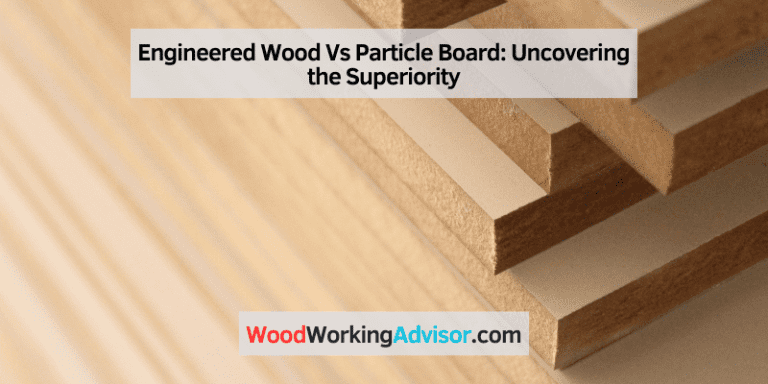
Engineered Wood (MDF/Particleboard)
- Compressed wood fibers or particles bonded with resin, no visible grain
- Least expensive, most consistent, but weakest for load-bearing use and moisture exposure
- Sometimes veneered or laminated on top to look like solid wood
If you already own real wood furniture — Coaster or otherwise — routine conditioning helps the finish last. A product like Howard Feed-N-Wax (below) works on solid wood and real wood veneer surfaces, but shouldn’t be used on laminate or painted MDF finishes.
The Appeal Of Genuine Solid Wood Furniture
When a Coaster piece is solid wood — like the Dortch dining table line — it carries the advantages solid wood always has: it can be sanded and refinished multiple times, it develops a natural patina with age, and it tends to outlast veneer or engineered-wood pieces under heavy daily use.
Durability And Repairability
Solid wood furniture can typically be sanded down and refinished several times over its life, which veneer and engineered wood generally cannot. That’s the main practical reason solid wood commands a price premium.
Aesthetics And Wood Type
Each solid wood piece shows unique grain patterns and natural color variation. Common wood types used across the furniture industry — oak, walnut, mango, Asian hardwoods — each have distinct grain and hardness characteristics that affect both look and durability.
Coaster Vs. Other Furniture Brands
Coaster isn’t unusual here — most mid-market furniture brands (Ashley, Wayfair house brands, Signature Design) sell the same mix of solid wood, veneer, and engineered wood across their catalogs, priced accordingly. The honest comparison isn’t "which brand is real wood" but "which specific SKU is real wood" — and that information lives on the individual product listing, not the brand page.
Frequently Asked Questions
Is Coaster Furniture Real Wood?
It depends on the piece. Coaster sells solid wood lines (like the Dortch dining table), solid-wood-and-veneer hybrid case pieces (most common), and fully engineered-wood budget items. Check the "Material" field on the specific listing.
Is Real Wood Furniture Better Than Veneer Or Engineered Wood?
Solid wood is generally more durable and repairable, but well-built veneer-over-plywood furniture is a legitimate, stable construction method — it isn’t "fake wood," since the surface layer is real wood glued to a real plywood core. Engineered wood (MDF/particleboard) is the least durable of the three and the hardest to repair.
How Can I Tell If A Coaster Piece Is Solid Wood?
Check the retailer’s material spec first. Then look for grain variation and knots (real wood), check drawer undersides and tabletop edges for veneer layering, and note the weight — solid wood pieces are noticeably heavier than MDF pieces of the same size.
Do Wooden Tables Need Coasters?
Wooden tables don’t strictly require coasters, but using them protects the finish from water rings, heat marks, and scratches — especially on solid wood and veneer surfaces with an oil or wax finish.
Conclusion
Coaster Furniture makes furniture across the full range — solid wood, wood veneer over plywood, and engineered wood — and which one you get depends entirely on the specific piece and price point, not the brand name alone. Check the material spec on the listing, look for the visual cues above, and choose the construction that fits your budget and how hard the piece will work in your home.
Sponsored / affiliate links. As an Amazon Associate I earn from qualifying purchases. I may earn additional commission from eligible campaigns.