Is Festool Worth It? Worth It for the Domino and Dust Extraction, Not Everything
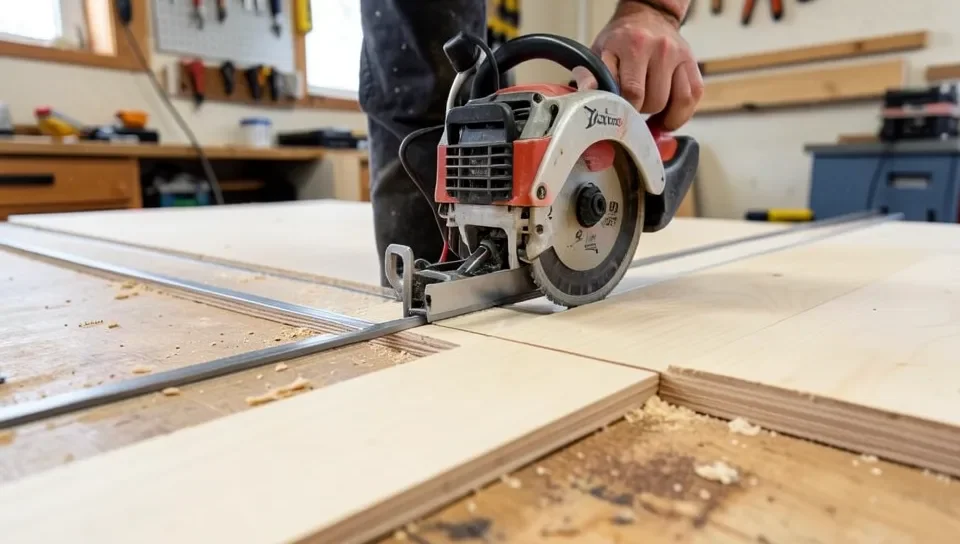
Festool is worth it specifically for two things that have no real equivalent at any price: the track saw system (splinter-free cuts guided by a rail, with genuinely better accuracy than a circular saw and straightedge) and the Domino joiner (a unique loose-tenon joinery tool with no direct competitor). For sanders, drills, and routers where DeWalt, Makita, and Bosch make genuinely capable alternatives at a fraction of the cost, the Festool premium is harder to justify unless dust extraction specifically matters to you.
Where the Premium Is Genuinely Earned
Where the Dust Extraction Premium Shows
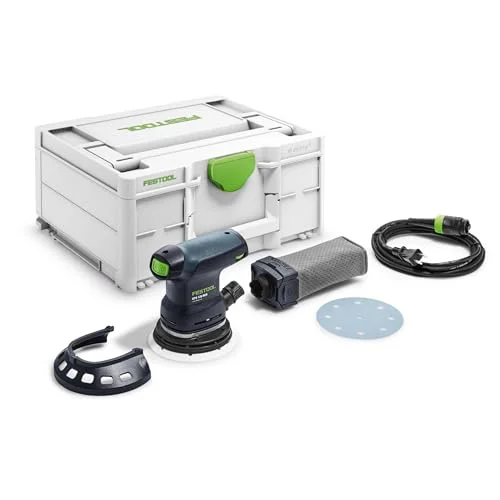 |
Festool ETS 125 REQ-Plus Random Orbital Sander – $299.00 Real, near-total dust extraction when paired with a Festool vacuum — genuinely different from most competitor sanders, at a real price premium.
|
Festool’s dust extraction integration (their sanders, routers, and saws are designed around their own vacuum system, with shrouds and connections engineered specifically for near-complete dust capture) is a real, measurable difference from most competitor tools, which treat dust collection as an afterthought attachment. For anyone doing regular indoor finish work, especially with health concerns around fine dust exposure, this is a genuine functional advantage, not just brand polish.
Where It’s Genuinely Hard to Justify
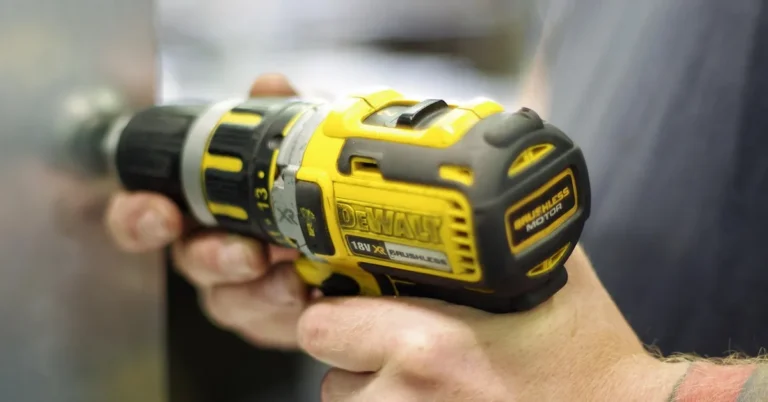
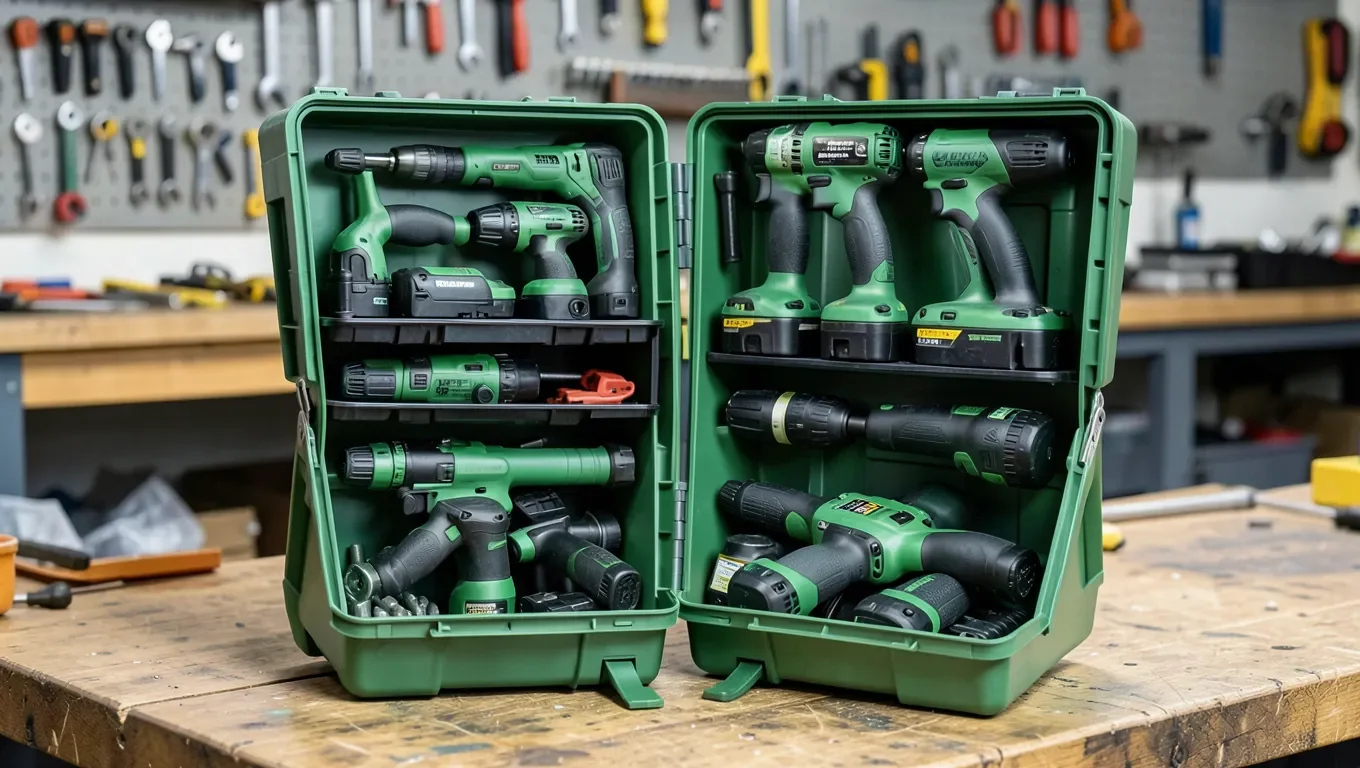
A Festool drill, impact driver, or basic router doesn’t do anything a quality DeWalt, Makita, or Bosch equivalent doesn’t also do well, at roughly a third to half the price — the performance gap on these more commoditized tool categories is real but small, while the price gap is large. If your work doesn’t specifically benefit from the Domino, track saw, or the dust-extraction advantage, that money is better spent on a quality tool from a mainstream brand plus better bits, blades, or jigs.
One Real, Underrated Factor: Resale Value
Festool tools genuinely hold resale value better than most competitors on the used market, which meaningfully offsets the higher upfront cost if you ever sell or upgrade — this is a real, verifiable pattern in used-tool marketplaces, not marketing spin. It doesn’t erase the price gap, but it’s a legitimate factor worth weighing for anyone treating tools as a longer-term investment rather than a one-time purchase.
Frequently Asked Questions
What makes Festool genuinely different, not just more expensive?
The track saw system and Domino joiner have no real direct equivalent from other brands. Their integrated dust extraction is also a genuine, measurable functional advantage over most competitors.
Is a Festool drill or router worth the extra cost?
Usually not. Quality mainstream brands like DeWalt, Makita, and Bosch make comparably capable tools in these categories at a fraction of the price.
Do Festool tools really hold their resale value better?
Yes, genuinely. This is a real, observable pattern in the used-tool market, and it meaningfully offsets the higher upfront cost for anyone who might resell or upgrade later.
Conclusion
Festool is genuinely worth it for the track saw, Domino joiner, and dust extraction — real, functional advantages with no equivalent substitute. For more commoditized tools like drills and routers, a mainstream brand does the job just as well for meaningfully less money.
Sponsored / affiliate links. As an Amazon Associate I earn from qualifying purchases. I may earn additional commission from eligible campaigns.