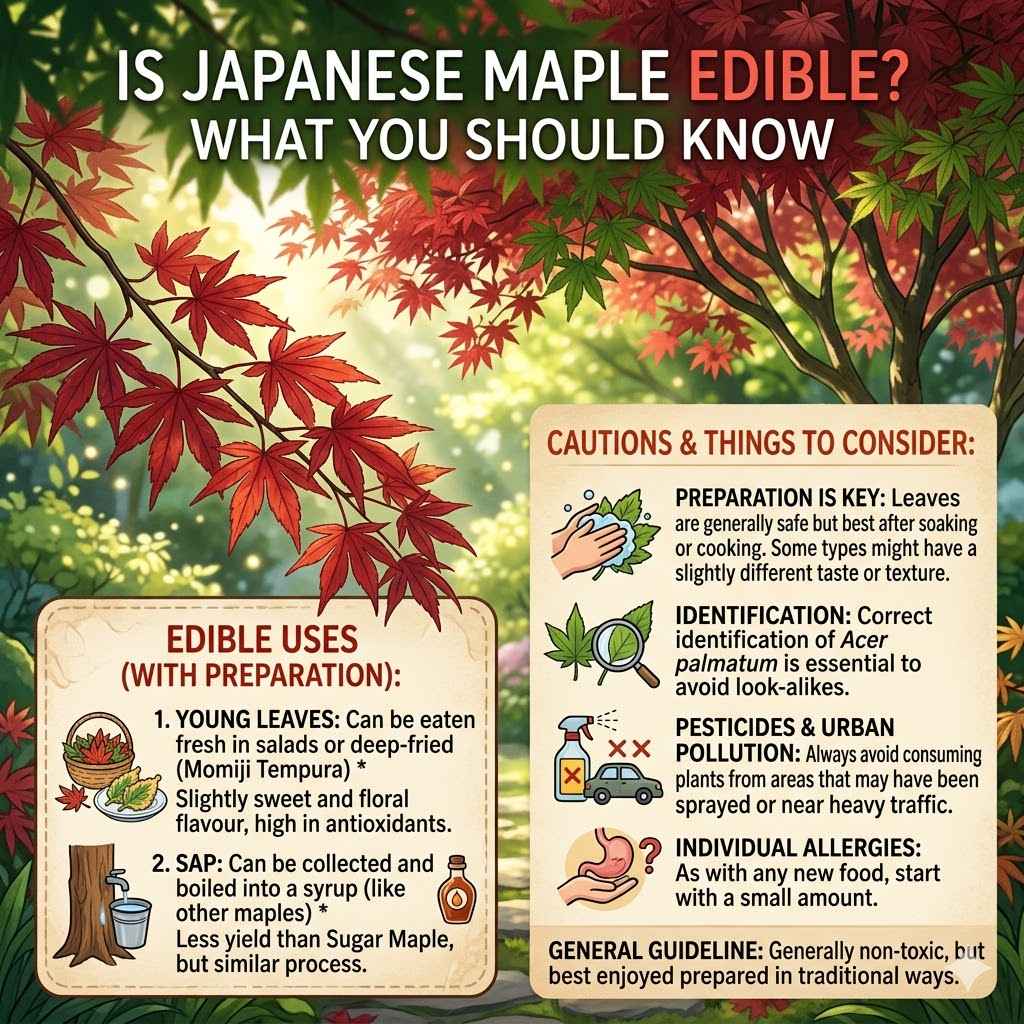
Is Japanese Maple Edible What You Should Know
Many plant lovers wonder, Is Japanese Maple Edible? What You Should Know. It’s a common question, especially when you see these beautiful trees in gardens.
Figuring out if something is safe to eat can be tricky for new gardeners. We’ll make it super simple. We’ll walk you through everything you need to know step-by-step.
Japanese Maple Edibility Myths And Facts
Japanese maples are stunning trees, known for their vibrant leaf colors and delicate shapes. People often admire them for their beauty, planting them in yards and public spaces. Because they are so common, curiosity about their edibility naturally arises.
However, many believe that all parts of these trees are safe for consumption, which is not entirely true.
It is important to separate fact from fiction when it comes to eating plants from your garden. The world of plants holds many surprises, some delightful and some dangerous. We need to be careful and informed.
This section clears up common misunderstandings about eating Japanese maple parts.
- Myth The entire Japanese maple tree is edible. This is a widespread misconception. While some parts of certain maple trees can be used, this does not apply universally to all varieties, especially ornamental ones like many Japanese maples. The concentration of potentially harmful compounds can vary greatly.
- Fact Some parts might be usable but require careful preparation. For some maple species, parts like the inner bark or sap have historical uses. However, these uses are often specific to certain conditions, preparation methods, and species, and are not generally recommended for casual consumption without expert guidance.
- Myth Japanese maple sap is the same as pancake syrup. Maple syrup famously comes from maple sap, but not just any maple sap will do. The sugar content and flavor profile of sap from ornamental maples like Japanese maples are typically very low and not suitable for syrup production.
Understanding these initial points helps set the stage for a more detailed look at what is safe and what is not. It is crucial to be aware that not all beautiful plants are food. This knowledge protects us from making dangerous mistakes.
What Parts Of A Japanese Maple Are Truly Edible
When we talk about Japanese maples (Acer palmatum), the question of edibility often arises. Most sources and experienced foragers agree that many parts of the Japanese maple are not recommended for consumption. This is primarily due to their intended ornamental purpose and potential toxicity, especially in ornamental cultivars.
However, there are nuances. In some traditional contexts, certain maple species have had edible uses, but these are not typically associated with the commonly cultivated Japanese maple varieties. It is essential to differentiate between wild maples used historically and ornamental Japanese maples.
Japanese Maple Sap For Consumption
The idea of tapping a Japanese maple for sap, much like one would tap a sugar maple for syrup, is generally not a practical or advisable endeavor for most Japanese maple varieties. The sugar content in the sap of Japanese maples is significantly lower than that of the maples traditionally used for syrup production, such as the sugar maple (Acer saccharum).
Even if one were to collect the sap, the yield would likely be minimal, and the taste would be less sweet and desirable. Furthermore, the process of tapping can potentially harm the tree, especially if done incorrectly or too aggressively on a specimen that is not suited for it. The focus of Japanese maples is their aesthetic appeal, not their sap production.
- Low Sugar Content Sap from Japanese maples contains very little sugar. This makes the effort to collect it for syrup or sweetening purposes largely unrewarding. It simply does not have the sweetness needed for enjoyable consumption.
- Potential for Harm to the Tree Like any tree, Japanese maples can be injured by tapping. While some maples are resilient, ornamental varieties might be more susceptible to damage and slower to recover from the stress of being tapped.
- Flavor Profile The flavor of Japanese maple sap, if any, is not comparable to the sweet, rich taste of sap from sugar maples. It would likely be watery and bland, making it unsuitable for culinary uses like syrup or candy making.
Therefore, while sap collection is a known practice for some maple trees, it is not a viable or recommended activity for Japanese maples. The effort is significant, the reward is minimal, and there’s a risk of harming the beautiful ornamental tree.
Japanese Maple Leaves And Seeds
The leaves and seeds of Japanese maples are generally not considered edible. While some maple leaves in general have been historically eaten after being cooked or preserved, this practice is typically associated with wild maple species, not the ornamental varieties of Japanese maples commonly found in gardens. The leaves of Japanese maples are often delicate and may contain compounds that are not suitable for human digestion.
Similarly, the seeds, often referred to as samaras or “helicopters,” are not a food source. They are primarily for reproduction and lack the nutritional value or palatability for consumption. Attempting to eat them would likely result in an unpleasant texture and taste, with no known health benefits.
- Leaf Texture and Taste Japanese maple leaves are primarily grown for their visual appeal. They are often thin and can be bitter or unpleasant to taste. Their structure is not conducive to being a palatable food item.
- Seed Dispersal Function The seeds are designed to be carried by the wind to start new trees. They are not developed to be a food source for humans or animals. They are hard and not easily digestible.
- Potential for Unwanted Compounds Ornamental trees are often bred for appearance, and sometimes this can lead to increased levels of certain compounds that might be irritating or toxic if ingested. It is always best to err on the side of caution with ornamental plants.
Focusing on the beauty of these trees and enjoying them visually is their intended purpose. There are many other plants that are specifically cultivated and known to be safe and delicious to eat.
Japanese Maple Bark And Roots
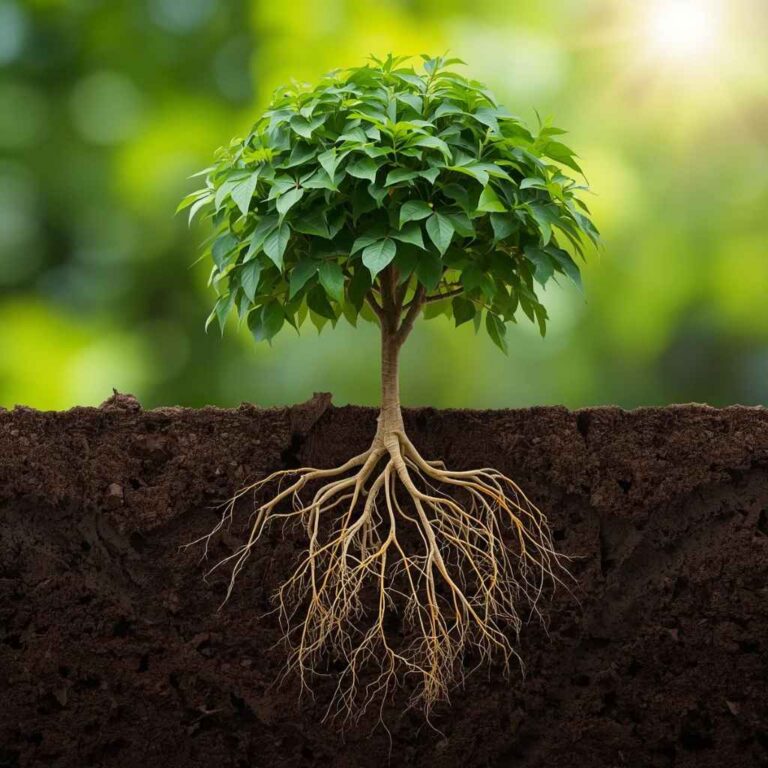
The inner bark and roots of maple trees, in general, have had some historical uses in certain cultures, often as a medicinal or survival food. However, these uses are specific to certain wild maple species and typically involved extensive preparation, such as drying and grinding, to make them palatable and reduce any potential for irritation.
For Japanese maples (Acer palmatum), these parts are not considered edible. Ornamental cultivars are not selected for their edibility, and consuming their bark or roots could be risky. There is a lack of clear documentation regarding the safety and edibility of bark and roots from ornamental Japanese maples.
It is best to avoid them altogether for consumption purposes.
- Historical Uses vs. Modern Cultivars While some native North American maples had traditional uses for their bark, these practices do not translate to ornamental species like Japanese maples, which have been selectively bred for aesthetic qualities.
- Potential for Acidity and Tannins Maple bark, in general, can contain high levels of tannins and other compounds that can be bitter, astringent, and potentially difficult to digest or even mildly toxic if consumed in significant amounts without proper processing.
- Lack of Culinary Value Even if there were no toxicity concerns, the bark and roots of Japanese maples would offer very little in terms of flavor or texture to make them a desirable food source. Their primary role is structural support for the tree.
Given these factors, consuming the bark or roots of a Japanese maple is strongly discouraged. The risks and lack of reward make it an inadvisable practice.
Safety Concerns And Potential Risks
When considering the edibility of any plant, safety is the top priority. Japanese maples, while beautiful, are primarily ornamental plants, and their parts are not generally recognized as food sources for humans. This means there’s a significant lack of research and testing regarding their safety for consumption.
Even plants that are generally safe can sometimes cause adverse reactions in certain individuals. With ornamental plants like Japanese maples, the risk is amplified because they are not cultivated for consumption. We need to understand these risks to make informed decisions about our health and well-being.
Toxicity Of Ornamental Maple Varieties
Ornamental maple varieties, including Japanese maples, are often cultivated for their striking foliage, unique growth habits, and overall aesthetic appeal. This selective breeding process sometimes results in changes to the plant’s chemical composition. These changes might not be thoroughly studied for their impact on human consumption.
While not all ornamental plants are toxic, the general rule is to be cautious. There’s a possibility that Japanese maples may contain compounds that could be irritating or even harmful if ingested. This is especially true for parts of the plant that are not typically considered edible in any maple species.
- Unstudied Chemical Compounds The specific chemical makeup of ornamental Japanese maples has not been extensively researched for edibility. This leaves a gap in our knowledge regarding potential toxins or irritants.
- Concentration Varies By Cultivar Different cultivars of Japanese maples have been developed, and the levels of any potentially harmful compounds could vary significantly between them. What might be present in one type could be absent or more concentrated in another.
- Digestive Upset Potential Even if not strictly poisonous, ingestion of parts of ornamental plants can lead to digestive upset, nausea, or vomiting due to their unsuitability for the human digestive system.
It is always wise to assume that ornamental plants are not for eating unless there is clear, verifiable evidence to the contrary from reliable sources.
Allergic Reactions And Individual Sensitivities
Beyond inherent toxicity, individual sensitivities play a crucial role in plant edibility. Even plants commonly considered safe can cause allergic reactions in some people. For plants not typically eaten, like Japanese maples, the risk of an unknown sensitivity is even higher.
If someone were to ingest parts of a Japanese maple, they might experience symptoms ranging from mild skin irritation to more severe allergic responses. It is important to remember that our bodies react differently to various substances.
- Common Symptoms of Allergic Reactions Allergic reactions can manifest in various ways, including itching, redness, swelling, hives, or respiratory issues. Ingestion could also lead to stomach discomfort, nausea, or vomiting.
- Cross-Reactivity Possibilities Individuals with allergies to other plants in the Sapindaceae family (which includes maples) might be more prone to reacting to Japanese maple parts.
- Importance of Patch Testing (with extreme caution) While not recommended for Japanese maples, in general foraging, a small patch test on the skin or a tiny taste followed by waiting can sometimes reveal sensitivities. However, due to the unknown nature of Japanese maple compounds, this is strongly discouraged for this specific plant.
The best approach is to avoid ingesting any part of a Japanese maple to prevent any potential allergic reactions or sensitivities.
Comparison of Edible vs. Ornamental Maple Varieties
Understanding the difference between maple trees cultivated for edible products and those grown for ornamental purposes is key. Sugar maples (Acer saccharum) and red maples (Acer rubrum) are well-known for their sap, which is used to make maple syrup. These species have been selected and managed over centuries for their high sugar content.
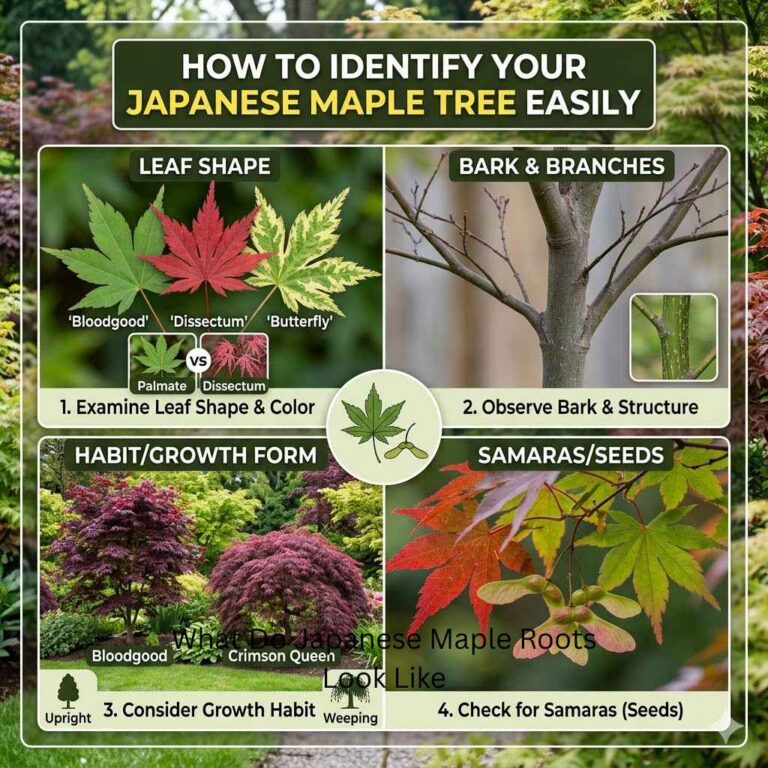
Japanese maples (Acer palmatum), on the other hand, are prized for their intricate leaf shapes, vibrant fall colors, and delicate branching patterns. Their genetics have been steered towards visual appeal, not culinary use. Therefore, their sap has low sugar content, and other parts are not considered safe for consumption.
| Characteristic | Edible Maple Varieties (e.g., Sugar Maple) | Ornamental Maple Varieties (e.g., Japanese Maple) |
|---|---|---|
| Primary Use | Sap for syrup production | Landscape beauty, ornamental value |
| Sap Sugar Content | High (suitable for syrup) | Very low (not suitable for syrup) |
| Edible Parts | Sap is the primary edible part; historical use of inner bark in some species. | Generally not considered edible; parts are not intended for consumption. |
| Breeding Focus | High sugar yield and flavor in sap. | Leaf shape, color, tree form, and size. |
| Safety for Consumption | Sap is safe and widely consumed. | Parts are generally not recommended for consumption due to unknown compounds and lack of culinary tradition. |
This table clearly illustrates the distinct purposes and characteristics of these maple types. It highlights why one is associated with edible products and the other is not.
Historical And Cultural Perspectives On Maple Edibility
Maple trees have a long and rich history of interaction with humans, particularly in North America, where indigenous peoples developed methods for harvesting maple sap. This tradition forms the basis of modern maple syrup production. However, these historical uses were specific to certain maple species and regions.
It’s important to note that these traditional practices do not automatically extend to all maple trees, especially those that have been cultivated for different purposes, like the ornamental Japanese maple.
Indigenous Uses Of Maple Trees
Indigenous peoples across North America have a deep connection with maple trees, primarily the sugar maple, red maple, and black maple. They discovered that by tapping these trees in late winter and early spring, they could collect sap with a high sugar content.
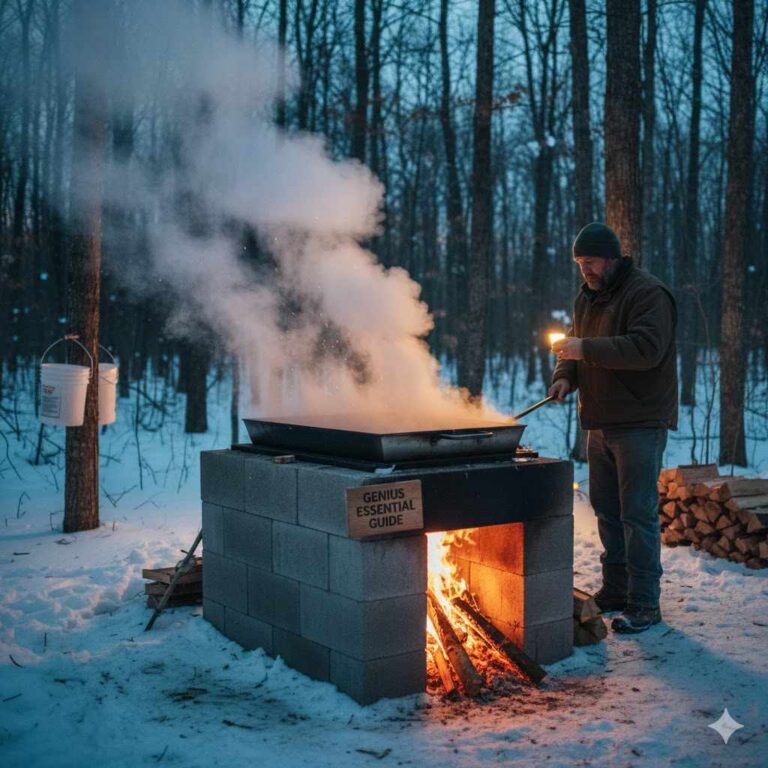
This sap was a valuable source of sweetness and calories. The process of boiling down the sap to create syrup or sugar was a crucial skill, often involving techniques passed down through generations. Some tribes also used other parts of maple trees, such as the inner bark, for medicinal purposes or as a survival food in times of scarcity.
However, these uses were specific to wild species and involved careful preparation.
- Sap Harvesting Techniques Indigenous peoples developed methods for making precise cuts into the tree’s bark and inserting spouts, often made from wood or bone, to direct the flow of sap into collection vessels made from bark or animal hides.
- Boiling and Sugar Making The thin sap was then boiled in large containers, often heated by dropping hot stones into the liquid, to evaporate the water and concentrate the sugars into a thick syrup or even crystallize into maple sugar.
- Medicinal and Survival Uses In some cases, the inner bark of certain maple species was used to treat wounds or digestive issues. This was a testament to their extensive knowledge of plant properties, often involving complex preparation to ensure safety and efficacy.
These practices highlight a profound understanding of the natural world and the resources it provided, but they were specific to the maple species available in those regions and their particular properties.
Maple Syrup Production Today
Modern maple syrup production still relies on the principles discovered and refined by indigenous peoples. The process involves tapping maple trees, collecting the sap, and boiling it down to concentrate the sugars. However, today’s operations often use more advanced technology.
Commercial operations use plastic tubing systems called “taps” or “spouts” to collect sap from many trees and channel it to a central collection point. Reverse osmosis machines are also sometimes used to remove some of the water from the sap before boiling, significantly reducing the time and energy required for evaporation.
- Technological Advancements While the core concept remains the same, modern techniques have made sap collection more efficient. Plastic tubing networks can extend for miles, bringing sap from numerous trees to a collection tank.
- Efficiency in Boiling Boiling is still the essential step for concentrating the sap. Modern sugarhouses are equipped with large, efficient evaporators that can process vast amounts of sap quickly, transforming it into delicious syrup.
- Quality Control and Grading Today’s maple syrup is graded based on color and flavor. This grading system helps consumers choose the syrup that best suits their preferences, from delicate lighter grades to robust darker ones.
The enduring popularity of maple syrup speaks to the quality and unique flavor derived from maple sap, a tradition rooted in centuries of human interaction with these trees.
Why Japanese Maples Are Different
The key difference lies in the purpose for which Japanese maples have been cultivated. They are grown for their ornamental qualities – their uniquely shaped and colored leaves, their graceful branching, and their overall aesthetic appeal in gardens and landscapes. This selective breeding process has focused on visual characteristics, not on the chemical composition of their sap or other parts for edibility.
In contrast, trees like the sugar maple have been bred for centuries specifically for their high sugar content in the sap. This genetic distinction is why one can be a source of syrup, while the other is primarily appreciated for its beauty. There is no cultural or historical tradition of eating Japanese maples because they were not selected for that purpose, and their properties do not lend themselves to it.
- Selective Breeding For Aesthetics Japanese maples were developed and refined over centuries by horticulturists who prioritized leaf form, color, and overall tree structure. This breeding trajectory was entirely separate from any consideration of edibility.
- Lack of Sugars in Sap The sap of Japanese maples contains significantly less sugar compared to traditional syrup-producing maples. The effort to extract and process it would be unfeasible and yield a product with little to no sweetness.
- No Traditional Edible Use Documentation Unlike many wild plants that have documented historical uses by indigenous peoples or traditional cultures, there is no widespread or recognized history of Japanese maples being used as a food source in any culture.
Therefore, while all maples belong to the same genus, their specific cultivation and genetic makeup make them suited for very different purposes. Japanese maples excel as ornamental plants, not as food sources.
Alternatives For Edible Plants And Gardening
If you’re interested in incorporating edible plants into your garden, there are many wonderful and readily available options. Focusing on plants specifically cultivated for food ensures you’re getting the best flavor, nutrition, and safety. Japanese maples are best enjoyed for their visual appeal, leaving the culinary adventures to other plants.
Exploring the world of edible gardening can be incredibly rewarding. You can grow your own fresh produce, herbs, and fruits, adding both beauty and deliciousness to your life. Let’s look at some fantastic alternatives.
Fruit Trees For Your Garden
Fruit trees are a fantastic addition to any garden, providing delicious harvests and beautiful blooms. They offer a direct way to enjoy the fruits of your labor, quite literally.
Consider trees like apple, pear, cherry, plum, or peach trees. These varieties have been cultivated for centuries, ensuring good yields and excellent flavor. Many are also relatively easy to care for once established and can adapt to various climates.
- Apple Trees Offer a wide variety of apples for eating fresh, baking, or making sauces. They are hardy and well-suited to temperate climates.
- Cherry Trees Provide sweet or tart cherries that are perfect for snacking, pies, and jams. Many varieties are also attractive ornamental trees in their own right.
- Citrus Trees Such as lemon, lime, or orange trees, can be grown in pots in cooler climates and brought indoors during winter, offering fragrant blossoms and zesty fruits.
Planting fruit trees is an investment that pays off year after year with delicious, healthy food.
Vegetable Gardening Basics
Starting a vegetable garden is a great way to grow your own food. It does not require a lot of space, and you can begin with simple plants that are easy to grow and harvest.
Popular choices for beginners include leafy greens like lettuce and spinach, root vegetables such as carrots and radishes, and easy-to-manage plants like tomatoes and zucchini. These vegetables grow relatively quickly and provide a satisfying harvest.
- Leafy Greens Lettuce, spinach, kale, and swiss chard are fast-growing and can often be harvested multiple times throughout the season. They are also packed with nutrients.
- Root Vegetables Carrots, radishes, beets, and potatoes are grown for their edible roots or tubers. They are generally hardy and can tolerate cooler weather.
- Fruiting Vegetables Tomatoes, peppers, cucumbers, and squash are popular for their versatility in cooking and their satisfying yields. Many of these thrive in warmer weather.
With a little sunlight, water, and soil, you can enjoy fresh vegetables straight from your garden.
Herbs For Culinary Use
Herbs are incredibly versatile and can transform simple dishes into gourmet meals. They are also relatively easy to grow, even in small spaces or containers, making them perfect for any gardener.
Common culinary herbs like basil, mint, parsley, thyme, and rosemary add wonderful flavor and aroma to your cooking. They can be grown in pots on a windowsill, a balcony, or directly in your garden beds.
- Basil Adds a sweet, peppery flavor to Italian dishes, sauces, and pesto. It loves warm weather and full sun.
- Mint Offers a refreshing flavor that is great in teas, desserts, and drinks. Be aware that mint can spread aggressively, so growing it in a container is often best.
- Rosemary Provides a pine-like aroma and flavor that complements roasted meats, vegetables, and breads. It prefers well-drained soil and plenty of sun.
Growing your own herbs means you always have fresh flavor at your fingertips, enhancing your meals and reducing your grocery bill.
Growing Maple Saplings For Syrup (For Enthusiasts)
For those truly dedicated to the art of maple syrup, growing specific maple saplings with the intention of future syrup production is a long-term project. This involves selecting the right species and having patience.
The most suitable trees for syrup are sugar maples (Acer saccharum). If you are considering this, you would need to plant saplings and wait many years, typically 30-40, for them to mature enough to be tapped without causing significant harm. This is a commitment, but it’s the correct way to approach syrup production from your own trees.
- Species Selection is Crucial Only certain maple species, primarily sugar maples, have the high sugar concentration in their sap necessary for efficient syrup production. Other maples, including Japanese maples, do not possess this trait.
- Long-Term Patience Required Maple trees take a very long time to reach maturity. Planting a sapling today means you likely won’t be able to tap it for syrup for several decades. It is a generational project.
- Proper Tapping Techniques When the trees are mature, using the correct tapping techniques is essential to maximize sap yield while minimizing stress on the tree. This involves using appropriate drill bit sizes and avoiding over-tapping.
This approach is for the serious hobbyist or future syrup producer, focusing on the scientifically validated species for this purpose.
Frequently Asked Questions
Question: Can I eat the leaves of a Japanese maple?
Answer: No, the leaves of a Japanese maple are generally not considered edible. While some maple leaves from wild species have historical uses, ornamental Japanese maples are not known to be safe for consumption, and their leaves may contain compounds that could cause digestive upset.
Question: Is Japanese maple sap safe to drink?
Answer: Japanese maple sap has a very low sugar content and is not palatable for drinking or making syrup. While it is unlikely to be acutely toxic, it is not a traditional food source and offers no nutritional benefit. It is best to avoid consuming it.
Question: Are the seeds of a Japanese maple edible?
Answer: The seeds of a Japanese maple, like those of most maple trees, are not considered edible. They are primarily for reproduction and do not have a palatable taste or nutritional value for humans.
Question: What are the risks of eating parts of a Japanese maple?
Answer: The risks include potential digestive upset, nausea, vomiting, or allergic reactions, as ornamental varieties are not tested for edibility. There might be unstudied chemical compounds that could be harmful.
Question: What are good edible plants to grow instead of Japanese maple?
Answer: Great edible plants to grow include fruit trees like apples and cherries, vegetables such as tomatoes and lettuce, and culinary herbs like basil and mint. These are specifically cultivated for safe and delicious consumption.
Summary
In summary, the question “Is Japanese Maple Edible? What You Should Know” leads to a clear answer: no, Japanese maples are not edible. Their beautiful leaves, sap, seeds, bark, and roots are not meant for human consumption.
Focusing on their ornamental value is best. Explore other plants for your edible garden.