Are Cedar Berries Edible? Discover Their Health Benefits
Yes, most “cedar berries” are edible – but the name itself is misleading. True cedars (the Cedrus genus – Lebanon cedar, deodar cedar, Atlas cedar) don’t produce berries at all; they produce woody cones. What people call “cedar berries” almost always come from junipers (Juniperus species), which share the common name “cedar” in North America even though they’re a different genus in the same cypress family. The most commonly eaten kind, from Eastern Red Cedar (Juniperus virginiana), is the same berry that flavors gin. A few juniper species are genuinely unsafe to eat, so the real question isn’t “are cedar berries edible” in general – it’s which tree you’re actually looking at.
Why “Cedar Berries” Isn’t What It Sounds Like
Botanically, a “berry” from a cedar or juniper isn’t a true berry either – it’s a fleshy, fused cone scale that looks and feels like a berry. Junipers are conifers, and what you’re picking is technically a female seed cone that stays soft instead of turning woody. This matters practically: the tree most people mean when they say “cedar tree with berries” is Eastern Red Cedar, a juniper, not a true cedar – and getting that identification right is the first step to eating them safely.
Best For Confirming What You Actually Found
 |
Sam Thayer’s Field Guide to Edible Wild Plants – $28.05 Since misidentifying a juniper species is the actual risk with “cedar berries,” a real field guide with photos and range maps is worth more than a single article for confirming what’s growing near you.
|
Which Species Are Safe — And Which Aren’t
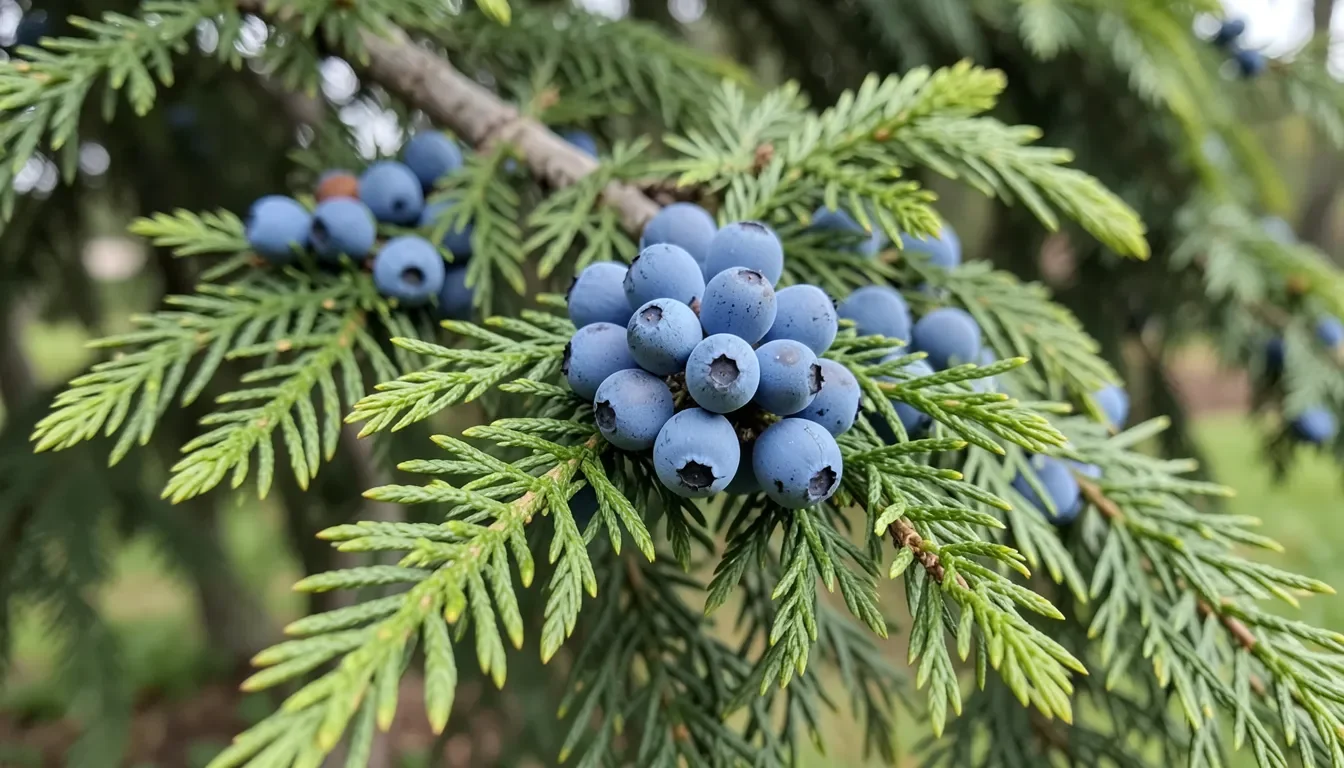
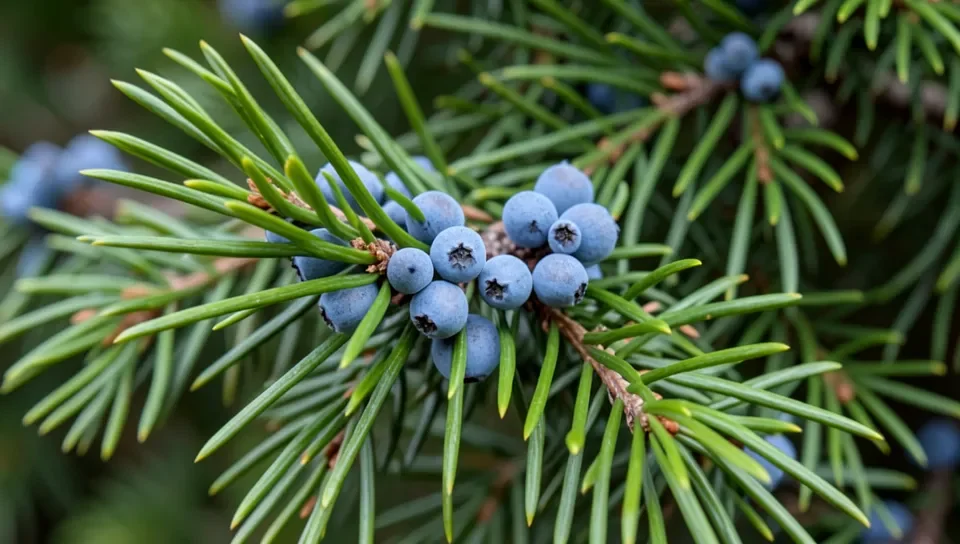
Eastern Red Cedar (Juniperus virginiana) and Common Juniper (Juniperus communis, the species used commercially for gin) are the two most widely eaten. Their berries are bluish-purple with a whitish waxy coating, sharply resinous and bitter raw, and are almost always used dried and crushed rather than eaten fresh in quantity.
Savin Juniper (Juniperus sabina) is the species actually worth avoiding by name – it’s toxic and was historically misused as an abortifacient, and it’s the specific plant behind most “some cedar berries are poisonous” warnings, not a vague “Western cedar.” It’s an ornamental shrub juniper rather than a tall tree, which is one visual clue, but the safest approach is always the same: confirm the exact species before eating any wild juniper berry, and when in doubt, don’t.
Who Should Avoid Them
Pregnant women should avoid juniper berries in any medicinal or concentrated form – traditional use of juniper as a uterine stimulant is well documented, even for the generally-safe species. Eating a large quantity at once, rather than the small amounts used as a spice, can also irritate the kidneys; juniper’s volatile oils are processed through the kidneys and have been linked to irritation in excess. Normal culinary use – a few crushed berries in a marinade or brine – is not the same exposure level as eating a handful raw, and this distinction is where most of the “how much is safe” confusion actually comes from.
Culinary Uses
Dried and crushed juniper berries are a classic pairing with game meats – venison, duck, wild boar – where their resinous, piney bitterness cuts through fat the same way it does in gin, which is flavored with the same berry. They’re also traditional in sauerkraut and some European braises. Because the flavor is intense, recipes typically call for whole crushed berries by the handful for a large batch, not a measured spice-jar quantity – start with fewer than you think you need.
| Species | Common Name | Edible? | Notes |
|---|---|---|---|
| Juniperus virginiana | Eastern Red Cedar | Yes | Most commonly foraged/eaten variety |
| Juniperus communis | Common Juniper | Yes | Commercial gin-flavoring species |
| Juniperus sabina | Savin Juniper | No – toxic | Ornamental shrub, historically misused medicinally |
| Cedrus spp. | True cedars | N/A | Don’t produce berries at all – produce cones |
Foraging and Drying
Look for scale-like or needle-like blue-green foliage, reddish-brown peeling bark, and clusters of round, waxy blue-gray berries roughly the size of a small pea. Harvest in fall when the berries have fully ripened to their blue color – green, unripe berries are more bitter and less aromatic. Take only what you need from any one tree and leave the rest for wildlife, which relies on these berries as a winter food source.
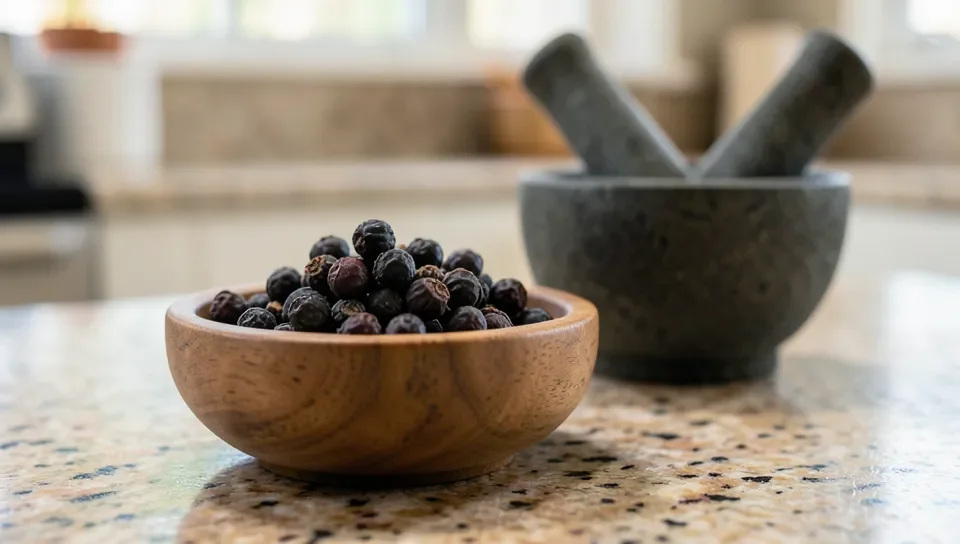
To dry them, spread the berries in a single layer on a tray in a cool, dry, well-ventilated spot out of direct sun; they typically take one to two weeks to dry fully depending on humidity. Once dry and shriveled, store them in an airtight container away from light – dried, they’ll keep their flavor for a year or more.
Conclusion
Most “cedar berries” – really juniper berries, most often from Eastern Red Cedar – are edible and have a long history as both food and flavoring. The real safety question is identification, not general toxicity: confirm you’re looking at an edible species rather than Savin Juniper, use them in normal culinary (not medicinal) quantities, and skip them entirely if you’re pregnant. Get the species right, and the rest is just a strong, piney spice worth having in the kitchen.
Frequently Asked Questions
Are cedar berries safe to eat?
Most are, once correctly identified – Eastern Red Cedar and Common Juniper berries are the two commonly eaten kinds. Savin Juniper is the toxic exception, so confirming the species matters more than a general yes/no answer.
What do cedar berries taste like?
Sharply resinous, piney, and bitter raw – the same flavor profile that flavors gin, since gin is made with Common Juniper berries. They’re almost always used dried and crushed rather than eaten fresh.
Can cedar berries be toxic?
Savin Juniper (Juniperus sabina) is toxic and should never be eaten. Even edible species should be used in normal culinary amounts, not eaten by the handful, and avoided entirely during pregnancy.
How can you use cedar berries?
Dried and crushed as a spice for game meats, sauerkraut, and braises, or steeped for tea – the same berry used to flavor gin works the same way in savory cooking.
Sponsored / affiliate links. As an Amazon Associate I earn from qualifying purchases. I may earn additional commission from eligible campaigns.