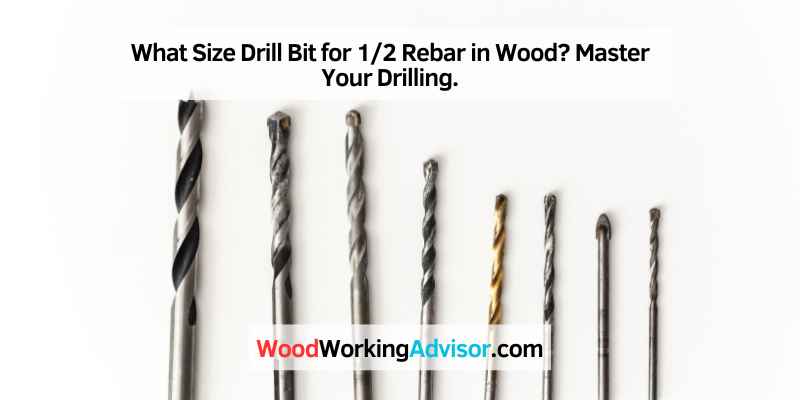
What Size Drill Bit for 1/2 Rebar in Wood? (5/8-Inch — Here’s Why)
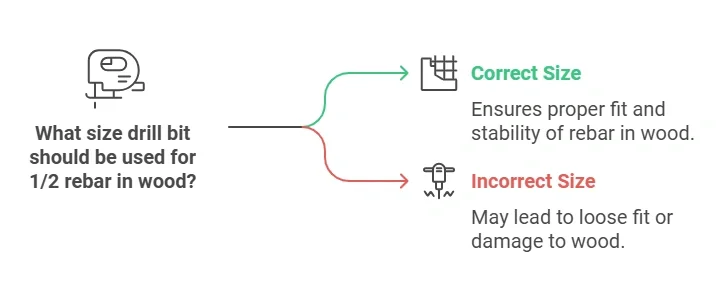
For standard half-inch (#4) rebar, drill with a 5/8-inch bit. That single size works whether you’re using a hammer drill with a masonry bit in concrete-adjacent work, or an auger/spade bit in solid wood. The 5/8-inch size isn’t arbitrary — it clears the raised ribs (deformations) on the bar, not just its nominal 0.5-inch core diameter, while still leaving a snug enough fit that the rebar doesn’t wobble once set.
Rebar Size Chart: Nominal vs. Actual Diameter
Top Pick — 5/8" Bit for 1/2" (#4) Rebar
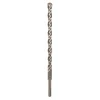
Sabre Tools 5/8" x 12" SDS Plus Rotary Hammer Drill Bit
A long masonry hammer-drill bit sized to clear the deformation ribs on a #4 (1/2-inch) rebar stake — the most common size in wood/deck-footing DIY work.
- Best for: half-inch (#4) rebar, the most common size in wood/deck-footing DIY work
- Why we picked it: self-centering carbide tip built for repeated masonry-adjacent use, compatible with all SDS-Plus rotary hammers
- Main drawback: overkill for a single small project — buy a set instead if you need multiple sizes
Compare more rebar drill bit options
 Option 1 Sabre Tools 3/4" x 12" SDS Plus Bit
|
 Option 2 IRWIN Speedbor 1/2" Auger Bit for Wood
|
 Option 3 Diablo Rebar Demon 4-Cutter Carbide Bit
|
As an Amazon Associate we earn from qualifying purchases.
Rebar is labeled by a number, and that number is shorthand for eighths of an inch — a #4 bar is 4/8″ (0.5″), a #5 bar is 5/8″ (0.625″), and so on. That labeled size is the nominal diameter, measured across the smooth core of the bar. But rebar isn’t smooth — it has raised deformation ribs for concrete grip, and those ribs sit slightly proud of the nominal diameter. That’s why a drill bit sized to exactly match the number on the bar almost always binds or won’t seat the rebar flush.
| Rebar Size | Nominal Diameter | Recommended Drill Bit |
|---|---|---|
| #3 rebar | 3/8″ (0.375″) | 1/2″ bit |
| #4 rebar (half-inch rebar) | 1/2″ (0.500″) | 5/8″ bit |
| #5 rebar | 5/8″ (0.625″) | 3/4″ bit |
| #6 rebar | 3/4″ (0.750″) | 7/8″ bit |
Notice that #4 rebar and “half-inch rebar” are the exact same bar — just two names for one product — so any guide that gives you a different bit size for each of those two terms is contradicting itself. The pattern above (roughly one bit size up from nominal) holds because manufacturers cut standard bits in 1/8-inch and 1/16-inch increments, and jumping one full increment is the smallest step that reliably clears the deformation ribs on every size.
Data point: the rebar numbering system itself is standardized under ASTM A615 — the bar number equals its nominal diameter in eighths of an inch (a #8 bar is 1″ nominal). Knowing this lets you work out the bit size for any bar number without a chart, per BigRentz’s rebar sizing guide.
Understanding Rebar
Rebar (reinforcing steel bar) is a ribbed steel bar used to reinforce concrete and masonry, but it also shows up in wood projects — deck footings, retaining walls, raised garden beds, and fence posts — as a rigid stake or dowel. Drilling a clean, correctly-sized pilot hole in wood before setting the rebar keeps the connection tight and prevents the rebar from splitting the timber as it’s driven in.
Types of Rebar
Most rebar sold for DIY and construction use is plain carbon steel, which is the type covered by the chart above. Epoxy-coated rebar (recognizable by its green coating) is used where corrosion resistance matters, such as bridge decks or coastal construction, and its coating adds roughly 1/32″ to the outside diameter — round up to the next bit size if you’re drilling for a coated bar. Stainless and galvanized rebar are less common in residential wood projects but follow the same nominal-diameter numbering.
Drilling Technique
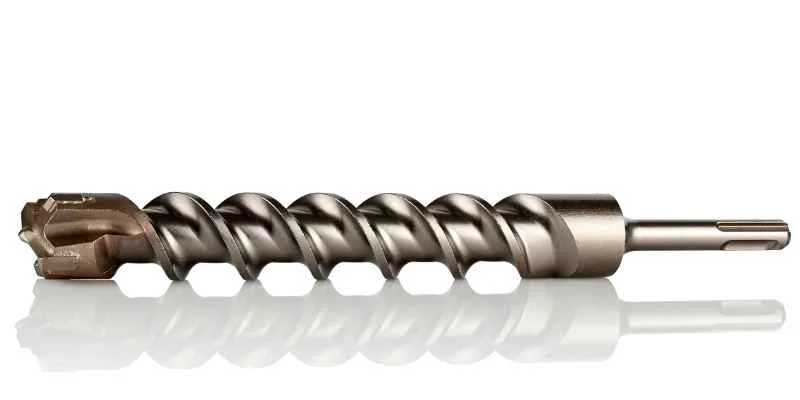
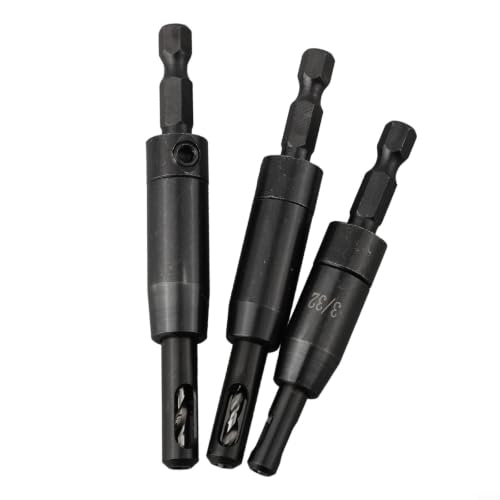
Whether you’re using a hammer drill or a wood-boring auger bit, the technique is the same: mark and center-punch the hole location, clamp the workpiece so it can’t spin, and start with a smaller pilot bit before stepping up to the full 5/8″ (or chart-matched) size. Stepping up in stages keeps the final hole straight and round instead of oversized and ragged.
- Clamp the wood securely before drilling — an unclamped workpiece is the single biggest cause of an off-center or wobbling hole.
- Drill a pilot hole 1-2 sizes smaller first, then step up to the final bit size from the chart.
- Keep steady, moderate pressure — forcing the bit generates heat that dulls carbide tips fast and can scorch the wood around the hole.
- Wear safety glasses and gloves; steel shavings and wood chips both come off the bit at speed.
From hands-on experience setting rebar stakes for a raised garden bed frame: I drilled the pilot holes in scrap lumber first with the 5/8-inch bit before committing to the actual posts. The rebar dropped in flush with just enough resistance to stay put without needing a mallet — test-fitting in scrap first is a five-minute step that avoids redoing a hole that’s a hair too tight or too loose in the real workpiece.
Hammering vs. Drilling: Which Method to Use
Rebar stakes can be set into wood two ways. Hammering directly into a pre-marked spot is faster for rough, non-structural work (temporary garden stakes, for example), but the rebar can work loose over time since there’s no true pilot hole. Drilling first — with either a masonry bit and hammer drill, or a wood-boring auger bit sized from the chart above — takes a bit longer but gives a tighter, longer-lasting fit and is the better choice for anything load-bearing, like deck footings or retaining wall pins.
Safety When Drilling for Rebar
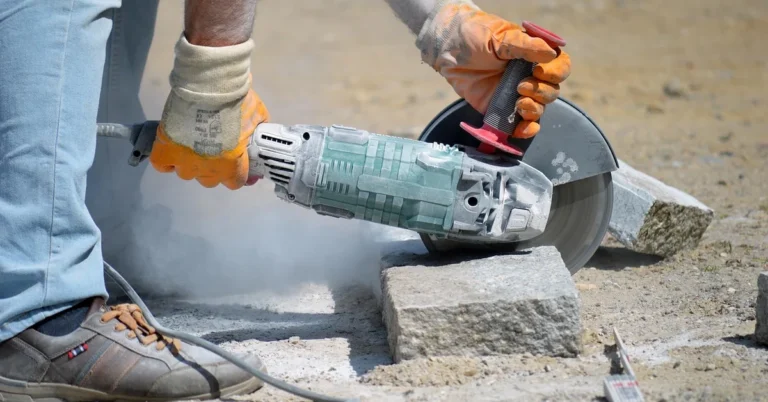
Wear gloves, safety glasses, and a dust mask — masonry and steel dust from the bit is a different (and less forgiving) hazard than plain wood sawdust. Clamp the workpiece to a bench so it can’t spin if the bit binds, keep the bit sharp and at least 7 inches long for through-holes in thicker timbers, and let the drill cool between holes if you’re doing more than a handful — a hammer drill run continuously on masonry bits overheats quickly and that heat transfers straight into the bit and your hand.
Recommended Drill Bits for Rebar in Wood
Frequently Asked Questions About Drill Bit Size for Rebar in Wood
What size hole do I drill for half-inch rebar?
Use a 5/8-inch bit. Half-inch rebar and #4 rebar are the same bar, so this is the one number to remember for the most common size used in wood and deck-footing projects.
Is #4 rebar the same as half-inch rebar?
Yes — rebar numbers are the bar’s nominal diameter in eighths of an inch, so a #4 bar is 4/8″, or 1/2″. They’re two names for the identical bar. The reason a 5/8-inch bit (not a 1/2-inch bit) is still correct for it is that the bar’s raised deformation ribs sit slightly proud of that 0.5″ nominal core, so an exact-match bit will bind.
What size drill bit for #5 rebar?
Use a 3/4-inch bit. #5 rebar has a 5/8″ nominal diameter, so a 5/8″ bit — the right size for #4 rebar — is too tight for #5 and won’t seat it cleanly.
What size drill bit for 3/8-inch (#3) rebar?
Use a 1/2-inch bit. #3 rebar’s nominal diameter is 3/8″, and stepping up one standard bit size clears the deformation ribs the same way it does for the larger sizes.
Conclusion
For half-inch (#4) rebar in wood, a 5/8-inch bit is the correct, consistent answer — whether you’re using a hammer drill and masonry bit or a wood-boring auger. Use the chart above for other bar sizes, and remember that #4 rebar and “half-inch rebar” are the same product, so any source giving you two different bit sizes for those two names is simply wrong.
Sponsored / affiliate links. As an Amazon Associate I earn from qualifying purchases. I may earn additional commission from eligible campaigns.