Is Peach Wood a Hardwood?
Peach wood is a true hardwood — it comes from an angiosperm (flowering) tree, not a conifer — but it ranks well below oak or maple in density and hardness. That status doesn’t guarantee toughness: peach lumber is notorious for cracking as it dries, and its short, crooked trunks keep it out of commercial lumber yards. This guide covers how peach wood compares to oak and maple, why it splits so easily, and the projects it actually excels at.
Insert your Affiliate Disclosure reusable block here.
Is Peach Wood Actually a Hardwood?
Best End Grain Sealer Pick

ANCHORSEAL 2 Log & Lumber End Grain Sealer, 1 Quart – $28.45
The exact type of product this guide recommends brushing onto freshly cut peach wood ends within hours of cutting to slow the moisture loss that causes checking and splits.
- Best for: sealing fresh-cut peach logs and turning blanks before drying
- Why we picked it: the most widely used brand among woodturners for preventing end-grain cracking
- Main drawback: a full quart is more than most hobbyists need for a single log
Compare more peach wood drying & finishing options
 Option 1 End Grain Sealer Clear 32oz – $24.95
|
 Option 2 DeckWise Ipe Seal, 16oz – $34.95
|
 Option 3 Howard Food-Grade Beeswax Wax – $20.04
|
As an Amazon Associate we earn from qualifying purchases.
Peach wood is a hardwood because it comes from Prunus persica, a broad-leaved, seed-bearing (angiosperm) tree — the botanical group that defines hardwoods. Hardwood status is decided by how a tree reproduces and how its wood cells are structured, not by how hard the wood actually feels. Peach falls firmly into that category even though it’s softer to the touch than woods people usually picture when they hear “hardwood.”
That distinction trips a lot of people up. For a full breakdown of which species land in the hardwood, softwood, and engineered categories, see our complete types of wood guide.
📊 Hardwood classification is about botany, not hardness. Balsa — one of the softest woods on earth — is officially a hardwood, while yew, which is harder than most oak, is classified as a softwood. — Source: Wikipedia, Hardwood
How Does Peach Wood’s Density Compare to Oak, Maple, and Mahogany?
Peach wood sits well below oak, maple, and mahogany on the density and hardness scale. No major wood-hardness database lists a standard Janka rating for peach specifically — the trees are too small and inconsistent for the kind of testing that produces those numbers — but turners and furniture makers who’ve worked with it consistently place it noticeably below all three of the woods it gets compared to most.
| Wood Species | Janka Hardness | Vs. Peach Wood |
|---|---|---|
| Peach | No standard rating listed | Baseline — lightest of this group |
| Honduran Mahogany | 900 lbf | Denser, though closest in weight |
| Red Oak | 1,220 lbf | Noticeably denser and harder |
| Sugar Maple | 1,450 lbf | Significantly denser and harder |
Janka hardness figures (side grain, 12% moisture content) via The Wood Database.
Why Does Peach Wood Crack So Easily While Drying?
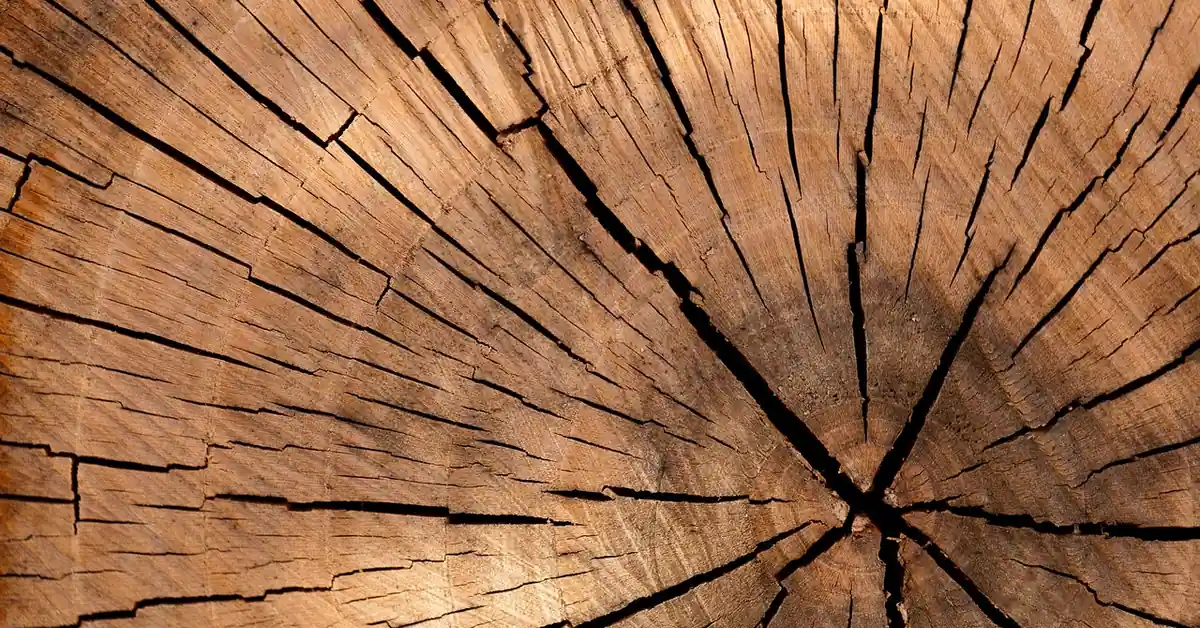
Peach wood has a high sap and moisture content when freshly cut, and it loses that moisture unevenly — the ends dry faster than the core, and the stress between the two causes checking and splits. This is the single biggest complaint woodturners have about the species, and it’s the main reason so little of it ends up in finished furniture.
- Seal the ends immediately: Coat freshly cut ends with paraffin wax, shellac, or a commercial end-grain sealer within hours of cutting to slow moisture loss at the most vulnerable surface.
- Split down the pith: Cutting a log lengthwise through the center gives trapped moisture more surface area to escape evenly, instead of fighting its way out through the ends alone.
- Dry slowly, away from heat: Store cut pieces in an unheated space and check them every few months — a heat source or direct sun speeds up cracking rather than preventing it.
📊 Rule of thumb: about one year of air-drying time per inch of thickness. A 4-inch peach log needs roughly four years to dry safely enough to work. — Source: American Association of Woodturners forum
Why Is Peach Wood Rarely Sold as Commercial Lumber?
Peach trees rarely grow large enough, straight enough, or tall enough to yield usable boards. Most are cultivated in orchards, where growers deliberately keep the canopy short and wide for fruit production instead of letting the trunk grow tall — the opposite of what a sawmill needs. Combine that with the cracking problem above, and it’s simply not economical for lumber mills to process peach wood at scale, which is why you won’t find it at a typical lumber yard.
What Is Peach Wood Actually Good For in Woodworking?
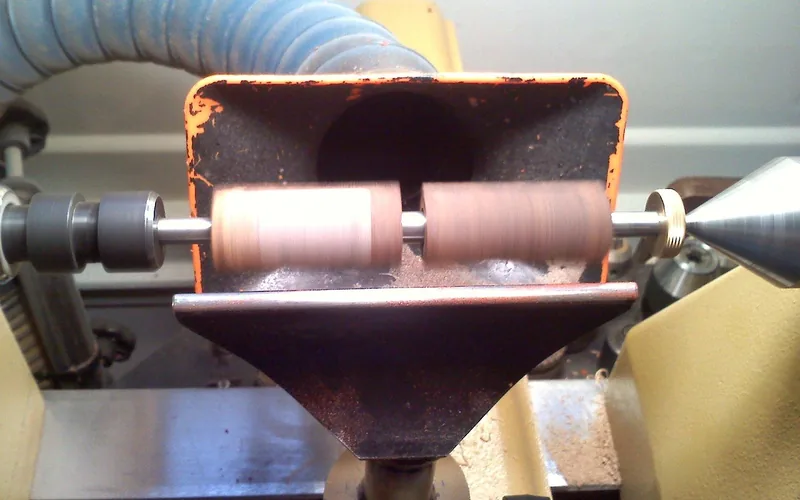
Peach wood earns its keep in small-scale work rather than structural furniture. Its straight to slightly wavy grain machines, turns, and sands cleanly, and it holds fine detail well — qualities that make it a favorite for pens, knife handles, spoons, bowls, combs, and small turned or carved pieces. As one of several fruitwoods prized by hobbyist woodworkers, peach also brings a sweet, mild aroma while it’s being cut that most other domestic hardwoods don’t have.
Can Peach Wood Be Stained or Finished Easily?
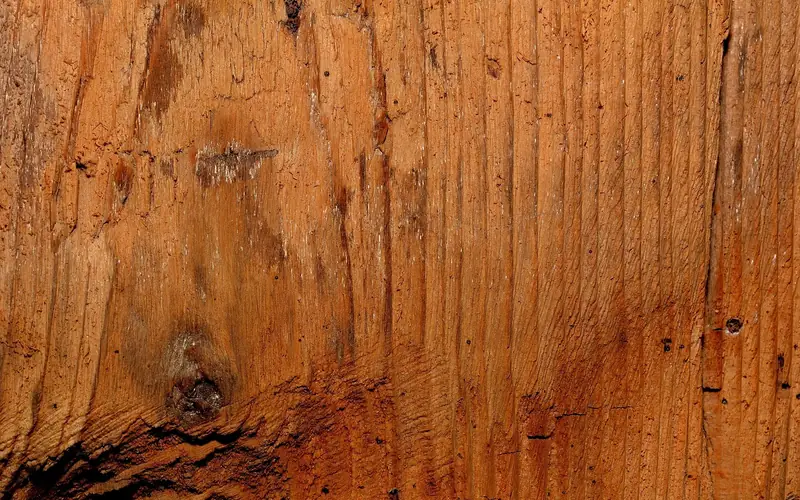
Yes. Peach wood’s open grain absorbs stains and finishes readily, which helps bring out its natural pale-yellow-to-reddish-brown color and any darker streaking in the grain. Sand the surface smooth and remove any dust or contaminants before applying a finish, and use multiple thin coats rather than one heavy one for the most even result. For kitchen items like spoons and bowls, a food-safe wax or mineral oil finish is the safer choice over film finishes like polyurethane.
Is Peach Wood Suitable for Outdoor Projects?
Not really. Peach wood lacks the natural rot and moisture resistance of outdoor-rated species like teak or cedar, so exposure to rain, sun, and humidity without heavy protection leads to warping, splitting, and decay over time. It’s better suited to indoor furniture, decor, and turned pieces where its grain and color can be appreciated without weather exposure.
Frequently Asked Questions
Is peach wood good for furniture?
Yes, but mainly for small-scale pieces. Peach wood works well for accent furniture, small tables, and decorative pieces where its warm reddish-brown color and tight grain can shine, but its tendency to crack while drying and its lower density than oak or maple make it a poor choice for large structural furniture like dining tables or cabinetry frames.
Is peach wood harder than oak?
No. Peach wood is softer and less dense than red oak, which has a Janka hardness of about 1,220 lbf. Peach doesn’t have a standard Janka rating in most wood-hardness databases, but turners and furniture makers consistently describe it as noticeably lighter and softer to work than oak, maple, or mahogany.
How long does peach wood take to dry without cracking?
Plan on roughly one year of air-drying time per inch of thickness, the same rule of thumb woodturners use for most fruitwoods. A 4-inch peach log needs about four years to dry safely. Sealing the cut ends with wax or a commercial end-grain sealer immediately after cutting slows moisture loss and significantly reduces cracking.
Can peach wood be used for cutting boards or kitchen utensils?
Yes, peach wood is a popular choice for spoons, bowls, and cutting boards because it’s non-toxic, machines cleanly, and takes a smooth finish. Once dried and sealed with a food-safe wax or mineral oil, it holds up well to regular kitchen use, though any fruitwood item should be re-oiled periodically to prevent it from drying out.
Why isn’t peach wood sold as lumber at most lumber yards?
Peach trees are small, rarely growing straight or tall enough to yield usable lumber boards, and most are grown in orchards where a short, wide canopy is preferred over a tall trunk. Combined with the wood’s tendency to crack during drying, this makes peach wood impractical to mill and sell commercially, so it stays mostly in the hands of hobbyist woodturners and carvers.
Conclusion
Peach wood is a genuine hardwood by botanical definition, but its low density, tendency to crack while drying, and the small size of the trees it comes from mean it will never compete with oak or maple for furniture-grade lumber. Where it does excel is small-scale work — pens, spoons, bowls, and turned pieces — where its warm color and fine grain are the whole point. Seal the ends fast, dry it slowly, and it’s a genuinely rewarding wood to work with.
Sponsored / affiliate links. As an Amazon Associate I earn from qualifying purchases. I may earn additional commission from eligible campaigns.