Is Oak Wood Expensive? Yes, Here’s the Real 2026 Price
Oak wood is genuinely more expensive than most softwoods and mid-tier hardwoods — red oak runs about $4 to $8 per board foot and white oak $8 to $15, with quartersawn cuts reaching $20, per 2026 hardwood pricing data. Buying the wrong grade for a project means paying premium prices for wood a common grade would have handled. This guide covers what drives the price, how red oak compares to white oak, and cheaper alternatives like engineered and reclaimed oak.
What Determines Oak Wood Price?
Best Moisture Meter for Buying Oak

General Tools MMD4E Digital Moisture Meter – $37.70
Reads both pin-type moisture in a board and surface water leaks — a practical two-in-one for checking a stack of oak before you buy it.
- Best for: Checking moisture on oak lumber and spotting hidden water leaks around the shop
- Why we picked it: Well-known brand with both pin and non-invasive read modes in one tool
- Main drawback: Pin mode leaves small holes in the board’s surface
Compare more moisture meter options
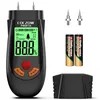 Budget Pick Basic Pin-Type Wood Moisture Meter – $15.99
|
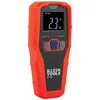 Pinless Pick Klein Tools ET140 Pinless Moisture Meter – $49.44
|
 Mid-Range Pick TopTes TS-630 Digital Moisture Meter – $29.99
|
As an Amazon Associate we earn from qualifying purchases.
Four factors set the price of any board in the oak category: species (red vs. white), grade, cut, and how far the wood traveled to reach a dealer. Species and grade matter most — a common-grade red oak board and a quartersawn white oak board can differ in price by three to four times per board foot even though they came from the same forest.
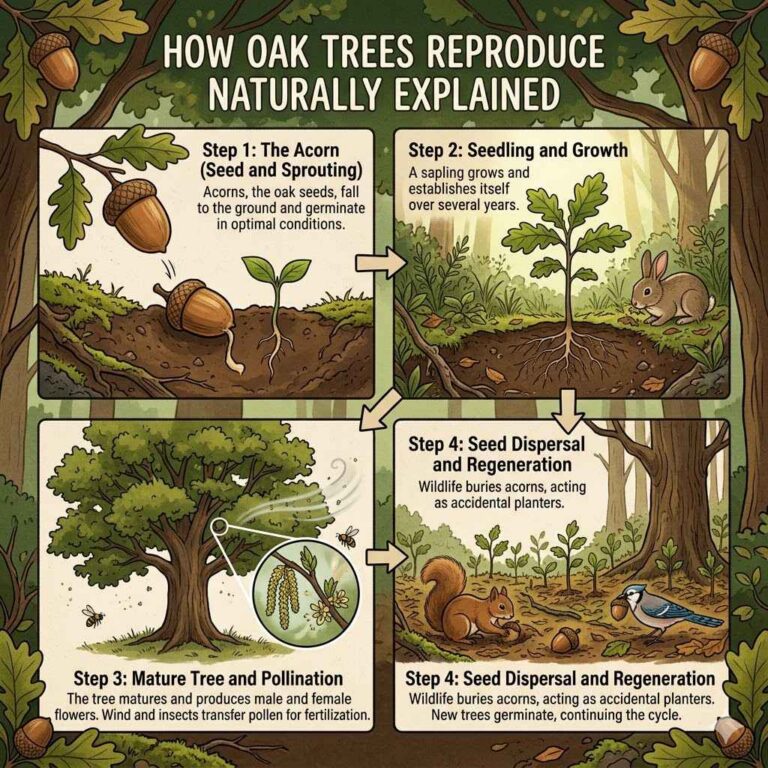
Oak also grows slowly. A red or white oak tree typically needs 80 to 100+ years to reach a trunk diameter worth milling into lumber, compared to 25 to 35 years for a plantation pine. That slow growth limits how fast sawmills can replace what they cut, which keeps supply tight relative to demand from furniture, flooring, and cabinetry makers competing for the same logs.
Grade adds another layer of cost. Mills sort boards into grades based on how much clear, defect-free wood each one yields — FAS (First and Seconds) and Select grades cost 25 to 40 percent more than Common grade because they waste less material when cut into furniture parts. Sustainable-harvest certification and replanting requirements add a smaller but real cost on top of that, since certified mills pass their compliance costs through to the board-foot price.
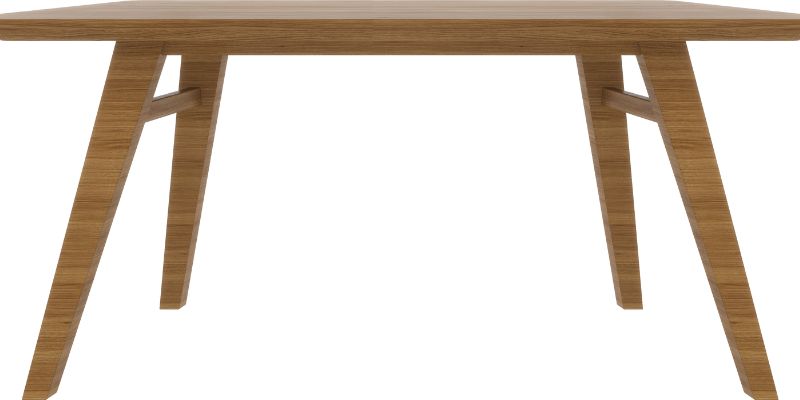
Red Oak vs. White Oak: 2026 Board-Foot Prices
Red oak is a reddish-brown, open-grained hardwood that is the more affordable of the two main oak species used in furniture, mainly because it is more abundant across North American forests. White oak is a tan-to-brown, tighter-grained hardwood valued for its natural water resistance (it’s the traditional wood for whiskey barrels and boat hulls), and that extra utility is exactly why it costs more.
| Species / Cut | Rough-Sawn | Surfaced (S4S) | Best For |
|---|---|---|---|
| Red oak, Common grade | $2–$5/bf | $4–$7/bf | Cabinetry, painted or stained furniture |
| Red oak, quartersawn | $5–$8/bf | $8–$12/bf | Mission/Craftsman-style furniture |
| White oak, Common/Select grade | $5–$10/bf | $8–$15/bf | Flooring, outdoor furniture, cutting boards |
| White oak, quartersawn | $8–$14/bf | $12–$20/bf | Fine furniture, ray-fleck grain features |
📊 Surfaced hardwood lumber in 2026 ranges from $4–$7/bf for red oak up to $10–$18/bf for black walnut, with white oak priced at $8–$15/bf — Source: CustomWoodQuote 2026 Hardwood Pricing Guide
Cut matters as much as species. Quartersawn oak is milled at roughly 60–90° to the growth rings instead of flat, which wastes more of the log and shows a distinctive ray-fleck figure — that lower yield is why quartersawn boards cost 30 to 60 percent more than plainsawn boards of the same species and grade.
Where to Buy Oak Wood: Retail vs. Specialty Dealer Prices
Home-improvement retailers like Home Depot and Walmart sell oak boards by the piece rather than the board foot, and that pricing structure often hides a real premium. Home Depot’s oak boards commonly run $2.25 to $13.51 per linear foot depending on width and grade — on a standard 1×6 board (which works out to exactly 4 board feet over an 8-foot length), that converts to well above specialty-dealer board-foot pricing once you do the math, especially for pre-cut “hobby board” racks aimed at small projects rather than full-size lumber.
A specialty hardwood dealer or local sawmill selling rough or S4S stock by the board foot is almost always the better deal once a project needs more than a board or two — the tradeoff is that you typically need a truck, a minimum order, or a bit more patience than a same-day big-box run.
Finding a Reputable Supplier
- Ask whether the mill grades its own lumber or buys pre-graded stock — mills that grade in-house tend to be more consistent.
- Look for FSC or SFI sustainable-forestry certification if that matters for your project.
- Get recommendations from local cabinet shops or woodworking clubs — they buy in volume and know which yards deliver what they promise.
Whichever source you use, check the wood itself before you pay: look for an even color and grain across the stack, inspect the edges for knots or checking, and measure the moisture content directly with a pin or pinless meter. Kiln-dried furniture-grade oak should read 6–8% moisture; anything reading 12%+ hasn’t dried enough and will shrink, cup, or crack after you’ve built with it.
What Oak Actually Costs for a Real Project
Board-foot prices are only useful once you know how many board feet a project actually needs. A solid-oak dining tabletop with an apron and legs (roughly 36″ x 72″) typically uses about 25–30 board feet of lumber, and a single cabinet door panel (roughly 2 square feet at 3/4″ thick) uses less than 2 board feet.
| Project | Board Feet Needed | Red Oak Cost | White Oak Cost |
|---|---|---|---|
| Dining table (top + apron + legs) | ~25–30 bf | $100–$240 | $200–$450 |
| Single cabinet door panel | ~2 bf | $8–$16 | $16–$30 |
| Small bookshelf (4 shelves + sides) | ~15–18 bf | $60–$144 | $120–$270 |
📊 National average white oak lumber pricing rose about 3.8% in 2026, continuing a multi-year climb as flooring and cabinetry demand competes with steady sawmill output — Source: MyWoodScout 2026 Wood Price Guide
These figures are for raw lumber only — finish, hardware, and joinery time are separate costs. If the project is oak flooring rather than furniture, pricing is usually quoted per square foot instead of per board foot, and unfinished red oak strip flooring commonly runs in a similar $4–$8 range once converted. And if the log itself is the starting point rather than milled lumber, standing oak tree value is priced very differently — by the log, not the board foot.
Cheaper Alternatives to Solid Oak
Engineered oak bonds a thin real-oak veneer onto a composite wood core instead of using solid oak all the way through. Because it uses a fraction of the oak per square foot, engineered oak flooring or panels commonly price $2–$4 per square foot below a comparable solid-oak product, while still showing genuine oak grain on the visible surface.
Reclaimed oak, salvaged from old barns, factories, or flooring, sometimes undercuts new lumber on raw material cost and adds a weathered character new wood can’t fake. But pulling embedded nails, checking for rot or insect damage, and re-drying it to a safe moisture level all add labor — on a small project, that labor can erase most of the savings, so reclaimed oak is more of a character choice than a guaranteed discount.
If the project doesn’t specifically call for oak’s grain or hardness, a mid-tier hardwood can save real money: poplar and soft maple both run well below oak’s per-board-foot price and take paint or dark stain just as well. For a wood that reads closer to oak in color and grain, compare beech against oak or see how oak stacks up against a darker premium species in our oak vs. walnut grain comparison.
Frequently Asked Questions
Is white oak more expensive than red oak?
Yes. White oak commonly costs $8–$15 per board foot surfaced compared to $4–$8 for red oak, a premium driven by white oak’s tighter grain, natural water resistance, and heavier demand from flooring and boat-building. Red oak grows more abundantly across North American forests, which keeps its price lower.
How much does oak wood cost per board foot?
Common-grade red oak runs about $4 to $8 per board foot surfaced (S4S), white oak runs $8 to $15, and quartersawn cuts of either species can reach $12 to $20 per board foot. Rough-sawn, unplaned stock typically costs roughly half those figures before milling.
Why is oak wood more expensive than pine?
Oak is a slow-growing hardwood that can take 80 to 100+ years to mature, while pine is a fast-growing softwood ready for harvest in 25 to 35 years. Oak is also denser and harder to mill, and steady demand from furniture, flooring, and cabinetry makers keeps competition for good logs high — all of which push its price several times higher than framing-grade pine.
Is engineered oak cheaper than solid oak?
Usually, yes. Engineered oak bonds a thin oak veneer over a plywood or HDF core, which uses far less real oak per square foot — typically pricing $2–$4 per square foot below comparable solid oak flooring or panels while still showing genuine oak grain on the surface.
Is reclaimed oak a good way to save money?
It can be, but not always. Reclaimed oak salvaged from old barns or buildings sometimes undercuts new lumber on raw material cost, but pulling embedded nails, checking for rot, and re-drying it adds labor that can erase the savings — it’s more of a character choice than a guaranteed discount.
Is oak wood worth the extra cost for furniture?
For pieces meant to last decades — dining tables, cabinetry, flooring — most woodworkers consider oak worth the premium because of its resistance to dents and wear. For short-term or budget projects, a mid-tier hardwood like poplar or soft maple gets a similar look for meaningfully less money.
Conclusion
Oak wood is expensive relative to softwoods and mid-tier hardwoods for real, verifiable reasons — slow growth, tight supply, and heavy demand from furniture and flooring makers — and white oak carries a further premium over red oak for its water resistance and tighter grain. Knowing the real 2026 board-foot numbers, checking moisture before you buy, and considering engineered or reclaimed oak where it fits the project all help keep the cost under control without giving up what makes oak worth choosing in the first place.
Sponsored / affiliate links. As an Amazon Associate I earn from qualifying purchases. I may earn additional commission from eligible campaigns.