
Mahogany Wood Tree: Unveiling Its Timeless Charm
Mahogany wood comes from tropical hardwood trees, primarily the Swietenia genus. It is prized for its durability, rich color, and fine grain.
Mahogany wood has long been celebrated for its beauty and strength. Originating mainly from Central and South America, this hardwood is often used in furniture, cabinetry, and musical instruments. Its deep, reddish-brown hue and smooth texture make it a favorite among craftsmen and homeowners alike.
Mahogany is not just visually appealing; it also withstands wear and tear, making it an excellent choice for high-traffic areas. Sustainable harvesting practices are crucial in preserving mahogany forests, ensuring future generations can enjoy this exquisite wood. Understanding its characteristics helps consumers make informed decisions when selecting wood for their projects.
The Majesty Of Mahogany
Mahogany wood is known for its beauty and strength. This hardwood has a rich history and is highly valued. From furniture to musical instruments, its uses are diverse. Mahogany captures the essence of elegance and durability.
Ancient Roots
The Mahogany tree has deep historical significance. Its origins trace back to the Caribbean and Central America. Ancient civilizations used it for various purposes. The Mayans and Aztecs crafted items from this precious wood.
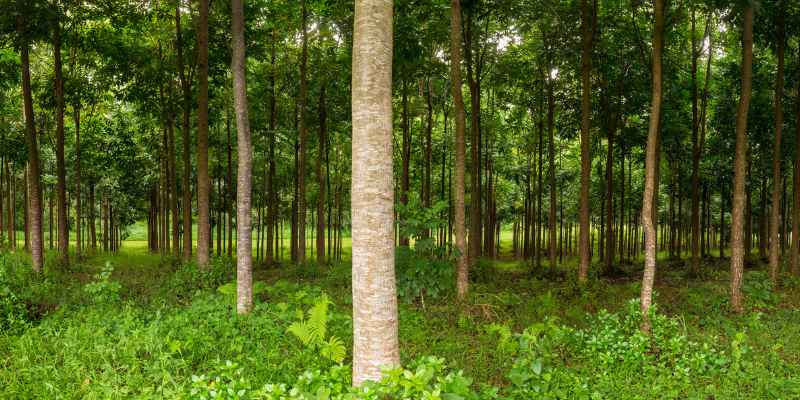
Mahogany trees can grow up to 150 feet tall. They thrive in tropical climates. This wood is not only beautiful but also strong. The unique grain patterns make each piece special.
| Characteristic | Details |
|---|---|
| Height | Up to 150 feet |
| Origin | Caribbean, Central America |
| Color | Rich reddish-brown |
Symbol Of Elegance
Mahogany wood represents luxury and sophistication. Its rich color and smooth texture attract many buyers. People often choose mahogany for high-end furniture.
- Dining tables
- Cabinets
- Musical instruments
- Boat building
These items stand out in any setting. Mahogany wood ages beautifully, becoming richer over time. It is resistant to decay and insects, making it a great choice.
Many artisans prefer mahogany for its workability. It can be carved and shaped easily. The finish enhances its natural beauty, making each piece unique.
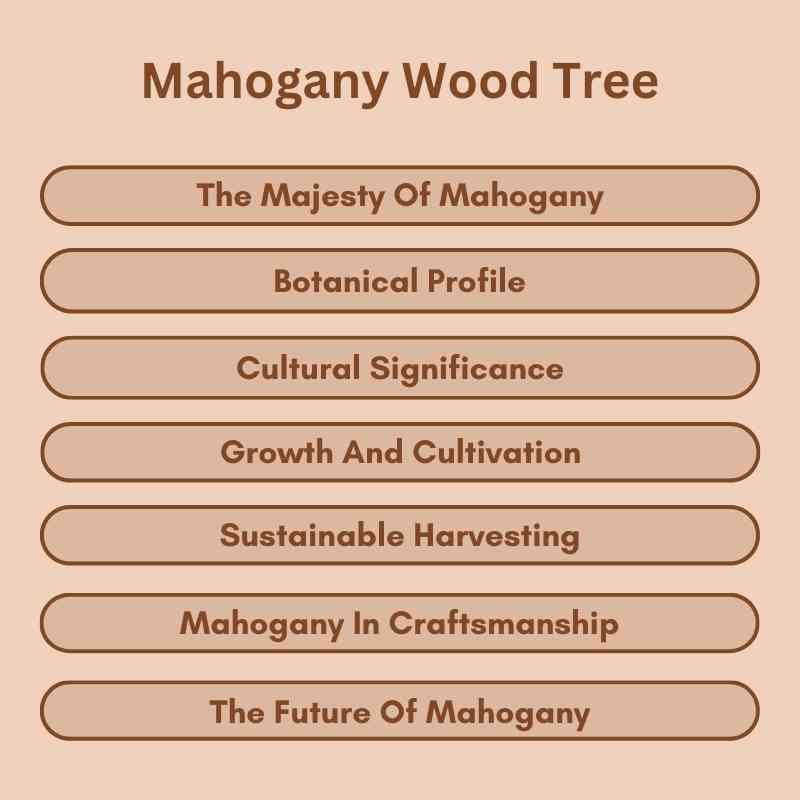
Botanical Profile
The Mahogany Wood Tree is a significant species. It belongs to the family Meliaceae. Understanding its botanical profile helps appreciate its value.
Species Diversity
Mahogany trees belong to several species. Here are some notable ones:
- Swietenia macrophylla – Known as the Big-leaf mahogany.
- Swietenia mahagoni – Commonly called the West Indian mahogany.
- Swietenia humilis – Known as the Mexican mahogany.
Each species has unique traits and habitats. They thrive in tropical regions. Many are endangered due to overharvesting.
Unique Characteristics
Mahogany trees possess remarkable features:
| Characteristic | Description |
|---|---|
| Color | Rich reddish-brown hue. |
| Grain | Straight, fine, and even texture. |
| Durability | Resistant to decay and insects. |
These traits make Mahogany highly sought after. It is perfect for furniture and cabinetry. The wood ages beautifully over time.
Geographical Distribution
The Mahogany wood tree thrives in various regions worldwide. Its growth depends on specific climates and soil types. Understanding its geographical distribution helps us appreciate its ecological and economic importance.
Native Habitats
Mahogany trees primarily grow in tropical regions. Their native habitats include:
- Central America
- South America
- Caribbean Islands
These areas provide the warm temperatures and rainfall needed for growth. Mahogany prefers well-drained soils, often found in rainforests. The tree can reach heights of up to 150 feet in its natural habitat.
Global Expansion
Over time, Mahogany has expanded globally. It is now cultivated in several countries outside its native range. Major locations include:
| Country | Region | Climate |
|---|---|---|
| Mexico | Yucatán Peninsula | Tropical |
| Honduras | Caribbean Coast | Tropical |
| Brazil | Amazônia | Tropical Rainforest |
| Philippines | Visayas | Tropical |
This global expansion helps meet the demand for Mahogany wood in furniture and construction. Sustainable practices are crucial for preserving these beautiful trees.
Cultural Significance
The Mahogany Wood Tree holds deep cultural roots. This tree symbolizes strength and durability. Its wood has been used in various cultures for centuries. Let’s explore its historical uses and modern-day symbolism.
Historical Uses
Mahogany has a rich history in many cultures. Here are some key historical uses:
- Furniture Making: Mahogany wood was popular for crafting furniture.
- Shipbuilding: Its durability made it ideal for ships.
- Musical Instruments: Many instruments, like pianos, use mahogany.
- Carvings: Artists create beautiful carvings from this wood.
In the 18th century, mahogany became a sign of wealth. Only the rich could afford it. This led to its association with luxury and elegance.
Modern-day Symbolism
Today, mahogany carries significant meanings:
| Symbol | Meaning |
|---|---|
| Strength | Represents resilience and durability. |
| Elegance | Signifies luxury and high status. |
| Heritage | Connects cultures to their history. |
People now use mahogany in home decor. It symbolizes a connection to nature and tradition. Many see it as a reminder of their roots.
In some cultures, mahogany trees are sacred. They are part of rituals and celebrations. This deep connection continues to inspire respect for the tree.
Growth And Cultivation
The Mahogany wood tree thrives in tropical climates. Understanding its growth and cultivation is essential for sustainable forestry. This section covers lifecycle stages and cultivation challenges.
Lifecycle Stages
The lifecycle of a Mahogany tree includes several key stages:
- Seed Stage: Mahogany trees start as seeds. They require moist soil to germinate.
- Seedling Stage: After germination, seedlings develop quickly. They need plenty of sunlight and water.
- Juvenile Stage: Young trees grow taller. They begin to develop a thicker trunk and larger leaves.
- Adult Stage: Mahogany trees reach maturity in about 20 years. They can grow up to 150 feet tall.
- Reproductive Stage: Mature trees produce flowers and seeds. This stage is vital for regeneration.
Cultivation Challenges
Cultivating Mahogany trees involves several challenges:
- Pest Management: Insects can damage young trees. Regular monitoring is necessary.
- Soil Quality: Mahogany thrives in well-drained soil. Poor soil can stunt growth.
- Watering Needs: Young trees need consistent moisture. Drought can harm seedlings.
- Climate Adaptation: Mahogany requires a humid climate. Extreme temperatures can affect growth.
- Harvesting Time: Trees take decades to mature. Patience is essential for sustainable harvesting.
Sustainable Harvesting
Sustainable harvesting of mahogany wood is crucial for preserving forests. Responsible practices ensure that the tree species remains healthy and abundant. This approach benefits the environment and local communities.
Conservation Efforts
Conservation efforts play a vital role in protecting mahogany forests. Several organizations work tirelessly to promote sustainable practices. Here are some key initiatives:
- Reforestation projects restore damaged areas.
- Community education raises awareness about sustainable practices.
- Research programs study mahogany ecosystems and their needs.
Partnerships between governments and NGOs enhance these efforts. They aim to create a balance between use and conservation.
Certification And Trade
Certification systems help regulate the trade of mahogany wood. These systems ensure that wood is sourced sustainably. Here are some important certifications:
| Certification | Description |
|---|---|
| FSC (Forest Stewardship Council) | Ensures responsible forest management. |
| PEFC (Programme for the Endorsement of Forest Certification) | Promotes sustainable forest practices globally. |
Buying certified mahogany supports sustainable trade. Consumers can help protect forests by choosing certified products.
Mahogany In Craftsmanship
Mahogany wood is famous for its beauty and durability. Craftsmen love using it in various projects. Its rich color and fine grain enhance the quality of many items. Let’s explore how mahogany is used in furniture making and musical instruments.
Furniture Making
Mahogany is a top choice for furniture. Its characteristics make it ideal for creating stunning pieces. Here are some key features:
- Durability: Mahogany lasts for generations.
- Workability: Easy to carve and shape.
- Aesthetic Appeal: Offers a rich, warm color.
Many furniture types are crafted from mahogany, including:
- Dining tables
- Chairs
- Cabinets
- Desks
Mahogany furniture often features intricate designs. Its resistance to warping makes it perfect for fine craftsmanship. Many artisans prefer mahogany for heirloom pieces.
Musical Instruments
Mahogany wood is also used in crafting musical instruments. It has excellent tonal qualities. Musicians appreciate its sound and resonance. Here are some instruments made from mahogany:
- Guitars
- Pianos
- Drums
- Violins
Mahogany enhances the sound quality of instruments. It provides a warm tone and rich overtones. Many professional musicians choose mahogany for its superior performance.
The Future Of Mahogany
The future of mahogany holds great promise. Sustainable practices are crucial. Innovations in forestry can help protect this valuable resource. Ensuring its longevity benefits both nature and economies.
Advancements In Forestry
New techniques are changing how we manage mahogany forests. These advancements focus on sustainability and conservation. Here are some key methods:
- Selective Logging: Only certain trees are harvested.
- Reforestation: Planting new trees after cutting.
- Monitoring Systems: Technology tracks forest health.
These practices reduce damage and promote healthy ecosystems. They ensure mahogany grows for future generations.
Preserving The Legacy
Preserving mahogany involves education and community efforts. Local communities play a vital role. Awareness programs help people understand its importance. Here are some strategies:
- Encourage sustainable harvesting methods.
- Support fair trade practices.
- Engage communities in conservation efforts.
Global partnerships can enhance these efforts. Protecting mahogany also protects biodiversity. It is essential for wildlife habitats and climate stability.
| Strategy | Description |
|---|---|
| Community Education | Teaching locals about sustainable practices. |
| Eco-Tourism | Promoting tourism that supports conservation. |
| Research Initiatives | Funding studies on mahogany growth and health. |
Protecting the legacy of mahogany is a shared responsibility. It requires commitment from everyone involved. Together, we can secure a sustainable future for this magnificent tree.
Frequently Asked Questions
What Is Mahogany Wood Tree Used For?
Mahogany wood is prized for its durability and rich color. It is commonly used in furniture, cabinetry, and musical instruments. The wood’s resistance to warping makes it ideal for high-quality applications. Additionally, it is often utilized in boat building due to its water-resistant properties.
Where Does The Mahogany Tree Grow?
Mahogany trees primarily grow in tropical regions. They are commonly found in Central and South America, particularly in countries like Honduras and Brazil. These trees thrive in well-drained, moist soils. Their growth is also supported by a warm climate with adequate rainfall.
How Long Does It Take For Mahogany Trees To Mature?
Mahogany trees typically take 25 to 30 years to mature. This timeframe allows them to reach their optimal height and girth. The growth rate can vary depending on soil quality and climate conditions. Sustainable harvesting is essential to ensure the species remains viable.
Is Mahogany Wood Eco-friendly?
Mahogany wood can be eco-friendly if sourced responsibly. Sustainable forestry practices help protect the environment and maintain biodiversity. Certifications like FSC (Forest Stewardship Council) ensure that the wood is harvested ethically. Always check for these certifications when purchasing Mahogany products.
Conclusion
Mahogany wood trees are truly remarkable. Their beauty and durability make them a favorite for furniture and decor. Sustainable practices are essential to protect these valuable resources. By choosing responsibly sourced mahogany, you contribute to environmental conservation. Embrace the elegance of mahogany while supporting sustainable forestry for future generations.