Wood Grain Comparison Chart

Wood Grain Comparison Chart: Types, Patterns & Species Identification Guide

A wood grain comparison chart visually represents different wood types and their unique grain patterns. It helps in selecting the right wood for various applications.

Wood selection plays a crucial role in design and construction. Understanding the differences in wood grain can enhance aesthetics and functionality. Each wood type has its distinct texture, color, and grain pattern, influencing not only the final look but also durability.

Quick Answer

Wood grain refers to the pattern, texture, and direction of wood fibers visible on a cut surface. Common grain patterns include straight (oak, ash), wavy/interlocked (mahogany), curly (maple), and bird’s eye (maple). Open-grained woods (oak, walnut, ash) have visible pores and need grain filler before finishing. Close-grained woods (maple, cherry, birch) are smooth and take stain and paint directly without filler.

A well-structured comparison chart simplifies this decision-making process. By clearly displaying characteristics such as hardness, grain orientation, and color variations, it serves as a valuable resource for homeowners, builders, and designers. Knowing these details allows for informed choices that align with personal style and project requirements. Explore the nuances of wood grain to elevate your next project.

Table of Contents show

Introduction To Wood Grain Varieties

Understanding wood grain varieties is essential for woodworking. Each type of wood has a unique grain pattern. This pattern affects both aesthetics and functionality. Knowing these variations helps in making informed choices.

The Role Of Grain In Woodworking

The grain of wood plays a significant role in woodworking. It influences how wood looks and feels. Different grain patterns can change a project’s overall appeal.

  • Visual Appeal: Grain patterns enhance the beauty of wood.
  • Durability: Some grains are stronger than others.
  • Workability: Grain direction affects cutting and shaping.

Visual And Structural Impact

Wood grain affects both visual and structural qualities. Different woods show unique grains that create stunning effects. Here’s a quick comparison of some popular wood grains:

Wood Species Grain Type Grain Pattern Hardness (Janka) Best Uses Finishing
Red Oak Open Bold, pronounced rays 1290 lbf Flooring, furniture, cabinets Takes stain easily
White Oak Open Tight rays, fleck pattern 1360 lbf Flooring, wine barrels, outdoor Water-resistant; great for oil
Hard Maple Closed Fine, uniform; bird’s eye possible 1450 lbf Cutting boards, cabinets, floors Difficult to stain evenly
Black Walnut Open Straight to wavy, rich chocolate 1010 lbf Luxury furniture, carvings Beautiful natural oil finish
Cherry Closed Straight, fine, darkens with age 950 lbf Fine furniture, cabinetry Patinas naturally; minimal stain
Ash Open Bold, straight, ring-porous 1320 lbf Tool handles, sports equipment Stains well; similar to oak
Pine Open Straight with knots, resinous 380 lbf Framing, rustic furniture Blotchy; use pre-conditioner
Cedar Open Straight, aromatic, knot-free 350 lbf Outdoor siding, closets Oil or clear sealant
Teak Open Straight to wavy, oily surface 1070 lbf Boat decking, outdoor furniture Teak oil; hard to glue without prep
Mahogany Open Interlocked, ribbon-stripe figure 800 lbf Fine furniture, musical instruments Takes finish beautifully
Birch Closed Fine, uniform, subtle curl 1260 lbf Plywood, cabinets, furniture Prone to blotching

Understanding these impacts helps in choosing the right wood. Consider both the visual and structural aspects for your projects. Each grain tells a story and adds character.

wood grain comparison chart oak maple walnut pine patterns
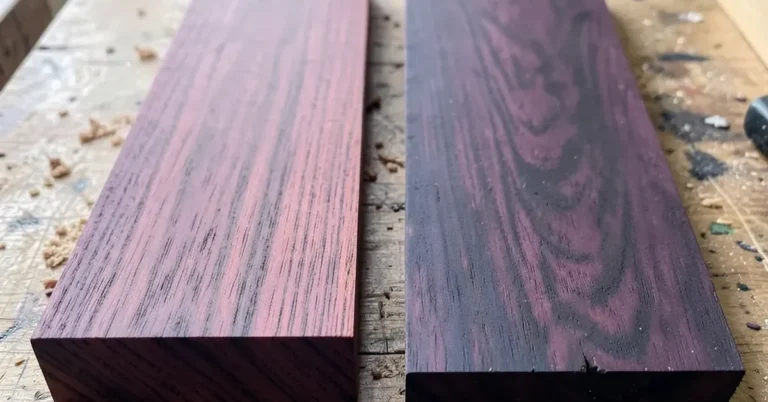
Wood grain comparison chart showing oak, maple, walnut, and pine grain patterns side by side — notice how open-grained oak has visible pores while tight-grained maple appears smooth and uniform.

Curious about Mahogany? We've got more info in this linked article. Mahogany vs Sapele Which Wood Should You Choose?

What Is Wood Grain? A Simple Explanation

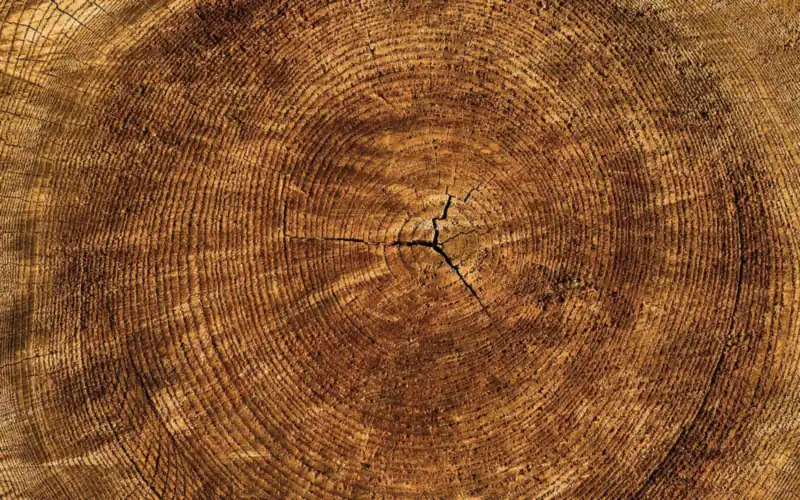
Wood grain refers to the alignment, texture, and appearance of the fibers that make up a piece of wood. These fibers grow along the length of a tree’s trunk as annual rings form year after year. When a log is cut and milled, the way those rings are exposed determines the grain pattern you see on the surface.

Every piece of wood has three grain properties that affect both its appearance and workability:

  • Grain direction: How the fibers run relative to the board’s length — straight, diagonal, or spiral
  • Grain texture: How coarse or fine the surface feels — oak is coarse and open, maple is fine and tight
  • Grain figure: The decorative visual pattern created by ray cells, growth rings, and other features — such as the ribbon figure in quartersawn oak or the burl figure in walnut

Understanding wood grain helps you predict how a board will behave when cut, planed, or finished — and helps you choose the right species for the right job.

Wood Grain Identification Chart: Common Species

Identifying wood grain correctly helps you choose the right finishing approach, predict how the wood will move with humidity, and match species for repairs or projects. This quick-reference chart covers the most common domestic and imported hardwoods and softwoods.

Wood Species Grain Type Grain Pattern Pore Structure Typical Use
Red Oak Straight Coarse, open Ring-porous Flooring, cabinets
Hard Maple Straight / curly Fine, close Diffuse-porous Butcher blocks, floors
Walnut Straight / wavy Medium, open Semi-ring-porous Furniture, gunstocks
Cherry Straight Fine, close Diffuse-porous Furniture, cabinets
Ash Straight Coarse, open Ring-porous Tool handles, sports
Mahogany Interlocked Medium, ribbon Diffuse-porous Furniture, marine
Pine (SYP) Straight Coarse, resinous Softwood (tracheids) Framing, trim
Douglas Fir Straight Pronounced growth rings Softwood Structural, plywood

Wood Grain Color Chart: Natural Tones by Species

Beyond pattern, wood grain color varies significantly between species and even within the same species depending on heartwood vs. sapwood. Heartwood (inner wood) is always darker than sapwood (outer wood). Here are common baseline colors before any finish is applied:

Species Heartwood Color Sapwood Color Color Change After Finishing
Oak Light tan-brown Pale white-tan Yellows with oil; grays with water-based
Walnut Chocolate brown Creamy white Deepens with oil, stays dark
Cherry Light pink-tan White-tan Darkens significantly with UV over 6–12 months
Maple Creamy white Creamy white Yellows slightly with oil finish
Pine Yellow-orange Pale yellow Deepens orange with oil

Recommended: Wood Grain Identification Field Guide

A wood species field guide with grain photos and hand-lens magnification charts helps you identify unknown lumber at the yard before buying.

Check current price on Amazon

As an Amazon Associate we earn from qualifying purchases.

Interested in understanding Mahogany in more detail? This article can guide you. What Does Mahogany Teakwood Smell Like: Captivating Fragrance Unveiled

Types of Wood Grain Patterns

Wood grain patterns vary widely between species and even between boards of the same species. Here are the five main types you’ll encounter:

Grain Pattern Description Common Species Workability
Straight Fibers run parallel to the board’s length in a consistent line Maple, Ash, Cherry ✅ Easiest — planes and cuts cleanly
Wavy Fibers undulate gently, creating a rippled or fiddle-back appearance Maple (curly), Sycamore ⚠️ Can tear out — use sharp tools and light passes
Interlocked Fibers alternate direction in successive growth layers Sapele, Teak, Mahogany ⚠️ Prone to tearout on quartersawn faces
Irregular Fibers deviate around knots, burls, or branch unions Most species near knots ❌ Difficult — needs hand tools or card scrapers
Spiral Fibers twist helically around the trunk as the tree grows Pine, Spruce ⚠️ Reduces strength — avoid for structural use

Pro tip: Always plane and sand with the grain direction, not against it. Cutting against an interlocked or irregular grain tears up the wood surface and creates extra finishing work.

Key Factors Influencing Wood Grain Patterns

Wood grain patterns are unique. They depend on several factors. Understanding these factors helps in choosing the right wood. Here are the key influences on wood grain patterns.

Species And Genetics

The type of wood species plays a big role. Different species show different grain patterns. Here are some examples:

Wood Species Grain Pattern
Oak Bold, open grain
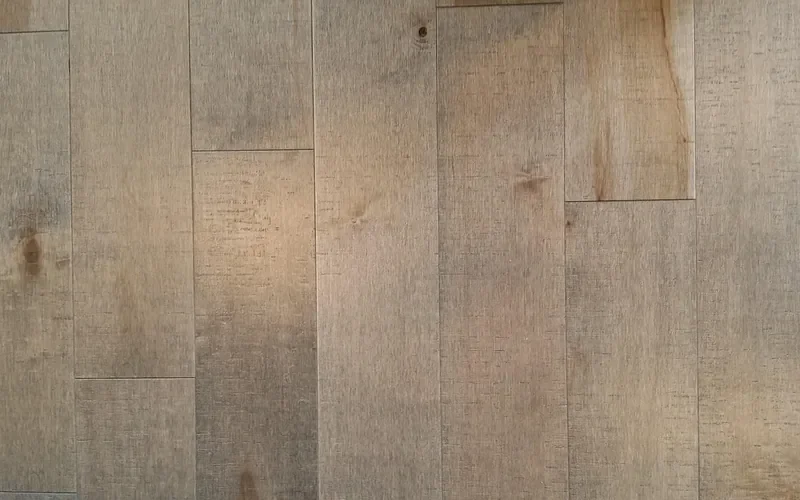
Maple Smooth, fine grain
Pine Wavy, knotty grain
Cherry Rich, straight grain

Genetics also matter. Each tree has a unique genetic makeup. This influences the grain pattern even within the same species.

Environmental Conditions

Environmental factors shape wood grain. Conditions during growth affect the final look. Key factors include:

  • Soil Quality: Nutrient-rich soil promotes healthy growth.
  • Climate: Temperature and moisture levels influence growth rate.
  • Sunlight: More sunlight leads to denser wood.
  • Water Availability: Consistent moisture supports uniform grain.

These factors create unique patterns. Trees growing under different conditions will look different.

Discover more interesting content on Mahogany by reading this post. Is Mahogany Wood Good for Guitars: Ultimate Tone & Durability Guide

Decoding The Grain: Hardwood Versus Softwood

Understanding wood grain is essential for selecting the right material. Different woods have unique characteristics. Knowing these can help in making informed choices.

Characteristics Of hardwood grains

Hardwood grains come from deciduous trees. These trees lose their leaves each year. Hardwood is known for its durability and strength.

  • Density: Hardwoods are denser than softwoods.
  • Grain Patterns: They have complex and varied grain patterns.
  • Color: Hardwoods often display rich colors.
  • Durability: They resist wear and tear effectively.

Common hardwoods include:

  1. Oak
  2. Maple
  3. Cherry

Their unique features make hardwoods ideal for furniture and flooring.

Traits Of Softwood Grains

Softwood grains originate from coniferous trees. These trees remain evergreen. Softwoods are lighter and easier to work with.

  • Weight: Softwoods are generally lighter than hardwoods.
  • Grain Patterns: They have straighter and simpler grain patterns.
  • Color: Softwoods usually have lighter colors.
  • Workability: They are easier to cut and shape.

Common softwoods include:

  1. Pine
  2. Cedar
  3. Fir

These traits make softwoods suitable for construction and craft projects.

Popular Hardwood Grains Explored

Hardwood grains add character and beauty to furniture. Different types of hardwoods offer unique grains. This section explores three popular hardwood grains: Oak, Maple, and Cherry.

oak grain Distinctions

Oak is a strong and durable wood. It has a distinct grain pattern that many love. Here are some key features:

  • Texture: Coarse and open grain.
  • Color: Ranges from light to dark brown.
  • Patterns: Prominent rays and medullary spots.

Oak is perfect for furniture and flooring. Its durability makes it ideal for high-traffic areas.

The Elegance Of Maple

Maple is known for its smooth and fine grain. It has a light, creamy color that brightens spaces. Key characteristics include:

  • Texture: Fine and uniform.
  • Color: Light, often with reddish undertones.
  • Patterns: Subtle and delicate.

Maple is often used in cabinets and decorative pieces. Its elegant look fits modern and traditional styles.

cherry wood’s Unique Appeal

Cherry wood offers warmth and richness. Its grain is smooth with a natural sheen. Here are its main attributes:

  • Texture: Smooth with a fine grain.
  • Color: Starts light and deepens over time.
  • Patterns: Straight grain with occasional waves.

Cherry is popular for high-end furniture. It ages beautifully, enhancing its appeal.

Eager to delve deeper into Mahogany? Check out this article for more insights. Is Mahogany a Hardwood: Unveiling Its True Strength and Beauty

Softwood Grains And Their Unique Qualities

Softwoods are known for their distinctive grains and textures. Each type of softwood offers unique qualities. Understanding these differences helps in choosing the right wood for projects.

Pine: Versatile And Prominent

Pine is one of the most popular softwoods. It has a light color and a straight grain. Here are some key features of pine:

  • Lightweight: Easy to handle and transport.
  • Affordable: Budget-friendly option for many projects.
  • Workability: Simple to cut and shape.
  • Natural Resins: Offers a pleasant scent.

Pine is ideal for furniture, cabinets, and decor. Its versatility makes it a favorite among woodworkers.

Cedar’s Durable Beauty

Cedar wood stands out for its rich color and aroma. This wood is naturally resistant to decay. Here are its notable qualities:

  • Weather-Resistant: Perfect for outdoor projects.
  • Lightweight: Easy to work with.
  • Insect Repellent: Keeps pests at bay.
  • Beautiful Grain: Unique patterns enhance aesthetics.

Cedar is great for decks, fences, and garden furniture. Its beauty and durability make it a top choice.

Spruce Patterns

Spruce is known for its fine, uniform grain. This softwood is light yet strong. Here are some characteristics of spruce:

  • High Strength-to-Weight Ratio: Ideal for structural uses.
  • Good Acoustic Properties: Great for musical instruments.
  • Light Color: Offers a bright appearance.

Spruce is often used in construction and musical applications. Its unique patterns add charm to any project.

Exotic Wood Grains And Their Mystique

Exotic wood grains hold a special allure. They showcase nature’s artistry in stunning designs. These woods come from far-off places, giving them unique stories and characteristics. People love them for furniture, flooring, and decor. Each type of wood has its own charm and beauty.

Teak: Luxurious And Resistant

Teak is one of the most sought-after exotic woods. It features a rich golden-brown hue. This wood is known for its durability. Teak is naturally resistant to moisture and insects.

  • Ideal for outdoor furniture.
  • Requires little maintenance.
  • Develops a beautiful silver patina over time.

Its fine grain and smooth texture make it highly desirable. Teak adds a touch of elegance to any space.

Dive deeper into Mahogany by checking out this article. Polywood Teak Vs Mahogany: Ultimate Durability and Style Showdown

Mahogany: Deep And Rich Patterns

Mahogany boasts deep, warm colors. Its patterns are striking and bold. This wood is often used in high-end furniture.

  • Red to reddish-brown tones.
  • Exceptional workability and finish.
  • Highly resistant to warping.

Mahogany’s smooth surface enhances its beauty. It ages gracefully, adding character over the years.

Rosewood’s Intricate Grains

Rosewood is famous for its intricate patterns. This wood features dramatic color contrasts. Shades range from deep purples to rich browns.

  • Dense and durable.
  • Produces a lovely sound in musical instruments.
  • Highly valued for its beauty.

Rosewood’s unique grains make it a favorite among artisans. It adds a luxurious feel to any creation.

Wood Type Color Key Features
Teak Golden-brown Durable, moisture-resistant
Mahogany Red to reddish-brown Deep patterns, warp-resistant
Rosewood Deep purple to brown Intricate grains, dense

Understanding Grain Direction And Its Importance

Grain direction affects the appearance and performance of wood. Knowing how it works helps in choosing the right wood for projects. This section dives into grain direction, its anatomy, and its impact on strength and workability.

The Anatomy Of Grain Direction

Grain direction refers to the orientation of wood fibers. It can be classified into three main types:

  • Straight Grain: Fibers run parallel. This type is strong and stable.
  • Curly Grain: Fibers twist and turn. This type is often decorative.
  • Wavy Grain: Fibers create a wave pattern. This type can be unique and appealing.

Understanding these types helps in selecting wood for specific uses. Each grain type reacts differently to stress and tools.

Influence On Wood Strength And Workability

Grain Type Wood Strength Workability
Straight Grain Very Strong Easy to Work
Curly Grain Moderate Strength More Challenging
Wavy Grain Variable Strength Can Be Difficult

Grain direction affects how wood handles stress. Straight grain offers the best strength. Curly and wavy grains can be weaker.

Workability changes with grain type. Straight grain is easier to cut and shape. Curly and wavy grains can cause tools to tear or splinter.

Choosing the right grain direction enhances the quality and longevity of your projects.

Preservation And Care For Different Wood Grains

Taking care of wood enhances its beauty and longevity. Different wood grains require unique methods for preservation. Understanding these differences ensures your wood remains stunning and functional.

Best Practices For Maintenance

Proper maintenance prolongs the life of wood products. Follow these best practices:

  • Regular Cleaning: Use a soft cloth to remove dust.
  • Avoid Water: Excess moisture damages wood. Use a damp cloth when necessary.
  • Use Coasters: Protect surfaces from spills and heat.
  • Apply Wax: Wax adds a protective layer and enhances shine.
  • Store Properly: Keep wood away from direct sunlight and heat sources.

Impact Of Finishing On Grain Appearance

Finishing can greatly affect the look of wood grains. Different finishes enhance or mask the natural beauty.

Finish Type Effect on Grain Recommended Use
Oil Finish Enhances depth and color Furniture, countertops
Varnish Creates a hard, glossy surface High-traffic areas
Shellac Gives a warm, rich tone Antique restoration
Polyurethane Durable, protects against scratches Flooring, tables

Choose the right finish based on your wood type. The right choice enhances beauty and durability. Regular maintenance ensures your wood retains its charm for years.

Tools And Techniques For Enhancing Grain Visibility

Enhancing wood grain visibility adds beauty to your projects. Proper tools and techniques make a big difference. Use the right materials for the best results. Below are key methods to highlight wood grain.

Choosing The Right Sandpaper

Sandpaper is crucial for preparing wood surfaces. The right grit helps reveal the grain.

  • Coarse Grit (60-80): Removes rough spots quickly.
  • Medium Grit (120-150): Smooths the surface for better grain visibility.
  • Fine Grit (220+): Prepares for finishing touches.

Start with coarse grit. Progress to finer grits for a smooth finish. Always sand in the direction of the grain. This prevents scratches and enhances visibility.

Staining For Contrast And Depth

Stains can dramatically change the look of wood. They enhance grain patterns and add depth.

Stain Type Effect on Grain
Oil-based Stains Rich colors that highlight grain
Water-based Stains Quick drying, less odor
Gel Stains Thicker, offers more control

Select a stain that contrasts with the wood color. Dark stains enhance light wood. Light stains soften dark wood. Apply with a brush or cloth. Wipe off excess for an even finish.

Experiment with samples to find the best look. Follow these tips to make your wood grain pop.

Our pick

Wood Grain Highlighting Gel Stain

  • Gel formula penetrates open grain evenly without blotching on pine or birch
  • Brings out natural grain figure and depth on all hardwoods
  • Available in 30+ colors including walnut, cherry, and golden oak tones
Check current price on Amazon

As an Amazon Associate we earn from qualifying purchases.

Wood Grain Colors by Species

Wood grain color is one of the first things you notice when selecting lumber. Colors range from nearly white to deep chocolate brown, and many species change significantly after finishing or exposure to light.

Color Range Species Grain Color Description Darkens Over Time?
Light Hard Maple Creamy white to pale yellow Slightly — turns amber
Light Birch Light tan with subtle grain lines No significant change
Light Ash Pale yellow-white with prominent grain Slightly yellows
Medium Red Oak Warm honey-brown with a reddish tint Minimal
Medium White Oak Gray-brown, more muted than red oak Minimal
Medium Cherry Pinkish-tan when fresh, rich reddish-brown when aged Yes — darkens noticeably
Dark Walnut Light to dark chocolate brown, often with purple streaks Slightly lightens
Dark Teak Golden to dark brown with oily surface Grays if left unfinished
Dark Mahogany Deep reddish-brown with ribbon figure Deepens slightly

Finishing dramatically affects how grain color appears. An oil finish like tung or linseed oil deepens and enriches wood grain color, while a water-based polyurethane keeps the color closer to the raw wood.

Conclusion: The Beauty Of Wood Grain In Design

Wood grain brings unique charm to any design. Each piece tells its own story. It adds warmth and character to spaces. Understanding different wood grains can enhance your projects.

Sustainable Use Of Wood Grains

Sustainable practices are crucial in wood selection. Choosing responsibly sourced wood is vital. Here are some benefits of sustainable wood use:

  • Environmental Protection: Helps preserve forests and ecosystems.
  • Quality Assurance: Sustainable wood often has better durability.
  • Support Local Economies: Promotes local craftsmanship and jobs.

Using sustainable wood grains supports a healthier planet. Every choice matters in design.

Personalization Through Grain Selection

Wood grain selection allows for personalization in design. Different patterns can reflect individual styles. Consider these options:

  1. Types of Wood: Oak, walnut, maple, and cherry each offer unique grains.
  2. Grain Patterns: Straight, wavy, or curly grains create different looks.
  3. Staining Options: Enhance or change wood color to fit your theme.

Choosing the right wood grain adds personal touch to designs. It creates a lasting impression.

Wood Type Grain Pattern Color Range
Oak Straight Light to medium brown
Walnut Wavy Dark brown to purplish
Maple Curly Light cream to reddish-brown
Cherry Straight Reddish-brown

Explore wood grain options to enhance your designs. Let the natural beauty speak for itself.

close-up hardwood vs softwood grain texture comparison
Close-up comparison of hardwood vs softwood grain texture — hardwood (left) shows distinct growth rings and ray cells while softwood (right) has wider, more uniform earlywood and latewood bands.

Frequently Asked Questions

What Is A Wood Grain Comparison Chart?

A wood grain comparison chart visually represents the unique patterns and textures of different wood types. It helps you easily identify and compare various grains, making it ideal for choosing wood for furniture, flooring, or other projects. Understanding these differences can enhance your design choices and overall satisfaction.

Why Is Wood Grain Important In Design?

Wood grain plays a significant role in design aesthetics. It influences the look and feel of wooden items, contributing to the overall ambiance of a space. Choosing the right grain can complement other materials and colors, enhancing the visual appeal and creating a cohesive design.

How Do I Choose The Right Wood Grain?

To choose the right wood grain, consider your project’s style and purpose. Look at the color, texture, and pattern that best fits your design vision. It’s essential to match the wood grain with surrounding elements for a harmonious look. Experimenting with samples can help you make informed decisions.

Are All Wood Grains The Same?

No, all wood grains are not the same. Each type of wood has its unique grain pattern, texture, and color. These differences arise from the species of tree, growth conditions, and processing methods. Understanding these variations can help you select the best wood for your specific needs.

Conclusion

Choosing the right wood grain can significantly impact your project. This comparison chart simplifies your decision-making process. By understanding the unique characteristics of each grain, you can select the perfect match for your needs. Embrace the beauty and functionality of wood to enhance your space effectively.

Happy crafting!

Similar Posts