Unfinished Mahogany Wood: How to Tell It’s Real (+ Finish Guide)
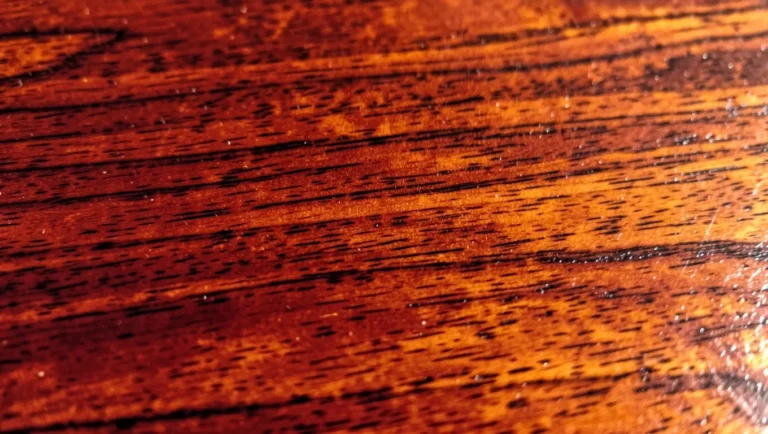
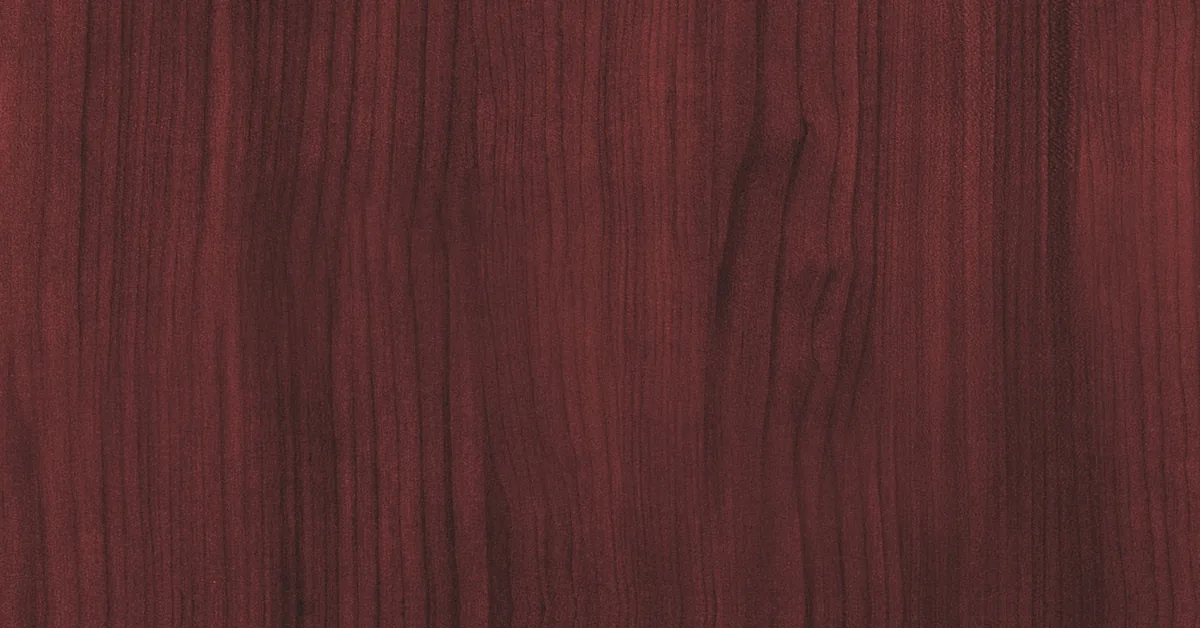
Unfinished mahogany wood is raw Swietenia or khaya lumber that has not been sanded, stained, or sealed – it leaves the mill reddish-brown, oily to the touch, and dense enough that a fingernail barely marks it. Buying a look-alike instead of the real thing wastes money on a project that will not take stain or hold up the same way. This guide covers how to verify real mahogany, what it costs, and how to prepare and finish it.
Quick Answer
Genuine unfinished mahogany is a Swietenia or khaya species with a Janka hardness around 800-900 lbf, a straight-to-interlocked grain, and reddish-brown heartwood that darkens with UV exposure. Confirm it with the fingernail and iodine tests below before you buy or stain, since African and Philippine “mahogany” substitutes are softer, cheaper, and finish differently.
How to Tell Real Unfinished Mahogany From Look-Alikes
“Mahogany” gets used loosely at lumber yards – Philippine mahogany (actually a species of Shorea) and African mahogany (Khaya) both get sold under the name, and neither behaves quite like genuine Honduran or Cuban mahogany (Swietenia). Because the tests below only work on unfinished wood, this is the one point in a project where you can actually verify what you bought before a stain or sealer hides the evidence.
- Fingernail test: press a fingernail into an inconspicuous spot. Genuine mahogany barely dents; a soft look-alike leaves a visible impression.
- Iodine test: a drop of iodine solution on bare wood turns dark blue-black on real mahogany’s starch content. This only works before any finish is applied.
- End-grain check: look for marginal parenchyma – light brown cell rows along each growth ring on the end grain – a strong indicator of true Swietenia species.
- Sound test: knock on the board with a knuckle. Genuine mahogany gives a clear, resonant sound; soft substitutes produce a duller thud.
📊 Genuine mahogany (Swietenia macrophylla) rates 800-900 lbf on the Janka hardness scale – roughly twice as hard as Philippine mahogany substitutes, which is why it resists dents and takes crisp tool marks. Source: The Wood Database, Honduran Mahogany
Want the full identification walkthrough with grain photos? See our mahogany wood identification guide for a side-by-side comparison of genuine, African, and Philippine mahogany grain patterns.
Grades, Species, and What Unfinished Mahogany Costs
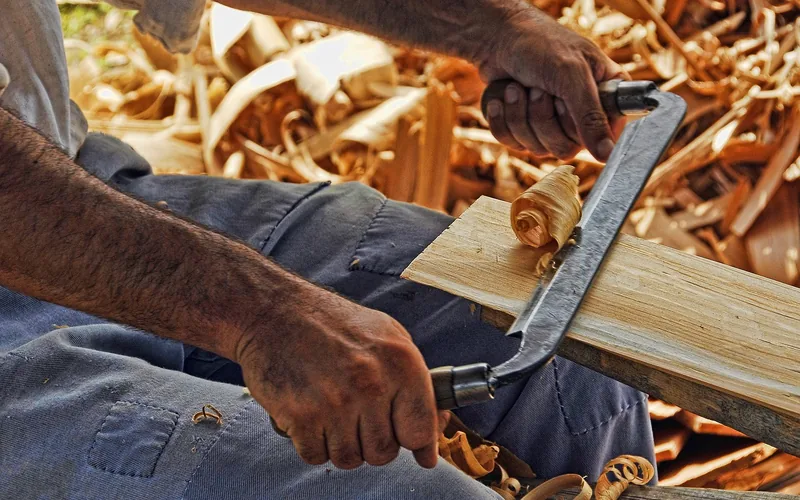
Price tracks species and grade more than board size. Rough-cut lumber typically runs $6.50 to $15 per board foot, and planed, furniture-grade stock adds another $2 to $6 per board foot on top of that.
| Species | Typical Price/Bd Ft | Best For |
|---|---|---|
| Honduran/genuine (Swietenia) | $10 – $15 | Fine furniture, instruments, heirloom pieces |
| African (Khaya) | $6 – $10 | Cabinets, trim, budget furniture with a similar look |
| Philippine (Shorea) | $3 – $6 | Utility trim, shelving, projects where exact species does not matter |
For a full cost breakdown by supplier and region, see mahogany cost per board foot. When sourcing, request a sample board first, ask the supplier which species they are actually selling, and run the fingernail test on the sample before committing to a larger order.
Preparing Unfinished Mahogany for a Project
Mahogany’s interlocked grain planes and sands cleanly compared to most hardwoods, but it still needs a full grit progression to avoid blotching once stain goes on.
- Start at 80-120 grit to remove mill marks and flatten the surface.
- Move through 150 and 180 grit before finishing at 220-320 grit for a smooth, even surface.
- Sand with the grain, never across it – mahogany’s open pores show cross-grain scratches badly under a stain.
- Vacuum and tack off dust between grits so debris does not get ground back into the surface.
“Mahogany’s straight, interlocked grain is one of the most forgiving hardwoods to hand-plane – even the end grain cleans up well with a sharp, low-angle blade, which is not true of oak or maple.”
Best Prep Product for Unfinished Mahogany
Best Pre-Stain Conditioner Pick
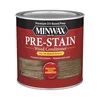 |
Minwax Clear Pre-Stain Wood Conditioner – $6.56 Mahogany’s interlocked grain can absorb oil-based stain unevenly across a single board. Applying this conditioner before staining, right after the 220-320 grit sanding step above, evens out absorption so you avoid the blotchy patches raw mahogany is prone to.
|
As an Amazon Associate we earn from qualifying purchases.
Staining and Finishing Unfinished Mahogany
Mahogany takes stain well once conditioned, and the wood’s natural reddish-brown base means even a light stain reads richer than it would on a pale species like maple.
| Stain Color | Effect on Mahogany |
|---|---|
| Natural / clear oil | Keeps the wood’s own reddish-brown tone, deepens with UV exposure over time |
| Dark walnut | Pushes the red toward a deeper brown, hides grain variation between boards |
| Cherry | Adds warmth without darkening much, popular for reproduction furniture |
- Test on scrap first: mahogany from different boards can absorb stain slightly differently even after conditioning.
- Apply with a natural-bristle brush or clean rag, working with the grain in long strokes.
- Wipe excess within 5-10 minutes to avoid a sticky, uneven film.
- Let it cure fully before topcoating – rushing this step is the most common cause of a cloudy finish.
Where Unfinished Mahogany Works Best
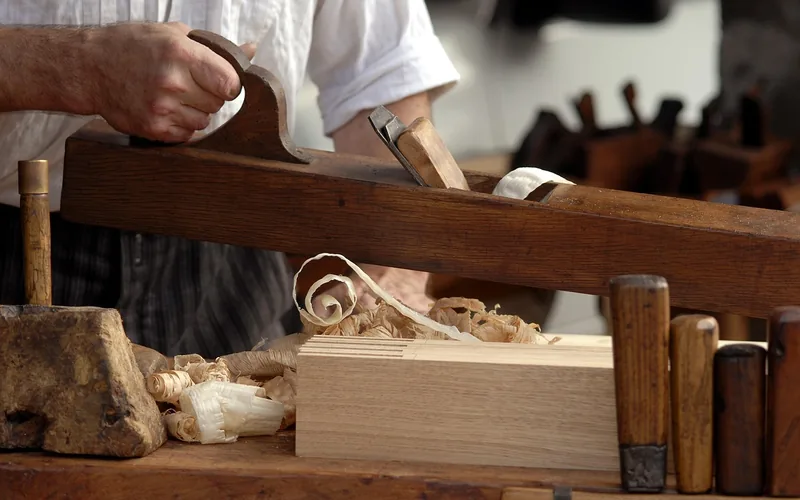
Buying it unfinished only pays off when the project actually benefits from custom control over color and sheen. Solid furniture pieces – dining tables, chairs, and cabinets – are the strongest fit, since mahogany’s strength and workability hold up under daily use and the open grain takes a hand-rubbed oil finish beautifully. Flooring is another good match: unfinished solid mahogany flooring can be site-finished to a satin, semi-gloss, or high-gloss sheen after installation, which lets it match trim already in the room instead of hoping a pre-finished product happens to align.
Smaller decorative work – picture frames, coasters, carved wall art – is where beginners get the most practice per board foot, since mistakes cost inches of an $8-15 board rather than an entire tabletop. Where unfinished mahogany makes less sense is outdoor exposed structural framing; for that, budget African mahogany or a rot-resistant softwood alternative is usually the more cost-effective choice, since the premium genuine species commands is spent mostly on appearance and workability, not on outdoor rot resistance beyond what a good finish already provides.
Sealing and Protecting the Finished Piece
A topcoat is what actually protects mahogany from moisture, UV fading, and daily wear – stain alone adds color but no durability. Oil finishes penetrate the grain and are easy to renew but offer the least physical protection; varnish and polyurethane build a harder film on top that resists water and scuffs better, at the cost of a longer cure time between coats.
- Oil finish (tung or Danish oil): easiest to apply and repair, lowest protection against spills and heat.
- Varnish: a hard, durable film, good for tabletops and high-use furniture.
- Lacquer: fast-drying with a glossy look, but less forgiving of application mistakes than oil or varnish.
Avoid harsh solvents on a finished piece – see does acetone damage wood for what strips a finish versus what is safe for routine cleaning. If a stained piece has gone darker than you wanted, our guide to lightening mahogany covers the fix without stripping back to bare wood.
Maintenance and Common Damage Fixes
A finished mahogany piece needs little beyond regular dusting and keeping it out of direct sun, since UV exposure is what most commonly fades or unevenly darkens the wood over time.
| Issue | Fix |
|---|---|
| Surface scratches | Fill with matching wood filler, sand lightly, re-oil the spot |
| Water rings | Wipe spills immediately; set drinks on coasters to prevent them |
| Uneven sun fading | Rotate furniture periodically; use UV-filtering window film near direct light |
Frequently Asked Questions
What Is Unfinished Mahogany Wood?
Unfinished mahogany wood is raw lumber, usually Swietenia or Khaya species, that has not been sanded, stained, or sealed. It retains its natural reddish-brown color and grain straight from the mill, which is why it is popular for custom furniture where the maker wants full control over the final finish.
How Can You Tell If Mahogany Is Real?
Press a fingernail into an inconspicuous spot; genuine mahogany barely dents because of its 800-900 lbf Janka hardness. On unfinished wood, a drop of iodine solution turning dark blue-black is another reliable sign, along with light brown parenchyma rows visible on the end grain.
Is Unfinished Mahogany Wood Durable?
Yes. Genuine mahogany resists rot and decay and holds up to both indoor and outdoor use with proper finishing. Its natural oils offer some built-in protection even before a topcoat is applied, and with routine care a piece can last for decades.
How Much Does Unfinished Mahogany Wood Cost?
Rough-cut mahogany runs roughly $6.50 to $15 per board foot depending on species and grade, with genuine Honduran mahogany at the top of that range and Philippine substitutes at the bottom. Planed, furniture-grade stock typically adds another $2 to $6 per board foot.
Can You Stain Unfinished Mahogany Wood?
Yes, and it takes stain well once conditioned. Apply a pre-stain wood conditioner first to prevent the blotching mahogany’s interlocked grain is prone to, then test your chosen stain color on a scrap piece before committing to the full project.
Conclusion
Unfinished mahogany rewards the extra step of verifying what you actually bought – the fingernail and iodine tests take seconds and save you from staining a softer substitute that will not age or perform the same way. Prepare it with a full sanding progression, condition before staining, and seal with a finish matched to how the piece will be used.
Sponsored / affiliate links. As an Amazon Associate I earn from qualifying purchases. I may earn additional commission from eligible campaigns.