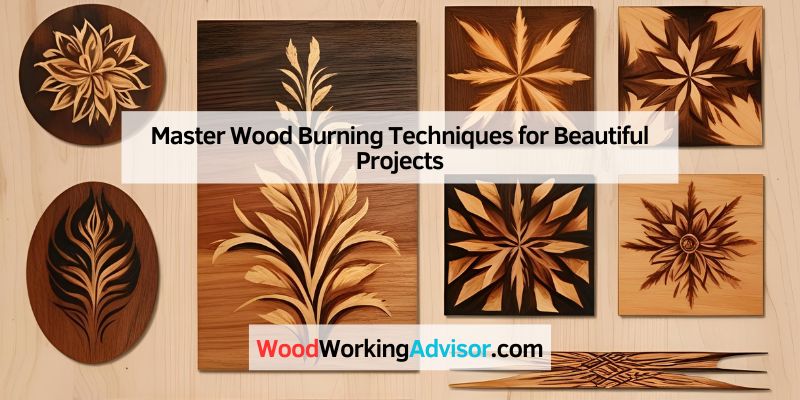
Master Wood Burning Techniques for Beautiful Projects
Wood burning, or pyrography, is a creative art. It transforms simple wood into stunning masterpieces.
Imagine creating intricate designs on wood, using only heat and precision. Wood burning is an ancient craft that combines skill, creativity, and patience. Many find it relaxing and rewarding. You can make personalized gifts or beautiful home decor. With the right techniques, your projects can look professional and unique.
Whether you’re a beginner or looking to improve your skills, learning the basics is essential. In this blog, discover essential wood burning techniques. Elevate your craft, and start creating beautiful wood projects today.
Credit: www.walmart.com
Introduction To Wood Burning
Wood burning, also known as pyrography, is an ancient art form. It involves using a heated tool to create designs on wood. Artists burn lines and shapes into the wood surface. This technique can produce stunning and detailed artwork.
Beginners and experts alike enjoy wood burning. It offers a unique way to personalize wooden items. From furniture to small trinkets, wood burning adds a special touch. Learn about its history and how it works.
What Is Wood Burning?
Wood burning is the process of decorating wood with burn marks. These marks are created using a heated metal tool. The tool can be a simple poker or a specialized pen. Artists control the heat to make different shades and textures.
Wood burning allows for a range of designs. From simple patterns to complex images, it’s versatile. Many use it to add intricate details to their projects. The results can be both rustic and elegant.
Historical Background
Wood burning has a long history. Ancient cultures used it for decoration and communication. People in Egypt, China, and Africa practiced pyrography. They used heated sticks and stones to create their designs.
In the 19th century, pyrography became more refined. Artists used metal tools heated by fire. This period saw the rise of wood burning as an art form. Today, modern tools make it accessible to all. The tradition continues, blending old techniques with new technology.
Essential Tools And Materials
Creating beautiful wood-burning projects requires the right tools and materials. Having the essential tools ensures your work is precise and enjoyable. Let’s explore the basic tools needed and how to choose the right wood for your projects.
Basic Tools Needed
First, invest in a quality wood-burning tool. Choose one with adjustable temperature settings. This allows for different burning techniques. A set of wood-burning tips is also essential. These tips come in various shapes and sizes. They help create different textures and details.
Next, a sanding block is important. It smooths the surface of the wood. This ensures a clean burn. Graphite transfer paper is also useful. It helps transfer your designs onto the wood. Safety gear is crucial too. Use gloves and goggles. Protect your hands and eyes from potential burns and debris.
Choosing The Right Wood
Choosing the right wood is vital for beautiful projects. Softwoods like pine and basswood are ideal. They burn easily and have a fine grain. Hardwoods like oak and maple are also good. They provide a durable finish but require more heat.
Avoid wood with a lot of resin. This can cause uneven burns. Also, steer clear of wood with a lot of knots. They can make burning difficult and unpredictable. Always ensure the wood is untreated. Chemicals in treated wood can be harmful when burned.
By selecting the right wood and tools, you’ll create stunning wood-burning projects. Your work will be smoother and more enjoyable.
Safety Precautions
Using proper safety gear while working with wood burning tools is essential. Keep your workspace well-ventilated and always work on a heat-resistant surface.
When diving into the art of wood burning, safety should be your top priority. Many enthusiasts, myself included, have experienced the allure of creating intricate designs. However, without proper precautions, the joy of crafting can quickly turn into a hazardous experience. Let’s ensure your journey remains both enjoyable and safe by focusing on essential safety measures.
Protective Gear
Always wear protective gear. This isn’t just about looking the part; it’s about safeguarding your well-being. Safety goggles shield your eyes from harmful smoke and flying debris. A respirator mask is crucial. Wood burning produces smoke and potentially toxic fumes. Protect your lungs from these irritants to avoid respiratory issues. Gloves are your best friends. They protect your hands from burns and provide a better grip on the tools. Opt for heat-resistant gloves for the best protection.
Safe Workspace Setup
Your workspace is your sanctuary. Make sure it’s well-ventilated. Proper airflow helps disperse smoke and fumes, making it safer for you to breathe. Work on a stable, non-flammable surface. Avoid materials that can catch fire easily. A sturdy wooden table or a metal workbench is ideal. Keep a fire extinguisher nearby. Accidents can happen, and it’s better to be prepared. Knowing you have a fire extinguisher within reach provides peace of mind. Organize your tools. A cluttered space can lead to accidental burns or fires. Keep your tools neatly arranged and easily accessible. By following these safety precautions, you can enjoy the art of wood burning without unnecessary risks. What other safety measures do you consider essential when working on your projects?

Credit: www.amazon.com
Basic Techniques
Wood burning, also known as pyrography, involves using a heated tool to create designs on wood. Basic techniques are essential for beginners. They help build the foundation for intricate projects. Start with simple methods and gradually progress.
Creating Simple Designs
Begin with basic shapes and patterns. Draw your design on paper first. Transfer it to wood using carbon paper. Use light strokes to outline the design. Follow the lines with your wood-burning tool. Practice on scrap wood. This helps improve control and precision.
Use simple lines and dots. These are easy to master. Avoid complex details initially. Focus on smooth, consistent strokes. This ensures clean designs. Simple patterns can be elegant. They form the basis for advanced techniques.
Using Different Tips
Wood-burning tools come with various tips. Each tip serves a different purpose. The rounded tip creates smooth lines. The pointed tip is perfect for details. Experiment with different tips. Find what works best for your design.
Change tips based on your project. For shading, use a flat tip. It covers more area. For intricate designs, use a fine tip. It allows precise control. Always test new tips on scrap wood first. This helps you understand their effects.
Proper tip usage enhances your work. It adds texture and depth. It makes designs more interesting. Rotate tips frequently. This maintains a fresh perspective. It keeps your projects dynamic.
Advanced Techniques
Discover the art of wood burning to create stunning projects. Learn various techniques for detailed and beautiful designs. Transform simple wood pieces into intricate masterpieces.
Wood burning has evolved into a sophisticated art form. Understanding advanced techniques can elevate your projects from ordinary to extraordinary. Let’s dive into two essential methods: Shading and Texturing, and Layering for Depth.
Shading And Texturing
Shading is crucial for adding realism to your wood-burning projects. By varying the pressure and duration of your burn, you can create a range of tones. For instance, lighter shading can be achieved by quickly moving your tool over the wood. For darker areas, hold the tool in place longer. Texturing adds a tactile element. Different tips can create unique effects; a ball tip can mimic stippling, while a skew tip can create fine lines. Experiment with these techniques on a scrap piece of wood to see what works best for your design.
Layering For Depth
Layering is about building your design in stages. Start with the basic outline, then add details in subsequent layers. Each layer should add more depth and complexity to your project. Think of it like painting; the first layer is the foundation. Use lighter burns for initial layers and gradually darken as you add more detail. This method gives your work a 3D effect. Consider using different tips and pressures for each layer. This will make your design more dynamic and engaging. Have you tried layering in your wood burning projects? If not, give it a go and notice how it transforms your work. By mastering these advanced techniques, you can create beautiful, detailed wood-burning projects that stand out.
Design Inspiration
Finding inspiration for wood burning designs can be exciting. The right design can turn a simple piece of wood into a stunning work of art. In this section, we explore some design ideas to spark your creativity.
Nature-inspired Designs
Nature offers endless design possibilities for wood burning projects. Think about leaves, trees, and flowers. These elements can add a calming touch to your creations. Try to capture the beauty of a forest or a single flower. Birds and animals also make for lovely designs. They can bring a sense of life and movement to your work.
Geometric Patterns
Geometric patterns can give your wood burning projects a modern look. Straight lines, circles, and triangles create interesting visual effects. These designs are simple yet striking. You can combine different shapes to form complex patterns. Symmetry is key in geometric designs. It can make your project look polished and professional.
Project Ideas
Wood burning projects can be incredibly rewarding. They allow for creativity and personal expression. Whether you’re a beginner or a seasoned pro, there are endless project ideas to explore. Below, we delve into some popular options that can add charm and personality to your creations.
Decorative Plaques
Decorative plaques are a fantastic starting point. They serve as excellent practice for your wood burning skills. Start with simple designs. Flowers, geometric patterns, or inspirational quotes work well.
As you gain confidence, try more intricate designs. Portraits or landscapes can add a sophisticated touch. These plaques make wonderful additions to any home. They can brighten up a living room or add charm to a kitchen.
Experiment with different wood types. Each one burns differently, giving unique results. Pine, birch, and maple are popular choices. They provide a smooth surface for detailed work.
Personalized Gifts
Personalized gifts are always appreciated. They show thoughtfulness and effort. Consider creating custom name signs. These are perfect for bedrooms or offices.
Another idea is to burn messages or quotes onto wooden coasters. These make great gifts for family and friends. You can also create custom cutting boards. They add a personal touch to any kitchen.
For special occasions, consider burning dates or initials onto wooden frames. These make excellent wedding or anniversary gifts. The possibilities are endless. Use your creativity to make each gift unique.
Credit: www.axminstertools.com
Care And Maintenance
Proper care and maintenance ensure wood burning projects remain beautiful. Regular cleaning and correct storage are crucial for longevity.
Wood burning projects are a labor of love. The intricate designs and patterns you create deserve to be preserved and maintained for years to come. Proper care and maintenance are crucial to keep your wood burning projects looking their best. This section will guide you on how to clean your tools and preserve your finished projects effectively.
Cleaning Tools
Keeping your tools clean is essential for achieving precise and beautiful results. After each session, wipe your wood burning tips with a damp cloth to remove any residue. This prevents buildup and ensures smooth, clean lines in your designs. If you notice stubborn residue, use a fine-grit sandpaper to gently polish the tips. Be careful not to damage the tool by applying too much pressure. Regular cleaning extends the life of your tools and enhances your project’s quality. Consider keeping a small container of rubbing alcohol nearby. Dipping a cotton swab in alcohol and gently rubbing it over the tool tip can also help remove tough residue. This quick cleaning routine will save you time and frustration in the long run.
Preserving Finished Projects
Once you’ve completed a beautiful wood burning project, preserving it is key to maintaining its appearance. Apply a clear sealant to protect your work from dust and moisture. A few light coats of polyurethane or shellac work well. Make sure to apply the sealant in a well-ventilated area. Allow each coat to dry completely before adding the next. This ensures a smooth, even finish that enhances the natural beauty of the wood. Store your projects in a cool, dry place away from direct sunlight. Sunlight can cause the wood to fade over time. Display your work in a way that prevents dust accumulation, such as behind glass or in a display case. Have you ever noticed how some wood burning projects seem to lose their luster over time? Regular maintenance can prevent this. Dust your projects gently with a soft cloth and avoid using harsh chemicals that could damage the finish. What are your favorite methods for preserving your wood burning projects? Share your tips and experiences in the comments below!
Frequently Asked Questions
What Are The Best Wood Burning Practices?
Use seasoned firewood for efficient burning. Keep the chimney clean. Ensure proper airflow. Avoid burning trash or treated wood. Use a fire screen for safety.
What Is The Difference Between Pyrography And Wood Burning?
Pyrography involves decorating wood or other materials with burn marks. Wood burning specifically refers to the art of burning designs onto wood.
How To Get Smooth Lines When Wood Burning?
Use a steady hand and light pressure. Select a fine-tipped wood burning tool. Sand the wood surface smoothly. Draw guidelines with a pencil. Practice on scrap wood first.
What Are The Different Styles Of Wood Burning?
The different styles of wood burning include pyrography, pointillism, shading, outlining, and texturing. Each style offers unique artistic effects.
Conclusion
Creating beautiful wood burning projects is rewarding. Practice helps improve your skills. Use quality tools for best results. Explore different techniques and styles. Enjoy the process and be patient. Mistakes happen; learn from them. Over time, you’ll create stunning pieces.
Share your work with others. Inspire creativity in your community. Happy wood burning!