Your Ultimate Guide to Menards Wood Burning Stove Pipe: Everything You Need to Know
Hey there! If you’re diving into the world of wood-burning stoves, you’ve probably come across the term “Menards wood burning stove pipe.” I know how exciting it can be to set up a cozy, warm space with a wood stove, but getting the right components can feel overwhelming. Trust me, I’ve been there—standing in the aisles of Menards, trying to figure out what pipe fits my stove and how it all comes together. That’s why I’m thrilled to share this guide with you. Whether you’re a seasoned woodworker or a first-time stove owner, I’ve explored every nook and cranny of Menards’ wood-burning stove pipe offerings to help you make sense of it all. Let’s break it down step-by-step, so you can confidently choose, install, and maintain your stove pipe system. Ready? Let’s get started!
What Is a Wood Burning Stove Pipe?
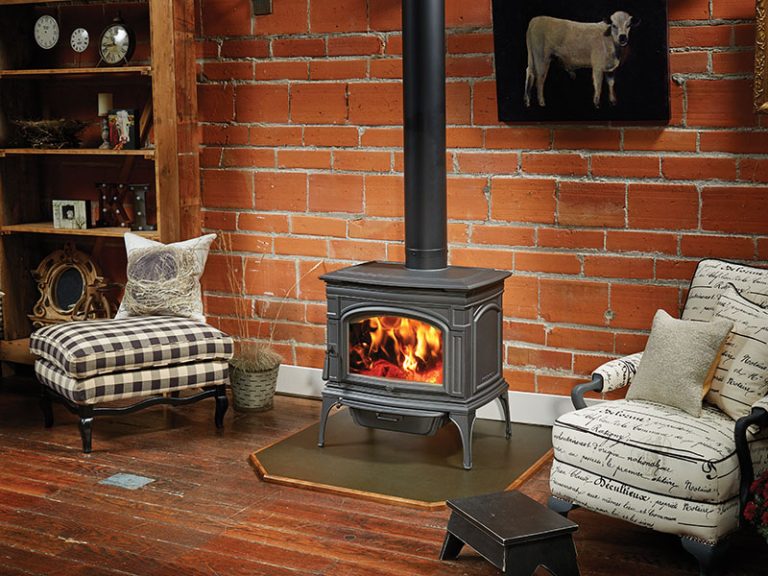
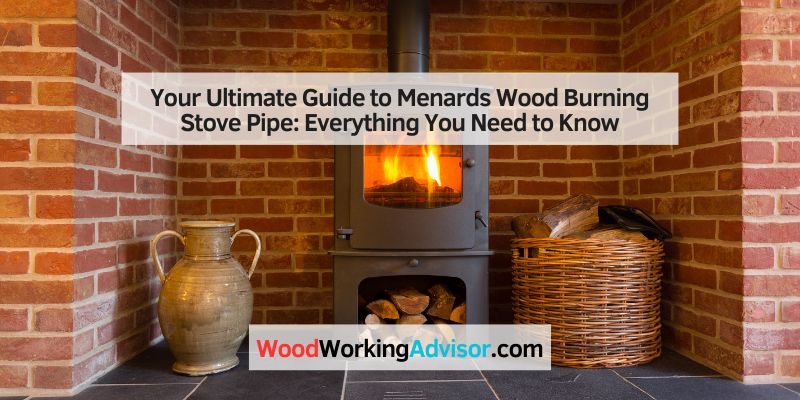
Let’s start with the basics. A wood-burning stove pipe, often called a chimney connector, is the pipe that connects your wood stove to the chimney. It carries smoke and exhaust gases from the stove to the outside, keeping your home safe and warm. Think of it as the bridge between your cozy fire and the great outdoors. Without a proper stove pipe, you risk smoke leaks, poor stove performance, or even dangerous fires.
At Menards, you’ll find a variety of stove pipes designed specifically for wood-burning stoves. These pipes come in different sizes, materials, and configurations to suit your setup. Most of the ones I’ve seen at Menards are made from durable materials like aluminumized steel or stainless steel, built to handle high temperatures—sometimes up to 800°F! They’re designed to be sturdy, safe, and easy to install if you know what you’re doing.
Why Choose Menards for Wood Burning Stove Pipes?
Menards is a go-to for homeowners and DIYers like me, and for good reason. Their selection of wood-burning stove pipes is impressive, and they carry trusted brands like Selkirk, known for quality and reliability. I love that Menards offers both single-wall and double-wall stove pipes, so you can pick what works best for your budget and setup. Plus, their prices are competitive, and they often have sales that make stocking up on stove pipe components a little easier on the wallet.
Another reason I keep going back to Menards is their in-store and online availability. Whether I’m browsing the aisles or shopping from my couch, I can find everything I need—pipes, adapters, dampers, and more. They also stock accessories like chimney caps and cleaning tools, so it’s a one-stop shop. If you’re in the Midwest like me, chances are there’s a Menards nearby, making it super convenient to grab what you need.
Types of Wood Burning Stove Pipes at Menards
When I first started looking at stove pipes, I was surprised by the variety. Menards carries several types, each with its own purpose. Let’s break down the main ones you’ll find:
Single-Wall Stove Pipe
Single-wall stove pipes are made of a single layer of steel, usually coated with a high-heat black finish. They’re affordable and great for connecting your stove to the chimney in a straight, short run. I’ve used these in smaller setups where the pipe doesn’t need to pass through walls or ceilings. However, they require a larger clearance (usually 18 inches) from combustible materials like wood or drywall because they get very hot.
Double-Wall Stove Pipe
Double-wall stove pipes are my go-to for most installations. They have an inner and outer layer with insulation in between, which keeps the outer surface cooler. This means you can install them closer to walls—sometimes as close as 6 inches, depending on the model. They’re pricier than single-wall pipes, but I think the added safety and efficiency are worth it, especially in homes with tight spaces.
Insulated Chimney Pipe (Class A)
Menards also carries insulated chimney pipes, often called Class A pipes, which are used for the portion of the system that goes through walls, ceilings, or outside. These are double-walled with insulation to keep exhaust gases hot and prevent heat loss. I’ve found Selkirk’s “Super Vent” line at Menards to be a solid choice for this. They’re UL-certified, which gives me peace of mind knowing they meet strict safety standards.
Here’s a quick comparison of the types:
| Type | Material | Clearance Needed | Best For | Price Range |
|---|---|---|---|---|
| Single-Wall Stove Pipe | Aluminumized Steel, Black | 18 inches | Short, straight runs inside the home | $10–$30 per section |
| Double-Wall Stove Pipe | Stainless Steel, Insulated | 6–9 inches | Closer proximity to combustibles | $30–$80 per section |
| Insulated Chimney Pipe | Stainless Steel, Insulated | Varies by model | Through walls, ceilings, or outdoors | $50–$150 per section |
Key Components of a Menards Wood Burning Stove Pipe System
Setting up a stove pipe system isn’t just about the pipe itself. You’ll need a few other pieces to make it work safely and efficiently. Here’s what I’ve learned about the essential components available at Menards:
Stove Pipe Adapter
This little piece is a lifesaver. It connects the stove’s flue collar (the outlet on top or back of your stove) to the stove pipe. Menards has adapters for different stove and pipe sizes, so you can match a 6-inch stove collar to a 6-inch pipe, for example. I always double-check the measurements to ensure a snug fit.
Damper
A damper is like a control knob for your fire. It’s a metal disc inside the pipe that you can adjust to control airflow. This helps you manage how fast or slow your fire burns. Menards carries dampers that fit both single- and double-wall pipes. I recommend getting one if your stove doesn’t have a built-in damper—it’s a game-changer for efficiency.
Ceiling Flange Kit
If your pipe goes through a ceiling, you’ll need a ceiling flange kit. This is a metal piece that screws into the ceiling to support the pipe and keep it secure. Menards’ kits are designed to work with their chimney pipes, and they often include insulation shields to protect nearby combustibles.
Chimney Cap
A chimney cap sits on top of your chimney to keep out rain, animals, and debris. I learned the hard way that skipping this can lead to a clogged chimney! Menards has a variety of caps, including spark arrestors, which are great for preventing stray sparks from starting fires.
Elbows and Tees
Sometimes, your pipe can’t go straight up. That’s where elbows (for bends) and tees (for branching off) come in. Menards stocks 45-degree and 90-degree elbows, but I try to minimize bends because they can reduce draft and collect creosote faster.
How to Choose the Right Stove Pipe at Menards
Picking the right stove pipe can feel like a puzzle, but I’ve got a few tips to make it easier. First, measure your stove’s flue collar. Most wood stoves have a 6-inch or 8-inch collar, and Menards’ pipes are designed to match those sizes. If you’re unsure, check your stove’s manual or measure the opening yourself.
Next, consider your installation path. If the pipe will stay inside your home and connect directly to a chimney, a single-wall pipe might be fine. But if it’s going through a wall or ceiling, go for a double-wall or Class A pipe for safety. I always check the clearance requirements for my setup—18 inches for single-wall, less for double-wall.
Also, think about your budget. Single-wall pipes are cheaper, but double-wall pipes last longer and are safer in tight spaces. Menards often has deals, so keep an eye out for discounts. Finally, make sure all components are compatible. Stick with one brand, like Selkirk, to avoid fitting issues.
Installation Tips for Menards Wood Burning Stove Pipes
Installing a stove pipe might seem daunting, but I’ve done it a few times, and it’s manageable with the right approach. Here’s how I tackle it:
- Plan Your Route: Map out where the pipe will go from the stove to the chimney. Try to keep it as straight as possible—bends can weaken the draft. I always sketch a quick diagram to visualize the path.
- Check Clearances: Single-wall pipes need 18 inches of clearance from walls, furniture, or curtains. Double-wall pipes need less, but always check the manufacturer’s specs. I use a tape measure to be sure.
- Use the Right Tools: You’ll need a screwdriver, self-tapping screws, and maybe a level to ensure the pipe is straight. Menards sells high-heat screws that won’t rust or warp.
- Install with the Male End Down: This is a big one. For snap-lock pipes, install them so the male (crimped) end points down toward the stove. This keeps creosote and condensation inside the pipe, not leaking out.
- Secure Every Joint: Use at least three screws per joint to lock the pipe sections together. I paint over the screws with high-heat black paint to keep things looking clean.
- Test the Draft: Once installed, light a small fire and check for smoke leaks. If smoke spills into the room, you might need to adjust the pipe or check the chimney for blockages.
If you’re not comfortable doing this yourself, I highly recommend hiring a professional. A bad installation can lead to fires or carbon monoxide issues, and that’s not worth the risk.
Maintenance and Cleaning of Menards Stove Pipes
Once your stove pipe is installed, keeping it clean is crucial. Creosote, a tar-like buildup from burning wood, can collect inside the pipe and cause chimney fires if left unchecked. Here’s how I maintain my Menards stove pipe:
- Inspect Monthly: During the heating season, I check the pipe for creosote buildup. A flashlight and a mirror help me see inside. If I spot a layer thicker than 1/8 inch, it’s time to clean.
- Clean Annually: I use a chimney brush (available at Menards) to scrub the pipe. Start from the top and work down, collecting debris in a bucket at the stove. Menards also sells chimney-cleaning logs that help loosen creosote, but they’re not a substitute for a thorough cleaning.
- Burn Seasoned Wood: Wet or green wood produces more creosote. I only burn dry, seasoned hardwood to keep buildup to a minimum.
- Check for Damage: Look for rust, dents, or cracks in the pipe. If you see any, replace the section immediately. Menards has replacement sections that match their systems.
Regular maintenance keeps your stove running efficiently and safely. It’s a bit of work, but it’s worth it for those cozy winter nights.
Safety Considerations for Wood Burning Stove Pipes
Safety is my top priority when using a wood-burning stove. Here are some lessons I’ve learned to keep things safe:
- Keep Combustibles Away: Furniture, curtains, and firewood need to be at least 36 inches from the stove and 18 inches from single-wall pipes. I rearranged my living room to make sure nothing’s too close.
- Use UL-Certified Components: Menards’ Selkirk pipes are UL-certified, meaning they’ve been tested for safety. Stick with these to avoid risks.
- Install a Carbon Monoxide Detector: Wood stoves can produce carbon monoxide if not vented properly. I have a detector near my stove, just in case.
- Never Burn Trash: Burning paper, plastic, or treated wood can release toxic fumes and increase creosote buildup. I stick to natural, seasoned wood.
- Check Local Codes: Some areas have strict rules about stove installations. I called my local building office to make sure my setup complies.
Cost of Menards Wood Burning Stove Pipes
The cost of a stove pipe system at Menards depends on what you need. A single-wall 6-inch by 24-inch pipe might cost $10–$30, while a double-wall version could run $30–$80. Class A chimney pipes are pricier, often $50–$150 per section. Add in adapters, dampers, and a chimney cap, and a full system might cost $200–$1,000, depending on the complexity.
I’ve found that Menards’ prices are often lower than competitors like Home Depot or online retailers, especially if you catch a sale. If you’re on a budget, start with a simple single-wall setup and upgrade to double-wall later if needed.
My Experience with Menards Stove Pipes
When I installed my first wood stove, I was nervous about getting the pipe system right. I spent hours at Menards, chatting with their staff and comparing options. I ended up choosing a Selkirk double-wall system because my stove was close to a wall, and I wanted the extra safety. The snap-lock design made installation a breeze, and the system has held up for years with minimal maintenance.
One thing I love about Menards is their helpful staff. When I wasn’t sure about sizing, an employee walked me through the measurements and even suggested a damper to improve efficiency. It’s those little touches that make shopping there a pleasure.
Conclusion
Exploring the world of Menards wood-burning stove pipes has been a game-changer for me, and I hope this guide makes it easier for you too. From choosing the right pipe to installing and maintaining it, every step is about creating a safe, warm, and inviting home. Menards offers a fantastic range of options, from budget-friendly single-wall pipes to durable double-wall systems, all backed by trusted brands like Selkirk. Whether you’re heating a cozy cabin or a spacious home, their products make it possible to enjoy the charm of a wood stove without breaking the bank.
Take your time, plan carefully, and don’t hesitate to ask for help—whether from Menards’ staff or a professional installer. With the right stove pipe system, you’ll be ready to enjoy those crackling fires all winter long. So, head to Menards, grab your components, and let’s make your wood-burning dreams a reality!
FAQs
What’s the difference between single-wall and double-wall stove pipes at Menards?
Single-wall stove pipes are made of one layer of steel and are cheaper, but they need 18 inches of clearance from combustibles. Double-wall pipes have an insulated layer, allowing closer installation to walls (6–9 inches) and better safety. Menards carries both, so choose based on your space and budget.
Can I install a Menards stove pipe myself?
Yes, if you’re handy and follow the instructions carefully. Measure your stove’s flue collar, plan the pipe route, and ensure proper clearances. Use screws to secure joints and check for leaks. If you’re unsure, hire a professional to avoid safety risks.
How often should I clean my Menards stove pipe?
Clean it at least once a year, ideally before the heating season. Check monthly for creosote buildup during heavy use. Menards sells chimney brushes and cleaning logs to make it easier. Burning seasoned wood also reduces creosote.
Are Menards stove pipes compatible with all wood stoves?
Most Menards pipes, like Selkirk’s, fit standard 6-inch or 8-inch flue collars. Check your stove’s manual for the collar size and match it to the pipe. Adapters can help with odd sizes, but stick with one brand for a seamless fit.
How much does a complete stove pipe system cost at Menards?
A basic single-wall system might cost $200–$500, while a double-wall or Class A system could run $500–$1,000, depending on length and components. Menards’ prices are competitive, and sales can lower the cost.