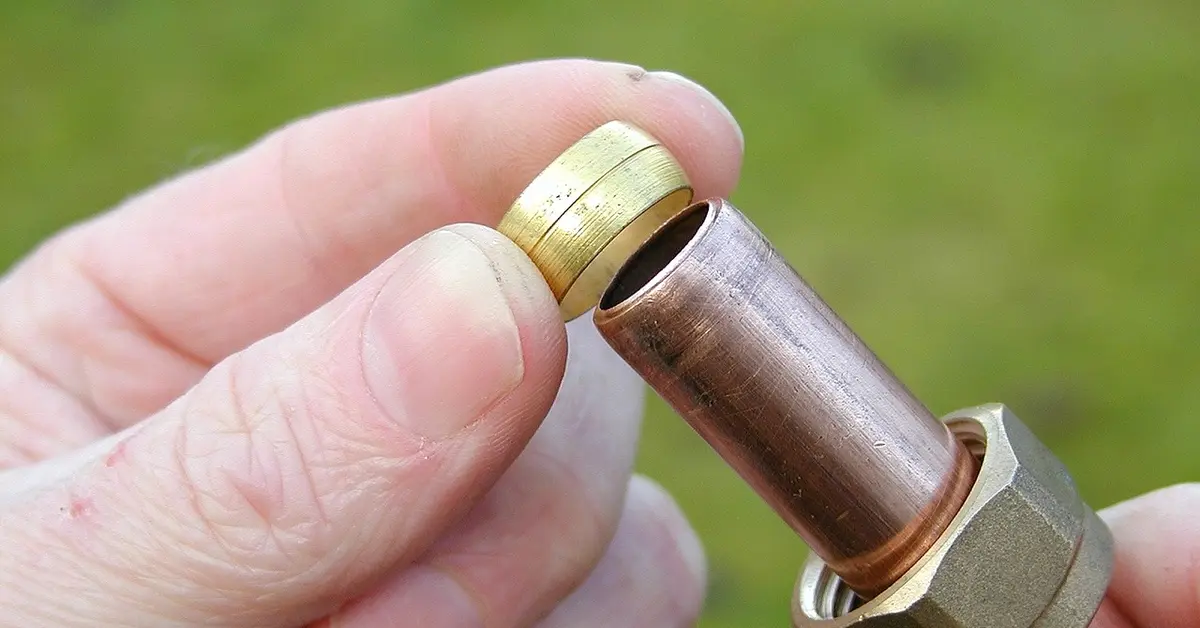
Metal Pipe Glue: Works on Copper, Steel and Brass
Metal pipe glue is a solvent-based adhesive that bonds copper, steel, and brass pipe joints without welding, curing into a leak-proof seal resistant to heat and chemicals. Skip the surface prep — degreasing and roughening the metal — and the bond fails under normal water pressure within months. This guide covers how to apply it correctly, what makes the bond last, and which metals it works on.
The Problem With Metal Pipe Bonding
Best Metal Pipe Glue Pick
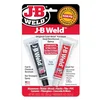
J-B Weld Original Cold-Weld Steel Epoxy (2x1oz) – $6.49
Fuel and chemical resistant, steel-reinforced epoxy that bonds without welding – matches the degrease-roughen-dry surface prep this guide walks through for a secure joint.
- Best for: Copper, steel, and brass pipe joints needing a permanent bond
- Why we picked it: Steel-reinforced formula rated 6,220 PSI, resists heat and chemicals
- Main drawback: Full cure takes 15-24 hours, so the joint cannot be pressurized right away
Compare more metal pipe glue options
 Option 1 J-B Weld MarineWeld Syringe (25ml) – $5.77
|
 Option 2 PC-Products PC-Metal Epoxy Putty (2oz) – $8.99
|
 Option 3 RectorSeal Pipe Repair Kit – $13.58
|
As an Amazon Associate we earn from qualifying purchases.
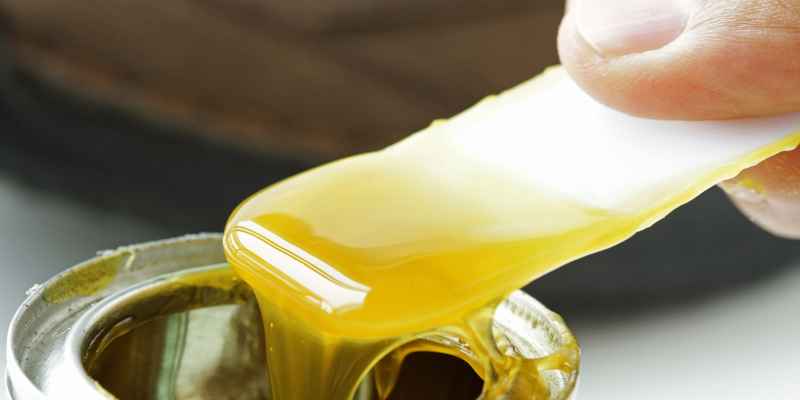
Metal pipes are essential components in various applications, but bonding them securely can pose significant challenges. Without proper bonding, leaks and structural weaknesses may occur, leading to system failures.
Common Challenges
- Inconsistent surface textures hinder adhesion.
- High temperatures can weaken traditional adhesives.
- Metal pipes often have oily or dirty surfaces.
- Differences in expansion rates can loosen bonds over time.
Importance Of Secure Bonding
- Leak prevention: Proper bonding ensures watertight seals.
- Structural integrity: Prevents pipe breakage and system failures.
- Longevity: Secure bonds contribute to long-lasting installations.
- Safety: Reliable bonding reduces the risk of accidents.
Introducing Metal Pipe Glue
Key Features
Metal Pipe Glue offers a solution for securely joining metal pipes without the need for welding — see our glue buying guide if you are also working with wood on the same project.
Advantages Over Traditional Methods
With Metal Pipe Glue, you can achieve quick and durable connections, saving time and effort.
Application And Best Practices
When it comes to using metal pipe glue, following the correct application and best practices is crucial for ensuring a strong and long-lasting bond. From proper surface preparation to the step-by-step application process, taking the right approach is essential for achieving optimal results.
Surface Preparation
Before applying the metal pipe glue, it’s essential to properly prepare the surface to ensure a clean and secure bond. Begin by cleaning the surfaces that will be bonded using a degreaser to remove any dirt, oil, or debris. Use a fine-grit sandpaper to roughen the surfaces, promoting better adhesion. Ensure the surfaces are completely dry before proceeding with the application.
Step-by-step Application Process
Follow these steps for the effective application of metal pipe glue:
- Apply a small amount of the metal pipe glue to one of the surfaces using the provided applicator or a brush.
- Join the surfaces together immediately after applying the glue, ensuring a tight and secure fit.
- Hold the surfaces together firmly for the recommended setting time as per the manufacturer’s instructions — most epoxies are sandable once fully cured if you need to clean up the joint.
- Wipe away any excess glue using a clean cloth before it dries — once cured, excess epoxy is much harder to remove from the surface.
- Allow the bond to cure for the recommended time before subjecting it to any pressure or stress.
Ensuring Longevity And Durability
When it comes to metal pipe installation, one key element that should never be overlooked is the adhesive used to secure the pipes together. A strong and reliable adhesive is crucial in ensuring the longevity and durability of the overall pipeline system. In this blog post, we will explore the importance of using metal pipe glue that not only provides resistance to corrosion but also has a significant impact on the overall integrity of the pipeline.
Resistance To Corrosion
Corrosion is one of the main threats that metal pipes face over time. Exposure to moisture, chemicals, and various environmental factors can cause corrosion, leading to damage and leaks in the pipeline system. A high-quality metal pipe glue, specifically formulated to resist corrosion, acts as a protective barrier between the metal surface and external elements.
By creating a strong bond that seals any gaps and prevents water or other corrosive substances from infiltrating the pipe joints, this adhesive ensures the longevity of the pipeline system. The resistance to corrosion provided by the metal pipe glue helps to mitigate the risks associated with metal deterioration and extends the lifespan of the pipes and the overall infrastructure.
Impact On Overall Pipeline Integrity
The integrity of a pipeline system depends on the strength and durability of its components, including the adhesive used for pipe connections. Metal pipe glue plays a vital role in maintaining the structural integrity of the pipeline, as it ensures a secure and robust bond between the pipes.
When metal pipes are joined using a reliable adhesive, it forms a tight seal that can withstand the internal pressure and external forces experienced during operation. This prevents leaks, cracks, or separation of pipes, which could lead to significant disruptions, costly repairs, and potential hazardous incidents. The adhesive acts as a reinforcement, enhancing the overall stability and reliability of the pipeline system.
Moreover, using a high-quality metal pipe glue eliminates the need for additional support mechanisms such as clamps or brackets. This not only streamlines the installation process but also reduces the risk of weak spots or points of failure along the pipeline.
Frequently Asked Questions For Metal Pipe Glue
What Is Metal Pipe Glue Used For?
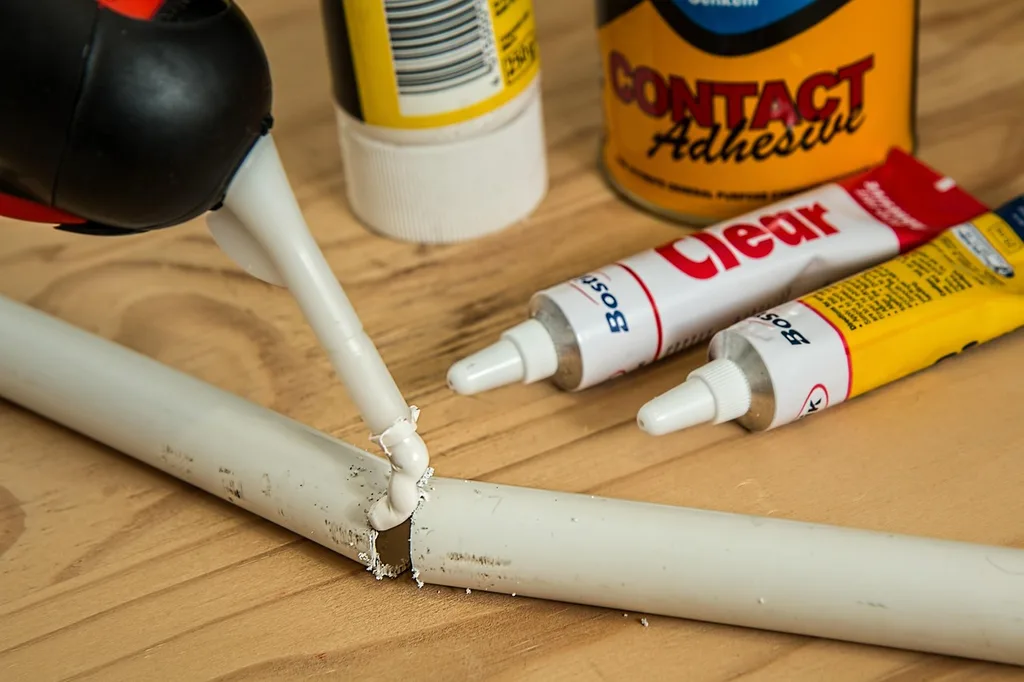
Metal pipe glue is a specialized adhesive designed to bond metal pipes and fittings together. It creates a strong, durable connection that is resistant to heat, pressure, and chemicals. Whether you’re working on plumbing, HVAC, or automotive projects, metal pipe glue ensures leak-free and secure joints.
How Does Metal Pipe Glue Work?
Metal pipe glue works by chemically bonding the surfaces of metal pipes and fittings. It typically contains solvents that soften the surfaces of the metal, allowing them to form a strong bond when they come into contact. After applying the glue and joining the pipes, the solvent evaporates, leaving behind a solid and secure connection.
Is Metal Pipe Glue Waterproof?
Yes, metal pipe glue is typically waterproof. It forms a tight seal around the joints, preventing any leaks or water damage. However, it’s important to ensure that the glue is specifically designed for metal pipes and fittings, as other types of adhesive might not provide the same level of waterproofing.
Can Metal Pipe Glue Be Used For All Types Of Metal Pipes?
Metal pipe glue is suitable for use with most types of metal pipes, including copper, steel, and brass — if you are joining wood to metal instead, see our wood-to-metal bonding guide. However, it’s essential to check the manufacturer’s instructions to ensure compatibility with the specific type of metal you are working with. Some adhesives may have limitations or require additional preparation for certain metals.
Conclusion
Metal pipe glue offers a reliable solution for joining metal pipes together securely. With its strong bonding properties and resistance to various elements, this type of adhesive is essential for plumbing and industrial applications. Choosing the right metal pipe glue ensures a durable and long-lasting connection, making it a valuable addition to any professional or DIY toolkit.
Sponsored / affiliate links. As an Amazon Associate I earn from qualifying purchases. I may earn additional commission from eligible campaigns.