Metal Shelving for Storage: Weight Rating Is Per Shelf, Not Per Unit
A metal shelving unit’s advertised weight capacity is almost always a total across the whole unit, not a per-shelf number — a “2,500 lb” 5-shelf unit generally means roughly 500 lbs per shelf when the load is spread evenly, not 2,500 lbs stacked on one shelf. Missing this distinction is the most common reason a shelf bows or fails well under what the buyer thought was the rated capacity.
Reading the Weight Rating Correctly
Rated Per-Shelf, Clearly Stated
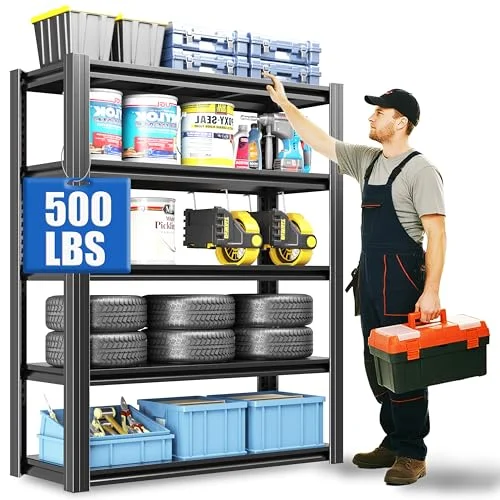 |
EKJ 72″ 5-Tier Adjustable Metal Shelving, 2,500 lb Total – $89.99 Total capacity spread across 5 shelves — roughly 500 lbs per shelf when evenly loaded.
|
Check the product listing specifically for whether the stated number is “total capacity” or “per shelf” — reputable listings state this directly, and if it’s ambiguous, dividing the total by the number of shelves gives a conservative real-world estimate. Loading matters too: a unit rated for even distribution can fail well below its stated number if most of the weight sits on one shelf or concentrated in one spot rather than spread across the shelf’s full surface.
Wire vs. Solid Shelf Panels
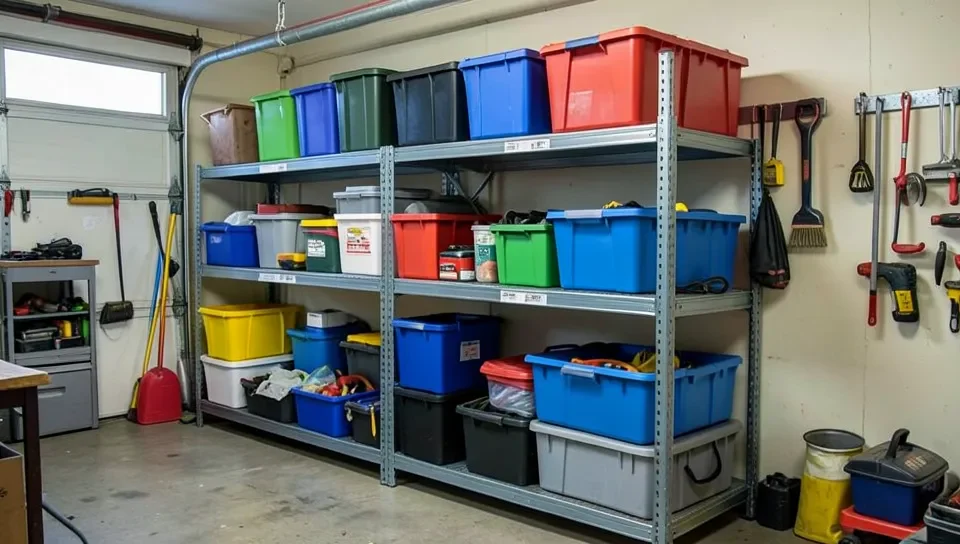
Wire-grid shelving (a lattice of steel wire rather than a solid panel) is lighter, cheaper, and lets dust and moisture pass through rather than collect on the surface, making it a common choice for pantry or closet storage. A solid steel panel shelf handles small or irregularly-shaped items better without them falling through gaps, and generally distributes weight more evenly across the panel than a wire grid does under a concentrated load. Neither is objectively better — the choice comes down to what’s actually being stored, not just price.
Anchoring: Not Optional for a Tall Unit
A tall, narrow shelving unit loaded top-heavy is a real tip-over risk, and most units include (or should have added) an anti-tip wall anchor kit for exactly this reason — skipping it because the unit “feels stable” empty is a common mistake that only becomes obvious once it’s loaded and someone bumps it or a child climbs a lower shelf. This matters more for a narrower, taller unit than a low, wide one of the same total capacity, since the tipping risk is about the height-to-base ratio, not the weight alone.
Steel Gauge and Finish: What They Actually Tell You
Steel gauge is a thickness measurement where a lower number means thicker, stronger steel — 18-gauge steel is meaningfully sturdier than 22-gauge, and a listing that states gauge directly is giving you a more concrete strength signal than a vague “heavy-duty” marketing claim alone. Finish matters for a different reason: powder coating and galvanized/zinc finishes both resist rust, but galvanized generally holds up better in a genuinely damp basement or garage, while powder coating offers more color options and a smoother finish for indoor storage where moisture isn’t a real concern.
Boltless vs. Bolted Assembly
Boltless (rivet-shelf) units snap together with angled slots and no hardware, assembling in minutes and allowing shelf height changes without tools — the standard choice for most home garage and closet shelving. Fully bolted units take longer to assemble and adjust but are generally more rigid under heavy or uneven loads, which matters more for genuinely heavy-duty commercial or workshop use than for typical home storage. For most home buyers, boltless is the more practical choice; bolted construction is worth the extra assembly time specifically when the unit will regularly hold near its rated maximum. Check that leveling feet or adjustable glides are included too — an uneven garage or basement floor is common, and a unit without leveling adjustment can end up racked slightly out of square, which stresses the joints more than the load itself does over time.
Frequently Asked Questions
Is a shelving unit’s weight rating per shelf or for the whole unit?
Usually the whole unit’s total capacity, split roughly evenly across the number of shelves. Check the specific listing, and when unclear, divide the total by the shelf count for a conservative estimate.
Is wire or solid-panel metal shelving better?
Neither is universally better. Wire shelving is lighter and resists dust/moisture buildup; solid panels handle small or irregular items better and distribute weight more evenly under a concentrated load.
Do I need to anchor metal shelving to the wall?
Yes, especially for a tall, narrow unit. Anti-tip anchoring prevents tipping once the unit is loaded, which is a real risk that’s easy to overlook when the unit feels stable empty.
Conclusion
The real question for metal shelving isn’t just “how much weight can it hold,” it’s how that capacity is actually distributed — check whether the rating is total or per-shelf, load heavier items lower and spread evenly, and anchor a tall unit to the wall regardless of how sturdy it feels when empty.
Sponsored / affiliate links. As an Amazon Associate I earn from qualifying purchases. I may earn additional commission from eligible campaigns.