Milwaukee vs. Makita: The Battery Platform Decision That Actually Matters
Milwaukee and Makita batteries are not cross-compatible — each uses its own proprietary rail-and-clip design, so an M18 battery physically won’t fit a Makita 18V LXT tool without an adapter. That single fact is the real decision most buyers are actually making when they pick between these brands: once you own a few batteries and chargers in one platform, switching brands later means either an adapter, a parallel second battery investment, or replacing tools outright. For a broader look at how six major brands compare on warranty and price, see our tool brand comparison.
Company Background: Independent vs. Conglomerate-Owned
If You’re Stuck With Batteries From Both
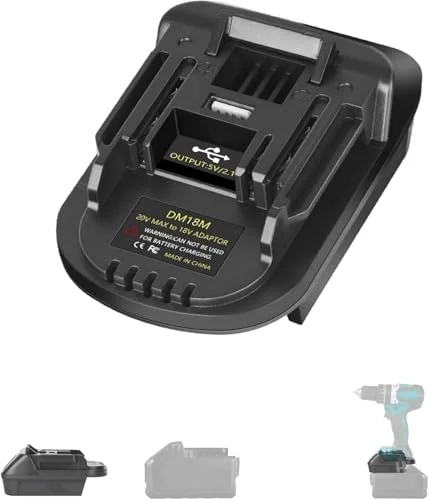 |
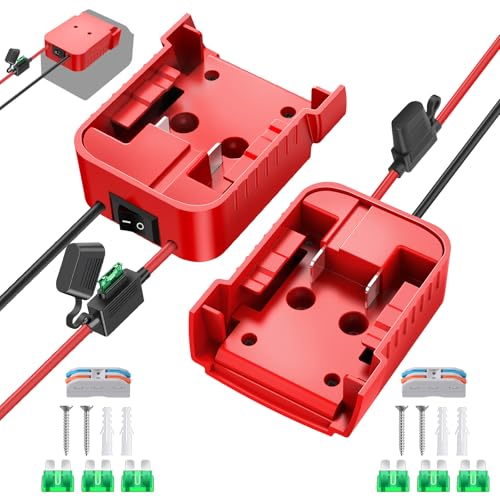
Milwaukee M18 to Makita 18V Battery Adapter – $16.99 Lets a Milwaukee M18 battery power a Makita 18V LXT tool — useful if you’ve ended up owning both platforms rather than committing to one.
|
Milwaukee Electric Tool Corporation was founded in 1924 and has been owned by Techtronic Industries (TTI), a Hong Kong-based conglomerate, since 2005 — TTI also owns Ryobi and Ridgid, among other brands. Makita, founded in 1915 in Nagoya, Japan, remains an independent, publicly traded Japanese company with no parent conglomerate. This isn’t just corporate trivia: it affects each brand’s product strategy, since TTI can share underlying technology and manufacturing across its full brand portfolio in ways an independent single-brand company like Makita doesn’t.
Warranty: A Real, Verifiable Difference
Milwaukee backs its tools with a 5-year warranty. Makita’s lithium-ion tools, batteries, and chargers carry a 3-year limited warranty, with most other Makita products covered for 1 year. This is a genuine, checkable difference between the two brands, not marketing spin — if warranty length factors into your decision, Milwaukee’s stated coverage is longer on the comparable product categories.
Where Each Brand’s Reputation Actually Comes From
Milwaukee built its current reputation heavily on its M18 FUEL brushless line and the One-Key system, a Bluetooth-based tool tracking and customization platform unique to Milwaukee among the major brands. Makita’s reputation centers more on its 18V LXT platform’s sheer size — one of the largest cordless tool ecosystems by number of compatible tools sharing one battery — and a longer-standing reputation for smoother, quieter motor operation, particularly in older brushed-motor tools before brushless became standard across the industry.
Milwaukee’s One-Key System: A Genuine Point of Difference
One-Key is a Bluetooth-based app system unique to Milwaukee among the major cordless brands, letting compatible tools be tracked (useful for jobsite theft recovery), customized (adjusting torque and speed settings digitally rather than only through a physical dial), and monitored for usage data over time. It’s a genuine differentiator, not just marketing — no equivalent system exists across Makita’s lineup at the same scale. Whether it matters to you depends heavily on use case: a solo hobbyist woodworker gets little practical benefit from tool-tracking and fleet-management features built for contractors managing multiple tools across a crew and jobsite.
Noise, Vibration, and Ergonomics
Makita has a long-standing reputation, dating back to its brushed-motor era, for smoother and quieter tool operation compared to competitors — a reputation that predates the brushless-motor standardization now common across the whole industry, including Milwaukee’s current lineup. With both brands now offering brushless motors across their premium lines, the noise and vibration gap has narrowed considerably compared to a decade ago, though individual tool models within each lineup still vary meaningfully in ergonomics and balance. This is genuinely a “handle it before buying” category rather than one where brand alone predicts your comfort with a specific tool — grip size, weight distribution, and trigger feel vary by individual model within each brand’s own catalog.
Tool Range Breadth
Makita’s 18V LXT platform is frequently cited as one of the largest single-battery cordless ecosystems in the industry by number of compatible tools, spanning everything from standard drills to outdoor power equipment sharing the same battery. Milwaukee’s M18 platform is comparably broad and has aggressively expanded into outdoor equipment and specialty trade tools in recent years, backed by TTI’s broader manufacturing scale. For most woodworking and general DIY use, both platforms cover the core tool categories (drills, impact drivers, circular saws, oscillating tools) thoroughly enough that range breadth only becomes a deciding factor for specialty trades or anyone wanting an entire outdoor equipment lineup on the same battery as their power tools.
The Real Decision: Which Ecosystem Fits Your Existing Tools
For most buyers, the practical decision isn’t really about which brand makes a marginally better drill — both make genuinely competent professional-grade tools. It’s about which battery ecosystem you’re willing to commit to, since every additional tool bought in a platform deepens the cost of ever switching later. If you’re starting from scratch with no existing batteries, compare the specific tools you’ll actually use most (check current lineup breadth and specific model reviews) rather than deciding on brand reputation alone. If you already own batteries in one platform, the switching cost from buying into the other is usually the deciding factor in practice, regardless of which brand’s flagship drill tests marginally better in a given review.
Price Positioning in Practice
Neither brand is uniformly cheaper across its entire catalog — pricing varies by specific tool and whether you’re comparing a bare tool, a kit with battery and charger, or a specific generation within each platform. In the professional trade-tool tier, Milwaukee and Makita generally land in a similar price band for comparable specs, with the real cost difference usually coming down to which specific tools and kit configurations you need rather than one brand being categorically the budget option. Comparing the exact bare-tool or kit price for the specific models you’re actually choosing between is more reliable than assuming either brand is the cheaper one by reputation.
Availability and Retail Presence
Milwaukee has strong distribution through major home improvement retailers alongside professional trade suppliers, making it easy to find in a typical big-box hardware store. Makita has a similarly broad retail footprint but has traditionally leaned somewhat more toward professional trade and specialty tool suppliers in some regions, alongside standard retail availability. In practice, both brands are widely available enough in most markets that retail access rarely ends up being the deciding factor between them — the battery ecosystem commitment remains the more consequential decision.
Frequently Asked Questions
Are Milwaukee and Makita batteries interchangeable?
No. Each brand uses its own proprietary battery rail-and-clip design. An adapter is required to use one brand’s battery on the other’s tools.
Who owns Milwaukee Tools and Makita?
Milwaukee has been owned by Techtronic Industries (TTI), a Hong Kong-based conglomerate, since 2005. Makita remains an independent, publicly traded Japanese company founded in 1915, with no parent conglomerate.
Does Milwaukee or Makita have a longer warranty?
Milwaukee offers a 5-year warranty on its tools. Makita’s lithium-ion tools, batteries, and chargers carry a 3-year limited warranty.
What is Milwaukee’s One-Key system?
A Bluetooth-based app system unique to Milwaukee that lets compatible tools be tracked, digitally customized, and monitored for usage over time. Makita has no directly equivalent system at the same scale.
Conclusion
Both Milwaukee and Makita make genuinely competent professional tools, and the real decision usually comes down to which battery ecosystem you’re prepared to commit to, not which specific drill scores marginally higher in a review. Check warranty terms (5 years for Milwaukee vs. 3 years for Makita’s lithium-ion line), decide whether Milwaukee’s One-Key tracking system actually matters for your use case, and factor in that switching platforms later means an adapter or a parallel battery investment either way.
Sponsored / affiliate links. As an Amazon Associate I earn from qualifying purchases. I may earn additional commission from eligible campaigns.