Most Sun-Tolerant Japanese Maple Varieties
Finding the right Japanese maple can be tricky. Many people think all Japanese maples need shade, but that’s not quite true. Some varieties can handle more sun than others.
This can be confusing if you’re just starting out with these beautiful trees. Don’t worry, we’ll make it easy to pick one that will thrive in your yard. Let’s explore which ones are the Most Sun-Tolerant Japanese Maple Varieties and how to care for them.
We’ll walk through everything step by step.
Exploring Most Sun-Tolerant Japanese Maple Varieties
Japanese maples are famous for their graceful shapes and stunning fall colors. However, their delicate leaves can burn in harsh sun, making people think they all need deep shade. This isn’t the case.
Many types can grow happily in locations that receive a good amount of sunlight, especially in the morning. Choosing a sun-tolerant variety means you can enjoy their beauty without constant worry about leaf scorch. This section will highlight the top picks among Most Sun-Tolerant Japanese Maple Varieties, explaining why they are good choices for sunnier spots and what makes them stand out.
Why Some Japanese Maples Tolerate Sun Better
The ability of a Japanese maple to handle sun depends on a few things. Leaf structure plays a big role. Thicker, leathery leaves tend to resist sun damage more than thin, delicate ones.
The color of the leaves also matters. Darker red or green leaves often have more protective pigments than lighter or variegated leaves. Where the tree is planted also makes a difference.
Morning sun is generally gentler than hot afternoon sun, especially in warmer climates. Understanding these factors helps in selecting the right tree for your specific garden conditions.
Varieties known for their sun tolerance often have a natural resilience built into their genetics. This allows them to stay healthy and vibrant even with more direct light exposure. It’s about finding that balance where the tree gets enough light to grow well but not so much that its leaves get stressed.
Leaf Thickness and Texture
The physical makeup of a maple leaf is key to its sun resistance. Leaves that are thicker have more cells and layers, which can act like a natural shield against strong sunlight. This thickness helps to reduce water loss through the leaves, a common problem when plants are exposed to intense heat and light.
The texture can also be a factor; slightly waxy or leathery leaves can deflect some of the sun’s rays.
For example, a leaf with a rougher or more textured surface might scatter sunlight better than a smooth, shiny one. This scattering effect can prevent the leaf from absorbing too much heat in one spot.
Pigment Content
Leaf color is a strong indicator of sun tolerance. Leaves that are a deep red or burgundy often contain high levels of anthocyanins. These are pigments that act like sunscreen for the plant.
They help absorb certain wavelengths of light and protect the leaf tissues from damage. Green leaves also have chlorophyll, which is essential for photosynthesis, but some shades of green are more robust than others.
Lighter colored leaves, like those that are variegated with white or pink, typically have less chlorophyll or protective pigments. This makes them more susceptible to burning.
Climate Considerations
The climate where you live is a huge factor. In cooler regions, most Japanese maples can handle more sun. However, in hot, dry climates, even sun-tolerant varieties might need some protection during the peak afternoon hours.
What’s considered “full sun” in Seattle might be too much in Phoenix.
It is also important to consider the intensity of the sun throughout the year. Spring sun is usually milder than summer sun. A tree that does well in early spring might show signs of stress as the summer heat increases.
Top Sun-Tolerant Japanese Maple Varieties
When looking for a Japanese maple that can handle more sun, certain cultivars consistently perform well. These trees have been observed to hold their leaves without significant scorching, even when receiving direct sunlight for a good part of the day. We’ll go through some of the most reliable choices for the Most Sun-Tolerant Japanese Maple Varieties, discussing their unique traits and why they are a great addition to a sunny garden.
Acer palmatum ‘Bloodgood’
The ‘Bloodgood’ is a classic for a reason. It’s a popular choice because it’s known for its deep, rich red foliage that holds its color well throughout the summer. While it appreciates some afternoon shade in very hot climates, it can tolerate a good amount of direct sun.
This makes it a versatile option for many gardens.
- Foliage Color: Deep crimson to blood-red leaves that are lobed and pointed. The color is most intense in spring and fall but remains a strong red in summer.
- Sun Exposure: Prefers partial shade but tolerates full sun, especially morning sun, in cooler to moderate climates. In hot regions, provide afternoon shade.
- Growth Habit: A medium-sized tree, typically growing 15-20 feet tall and wide, with an upright, vase-like shape. It has a relatively fast growth rate for a Japanese maple.
- Hardiness: Hardy in USDA zones 5-8.
‘Bloodgood’ is a great option for gardeners who want a dramatic splash of red without needing to create a heavily shaded area. Its robust nature makes it forgiving for beginners.
Acer palmatum ‘Emperor I’
Often compared to ‘Bloodgood’, ‘Emperor I’ is another excellent choice for sunnier locations. It is known for holding its red color even better than ‘Bloodgood’ and is often recommended for its superior heat and sun tolerance. This cultivar is a fantastic specimen tree for a garden that receives a good amount of light.
- Foliage Color: Bright red leaves in spring that mature to a deep burgundy-red in summer. The color is very stable and resists fading or burning.
- Sun Exposure: Tolerates full sun very well, even in warmer climates, although some afternoon shade can be beneficial in the hottest regions.
- Growth Habit: Similar to ‘Bloodgood’, it grows into a medium-sized tree, reaching about 15-20 feet in height and spread, with an upright, spreading form.
- Hardiness: Hardy in USDA zones 5-8.
‘Emperor I’ is a top contender for those seeking a reliable, vibrant red Japanese maple that can handle more sun. Its superior performance in warmer conditions makes it a favorite among many gardeners.
Acer palmatum ‘V99’ (Urban Fire)
‘Urban Fire’ is a newer cultivar that has quickly gained popularity for its excellent sun tolerance and striking color. It features deeply lobed leaves that start as a bright red and maintain a rich, fiery hue throughout the season. This variety is particularly well-suited for urban environments where space might be limited and direct sun exposure is common.
- Foliage Color: Intense fiery red leaves that hold their color through the hottest parts of summer. The leaves have a unique, almost dissected appearance.
- Sun Exposure: Highly tolerant of full sun, making it a great choice for open, sunny garden spots.
- Growth Habit: A smaller to medium-sized tree, typically reaching 8-12 feet tall and wide. It has a more compact and rounded growth habit than some other red varieties.
- Hardiness: Hardy in USDA zones 5-9.
Its compact size and impressive sun resilience make ‘Urban Fire’ a standout for containers or smaller garden spaces that receive ample sunlight.
Acer palmatum ‘Crimson Queen’ (Weeping Japanese Maple)
While many weeping Japanese maples prefer shade, ‘Crimson Queen’ is an exception that offers beautiful red foliage and can tolerate more sun. Its finely dissected leaves are a stunning crimson color. It’s important to note that while it tolerates sun better than many other laceleaf varieties, it will still benefit from some protection during the hottest part of the day in very warm climates.
- Foliage Color: Delicate, finely cut, deep red leaves that cascade gracefully. The color is vibrant and attractive throughout the growing season.
- Sun Exposure: Prefers partial shade but can tolerate more sun than other laceleaf types. Morning sun is ideal, with protection from harsh afternoon sun.
- Growth Habit: A slow-growing, weeping tree that can spread wider than it is tall, often reaching 5-7 feet in height and 8-10 feet in width.
- Hardiness: Hardy in USDA zones 5-8.
‘Crimson Queen’ provides a different form and texture, adding elegance and drama to sunny garden spots that might otherwise be challenging for weeping varieties.
Acer palmatum ‘Red Dragon’ (Weeping Japanese Maple)
‘Red Dragon’ is another popular weeping laceleaf variety known for its deep red foliage and good sun tolerance. Like ‘Crimson Queen’, it performs best with some protection from the most intense afternoon sun in hotter regions. However, it is considered one of the more sun-hardy weeping types available.
- Foliage Color: Deep, rich red, finely dissected leaves that create a dramatic, cascading effect. The color remains strong throughout the summer.
- Sun Exposure: Good sun tolerance for a laceleaf variety, but benefits from afternoon shade in hot climates to prevent leaf scorch.
- Growth Habit: A slow-growing, weeping tree with a graceful, cascading habit. It typically reaches 6-8 feet in height and 8-10 feet in width.
- Hardiness: Hardy in USDA zones 5-8.
The striking color and weeping form of ‘Red Dragon’ make it a captivating focal point, especially when placed where it can receive dappled sunlight or morning sun.
Comparing Sun-Tolerant Varieties
When deciding which of the Most Sun-Tolerant Japanese Maple Varieties is right for you, comparing their characteristics side-by-side can be helpful. Each offers unique advantages in terms of color, growth habit, and ideal conditions. Below is a table that contrasts some of the most popular sun-tolerant options to help you make an informed choice.
| Variety Name | Foliage Color | Sun Tolerance | Typical Height | Typical Width | Growth Habit |
|---|---|---|---|---|---|
| Acer palmatum ‘Bloodgood’ | Deep Crimson Red | Moderate to Good (Prefers partial shade, tolerates sun) | 15-20 feet | 15-20 feet | Upright, Vase-like |
| Acer palmatum ‘Emperor I’ | Deep Burgundy Red | Very Good (Tolerates full sun well) | 15-20 feet | 15-20 feet | Upright, Spreading |
| Acer palmatum ‘Urban Fire’ | Fiery Red | Excellent (Highly tolerant of full sun) | 8-12 feet | 8-12 feet | Compact, Rounded |
| Acer palmatum ‘Crimson Queen’ | Deep Red (Laceleaf) | Moderate (Benefits from afternoon shade in hot climates) | 5-7 feet | 8-10 feet | Weeping, Cascading |
| Acer palmatum ‘Red Dragon’ | Deep Red (Laceleaf) | Moderate (Good for a laceleaf, but likes some shade in heat) | 6-8 feet | 8-10 feet | Weeping, Cascading |
As you can see, there’s a range of options. ‘Urban Fire’ stands out for its exceptional sun tolerance. ‘Emperor I’ offers great color stability in the sun.
For those who love the delicate look of laceleaf maples, ‘Crimson Queen’ and ‘Red Dragon’ provide good options if planted carefully.
Planting and Care for Sun-Tolerant Varieties
Even the most sun-tolerant Japanese maples need proper planting and care to thrive. Choosing the right location and providing consistent moisture are key. This section will guide you through the best practices for planting and caring for your chosen sun-tolerant Japanese maple, ensuring it grows healthy and beautiful for years to come.
Site Selection
While these maples are sun-tolerant, “full sun” can mean different things. In cooler climates (USDA zones 5-6), they can often handle 6-8 hours of direct sun daily. In warmer climates (zones 7-8 and higher), it’s wise to provide them with protection from the hottest afternoon sun.
Planting them where they receive morning sun and some dappled shade in the afternoon is often ideal. Avoid planting them in locations that are constantly exposed to strong, drying winds.
Consider the surrounding plants and structures. Over time, trees grow. Ensure there’s enough space for the mature size of the maple, both above and below ground.
Also, think about how the tree will look throughout the year.
Soil and Watering
Japanese maples prefer well-draining soil that is slightly acidic. Avoid heavy clay soils that can become waterlogged. If your soil is heavy, consider amending it with compost or planting in raised beds.
Watering is crucial, especially during the first year after planting and during dry spells. Keep the soil consistently moist, but not soggy.
A good rule of thumb is to water deeply about once a week, or more often if temperatures are high or the soil dries out quickly. Using mulch around the base of the tree (but not touching the trunk) helps retain soil moisture and keep roots cool.
- Watering Frequency: Water deeply 1-2 times per week during the growing season. Check soil moisture by sticking your finger a few inches into the ground. If it feels dry, it’s time to water.
- Mulching Benefits: A 2-3 inch layer of organic mulch (like wood chips or shredded bark) helps conserve moisture, suppress weeds, and regulate soil temperature.
- Soil Drainage: Ensure the planting site allows for good water runoff. If water stands after rain, the drainage is poor, and the maple may develop root rot.
Fertilizing
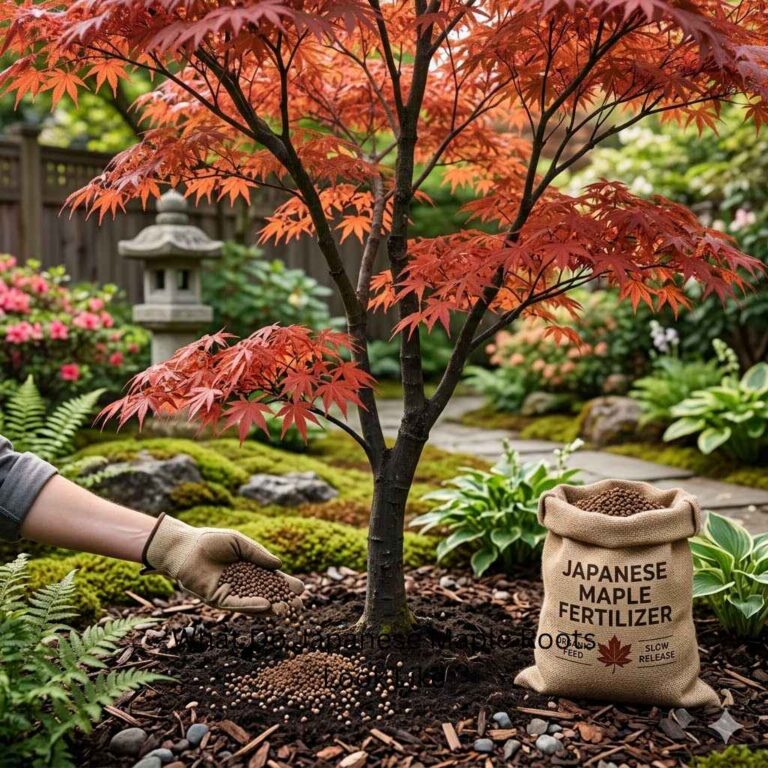
Japanese maples generally do not need a lot of fertilizer. Over-fertilizing can lead to rapid, weak growth that is more susceptible to pests and diseases. If you choose to fertilize, use a balanced, slow-release fertilizer formulated for trees and shrubs.
Apply it in early spring before new growth begins.
A light feeding is usually sufficient. It’s better to err on the side of under-fertilizing than over-fertilizing with these trees.
Pruning
Pruning is usually done to enhance the tree’s natural shape, remove dead or crossing branches, or control size. The best time to prune is in late winter or early spring, just before new growth starts. Light pruning can also be done in summer to refine the shape or remove any branches that are growing too vigorously or in undesirable directions.
Avoid heavy pruning in fall, as it can stimulate new growth that may not harden off before winter.
Focus on maintaining the tree’s inherent structure. Removing a few small branches is often more beneficial than making large cuts.
Troubleshooting Common Issues
Even with the Most Sun-Tolerant Japanese Maple Varieties, you might encounter some issues. Understanding common problems and how to address them will help keep your tree healthy and looking its best. This section covers leaf scorch, pests, and diseases, offering simple solutions.
Leaf Scorch
Leaf scorch is when the edges of the leaves turn brown and crispy. This often happens due to insufficient water, excessive heat, or direct sun exposure during the hottest part of the day, especially for varieties that are only moderately sun-tolerant. Ensure your tree is receiving adequate water, particularly during dry spells.
Applying mulch can help retain soil moisture. In very hot climates, consider providing some afternoon shade.
If you see a little bit of scorch on the edges, don’t panic. It’s usually a sign that the tree is stressed, but it can often recover with better care.
Pests
Japanese maples are generally resistant to major pest problems. However, they can occasionally be affected by aphids, scale insects, or Japanese beetles. Aphids are small, sap-sucking insects that often appear on new growth.
They can be washed off with a strong spray of water or treated with insecticidal soap. Scale insects are small, immobile insects that attach themselves to branches and leaves. They can be scraped off or treated with horticultural oil.
Japanese beetles can defoliate trees in mid-summer. Handpicking them off the tree and dropping them into a bucket of soapy water is an effective method for smaller infestations.
Diseases
The most common disease affecting Japanese maples is verticillium wilt, a fungal disease that can block the tree’s water-conducting tissues. Symptoms include wilting, yellowing leaves, and dieback of branches. Unfortunately, there is no cure for verticillium wilt once a tree is infected.
Proper planting in well-draining soil and avoiding over-watering can help prevent it.
Another potential issue is powdery mildew, a white, powdery growth on the leaves, which is usually cosmetic and can be treated with a fungicide if severe. Good air circulation around the tree helps prevent fungal issues.
Frequently Asked Questions
Question: Can Japanese maples really grow in full sun
Answer: Yes, certain varieties, especially those considered the Most Sun-Tolerant Japanese Maple Varieties, can grow in full sun, particularly in cooler climates. However, in very hot regions, they often benefit from some afternoon shade.
Question: How do I know if my Japanese maple is getting too much sun
Answer: Signs include browning or crispy edges on the leaves (leaf scorch), wilting despite adequate watering, or leaves looking bleached. Adjust its location or provide shade if these symptoms appear.
Question: Which red Japanese maple is best for hot sun
Answer: Acer palmatum ‘Emperor I’ and ‘Urban Fire’ are excellent choices known for their ability to hold their color and resist scorching in warmer, sunnier conditions.
Question: Should I fertilize my sun-tolerant Japanese maple
Answer: Japanese maples generally require minimal fertilizer. If you do fertilize, use a balanced, slow-release type in early spring and apply sparingly to avoid weak growth.
Question: What is the difference between ‘Bloodgood’ and ‘Emperor I’ regarding sun tolerance
Answer: ‘Emperor I’ is generally considered to have better sun and heat tolerance than ‘Bloodgood’, often holding its color more consistently without burning in sunny conditions.
Conclusion
Choosing the right Japanese maple for a sunny spot is entirely possible. By understanding which varieties are the Most Sun-Tolerant Japanese Maple Varieties, like ‘Emperor I’, ‘Urban Fire’, or even carefully placed ‘Bloodgood’, you can add their beauty to brighter parts of your garden. Proper planting and consistent watering will help them thrive.
Enjoy the stunning colors and graceful form your new maple will bring.