Does Wood Stain Dry Lighter?
Wood stain almost always dries lighter than it looks when wet — solvents and moisture evaporate as the color sets, letting light scatter off the wood grain instead of a wet film. Judging color too early is the #1 reason DIYers over-apply or strip a stain that was actually fine. This guide covers why the color shifts, how long each stain type takes to show its true shade, and what actually happens once you add a clear topcoat.
Stain lightening is the color shift that happens as a stain’s solvent carrier evaporates during drying, letting pigment settle into the wood pores and light scatter off the now-dry surface instead of a wet film. It happens with nearly every oil- or water-based stain, on every wood species — but it’s temporary in appearance only. Once a clear topcoat goes on, the color deepens again toward what you saw when the stain was wet.
Why Wood Stain Looks Darker When Wet
Best Wood Bleach Pick
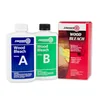
Zinsser Wood Bleach Kit
A pre-measured two-part wood bleach kit built for lightening stained or naturally dark wood before refinishing.
- Best for: lightening a fully-dried, stubborn stain evenly across furniture or trim
- Why we picked it: two-part kit is pre-measured, so there’s no guessing the mix ratio like with raw oxalic acid powder
- Main drawback: costs more per use than plain oxalic acid powder
Compare more wood bleach options
 Option 1 Eco Living Solutions Oxalic Acid
|
 Option 2 Ecoxall Oxalic Acid Powder (1 lb)
|
 Option 3 xixisusu Oxalic Acid Wood Bleach
|
As an Amazon Associate we earn from qualifying purchases.
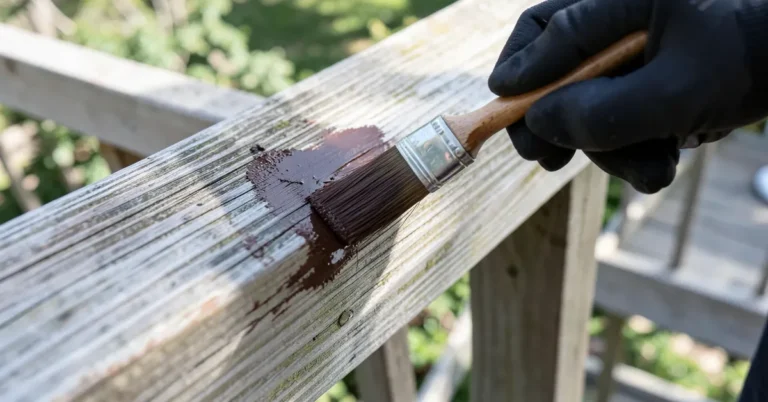
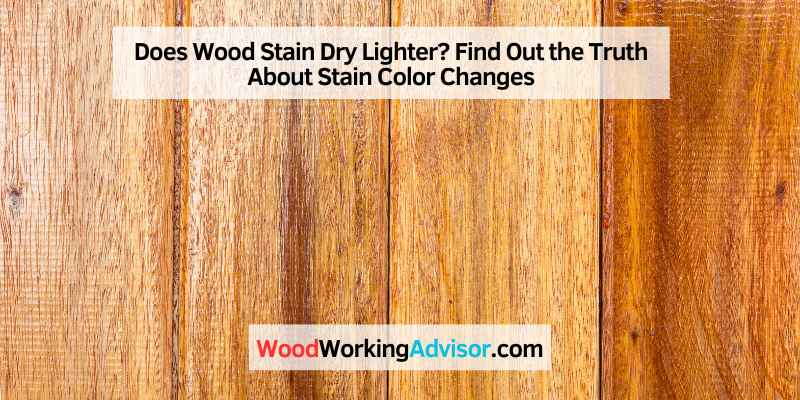
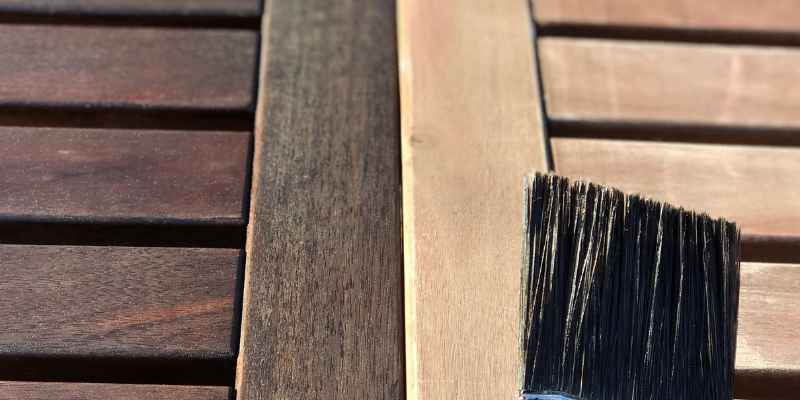
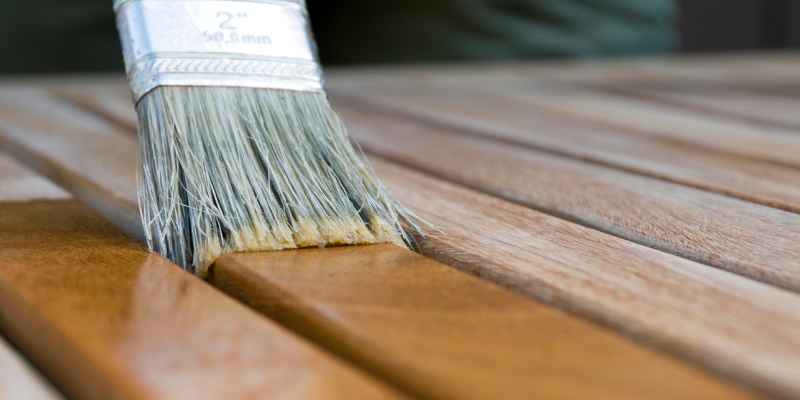
A freshly stained board looks deeper and richer than it will once dry. According to WOODWEB’s stain chemistry reference, wet stain fills in the wood’s microscopically rough surface, which reduces how much light scatters back to your eye and lets more light get absorbed by the pigment — the surface reads as darker. As the carrier evaporates, that rough texture returns, light scatters in more directions, and the same pigment reads as noticeably lighter.
The pigment itself doesn’t disappear — it settles into the open pores of the wood as the liquid film thins out. On wood with higher starting moisture content, this shift is usually more noticeable, since more liquid has to leave the surface before the true color settles in.
How Long Until Wood Stain Shows Its True Color?
Judging color from wet or half-dry stain is the most common mistake in a re-stain job. Each stain type needs a different wait before the color you see is the color you’re stuck with:
| Stain Type | Dry to the Touch | True Color Visible |
|---|---|---|
| Water-based | 4–6 hours | Same day (6–8 hours) |
| Oil-based | 2–12 hours between coats | ~24 hours |
| Gel stain | ~24 hours | 24–48 hours |
| Water-soluble dye stain | ~24 hours | ~24 hours |
| Lacquer-based toner | 15–30 minutes | Same day |
📊 Full cure — the finish hardening all the way through, not just surface-dry — takes longer than color settling. Uncoated oil-based stain typically needs 2 to 4 weeks to fully cure, per our own wood finishing guide; water-based stain usually cures faster. Judge color once the “true color visible” window has passed — don’t wait for full cure just to see the shade.
Does Oil-Based Stain Dry Lighter Than Water-Based Stain?
Oil-based stain shows the bigger wet-to-dry swing — it looks noticeably darker while wet and lightens as solvents evaporate, though it can amber and deepen again over months as the oil oxidizes. Water-based stain shifts less dramatically in the wet-to-dry direction, but many people find it dries slightly cooler or a touch chalkier in tone rather than warmer. Neither type is “more accurate” — they just settle differently, which is exactly why a scrap-wood test matters more than judging the can’s color chart.
Does Wood Type Change How Much Lighter Stain Dries?
Yes. Softwoods like pine and spruce carry more moisture and have looser, more open grain, so they show a more dramatic color shift as stain dries and can blotch without a pre-stain conditioner. Dense hardwoods like maple absorb less pigment overall and change less between wet and dry. Porous species like oak sit in between — the open pores pull in more pigment, which is why oak often reads darker once fully dry than a tighter-grained wood stained with the same product.
The stain’s own formulation matters too: a higher ratio of solvent to pigment means more evaporates away, leaving a lighter final color, while pigment-heavy formulas hold their depth better through drying.
Why Does Stained Wood Look Darker Again After a Topcoat?
This is the step most guides skip — and it’s the opposite of what you’d expect after watching stain dry lighter. A clear topcoat (polyurethane, varnish, or oil) re-wets the surface with a liquid film, which is the same light-scattering effect that made the stain look dark when it was wet stain. The color you see under a fresh coat of finish is usually much closer to the wet-stain color than the fully dried, bare-wood color was.
“In my own shop, I’ve learned not to trust a stain’s color until I’ve wiped a wet rag of mineral spirits over a dry test patch — that’s the closest preview of what the topcoat will do to the final shade, and it’s saved me from stripping boards that were never actually wrong.”
Because of this rewetting effect, always test your topcoat over a dried stain sample before committing to the full project — see what to apply after staining wood and compare spar urethane vs. polyurethane if you’re deciding between topcoats for an outdoor or tabletop piece.
How to Lighten Wood Stain After It Dries
If the fully dried, true color still reads darker than you wanted, work through these methods from mildest to most drastic:
- Test first: try any method on an inconspicuous scrap or hidden edge before treating the whole piece.
- Try mineral spirits (fresh oil-based stain only): within about a day of application, wiping mineral spirits onto oil-based stain can re-soften and lift some pigment; it does nothing once the stain has cured or if it’s water-based.
- Apply oxalic acid (wood bleach): mix per the product label, brush on evenly, let sit 15–20 minutes, then rinse clean — this is the standard method for lightening stubborn, fully-cured stain.
- Try a vinegar wash for mild lightening: a roughly 1:1 mix of white vinegar and water, wiped on and buffed off, can soften a slightly-too-dark stain without stripping it entirely.
- Use diluted bleach for stronger lightening: a household bleach solution diluted around 1:4 to 1:5 with water lightens more aggressively than vinegar — wear gloves and ventilate the area.
- Strip and restart: if none of the above gets you close enough, strip the old stain completely and reapply a lighter shade — see our full wood stain lightening guide for the complete stripping process.
Does Sunlight Affect Stain Color Over Time?
Yes, but the direction depends on the wood and pigment, not just “sun equals fading.” Most manufactured colorants and dyes photo-oxidize and fade under UV, and constant sun exposure breaks down lignin in the wood itself, which usually lightens the surface over months or years — this is the walnut-turning-silvery-gray effect. A few species behave the opposite way: cherry, for example, actually darkens and deepens with sun exposure rather than fading. If you want to slow either effect, keep stained furniture out of direct sun or use curtains and blinds to cut UV exposure at windows.
Frequently Asked Questions
Does Wood Get Lighter As It Dries?
Yes. As wood loses moisture content while drying, it lightens and loses weight. Softwoods with higher initial moisture, like pine, show a more noticeable shift than denser hardwoods.
How Do You Make Wood Stain Lighter?
For fresh oil-based stain, mineral spirits within about a day can lift some pigment. For fully dried stain, use oxalic acid (wood bleach), a diluted vinegar or bleach wash, or strip the stain completely and reapply a lighter shade.
Does Wood Stain Lighten In The Sun?
Usually, yes — UV exposure fades most stain pigments and lightens wood over time, though a few species like cherry darken instead. Keeping curtains or blinds closed over direct sun exposure slows the change either way.
Is Wood Stain Darker When Wet?
Yes. Wet stain fills the wood’s surface texture and reduces light scattering, which reads as a darker color. As it dries and the carrier evaporates, that texture returns and the same pigment looks noticeably lighter.
Does Oil-Based Stain Dry Lighter Than Water-Based Stain?
Oil-based stain typically shows the bigger wet-to-dry lightening swing and may amber slightly as it ages. Water-based stain shifts less dramatically but can dry a touch cooler or chalkier in tone. Always test both on scrap first.
Why Does Stained Wood Look Darker After Polyurethane?
A clear topcoat re-wets the dried, lighter surface with a liquid film, which is the same light-scattering effect that made the wet stain look darker in the first place. The color under fresh finish is usually much closer to the original wet-stain shade than the bare, fully dried wood was.
As wood stain dries, it lightens because the solvent carrier evaporates and pigment settles into the wood’s pores — but that’s not the final word on color. Wait for the true-color window in the table above before judging a stain too dark or too light, and remember a clear topcoat will re-darken the surface again. Test on scrap wood through to the topcoat stage whenever the final color actually matters.
Sponsored / affiliate links. As an Amazon Associate I earn from qualifying purchases. I may earn additional commission from eligible campaigns.