How to Sharpen Mower Blades: Angle, Steps & Balance Check
Mower blades sharpen best at their factory bevel angle — typically 30° to 45° — using a hand file, angle grinder, or a drill-powered sharpening kit, then a balance check before reinstalling. Skipping that balance step is the most common mistake: an out-of-balance blade vibrates hard enough to wear out spindle bearings in a single season. This guide covers the correct sharpening angle, a step-by-step filing and grinding process, the nail-balance test, and how often blades actually need attention.
Quick Answer
Remove the blade, clamp it, and sharpen the cutting edge at its original factory angle (usually 30°-45°) with a file, angle grinder, or drill attachment. Stop once the edge is clean and free of nicks, then hang the blade on a nail through its center hole — if one side dips, file a little more off the heavy side until it hangs level before you reinstall it.
Signs You Need to Sharpen Your Mower Blades
Best Mower Blade Sharpener Pick
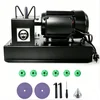
Holdwell Lawn Mower Blade Sharpener, 1HP Bench Grinder, 30°/40° Angle Brackets
A dedicated bench grinder built specifically for mower blades, with swappable brackets that lock in the exact angle instead of relying on freehand technique.
- Best for: precision bench sharpening at home with a repeatable angle
- Why we picked it: the 30°/40° brackets match the factory bevel range covered above, and it ships with its own blade balancer
- Main drawback: costs more than a file and needs bench space to mount
Compare more mower blade sharpening options
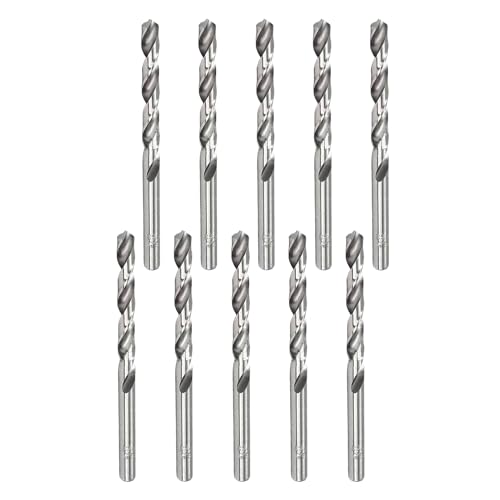
 Option 1 Drill-Powered Mower Blade Sharpener & Balancer Set
|
 Option 2 Neiko 40-Grit Zirconia Flap Disc, 4.5 Inch
|
 Option 3 Century 10-Inch Mill Bastard Hand File
|
As an Amazon Associate we earn from qualifying purchases.
A dull blade rips grass instead of cutting it, and the damage shows up on the lawn within a day or two, not just on the blade itself.
- Uneven grass length — dull blades bounce and skip instead of cutting cleanly, leaving a ragged, uneven surface.
- Tears and fraying at the tips — grass blades look brown or white within a day of mowing because the cut edge was torn, not sliced.
- Whitish or brown lawn 24-48 hours after mowing — torn grass tips dry out and discolor faster than a clean cut.
- Excess vibration or engine strain — a chipped or bent blade forces the engine to work harder and wastes fuel.
Torn grass tips are also more vulnerable to fungal disease and slower to recover, so a dull blade is a lawn-health problem, not just a cosmetic one.
What Angle Should You Sharpen a Mower Blade At?
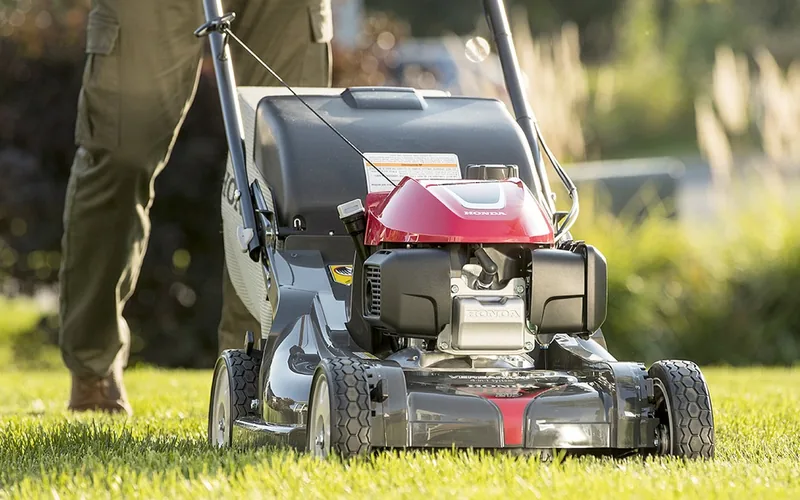
A mower blade’s factory bevel is the cutting-edge angle it was ground to at the factory, and matching that angle when you sharpen keeps the edge strong instead of thin and chip-prone. Most residential mower blades are ground between 30° and 45°, with 30°-35° the most common range on standard high-lift and low-lift blades. Sharpening flatter than the factory angle looks sharper but weakens the edge; sharpening steeper reduces cutting efficiency and strains the engine.
| Blade Type | Typical Factory Angle | Notes |
|---|---|---|
| Standard high-lift blade | 30°-35° | Most residential push and riding mowers |
| Low-lift / mulching blade | 30°-40° | Slightly steeper edge holds up to mulching debris |
| Gator / heavy mulching blade | 35°-45° | Thicker edge for repeated re-cutting of clippings |
| Commercial / zero-turn blade | 40°-45° | Heavier steel, built for longer mow times between sharpenings |
If you’re not sure which range applies, sharpen along the existing bevel line you can see on the blade rather than guessing a fresh angle — matching what’s already there is more reliable than any chart, including this one.
Tools for Sharpening Mower Blades
Keeping your lawn mower blades sharp doesn’t require a shop full of equipment — the right tool depends mostly on how many blades you’re sharpening and how much time you want to spend.
Manual Sharpeners (File or Whetstone)
A 10-inch mill file is the cheapest and most controllable option. Clamp the blade in a bench vise, hold the file at the blade’s existing bevel angle, and push in one direction only — dragging it back and forth dulls the file fast and rounds the edge instead of sharpening it.
Electric and Angle Grinder Sharpeners
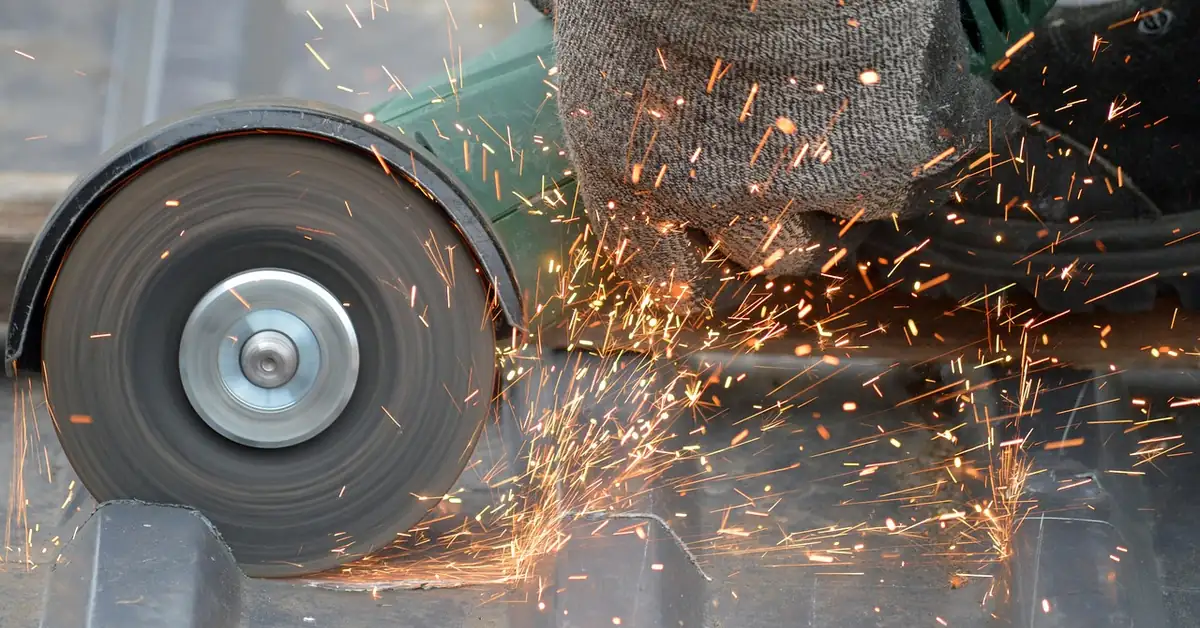
An angle grinder fitted with a flap disc or grinding wheel removes metal fast, which makes it the better option for badly nicked blades or sharpening several blades in one session. It’s also easier to overheat and thin the edge with a grinder, so keep the disc moving and dip the blade in water periodically if it starts to discolor.
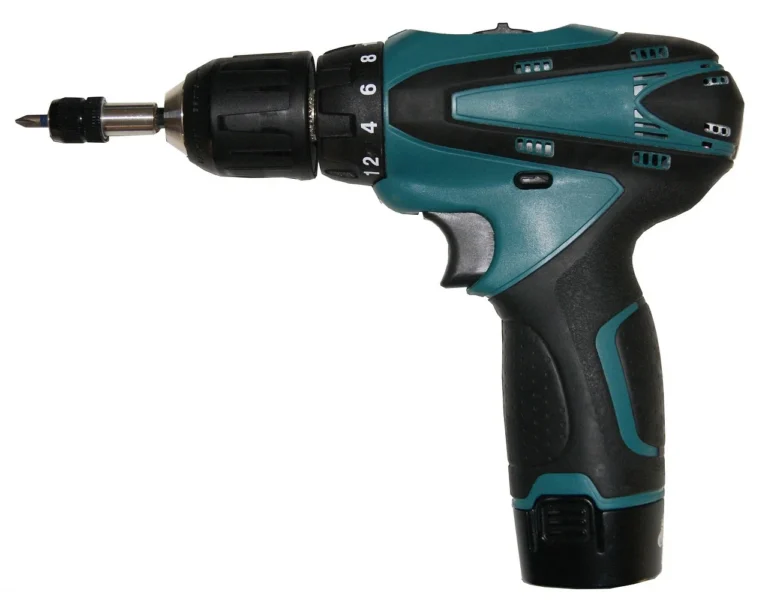
Drill-Powered Sharpening Attachments
A sharpening stone or wheel attachment that chucks into a cordless drill splits the difference — faster than a hand file, gentler and cheaper than a dedicated bench grinder. These kits often bolt the blade in place so you sharpen with two hands free, which makes it easier to hold a consistent angle than freehanding a grinder.
Step-by-Step: How to Sharpen a Mower Blade
Follow these steps in order — skipping the balance check at the end is what turns a sharpening job into a vibration problem later.
- Disconnect the spark plug: Pull the spark plug wire before touching the blade so the mower can’t start accidentally.
- Remove and inspect the blade: Tip the mower on its side (air filter up), loosen the center bolt counterclockwise, and check the blade for cracks or a bent wing — replace it instead of sharpening if you find either.
- Clamp the blade: Secure it in a bench vise or clamp so both hands are free and the blade can’t shift while you work.
- Sharpen at the factory angle: Using a file, angle grinder, or drill attachment, sharpen the cutting edge in one direction only, following the existing bevel line, until it’s free of nicks and burrs.
- Deburr and clean: Wipe or wire-brush metal filings off the edge so you get an accurate balance check.
- Balance the blade: Hang it on a nail through the center hole and check that it sits level — see the balancing section below before reinstalling.
- Reinstall and torque the bolt: Reattach the blade with the wing tips pointing up (toward the deck) and tighten the center bolt to the mower manufacturer’s spec.
How to Balance a Mower Blade After Sharpening
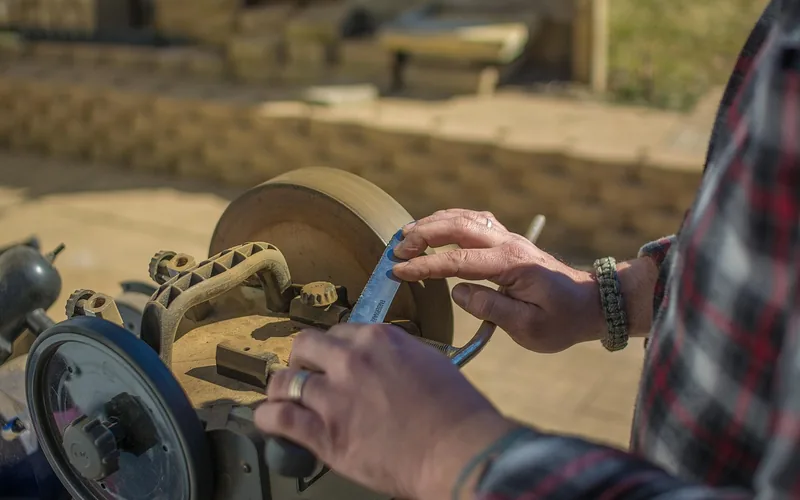
Blade balancing is checking that a sharpened blade weighs the same on both sides of its center hole, so it spins without wobbling. An unbalanced blade — even by a small amount — creates vibration that loosens fasteners and wears out the spindle bearing over a season of mowing.
The Nail Method
- Drive a nail or the tip of a screwdriver into a wall or post, angled slightly upward.
- Hang the blade on the nail through its center hole and let it settle.
- If one side dips down, that side is heavier — file a small amount of metal off the underside of that wing, not the cutting edge.
- Rehang and recheck. Repeat until the blade sits level with neither side dropping.
📊 The nail method only catches large imbalances — friction between the blade’s center hole and the nail masks smaller ones. A dedicated magnetic or cone-style blade balancer (like the one included with several sharpener kits above) gives a more reliable reading than a nail alone.
How Often Should You Sharpen Mower Blades?
Most manufacturers recommend sharpening after roughly every 10 hours of cutting time, but real-world timing depends more on what the blade hits than the clock.
- Typical home lawn (under 1/2 acre): once or twice per mowing season is usually enough.
- Larger or rougher lawns: four to six times a season if the blade regularly hits sticks, edging, or uneven ground.
- Commercial or daily mowing: every 2-3 days of use, since blades dull far faster under constant load.
- Any time after hitting a rock, root, or stump: check the edge immediately — a single hard impact can nick or bend a blade regardless of how recently it was sharpened.
“Mark the old bevel line with a permanent marker before you grind. It sounds like an extra step, but it’s a lot easier to follow a line you can see than to guess the angle from scratch once the edge is gone — especially on a blade that’s been sharpened a few times already and doesn’t have a crisp factory edge left to reference.”
Common Mistakes When Sharpening Mower Blades
- Sharpening without removing the blade. It’s possible with some handheld sharpeners, but you can’t inspect for cracks, clean off debris, or balance the blade properly while it’s still bolted on.
- Filing back and forth instead of in one direction. This rounds the edge and wears out the file faster instead of creating a clean bevel.
- Skipping the balance check. This is the single most common mistake and the one most likely to cause a repair bill later.
- Reinstalling the blade upside down. The wing tips (the raised, curved ends) should point up toward the mower deck, not down toward the grass.
- Overheating the edge on a grinder. A blade that turns blue from heat has lost some of its hardness at that spot; dip it in water periodically to keep it cool while grinding.
Frequently Asked Questions
What angle should I sharpen a mower blade at?
Match the blade’s existing factory bevel, which typically falls between 30° and 45° depending on the blade type. When in doubt, sharpen along the bevel line already on the blade rather than picking an angle from scratch.
What’s the best tool to sharpen lawn mower blades?
A file gives the most control for one or two blades, while an angle grinder or dedicated bench grinder sharpens faster if you’re doing several blades or a badly nicked edge. Both work well as long as you maintain the original bevel angle.
Is there a way to sharpen lawn mower blades without taking them off?
Yes, handheld sharpening tools can sharpen a blade while it’s still mounted, but removing the blade is safer and lets you inspect it for cracks and balance it afterward — both steps you’d otherwise skip.
Does Ace Hardware sharpen mower blades?
Many Ace Hardware locations offer mower blade sharpening as an in-store service, though availability varies by store. Call ahead to confirm your local store offers it and ask whether they balance the blade afterward.
What is the best flap disc for sharpening lawn mower blades?
A 40-grit zirconia flap disc is the standard choice. It removes material fast enough to reshape a nicked edge while staying coarse enough to avoid overheating the steel the way a fine-grit disc can.
How do I know if my mower blade is balanced?
Hang the blade on a nail through its center hole. If it hangs level with neither side dipping, it’s roughly balanced. For a more precise check, use a magnetic or cone-style blade balancer, since the nail method can miss smaller imbalances.
Conclusion
A sharp mower blade comes down to three things: matching the factory bevel angle, sharpening in one direction until the edge is clean, and balancing the blade before it goes back on the mower. Skip the balance check and you trade a clean cut for a vibration problem that shows up later as worn bearings or loose bolts. Build sharpening into your routine every 10 hours of use (or sooner after hitting anything hard), and both your lawn and your mower will show it.
Sponsored / affiliate links. As an Amazon Associate I earn from qualifying purchases. I may earn additional commission from eligible campaigns.