Best Paint Remover for Wood: Strippers vs. Heat Gun
A citrus- or water-based gel stripper — like Citristrip or Dumond Smart Strip — removes paint from wood safely, but skip anything containing methylene chloride, which the EPA banned from retail paint strippers in 2019. Using a banned or overly harsh stripper can scorch the grain or cause chemical burns. This guide compares 4 real wood paint removers against a heat gun and sanding, by strip time, layers removed, and cost per square foot.
Quick Answer
Citristrip Stripping Gel is the best all-around paint remover for wood — it clings to vertical and carved surfaces, stays workable for up to 24 hours, and contains no methylene chloride or NMP. For indoor or fume-sensitive jobs, use Dumond Smart Strip Advanced instead. Whatever you buy, avoid any stripper that lists methylene chloride on the label — the EPA banned it from retail sale in 2019.
What You’ll Need
Best Paint Remover for Wood Pick
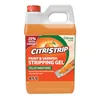
Citristrip Stripping Gel, 40 oz
Citrus-based gel that clings to vertical and carved wood surfaces and stays workable for up to 24 hours.
- Best for: vertical surfaces, carved or turned furniture, DIY refinishing projects
- Why we picked it: no methylene chloride or NMP, stays wet up to 24 hrs, strips latex, oil, varnish, lacquer, polyurethane, and shellac
- Main drawback: citrus gel can take longer on very old, hardened multi-coat paint than a stronger solvent stripper
Compare more wood paint remover options
 Fastest on Tough Coats Klean-Strip Premium Stripper, 1 qt
|
 Most Eco-Friendly Dumond Smart Strip Advanced, 1 qt
|
 Best Budget Pick Sunnyside 2-Minute Remover Advanced, 1 qt
|
As an Amazon Associate we earn from qualifying purchases.
- A wood-safe paint stripper (gel for detail work, liquid for flat surfaces)
- Nitrile gloves and safety goggles
- A plastic or rubber scraper — metal can gouge softened wood
- Natural-bristle brush for applying gel strippers
- Drop cloth or rosin paper to protect your work surface
- 0000 steel wool or a stiff nylon brush for detail residue
What to Look For in a Wood Paint Remover
A good wood paint remover softens the paint’s bond to the surface without eating into the wood grain underneath. Three things separate a stripper worth buying from one that wastes your money: it has to be legal for retail sale (no methylene chloride since the EPA’s 2019 ban), it has to match how you’ll apply it (gel clings to vertical surfaces, liquid runs off), and it has to give you enough working time to actually finish before it dries out.
- Formula type: citrus-based gel (Citristrip), water-based non-caustic gel (Dumond Smart Strip), or solvent liquid (Klean-Strip, Sunnyside)
- Working time: how long the stripper stays wet enough to keep dissolving paint before you have to scrape
- Surface type: gels for carved, turned, or vertical wood; liquids for large flat horizontal surfaces
- Ventilation needs: even “low-odor” strippers should be used with open windows or outdoors
Prefer to skip the commercial products entirely? Our DIY paint remover guide covers pantry-ingredient options — they’re slower, but work in a pinch. And if the paint is still wet rather than a cured, hardened layer, a full stripper is overkill; see removing acrylic paint from furniture instead.
4 Real Paint Removers for Wood, Compared
We compared four wood-safe strippers that are actually in stock right now, all reformulated since the 2019 methylene chloride ban. Citristrip is the best all-around pick; the other three cover the fast, eco-friendly, and budget cases.
Chemical Stripper vs. Heat Gun vs. Sanding: Which Should You Use?
Chemical stripping wins for most painted wood — it’s faster than sanding and safer around old paint that might contain lead. A heat gun works well on large, flat sections but scorches easily around joints and carvings. Sanding should be a finishing step on bare wood, not your primary paint-removal method. Stripping something other than wood — metal trim, tile, brick? Our guide to the best way to strip paint covers those surfaces too.
| Method | Time | Fumes / Dust | Best For |
|---|---|---|---|
| Citrus/water-based gel stripper | Wait 20 min–24 hrs, then scrape | Low odor, no methylene chloride | Carved, turned, vertical wood |
| Solvent liquid stripper | Works in as little as 15 min | Stronger smell, needs ventilation | Large flat surfaces, tough coatings |
| Heat gun | Immediate, one pass | No chemical fumes; old-paint smoke risk | Flat boards, siding, deck rails |
| Sanding (80–120 grit) | Slowest of the four | Fine dust — serious risk if paint is pre-1978 | Final smoothing after stripping, bare wood only |
Common Mistakes to Avoid
- Skipping the test patch. Try any stripper on a hidden spot first — some finishes (especially catalyzed lacquers and certain plastics) don’t respond the way the label promises.
- Scraping too early. Pulling paint before the stripper has finished working just spreads a half-softened mess and wastes product; wait the full time on the label.
- No respirator or gloves. Even “low-odor” citrus strippers still release fumes and will burn skin on contact — wear nitrile gloves and work with a window open or outdoors.
- Sanding pre-1978 paint dry. If the wood could have lead paint on it, dry-sanding turns it into airborne dust; strip chemically or wet-sand instead.
📊 Plan on roughly 1 ounce of stripper per square foot for a single coat of paint — about 150 sq ft per gallon. Multiple paint layers, carved detail, or a second application will use noticeably more. Source: aggregated manufacturer application-rate guidance, 2026.
Stripping Detailed or Antique Furniture
Carved legs, turned spindles, and moldings need a gel stripper, not a liquid. Liquid strippers run off vertical and detailed surfaces before they have time to soften the paint, which means you re-apply repeatedly and waste product. A citrus gel like Citristrip clings to the shape and keeps working while you move on to the next piece. Not sure the piece is even worth the effort? Check which woods take paint best before you commit a whole afternoon to stripping it.
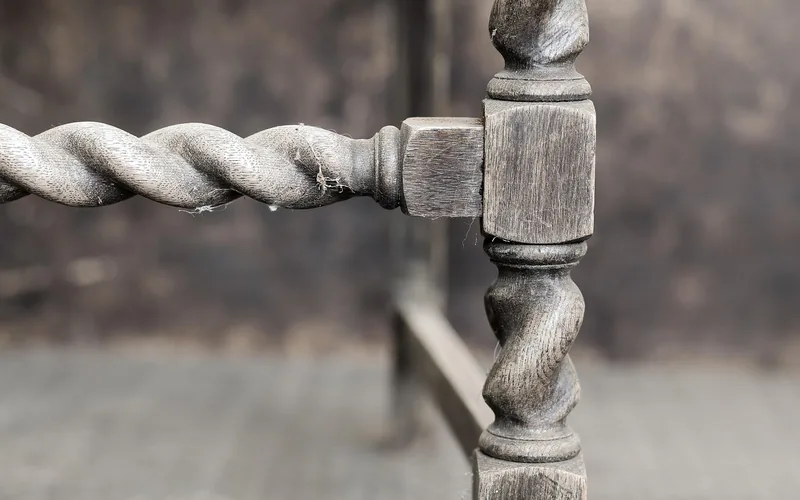
“On turned or carved pieces we always reach for a gel over a liquid stripper first — it stays put on vertical surfaces instead of running down onto the bench, so you’re not re-coating the same spot three times.”
Shopping for a Stripper? Skip Methylene Chloride
Methylene chloride is a fast, powerful paint solvent — and also the chemical responsible for multiple fatal poisonings from paint-stripping accidents, mostly from working in enclosed spaces without ventilation. The EPA banned its distribution to retail consumers in 2019, so any stripper sold at a hardware store today should already be reformulated. Citristrip, Dumond Smart Strip, and Sunnyside 2-Minute Remover Advanced are all methylene-chloride-free and NMP-free. If you find an old can in a garage or basement, don’t use it — dispose of it at a household hazardous waste facility instead.
Frequently Asked Questions
Is it better to strip paint or sand it off wood?
Stripping is usually better and safer than sanding for painted wood. It’s faster on multiple layers, easier on carved detail, and doesn’t create airborne dust — which matters if the paint could be lead-based (anything applied before 1978). Save sanding for smoothing bare wood after stripping, not as your main removal method.
How much paint stripper do you need for a piece of furniture?
Plan on roughly 1 ounce of stripper per square foot for a single coat, or about 150 square feet per gallon. Multiple paint layers, carved detail, or a second coat will use more — test on a small area first to judge how far your can will actually go.
Can you use paint stripper on antique or carved wood furniture?
Yes, but use a gel stripper like Citristrip instead of a liquid. Gel clings to vertical surfaces, turned legs, and carved detail long enough to soften the paint, while liquid strippers run off before they can work.
What paint remover doesn’t contain methylene chloride?
Citristrip, Dumond Smart Strip Advanced, and Sunnyside 2-Minute Remover Advanced are all reformulated without methylene chloride or NMP, in line with the EPA’s 2019 retail ban on the chemical (see the “Shopping for a Stripper” section above). Check the label on any older can before using it.
How long does paint stripper take to work on wood?
It depends on the product and paint thickness. Some solvent strippers start working in as little as 15 minutes, while gel strippers like Citristrip can be left on for up to 24 hours for stubborn, multi-layer paint. See our full breakdown of Citristrip wait times for specifics.
Do you need to neutralize paint stripper before refinishing wood?
Some strippers require a neutralizing wash before you stain or finish the wood, and skipping it can leave a residue that keeps the new finish from bonding. Check your product’s label, or see our guide to neutralizing paint remover for the exact steps.
Conclusion
For most wood paint-removal jobs, a citrus gel like Citristrip is the safest, most forgiving choice — it skips methylene chloride, clings to detail work, and gives you a full day to finish before it dries out. Save the heat gun for large flat boards, keep sanding for the final smoothing pass on bare wood, and always check the label for methylene chloride before you buy an older can off a shelf. Once the paint is off, our full step-by-step guide to removing paint from wood walks through prep, application, and finishing in order.
Sponsored / affiliate links. As an Amazon Associate I earn from qualifying purchases. I may earn additional commission from eligible campaigns.