Best Wood for Painted Furniture: Poplar vs Pine vs MDF
Poplar is the best all-around wood for painted furniture — its tight, uniform grain takes paint smoothly, but it can still telegraph through a thin coat without a shellac-based primer like Zinsser B-I-N. Skipping that step is why DIY paint jobs show streaky grain lines. This guide compares poplar, pine, maple, birch, and MDF by grain visibility, cost, and durability, and names the exact primer that stops telegraphing before it starts.
Which Wood Takes Paint Best? (Species Comparison)
Best Primer Pick for Poplar & Pine
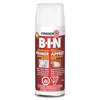
Zinsser B-I-N Shellac-Base Primer-Sealer, 13 oz
Seals poplar and pine grain in a single coat and dries in about 20 minutes, so a full prime-and-topcoat can happen the same day.
- Best for: Poplar and pine grain-telegraphing and stubborn tannin bleed
- Why we picked it: Fastest dry time and best single-coat sealing of the three primers tested here
- Main drawback: Strong odor, cleanup needs denatured alcohol not water, and the 13 oz can covers less per container than the old quart size
Compare more grain-sealing options
 Option 1 Zinsser Cover-Stain Oil-Based Primer
|
 Option 2 Rust-Oleum Zinsser Odorless Oil-Base Stain Blocker, 1-Qt
|
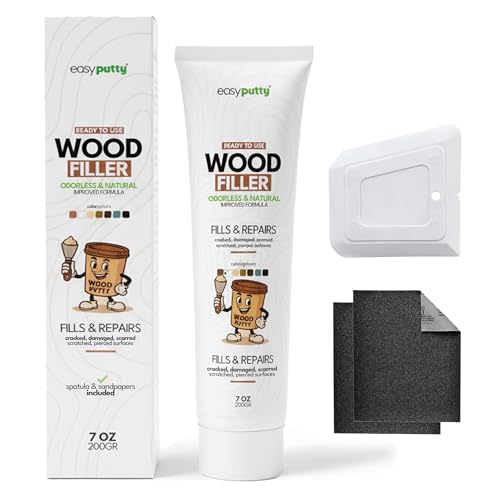
 Option 3 ProBond Stainable Wood Filler
|
As an Amazon Associate we earn from qualifying purchases.
No single wood wins on every measure — the right pick depends on whether grain-hiding, budget, or long-term durability matters most for your project.
| Wood | Grain Visibility Under Paint | Cost | Durability | Best Use Case |
|---|---|---|---|---|
| Poplar | Low, but can telegraph without a shellac primer | $$ | Good, resists warping | Painted furniture, cabinet frames |
| Soft Maple | Very low, tight closed grain | $$$ | Excellent, dent-resistant | High-traffic furniture, cabinet doors |
| Pine | Moderate — knots can show through | $ | Fair, dents easily | Budget/rustic painted pieces |
| Birch (plywood) | Low on face veneer | $$ | Good, holds up to heavy use | Painted cabinet boxes, panels |
| MDF | None — no visible grain | $ | Fair, swells if it gets wet | Painted cabinet doors, flat panels |
| Oak | High — open pores show through most paints | $$ | Excellent | Better stained than painted |
Why Wood Porosity Determines How Smooth Paint Looks
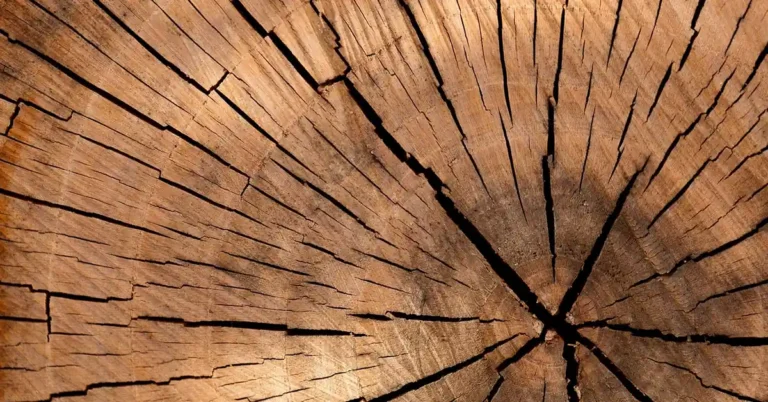
Wood porosity, not hardness, is the main reason some species paint smoother than others. Ring-porous woods like oak and ash have large, open pores concentrated in early growth rings, which soak up paint unevenly and telegraph through even after priming. Diffuse-porous woods like poplar, maple, and birch have small, evenly scattered pores that fill and seal quickly, giving a flatter painted surface.
This is why oak — despite being a strong, popular furniture hardwood — is usually a poor choice for a painted finish. Its coarse open grain telegraphs through multiple coats of paint and typically needs a heavy grain filler to hide. Oak is a better candidate for staining, where the grain is the point, than for painting, where the goal is a flat, uniform color.
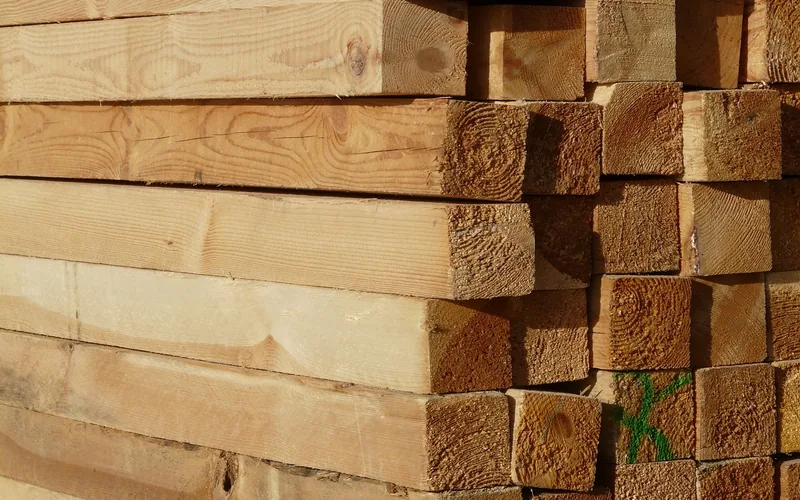
Top Wood Picks for Painted Furniture
Poplar is the standard recommendation for painted furniture: it’s affordable, resists warping, and its fine, straight grain accepts paint with minimal prep. Its one weakness is grain telegraphing on large flat panels, addressed below.
Soft maple costs more but has the tightest, smoothest grain of the group, doesn’t fuzz up during sanding, and holds up best in high-traffic pieces like dining chairs or cabinet doors.
Pine is the budget option. It’s easy to cut and sand, but its visible knots can bleed resin and show through lighter paint colors unless sealed with a stain-blocking primer first — see our KILZ vs. Zinsser primer comparison for which formula blocks pine knots best.
Birch plywood is a practical choice for flat panels and cabinet boxes — its face veneer is smooth and paints well, and it costs less than solid maple for large surfaces.
MDF has zero visible grain since it has no wood fibers running through it, making it the smoothest possible painted surface for cabinet doors and flat panels. Its tradeoff is moisture sensitivity — see our guide on sealing MDF before painting to prevent edge swelling.
For the full hardness and grain reference across every common species, see our complete types of wood guide.
Does Poplar’s Grain Show Through Paint?
Yes — poplar is notorious among painters and cabinet finishers for telegraphing its grain through both oil-based and water-based topcoats, especially on large flat panels under raking light. The wood itself sands smooth, but ordinary latex primer soaks into the grain unevenly and doesn’t fully seal it.
📊 A shellac-based primer seals poplar grain in one coat where 2–3 coats of standard latex primer may still show texture. — Source: Rust-Oleum/Zinsser B-I-N Technical Data Sheet
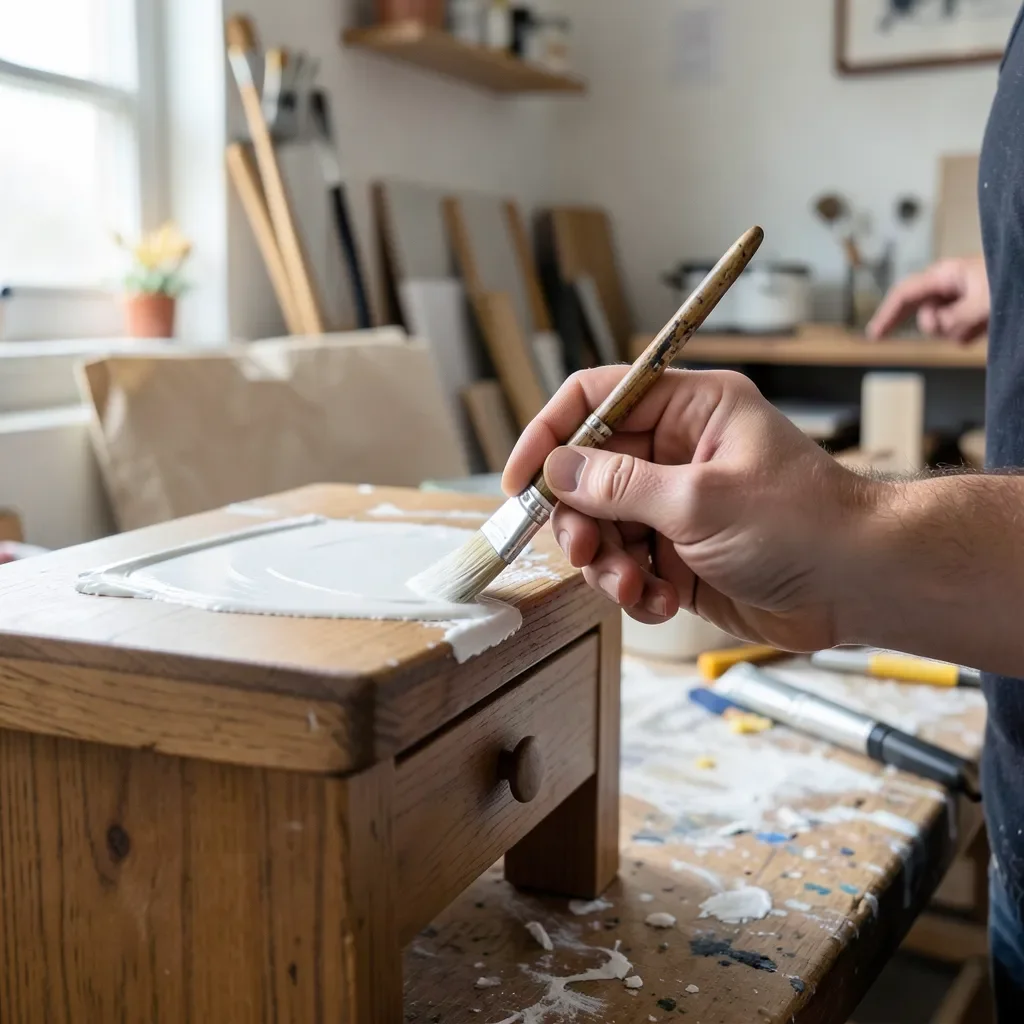
“On flat panels, I always brush a thin fill coat of spackling into the grain, sand it back at 220-grit, then seal with a shellac-based primer before any topcoat — skipping straight to latex primer on poplar is the most common reason a paint job looks streaky a week later.”
If you’ve already primed and the grain still shows, don’t add more topcoat — sand back lightly, brush a thin layer of paintable wood filler into the grain, sand flush, then reprime with a shellac-based product before repainting.
Preparing Wood for Painting
Sand the surface with 120–150 grit sandpaper in the direction of the grain, then wipe away dust with a damp cloth before it dries completely.
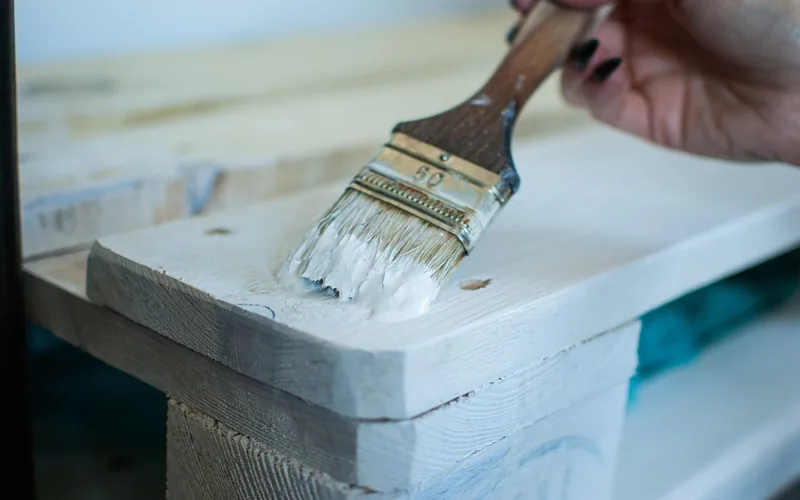
Prime with a product matched to the wood: a shellac-based primer for poplar or pine grain and knots, or a standard latex primer for MDF and birch, which have no grain to telegraph. Choose a primer that’s compatible with your topcoat — see our KILZ vs. Zinsser comparison if you’re deciding between brands.
Inspect the surface for cracks, dents, or gouges and fill them with a paintable wood filler. Let it cure fully, then sand flush with the surrounding wood before priming — filler that isn’t fully cured will sink and telegraph through the paint just like unsealed grain does.
Tips for a Professional Painted Finish
Use a high-quality acrylic latex paint for furniture — it levels smoothly, cleans up with water, and resists yellowing better than most oil-based topcoats.
Apply two to three thin coats rather than one thick one. Thin coats level out brush marks and dry evenly; a single heavy coat is the most common cause of drips, sags, and visible grain texture.
For large flat panels or detailed pieces, a paint sprayer eliminates brush marks entirely. Practice on scrap wood first, and see our guide on applying a clear topcoat without brush marks if you’re adding a protective finish over the paint.
Once the base coat has fully cured, hand details like lettering, borders, or accent designs are usually done with a dedicated paint pen rather than a brush — see our wood paint pens compared for tip sizes and ink types suited to fine detail work.
Frequently Asked Questions About Wood for Painted Furniture
What Wood Is Best for Painted Furniture?
Poplar is the best all-around choice for painted furniture — it’s affordable, resists warping, and its fine, uniform grain accepts paint with minimal prep. Soft maple costs more but paints even smoother, and MDF has zero visible grain for the flattest possible finish on cabinet doors.
How Long Should Primer Dry Before Painting Poplar or Pine?
A shellac-based primer like Zinsser B-I-N is dry to the touch in about 20 minutes and ready for a topcoat in an hour, so priming and painting can happen the same day. Oil-based primers such as Zinsser Cover-Stain or KILZ Original need closer to a full hour to dry and are best left overnight before topcoating on raw poplar or pine grain.
Should I Avoid Oak for Painted Furniture?
Generally yes. Oak is a ring-porous wood with large, open pores that telegraph through paint even after priming, usually requiring heavy grain filler to hide. Oak is better suited to a stained or clear finish, where the open grain is part of the look.
Is MDF or Solid Wood Better for Painted Cabinets?
MDF gives the smoothest possible painted surface since it has no wood grain at all, and it costs less than solid wood. Solid poplar or birch plywood are better where the piece will see moisture or heavy impact, since MDF swells if its edges aren’t sealed.
What Primer Stops Wood Grain from Showing Through Paint?
A shellac-based primer, such as Zinsser B-I-N, is the most effective at sealing open wood grain in a single coat. Oil-based primers like Zinsser Cover-Stain or KILZ Original also work but typically need a second coat on raw poplar or pine grain.
Conclusion
Poplar remains the best default choice for painted furniture, with soft maple and MDF as strong alternatives depending on budget and how much wear the piece will see. Whichever species you choose, the primer matters as much as the wood — a shellac-based primer is what actually stops grain from telegraphing through your paint job.
Sponsored / affiliate links. As an Amazon Associate I earn from qualifying purchases. I may earn additional commission from eligible campaigns.