Patio Flooring Options Compared: Cost, Lifespan & Best Picks
Porcelain and concrete pavers are the most durable patio flooring options overall, but the material with the lowest cost per year of actual use is brick or concrete pavers — not the cheapest-looking gravel or interlocking tiles. Picking the wrong material for your climate can mean cracked tile within two winters or a warped deck within five summers. This guide compares 9 options by installed cost, lifespan, and true cost per year, plus which one fits your climate.
Quick Answer
Concrete and stone pavers give the best long-term value at roughly $0.35 per square foot per year of use. Porcelain tile is the top pick for hot, sunny climates in a light color. Gravel and interlocking deck tiles cost the least upfront but need refreshing or replacing every 5–8 years, so they cost more per year than pavers despite the lower sticker price.
9 Patio Flooring Options Compared: Cost, Lifespan & Cost Per Year
Best Interlocking Deck Tile Pick
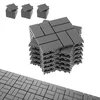
EchoDeck Interlocking Patio Deck Tiles (44-Pack, 44 sq ft)
All-weather plastic tiles with a raised drainage base that snap together without tools, covering a full 44 sq ft in one box.
- Best for: covering a full patio slab or rental balcony fast without adhesive
- Why we picked it: largest per-box coverage of the interlocking tiles we compared, so fewer boxes and seams for a full patio
- Main drawback: at ~$3.18/sq ft it’s still pricier per year of use than pavers or concrete over the long run (see table above)
Compare more interlocking deck tile options
 Option 1 Acacia Wood Interlocking Deck Tiles
|
 Option 2 Waterproof Plastic Deck Tiles (44-Pack)
|
 Option 3 THYOI Premium Acacia Deck Tiles (10-Pack)
|
As an Amazon Associate we earn from qualifying purchases.
The table below compares installed cost per square foot against expected lifespan, then divides the two to get a rough cost-per-year figure — the number that actually matters if you’re keeping the patio for a decade or more. These are calculated estimates from typical installed-cost and lifespan ranges, not a lab test, so treat them as a planning tool rather than an exact quote.
| Material | Installed Cost / sq ft | Typical Lifespan | Est. Cost Per Year* |
|---|---|---|---|
| Brick or concrete pavers | $8–$15 | 25–40 years | ~$0.35/sq ft |
| Poured, stamped, or stained concrete | $6–$30 | 25–30 years | ~$0.65/sq ft |
| Interlocking deck tiles (DIY) | $3–$6 | 5–8 years | ~$0.69/sq ft |
| Gravel or decomposed granite | $2–$6 | 3–7 years before refresh | ~$0.80/sq ft |
| Natural stone (flagstone, travertine) | $10–$40 | 30+ years | ~$0.83/sq ft |
| Outdoor porcelain tile | $9–$40 | 20–30 years | ~$0.98/sq ft |
| Wood decking | $15–$40 | 15–25 years | ~$1.38/sq ft |
| Composite decking (full raised deck) | $40–$80 | 25–50 years | ~$1.60/sq ft |
*Cost per year is installed cost divided by the midpoint of the lifespan range — our own calculated estimate, not a manufacturer figure. Composite and wood decking costs include the raised structural frame, which ground-level materials like pavers and tile don’t need, so that comparison isn’t perfectly apples-to-apples — but it’s still the honest number if you’re deciding between a raised deck and an on-grade patio.
Best Patio Flooring by Climate
Climate eliminates more options than budget does. A material that’s ideal in Arizona can crack apart in a Minnesota freeze-thaw cycle, and vice versa.
- Hot, sunny climates: choose light-colored porcelain tile or travertine. Dark natural stone and dark composite decking absorb heat and can become uncomfortable to walk on barefoot by mid-afternoon.
- Cold climates with freeze-thaw cycles: avoid standard ceramic tile — it isn’t rated for outdoor freeze-thaw and will crack within a season or two. Concrete pavers or natural stone set on a properly drained gravel base handle frost heave far better than a single poured slab.
- Wet or pool-adjacent areas: prioritize a textured, slip-resistant surface. Honed (not polished) natural stone, textured porcelain, and most concrete pavers rate well; polished stone and smooth tile get dangerously slick when wet.
- Rental properties or short-term setups: interlocking deck tiles snap together without adhesive or a permanent base, so they can be pulled up and taken with you — the trade-off is the shorter 5–8 year lifespan in the table above.
Interlocking Deck Tiles: The No-Base-Required DIY Option
Interlocking deck tiles are the fastest way to cover an existing concrete slab, wood subfloor, or even bare dirt without pouring, mortaring, or hiring anyone. Most snap together over a raised drainage grid, which keeps water from pooling underneath — a real advantage over gravel or sand-set pavers in a rainy climate. Wood-look acacia tiles run about 12″x12″ per piece and typically cover 10 square feet per box; all-weather plastic composite tiles come in larger 44-tile packs that cover roughly 44 square feet in one order.
What Is the Best Flooring to Put Over an Existing Concrete Patio?
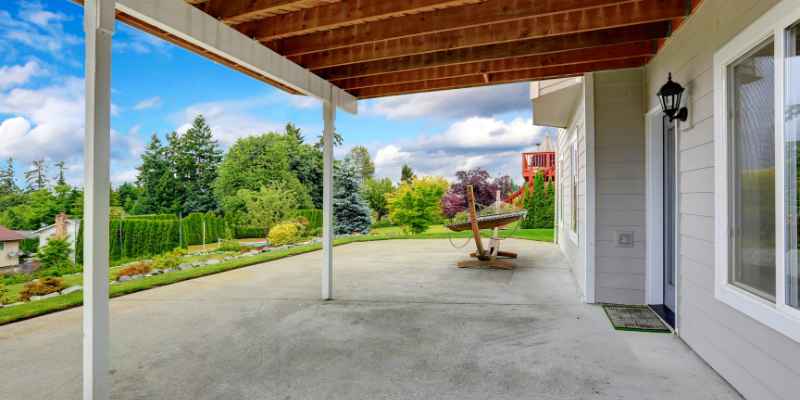
Concrete resurfacing coatings are the best option if the slab itself is structurally sound — they bond directly to the existing surface and skip demolition entirely. If the slab has cracks that keep spreading, interlocking deck tiles or a floating paver system are better, since both sit on top without bonding to a substrate that’s still moving underneath.
Porcelain tile can also go over concrete using a large-format thin-set mortar rated for exterior use, but it requires the slab to be flat and crack-free first — any existing crack will telegraph through the tile within a year or two. Wood and composite decking materials need a raised sleeper system over concrete rather than direct contact, since trapped moisture between the two will rot untreated wood.
“I’ve torn out more than one deck where someone laid pressure-treated sleepers straight onto a concrete patio with no gap for airflow underneath. The slab holds moisture against the wood after every rain, and the sleepers rot from the bottom up in three or four years even though the tops still look fine. A few strips of composite shim or a drainage mat under the sleepers is a cheap fix for a problem that’s expensive to find later.”
Common Mistakes When Choosing Patio Flooring
- Skipping the slip-resistance check. Polished stone and smooth glazed tile look great in photos but get dangerously slick within a few feet of a pool or sprinkler. Ask for the material’s dynamic coefficient of friction (DCOF) rating for wet areas — look for 0.42 or higher, which is the ANSI benchmark for wet-area flooring.
- Ignoring drainage slope. Every patio surface needs roughly a 1/4-inch-per-foot slope away from the house. Flat pavers or tile set without that slope will pool water and eventually heave in a freeze.
- Comparing sticker price only. As the cost-per-year table above shows, the cheapest material to buy is rarely the cheapest to own — gravel and interlocking tiles both need refreshing well before pavers or concrete need any real maintenance.
Frequently Asked Questions About Patio Flooring Options
What type of flooring is best for an outdoor patio?
For most homeowners, concrete or stone pavers are the best all-around choice — they cost about $0.35 per square foot per year of use, hold up 25–40 years, and individual pavers can be replaced without redoing the whole patio. Porcelain tile is the better pick if you want a single seamless-looking surface and live somewhere with mild winters.
What is the best low-maintenance outdoor flooring?
Porcelain tile and concrete pavers are both low-maintenance — porcelain is non-porous so it won’t stain or hold dirt, and pavers just need an occasional joint-sand top-off. Natural stone looks similar but needs periodic resealing every 2–3 years to keep that low-maintenance status, so it’s a step up in upkeep from the other two.
What is the most cost-effective patio flooring?
Gravel and interlocking deck tiles are cheapest to install, but concrete or brick pavers are the most cost-effective over time — roughly half the cost per year of gravel once you factor in refreshing gravel every few years. Choose gravel or tiles if you need the lowest upfront cost or plan to move within a few years; choose pavers if you’re staying put for a decade or more.
What is the best patio flooring for hot climates?
Light-colored porcelain tile or travertine stone are the best choices for hot, sunny climates. Both reflect more heat than dark natural stone, dark composite decking, or dark interlocking tiles, which can get uncomfortably hot underfoot by mid-afternoon in direct sun.
Are interlocking deck tiles a good option for a rental patio?
Yes — interlocking deck tiles are one of the only options on this list you can install without a landlord’s permission and take with you when you move, since they snap together over the existing surface with no adhesive or permanent base. The trade-off is a shorter 5–8 year lifespan compared to 25+ years for pavers or concrete.
Can you put ceramic tile outdoors?
Standard interior-rated ceramic tile is not a good choice for an outdoor patio — it isn’t dense enough to survive repeated freeze-thaw cycles and will crack within a season or two in most climates. Look specifically for tile labeled “outdoor porcelain” or “frost-rated porcelain,” which is fired denser and tested for exterior use.
Conclusion
There’s no single “best” patio flooring — the right choice depends on your climate, how long you’re staying, and whether you’re paying by the year or by the upfront invoice. If you want a fast, no-tools weekend project, interlocking deck tiles get you there. If you’re staying 10+ years, concrete or brick pavers pay for themselves. And if you’re still deciding between decking and a ground-level patio at all, our wood flooring guide and outdoor decking tile roundup cover the raised-deck side of that decision in more depth.
Sponsored / affiliate links. As an Amazon Associate I earn from qualifying purchases. I may earn additional commission from eligible campaigns.
 Wood Interlocking Deck Tiles, 12"X12" 36 PCS Patio Wooden Deck Flooring Waterproof for Balcony, Backyard, Garden & Poolside, All Weather Use, Natural Wood
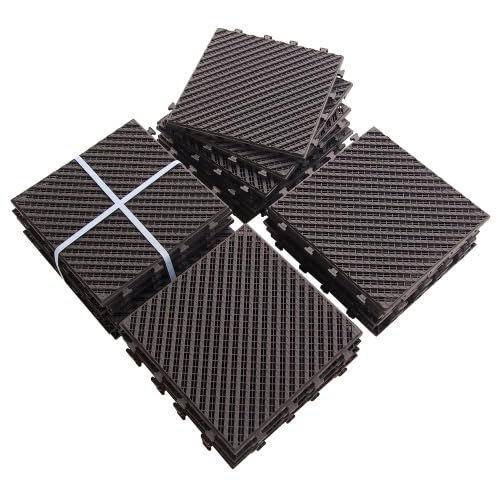 Patio Interlocking Deck Tiles, 12"x12" Composite Decking Tiles, 37-Pack, Four Slat Weatherproof Outdoor Flooring for Balcony, Porch, Backyard, Dark Brown