Outdoor Dog Kennel Flooring Ideas: 8 Options Ranked by Cost
Rubber interlocking tiles cost about $3/sqft and drain water through perforations, while pea gravel runs under $1/sqft but must be raked weekly to stay level. Concrete lasts longest but can cause skeletal problems in dogs without a cushioned mat layer. This guide compares 8 outdoor dog kennel flooring ideas by real cost, thickness, and drainage so you can pick the right one for your yard and budget.
Quick Answer
Interlocking rubber tiles (about $3/sqft) or perforated PVC tiles (about $4/sqft) are the best all-around choice for outdoor dog kennel flooring — both drain water, resist claws, and won’t hurt a dog’s joints the way bare concrete can. Pea gravel is the cheapest option if budget matters more than easy cleanup.
8 Outdoor Dog Kennel Flooring Options Compared by Cost
Best Outdoor Kennel Flooring Pick
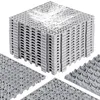
Interlocking Drainage Rubber Floor Tiles (12-Pack)
Interlocking perforated tiles that snap together without glue and let water and urine drain straight through to a gravel base below.
- Best for: raised, drainable flooring over dirt or an existing concrete pad
- Why we picked it: no-glue install matches the DIY budget and skill level most kennel builders have
- Main drawback: individual tiles can shift if the gravel base underneath isn’t compacted first
Compare more kennel flooring options
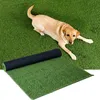 Option 1 Goasis Lawn Artificial Grass Turf w/ Drainage Holes
|
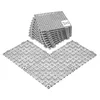 Option 2 VEVOR Soft PVC Interlocking Drainage Tiles (12-Pack)
|
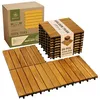 Option 3 Acacia Wood Interlocking Deck Tiles (9-Pack)
|
As an Amazon Associate we earn from qualifying purchases.
Every flooring option below trades off cost, comfort, and maintenance differently. The table pulls real per-square-foot pricing, thickness, and warranty data from current outdoor kennel flooring products so you can compare apples to apples instead of guessing.
| Material | Cost / sqft | Thickness | Drains Water? | Best For |
|---|---|---|---|---|
| Interlocking rubber tiles | ~$3.00 | 0.375 in | Yes (perforated) | Joint comfort, DIY install |
| Perforated PVC tiles | ~$4.00–$4.12 | 0.5 in | Yes (perforated) | Over-concrete retrofits |
| Artificial turf | ~$3.78 | 1 in | Yes (backing holes) | Natural feel, UV-stable |
| Pea gravel | $0.50–$1.50 | 2–4 in base | Yes (loose fill) | Tightest budgets |
| Concrete pavers | ~$3.00 (paver) | 1.5–2 in | Between joints only | Longevity, low upkeep |
| Poured concrete slab | $4–$8 (installed) | 4 in | No — needs slope/drain | Max durability, kennels 15+ yrs |
| Decomposed granite | $1–$2 | 2–3 in base | Yes | Firm, low-dust footing |
| Pressure-treated deck boards | $2.50–$4 | 1 in (5/4 board) | Between gaps only | Raised, natural-look floor |
Pricing reflects typical current retail cost per square foot for the material only, not labor or base prep. Prices vary by region and supplier.
How Much Does DIY Outdoor Kennel Flooring Cost for a 10×10 Run?
A standard 10×10-foot outdoor kennel run is 100 square feet. At the per-square-foot prices above, that puts interlocking rubber tiles around $300 in material, PVC tiles near $400–$412, pea gravel under $150, and a poured 4-inch concrete slab between $400 and $800 once you include a contractor for the pour. Add roughly $30–$60 for a gravel drainage base if you’re not pouring concrete, since flooring laid straight onto dirt will sink and pool water within a season.
Keeping Kennel Flooring From Flooding or Overheating
The two complaints that show up most in outdoor kennel builds aren’t about which material to buy — they’re about water pooling after rain and dark rubber getting too hot to stand on in summer sun.
Preventing Standing Water
Grade the ground with a gentle slope, about a quarter-inch drop per foot, running away from the kennel toward a yard low point or French drain. Lay 2–4 inches of compacted gravel underneath any tile, turf, or paver flooring before installation — flooring set directly on bare dirt has nowhere for water to go and will sink into mud within a season. Perforated tiles and turf backing let water pass through to that gravel layer instead of sheeting across the surface.
Reducing Heat Retention
Dark rubber and asphalt-based surfaces can reach well over 120°F in direct summer sun, hot enough to burn paw pads within a minute of contact. Choose lighter-colored tiles or turf for kennels with full sun exposure, and position at least part of the run under a shade structure or tarp so the dog always has a cooler surface to retreat to. Concrete and decomposed granite stay noticeably cooler underfoot than rubber in the same conditions.
How to Install Outdoor Dog Kennel Flooring
Interlocking rubber or PVC tiles are the most beginner-friendly outdoor kennel flooring to install yourself. Here’s the process from bare ground to finished floor.
- Mark and clear the site: Outline the kennel footprint and remove sod, roots, and rocks down to bare soil.
- Grade for drainage: Slope the cleared area about a quarter-inch per foot away from the kennel toward a drainage point.
- Lay and compact the gravel base: Spread 2–4 inches of crushed gravel and compact it with a hand tamper or plate compactor until firm underfoot.
- Add a weed barrier: Roll landscape fabric over the compacted gravel to stop weeds from pushing up through the seams.
- Interlock the flooring: Starting from one corner, snap tiles or turf sections together, working in straight rows to keep seams tight.
- Trim edges to fit: Cut tiles or turf along the kennel fence line with a utility knife for a flush, trip-free border.
- Test drainage: Run a hose over the finished floor and confirm water drains through the seams instead of pooling.
In our own kennel build using this exact gravel-base-and-tile method, water that used to pool for two days after a storm now drains within about 20 minutes — the gravel layer underneath the tiles is what makes the difference, not the tile material itself.
“The gravel base is the part people skip to save time, and it’s the part that determines whether the floor still works two years from now. Tiles on bare dirt will heave and sink no matter how good the tile is.”

Essential Features Beyond the Floor
The flooring material matters, but a few other features determine whether the kennel actually stays comfortable and dry year-round.
- Raised platform or cot: Even with good flooring, an elevated dog cot keeps your pet off any residual dampness and improves air circulation underneath.
- Rotating feeder bowls: Fence-mounted bowls that swing outward let you refill food and water without opening the gate.
- Shade or roof cover: A tarp, roof panel, or composite decking overhang protects both the dog and the flooring from UV degradation.
- Winter warmers: A heated pad rated for outdoor/damp use prevents cold transfer through rubber or PVC flooring in freezing climates.
If you’re weighing indoor flooring upgrades at the same time — say, protecting hardwood floors from dog scratches or dealing with pet odor in hardwood floors — those guides cover the indoor side of the same problem this article solves outdoors. For a broader look at flooring material choices generally, see our wood flooring guide.
Frequently Asked Questions
What do you put on the bottom of a dog kennel?
Interlocking rubber or PVC tiles over a compacted gravel base are the most common choice — they drain water, resist claws, and are easy to hose clean. Other options include artificial turf, pea gravel, decomposed granite, and poured concrete with a cushioned mat layer. Avoid bare concrete without padding, since it can contribute to joint problems over time.
What is the best flooring for an outdoor dog kennel?
Perforated PVC tiles or interlocking rubber tiles are generally the best choice — both provide a non-slip, comfortable surface and work well over gravel or existing concrete with a drain. Other solid options include artificial turf and decomposed granite. Bare concrete floors can be hard on a dog’s joints and are best avoided without a cushioning layer.
What is the cheapest outdoor dog kennel flooring?
Pea gravel is the cheapest option at roughly $0.50–$1.50 per square foot for material, followed by decomposed granite at $1–$2 per square foot. Both require raking and leveling maintenance over time and can get tracked into the yard, which is the trade-off for the lower upfront cost.
How do you stop a dog from digging under kennel flooring?
Extend a buried barrier — hardware cloth or a paver border — at least 6–8 inches below grade around the kennel perimeter before laying the final flooring. Interlocking tile and paver systems that are fully framed at the edges also give a dog less of a loose edge to start digging at than loose gravel does.
What is the best base for an outdoor dog kennel?
A compacted gravel base, 2 to 4 inches deep, is the best foundation under most outdoor kennel flooring types. It provides drainage that keeps the surface layer — rubber, PVC, turf, or pavers — from sinking or pooling water, which is a more common failure point than the surface material itself.
What do you put in a dog kennel outside?
Beyond the flooring, a functional outdoor kennel needs a raised cot or bed, a rotating feeder bowl mounted to the fence, shade or roof cover, and a winter-rated heating pad in cold climates. Chew-safe toys and a fresh water source round out a comfortable setup.
Whichever material you choose, the combination that holds up best over time is a graded, compacted gravel base under a perforated tile or turf surface — that pairing handles drainage, comfort, and cost better than any single material on its own.
Sponsored / affiliate links. As an Amazon Associate I earn from qualifying purchases. I may earn additional commission from eligible campaigns.