Plywood for Rocking Chairs: Baltic Birch, Cost & Bent Lamination
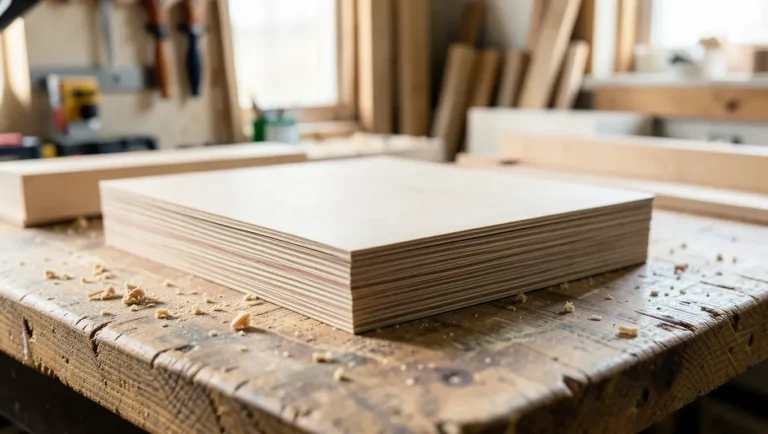
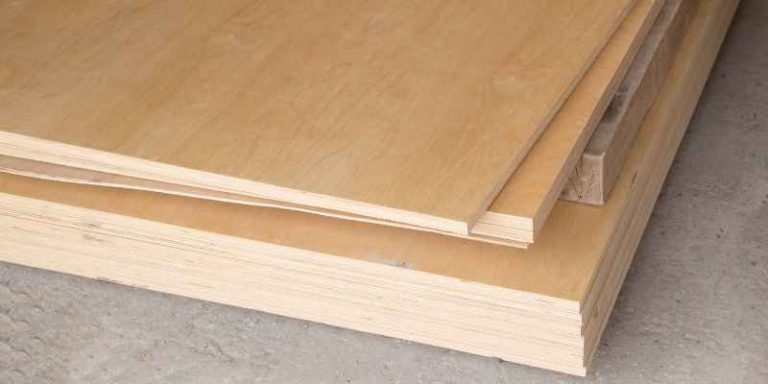
Baltic birch plywood is the standard choice for bent-lamination rocking chairs — its thin, void-free plies (unlike standard sanded plywood’s thicker, gap-prone layers) bend around a form without cracking or telegraphing voids through the surface. Expect to pay $60–$90 for a 5×5 or 4×8 Baltic birch sheet versus $40–$55 for standard cabinet-grade plywood.
That’s the detail most guides skip: not just “use plywood,” but which plywood, and why the extra cost is worth it specifically for the curved rockers and back of a rocking chair.
Why Baltic Birch For Bent Lamination
Best Bent Lamination Glue Pick
 |
Gorilla Wood Glue, 8oz A steady open time and strong bond across multiple laminated layers make this a solid choice for gluing up a bent rocker or chair back.
|
Compare more rocking chair build & finish options
 Option 1 Minwax Wipe-On Poly, Satin, 1 Pint
|
 Option 2 PC-Woody Wood Repair Epoxy Paste, 6oz
|
 Option 3 PC-Petrifier Wood Hardener, 16oz
|
As an Amazon Associate we earn from qualifying purchases.
Bent lamination is the technique of gluing thin plywood or veneer layers together around a curved form (a bending jig) and clamping until the glue cures, locking in the curve permanently — it’s how curved chair rockers, backs, and arms are made without steaming or kerf-cutting solid wood. Standard construction-grade plywood has thicker inner plies with occasional voids, which can crack or show through as the wood bends around a tight radius. Baltic birch uses thin (about 1.5mm) all-birch veneer layers with no voids, giving it the flexibility and consistency bent lamination needs.
| Plywood Type | Cost (per sheet) | Bent Lamination Suitability |
|---|---|---|
| Baltic birch (5×5 or 4×8) | $60 – $90 | Excellent — the standard choice |
| Cabinet-grade hardwood plywood | $40 – $55 | Fair — usable for gentler curves |
| Construction/sheathing plywood | $25 – $40 | Poor — voids can crack or telegraph |
Plywood Grades And Other Options
- A-grade plywood: high-quality finish, minimal defects, good for visible flat panels
- B-grade plywood: more affordable, minor imperfections, fine for hidden structural parts
- C-grade plywood: economical, noticeable imperfections — not recommended for bent lamination
For sustainability, look for FSC-certified plywood and low-formaldehyde (CARB2-compliant) adhesives, especially since a rocking chair sits in close, prolonged contact with whoever’s using it.
The Bent Lamination Process
- Build or buy a bending form matching the curve you want — typically two mirror-image MDF or plywood molds.
- Cut thin strips (1/8″–1/4″ resawn plywood or veneer) slightly oversized.
- Apply glue evenly to each layer — a slower-setting glue gives you time to stack multiple strips before clamping.
- Clamp the stack into the form and let it cure fully before removing — rushing this step is the most common cause of springback (the curve relaxing slightly after unclamping).
- Trim and finish the laminated piece once cured.
Assembling With Plywood: Tools And Joinery
For flat structural joints (seat frame, arm supports), standard joinery methods work well with plywood:
- Biscuit joinery: cut matching slots and glue in an oval biscuit for alignment and strength.
- Dowel joinery: drilled holes with glued dowels for a hidden, secure connection.
- Dado joints: a groove cut in one piece that the mating piece fits into, adding stability without extra fasteners.
- Screw and glue: pre-drill pilot holes to prevent splitting, then combine screws with glue for extra strength.
Finishing And Maintenance
Choose a finish based on how the chair will be used: an oil-based or wipe-on poly finish for indoor use, or a marine-grade spar urethane if the chair will live outdoors. Reapply finish when you notice dulling or bare spots, clean with a soft cloth rather than abrasive cleaners, and check screws/joints periodically for looseness — the rocking motion puts repeated stress on every joint.
Frequently Asked Questions Of Rocking Chair Plywood
What Plywood Is Best For A Rocking Chair’s Curved Rockers?
Baltic birch plywood, laminated in thin layers around a bending form. Its void-free, consistent plies bend cleanly without cracking, unlike standard plywood’s thicker, gap-prone layers.
How Should I Clean And Maintain A Plywood Rocking Chair?
Wipe it with a damp cloth or mild soap solution, avoiding harsh chemicals or abrasives that can damage the finish. Regularly check for loose screws or joints and tighten as needed, and apply a wood polish or wax occasionally to maintain the finish.
Can A Plywood Rocking Chair Be Used Outdoors?
Yes, but it needs a weatherproof exterior finish (marine-grade spar urethane, not an indoor wipe-on poly) and should be stored under cover when not in use to limit moisture exposure and UV fading.
Conclusion
A plywood rocking chair’s strength and durability come down to which plywood you use where: Baltic birch for the bent-lamination rockers and back, cabinet-grade plywood for flat structural parts, and a finish matched to indoor or outdoor use. Spend the extra $15-30 on Baltic birch for the curved parts — it’s the difference between a clean bend and a cracked one.
Sponsored / affiliate links. As an Amazon Associate I earn from qualifying purchases. I may earn additional commission from eligible campaigns.
 Baltic Birch Plywood Sheets Box of 45 - Laser Engraving Cutting, Scroll Saw Nature Veneer Color, Stronger Than Basswood, A/A Grade,12 x 12 x 1/8”, 3mm Thickness Perfect for Wood Burning
 LISHINE 8 Pack 12 x 12 x 1/4 Inch Baltic Birch Plywood 6mm Wood Sheet, Baltic Birch Sheets for Cricut Maker, Architectural Models, Drawing Painting, Wood Burning Laser