Screws Made of Wood vs. Wood Screws: What’s the Difference?
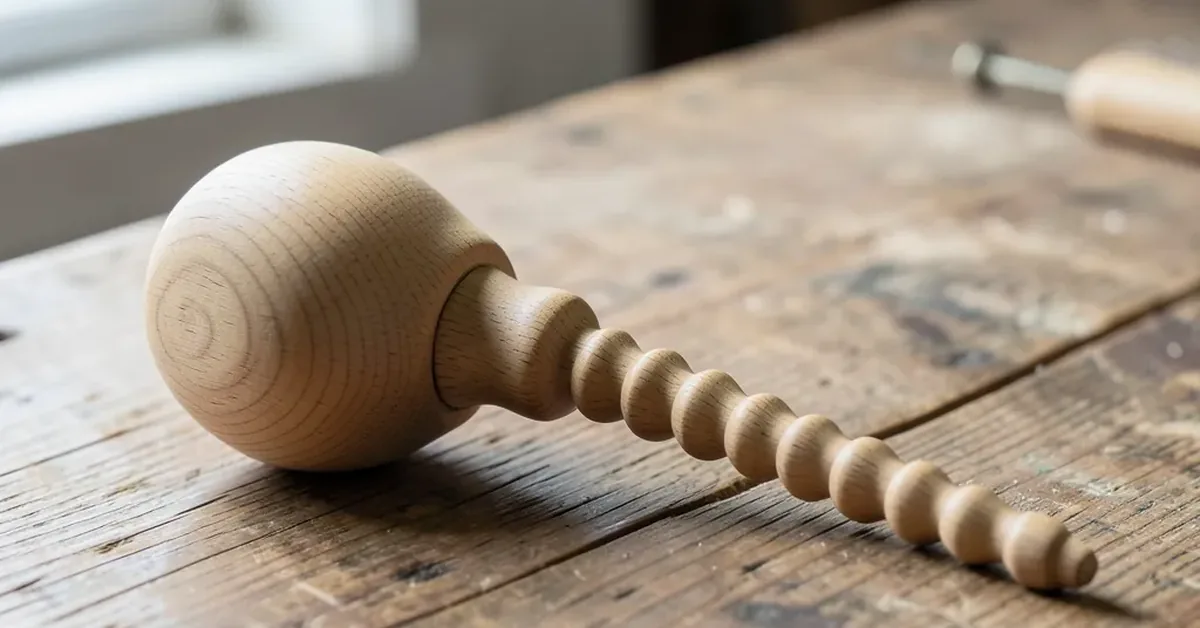
Screws made of wood are real — solid hardwood dowels with spiral threads cut by a tap-and-die kit like the Beall or Kings County Tools threader, not the steel “wood screws” sold in every hardware store aisle. Mixing the two up means buying the wrong hardware for a leg vise, book press, or antique furniture repair. This guide covers how solid wood screws are cut, where they’re still used today, and how they compare to ordinary metal wood screws.
What Is a Screw Made of Wood, Really?
Best Wood Threading Kit Pick
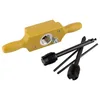
Kings County Tools 1" Wood Tap and Die Set – $62.02
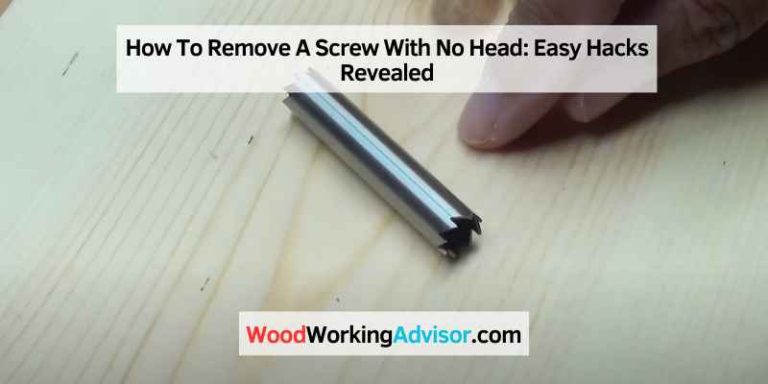
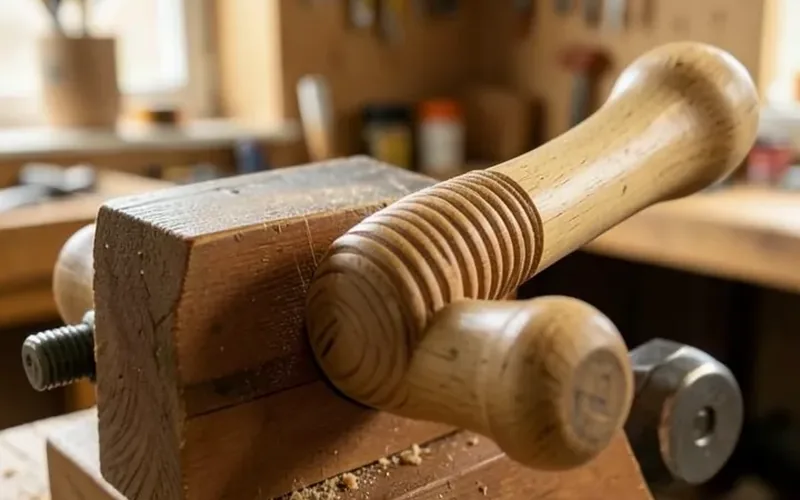
Want to cut a real wooden screw like the one above instead of just reading about them? This two-handled threadbox and matching tap cut both external and internal threads — the exact process this guide walks through below.
- Best for: Cutting your first set of 1″ wooden screws for a vise or press
- Why we picked it: Cuts both external and internal threads in one kit, matching the 6-step process this guide covers
- Main drawback: 1″ size only fits dowels milled to that exact diameter — smaller/larger projects need a different size kit
As an Amazon Associate we earn from qualifying purchases.
A wooden screw is a fastener or mechanism made entirely from a single piece of dense hardwood, with helical threads cut directly into the wood fiber instead of stamped into metal. It has no metal core. Wooden screws only hold well in dense, straight-grained hardwoods — hard maple, hop hornbeam, dogwood, or beech — because open-grained softwoods like pine shear off at the thread root under load.
Wood Screws vs. Screws Made of Wood: Key Differences
The two terms get confused constantly because they share the word “wood.” A wood screw (the common hardware-store item) is a metal fastener — steel, brass, or stainless — shaped to grip wood fibers. A screw made of wood is the fastener itself, no metal at all.
| Trait | Wood Screw (metal) | Screw Made of Wood |
|---|---|---|
| Material | Steel, brass, stainless, or titanium | Solid hardwood (maple, hornbeam, dogwood) |
| How it’s made | Cold-formed or cut on a thread-rolling machine | Cut with a router-based threading jig or hand-cut tap and die |
| Typical use | Fastening lumber, cabinetry, framing, decking | Vises, book/wine presses, antique furniture repair, marine fittings that must resist metal corrosion |
| Shear strength | High — rated in hundreds of lbs. | Lower than metal, but adequate for clamping loads |
| Cost to get started | A few cents per screw | $50–$90 for a tap-and-die kit, reusable for many screws |
How Solid Wood Screws Are Cut
Cutting a real wooden screw takes a dense hardwood dowel, a threading jig, and patience — the same basic method used since Hero of Alexandria first described screw-cutting in antiquity, just with a modern tap and die instead of a hand chisel. You’ll also need basic drilling know-how for the pilot and tap holes described below.
- Choose the wood: Mill a straight-grained dowel from hard maple, hop hornbeam, or dogwood — softwoods like pine will shear off under load.
- Size the dowel: Turn or sand the dowel to the exact diameter the tap-and-die kit calls for (commonly 1/2″, 3/4″, or 1″).
- Soften the wood: Brush on boiled linseed oil or a similar lubricant so the die cuts cleanly instead of tearing the grain.
- Cut the external threads: Seat the dowel in the two-handled threadbox and turn steadily, letting the cutter follow the lead thread.
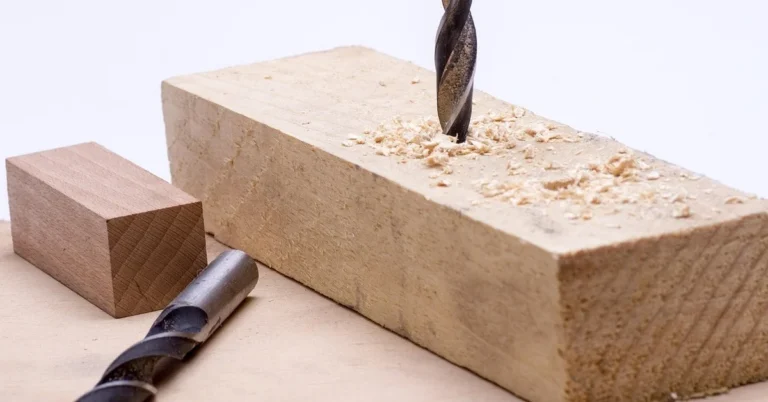
- Cut the matching internal threads: Drill a pilot hole in the mating block (see our wood screw drill size chart for standard bit sizing), then run the tap through by hand until it bottoms out.
- Test-fit and adjust: Thread the screw into the tapped block; if it binds, back it out and clear the loosened fibers before trying again.
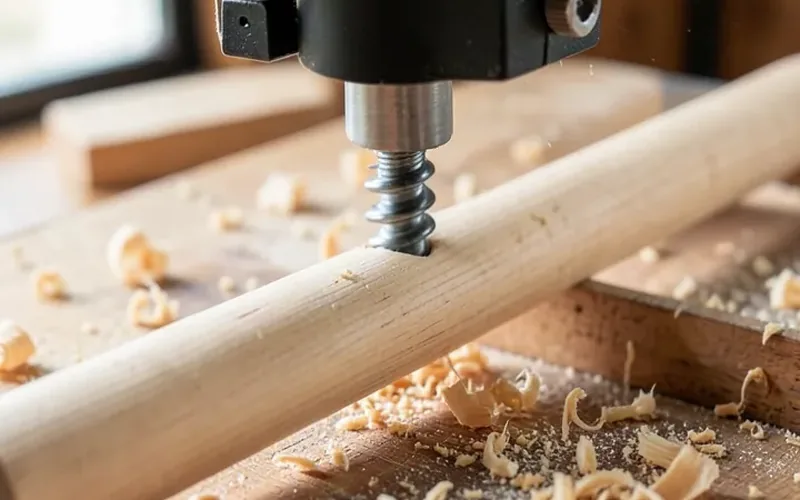
“Simply soften the wood with an oil lubricant, then drill a tap hole with a drill bit, align the dowel to the wood threading kit threader hole, then press down and turn to create external threads.”
Where Solid Wood Screws Are Still Used Today
Wooden screws predate metal wood screws by centuries — large wood screws up to 12 inches across were hand-cut for wine and cider presses long before machine-cut metal fasteners became standard in the 1800s. They haven’t disappeared; they’ve just moved into niche uses where wood outperforms metal.
- Woodworking vises: Leg vises and shoulder vises on traditional workbenches still use a large wooden screw — it won’t mar the wood jaws and never needs oiling to stay rust-free.
- Book and wine presses: Bookbinders and small-scale wine and cider presses use wooden screws because they apply steady clamping pressure without a metal taste or corrosion risk near food and paper.
- Antique furniture repair: Reproducing 18th- and 19th-century furniture correctly sometimes means cutting a matching wooden screw instead of substituting a modern metal one.
- Marine and high-humidity fittings: A wooden screw can’t rust or leave a corrosion stain the way an untreated metal fastener can in constant moisture.
📊 Metal wood screws only became the woodworking standard after industrial screw-cutting lathes spread in the late 1700s and 1800s — before that, threaded wood fasteners were the norm for centuries. Source: Lost Art Press, A History of Threaded Screws, 2022
Are Wooden Screws as Strong as Metal Screws?
No — a wooden screw has meaningfully lower shear strength than a comparable steel wood screw, and it can crush or strip its threads under repeated over-tightening in a way steel won’t. That’s a real limitation, not a minor one, for anything load-bearing.
But strength isn’t the only variable that matters. For clamping pressure — a vise jaw, a press platen — wood’s lower strength is rarely the limiting factor, and its resistance to rust, its self-lubricating friction fit, and its historical authenticity for restoration work are advantages metal can’t match.
Common Mistakes When Cutting or Buying Wood Screws
- Using softwood: Pine, fir, and spruce dowels shear off at the thread root under load — stick to hard maple, hornbeam, dogwood, or beech.
- Skipping the lubricant: Cutting a dry dowel tears the wood fibers instead of shearing them cleanly, leaving a rough, weak thread.
- Buying “wood screws” when you meant wooden screws: Hardware stores stock metal wood screws almost exclusively — a real wooden screw has to be cut with a threading kit or bought from a specialty vise/hardware maker.
- Wrong dowel diameter: Tap-and-die kits are sized to an exact diameter — a dowel even 1/16″ off won’t thread cleanly.
- Not countersinking mating hardware: If you’re pairing a wooden screw with any metal cap or washer, countersinking technique still applies the same way it does for standard fasteners.
Frequently Asked Questions About Screws Made of Wood
Are wood screws actually made of wood?
No, not the ones sold at hardware stores. “Wood screw” refers to a metal fastener (steel, brass, or stainless) shaped to grip wood fibers. A screw made entirely of wood is a separate, less common item cut with a tap-and-die threading kit.
Can you make your own wooden screws?
Yes. A router-based jig like the Beall Wood Threader, or a hand tap-and-die kit like the Kings County Tools set, cuts clean external and internal threads into a hardwood dowel. Soften the wood with linseed oil first for a cleaner cut.
What wood is best for cutting wooden screws?
Dense, straight-grained hardwoods work best — hard maple, hop hornbeam, dogwood, and beech. Softwoods like pine or fir shear off at the thread root and won’t hold under clamping pressure.
Are wooden screws as strong as metal screws?
No. Wood has lower shear strength than steel and can strip or crush under repeated over-tightening. It’s strong enough for clamping uses like vises and presses, but not for load-bearing structural connections.
What are standard wood screws made out of?
Standard wood screws (the hardware-store kind) are metal — usually steel, sometimes brass, stainless steel, or titanium for corrosion resistance or outdoor use.
Conclusion
Real wooden screws exist and still do useful work in vises, presses, and period-correct furniture repair, but they’re a different product from the metal “wood screws” on a hardware-store shelf. If you need to fasten lumber, buy metal wood screws. If you’re building or repairing a wooden vise or press, a tap-and-die threading kit and a hard maple dowel will get you there.
Sponsored / affiliate links. As an Amazon Associate I earn from qualifying purchases. I may earn additional commission from eligible campaigns.