Why Tents With Wood Burning Stoves Are a Game-Changer
My first winter camping trip was a chilly disaster. I shivered in my sleeping bag, dreaming of hot cocoa. Then I discovered tents with wood burning stoves—a cozy game-changer! These tents keep you warm, let you cook, and make camping feel like home. This article shares easy tips, safety advice, and fun ideas to help beginners and pros enjoy tents with wood burning stoves. From setup steps to picking the right gear, I’ll guide you through it all with simple words and real stories.
What Are Tents With Wood Burning Stoves?
A tent with a wood burning stove is a special camping tent designed to hold a small stove inside. It has a fireproof hole called a stove jack for the chimney to safely vent smoke. These tents, often made of canvas or silnylon, keep you toasty in cold weather. They’re perfect for winter camping, hunting, or glamping with friends. I love how they turn a freezing night into a warm, cozy adventure!
Why They Matter
Winter camping can be tough without heat. A wood stove solves this by warming your tent and drying wet gear. You can even cook dinner on it! Unlike gas heaters, wood stoves use free firewood, saving money. Plus, the crackling fire adds a magical vibe. It’s like having a tiny cabin in the wilderness.
Benefits of Tents With Wood Burning Stoves
Using a wood stove in your tent has tons of perks. Here are my favorites:
- Warmth: Keeps you cozy even in sub-zero temps.
- Cooking: Boil water or cook meals on the stove’s flat top.
- Ambiance: The fire’s glow feels like home.
- Cost-Saving: Uses free wood instead of pricey fuel.
But there are drawbacks too. Stoves add weight, need careful setup, and require safety precautions to avoid fires or carbon monoxide risks. Still, the cozy factor makes it worth it for me!
Choosing the Right Tent and Stove
Picking the perfect tent and stove is key. Here’s a simple guide to get started.
Tent Features to Look For
Not all tents work with stoves. Look for these:
- Stove Jack: A fireproof opening for the chimney.
- Durable Material: Canvas or silnylon handles heat better than nylon.
- Size: Pick a tent big enough for you, your gear, and the stove.
I recommend canvas tents like those from Kodiak Canvas for durability. For lightweight options, check Seek Outside’s silnylon tents.
Stove Types
Stoves come in different materials and sizes. Here’s a quick comparison:
| Stove Type | Material | Weight | Best For | Cost |
|---|---|---|---|---|
| Titanium Stove | Titanium | 1–3 lbs | Backpacking | $200–$400 |
| Steel Stove | Stainless Steel | 10–30 lbs | Car camping | $100–$300 |
| Cylinder Stove | Steel | 20–40 lbs | Large tents | $150–$350 |
Caption: Compare stove types to match your camping style. Titanium is light but pricey; steel is budget-friendly but heavier.
My Go-To Picks
For beginners, I love the Pomoly T1 Mini titanium stove—it’s light and easy to carry. For bigger groups, try a stainless steel stove from White Duck Outdoors. They’re sturdy and heat large tents fast.
How to Set Up a Tent With a Wood Burning Stove
Setting up a tent with a wood burning stove is easier than it sounds. My first try was a smoky mess, but now it’s a piece of cake! Follow these steps:
- Pick a Flat Spot: Find level ground away from flammable stuff like dry grass.
- Set Up the Tent: Pitch your tent tightly to avoid sagging near the stove.
- Place the Stove: Put it on a fireproof mat, away from tent walls.
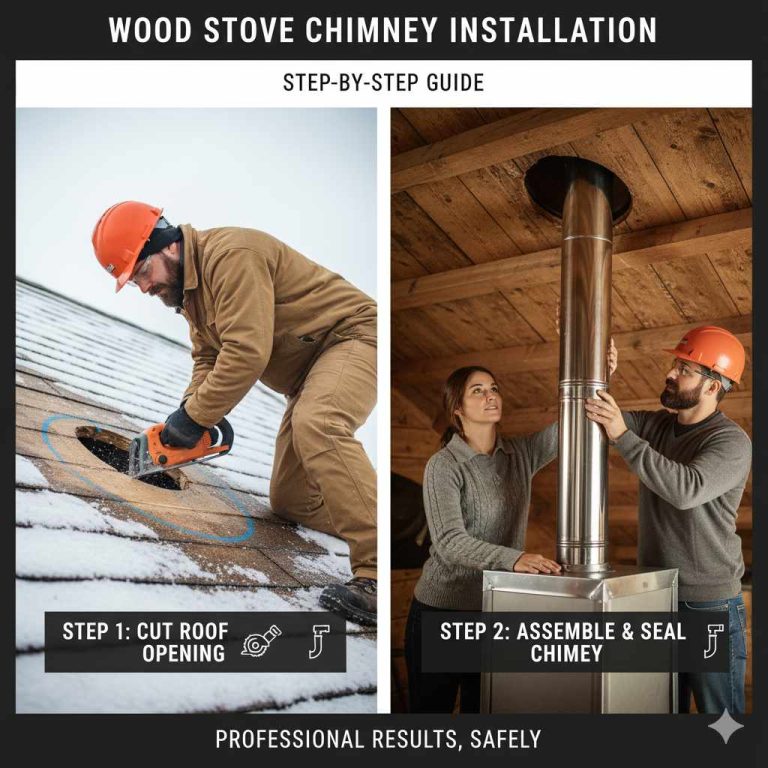
- Install the Chimney: Run the stove pipe through the stove jack and secure it.
- Check Ventilation: Open a vent or window to let air flow.
- Light the Fire: Start with small twigs, then add bigger logs.
Visual Idea: A diagram showing stove placement and chimney setup in a canvas tent.
Common Setup Mistakes to Avoid
- Too Close to Walls: Keep the stove at least 18 inches from tent walls to avoid burns.
- Poor Ventilation: Always crack a window to prevent carbon monoxide buildup.
- Wet Wood: Use dry wood to avoid smoke and soot.
Safety Tips for Using Wood Burning Stoves
Safety is huge with tents with wood burning stoves. One wrong move can cause a fire or worse. Here’s how to stay safe:
- Use a Spark Arrestor: This stops embers from escaping the chimney.
- Keep a Fire Extinguisher Handy: I always have one nearby, just in case.
- Monitor the Stove: Never leave it burning unattended, especially at night.
- Add a CO Detector: Place it at head level to catch carbon monoxide early.
I learned this the hard way when my stove pipe got too hot and singed my tent. A spark arrestor and better venting saved the day
Comparing Wood Stoves to Other Heating Options
Wondering if a wood stove is right for you? Here’s a table comparing it to other heaters:
| Heater Type | Pros | Cons | Best For |
|---|---|---|---|
| Wood Stove | Cozy, cooks food, uses free wood | Heavy, needs setup | Winter camping |
| Propane Heater | Lightweight, easy to use | Fuel costs, wet heat | Quick trips |
| Electric Heater | Safe, no fumes | Needs power source | RV camping |
Caption: Choose a heater based on your camping needs. Wood stoves shine for cozy, off-grid adventures.
Fun Camping Ideas With a Wood Stove
A wood stove makes camping epic. Here are easy ways to use it:
- Cook a Meal: I make skillet cornbread on my stove’s flat top. So yummy!
- Dry Wet Gear: Hang soggy socks near (not on!) the stove to dry overnight.
- Create Ambiance: The fire’s glow is perfect for storytelling with friends.
Visual Idea: A sketch of a cozy tent interior with a glowing stove and drying clothes.
Cost-Saving Tips for Beginners
Camping with a stove can be pricey, but you can save money:
- Shop Used Gear: Check eBay for gently used canvas tents or stoves.
- Use Local Wood: Collect dry branches instead of buying firewood.
- Start Small: Try a compact titanium stove for solo trips before going big.
My first stove was a budget steel model from Walmart, and it worked great for years
Personal Insights From My Camping Adventures
I’ve camped with wood stoves for years, from snowy Colorado mountains to rainy Oregon forests. My biggest lesson? Patience is key. Rushing the setup leads to mistakes, like forgetting the spark arrestor. Also, always bring extra stove pipe sections—you never know when you’ll need a taller chimney for better draft. These little tricks make tents with wood burning stoves a joy to use.
Frequently Asked Questions
What Is a Stove Jack in a Tent?
A stove jack is a fireproof hole in the tent for the stove’s chimney pipe. It lets smoke escape safely while keeping heat inside. Canvas tents usually have them built-in, but check before buying.
Are Wood Burning Stoves Safe in Tents?
Yes, if you follow safety rules. Use a spark arrestor, keep the stove away from walls, and add a CO detector. Never leave the fire burning unattended, especially at night.
How Do I Choose the Right Stove Size?
Match the stove to your tent size. Small stoves (like Pomoly T1 Mini) work for 1–2 people. Larger stoves (like White Duck’s) heat bigger tents for groups of 4–8.
Can I Cook on a Tent Stove?
Absolutely, it’s a big perk! Most stoves have flat tops for cooking. I’ve made everything from pancakes to stew. Just keep the surface clean and use dry wood.
What’s the Best Tent Material for Stoves?
Canvas or silnylon are top choices. They handle heat better than nylon. Canvas is durable but heavy; silnylon is lighter for backpacking. Both need a stove jack.
How Much Do Tents With Wood Burning Stoves Cost?
Prices range from $200 to $1000. Basic steel stoves start at $100, while titanium ones cost $200–$400. Canvas tents with stove jacks run $300–$800, depending on size.
How Do I Maintain a Tent Stove?
Clean it after 15–20 hours of use. Let it cool, then remove ash and soot from the stove and pipe. Use a brush or tree branch for the chimney.
Conclusion
Tents with wood burning stoves make winter camping warm and fun. They’re perfect for cozy nights, cooking meals, and drying gear. With the right tent, stove, and safety steps, you’ll love the experience. Try setting up a hot tent on your next trip—it’s easier than you think! Share your camping stories in the comments or ask me for more tips. Happy camping!