Termite Holes in Wood: Identifying and Fixing the Damage
Termite holes in wood are a serious concern for homeowners. These tiny pests can cause significant damage over time.
Wood is a natural material that adds warmth and beauty to any home. But it is also a prime target for termites. These small insects can chew through wood, creating tiny holes. Over time, this can weaken the structure of your home.
Understanding termite holes is key to preventing damage. These holes are often the first sign of an infestation. Knowing how to spot and address them can save you from costly repairs. In this blog, we will explore what termite holes look like, why they form, and how to handle them. Stay informed and protect your home from these destructive pests.

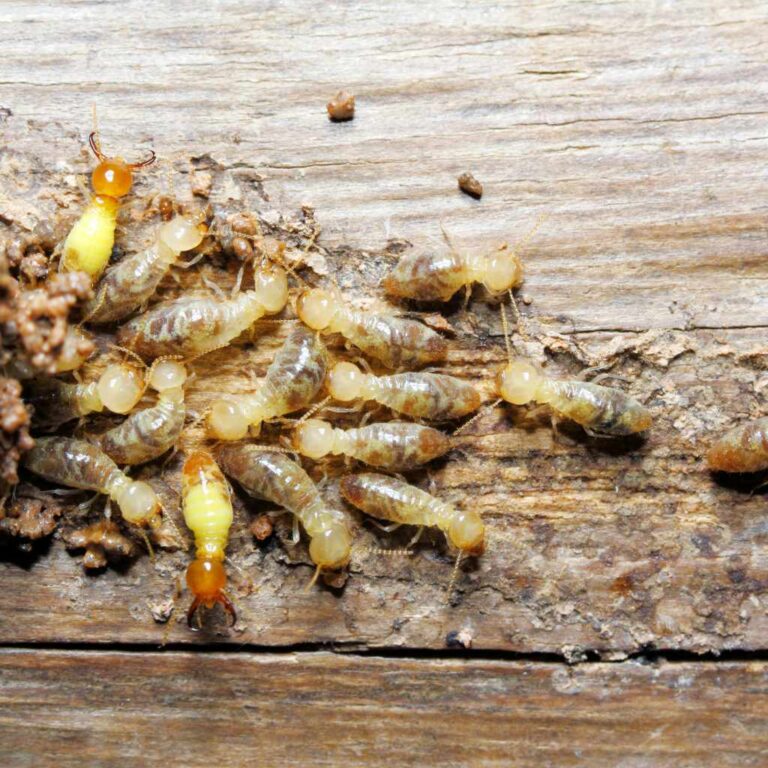
Credit: stampedepestcontrol.com
Signs Of Termite Infestation
Termite infestations can be a real headache. These tiny pests can cause a lot of damage to your home if not caught early. But how do you know if you have a termite problem? Let’s dive into some common signs that may indicate you have termites.
Visible Damage
One of the first signs of termite infestation is visible damage to wood. You’ll notice things like:
- Small holes in wooden structures
- Cracked or distorted paint on wood surfaces
- Wood that sounds hollow when tapped
Imagine you’re walking through your home and you see paint that looks bubbled or wood that appears to be eaten away. This is a red flag. Termites eat wood from the inside out, so the damage is often hidden until it’s severe. Take a closer look if you notice these signs.
Sounds From Wood
Termites are not just silent destroyers. Sometimes, you can actually hear them. Ever put your ear close to a piece of wood and heard faint clicking sounds? That could be termites at work. Here are some sounds to listen for:
- Clicking Noises: These are usually the termites chewing away.
- Tapping Sounds: Soldier termites bang their heads against the wood to signal danger.
It’s like a tiny construction site inside your walls. If you hear these sounds, it’s time to call a professional. Ignoring it will only make the problem worse.
In conclusion, keeping an eye out for these signs and listening closely can save your home from extensive damage. So, next time you see something unusual or hear strange noises, don’t ignore it. Act fast and protect your home.
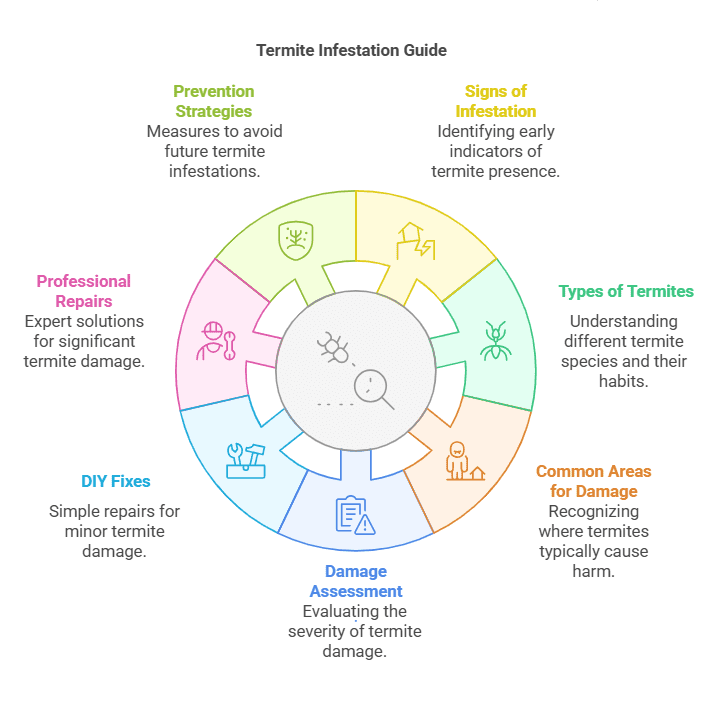
Types Of Termites
Hey friends, today we’re diving into the world of termites. These little pests can cause big problems in your home, especially when it comes to your precious wood furniture or house structures. There are different types of termites, and each one has its own way of causing trouble. Let’s break it down and see what we’re dealing with.
Subterranean Termites
First up, we have the subterranean termites. These guys live underground. They build tunnels to get to their food – your wood! They are the most common type of termite and can cause serious damage if not controlled.
- They live in colonies in the soil.
- They need moisture to survive.
- They build mud tubes to travel above ground.
Imagine them as little miners, digging tunnels to find their next meal. If you see mud tubes around your house, it’s a sign you might have subterranean termites.
Drywood Termites
Next, let’s talk about drywood termites. Unlike their subterranean cousins, drywood termites don’t need soil to survive. They live directly in the wood they eat. They are less common but can still cause a lot of damage.
- They do not need soil or moisture.
- They live inside the wood they infest.
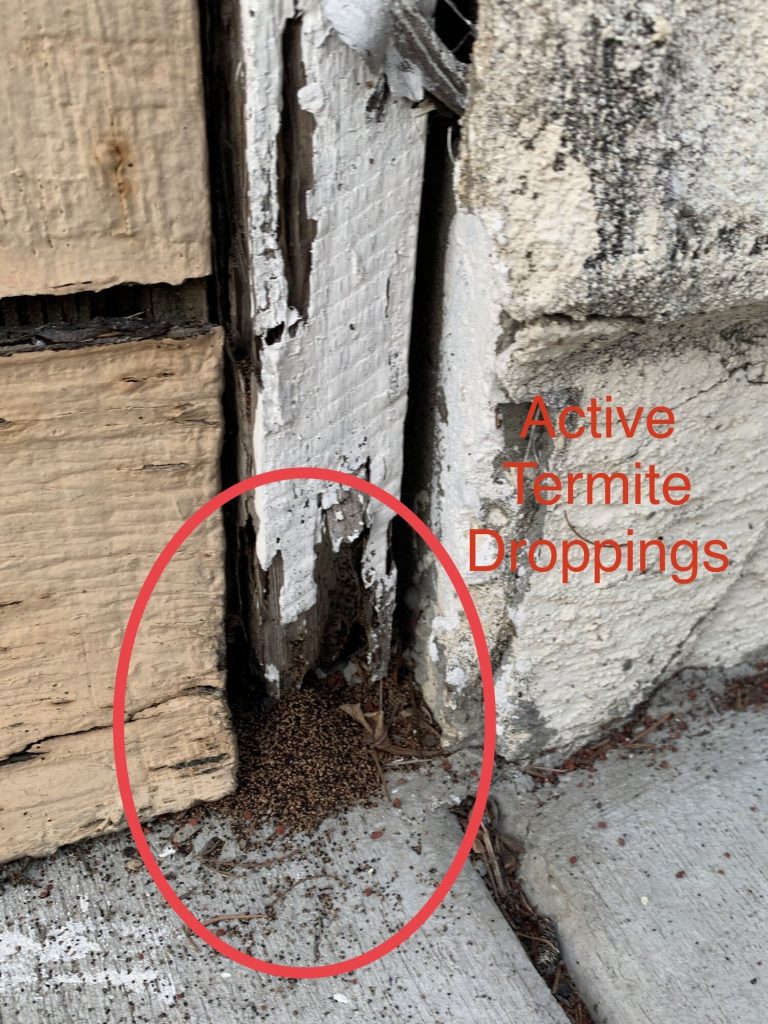
- They create small, dry pellets of waste.
Think of them as the squatters of the termite world. They move right into your wooden furniture or house beams and start making themselves at home. If you find tiny piles of wood pellets, you might have drywood termites.
Knowing the types of termites can help you understand what you’re up against and how to deal with them. Stay tuned for more tips on how to protect your home from these wood-munching invaders!
Common Areas For Termite Holes
Termite holes in wood are a serious concern for homeowners. These pests can cause significant damage if left unchecked. Understanding where termites are likely to create holes can help in early detection and prevention. Common areas for termite holes include various wooden structures and furniture within homes.
Wooden Structures
Wooden structures are prime targets for termites. This includes the framework of your house. Termites often attack walls, floors, and ceilings made of wood. Decks and porches are also vulnerable. These outdoor structures frequently suffer from termite damage. Even wooden fences around your property can be at risk.
Furniture
Furniture is another common area for termite holes. Termites often infest wooden chairs, tables, and cabinets. Antique furniture is especially at risk due to its age. Termites can easily chew through the wood, causing significant damage. Detecting termite activity in furniture early can save you from costly repairs.
Identifying Termite Holes
Termite holes in wood can cause significant damage to structures. Identifying these holes early can save you time and money. Understanding their characteristics and differences from other insect holes is crucial.
Hole Characteristics
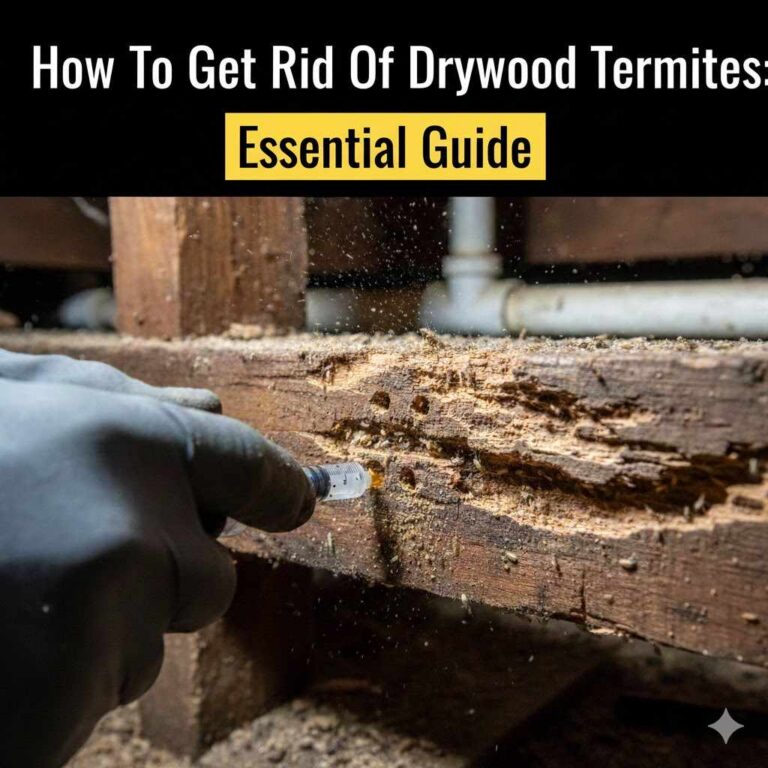
Termite holes are small, round, and often hard to see. They are usually about 1/8 inch in diameter. These holes are often found near mud tubes or damaged wood. The wood around the holes might sound hollow when tapped. You may also notice fine wood dust or pellets around the holes. This dust is a sign of termite activity.
Difference From Other Insects
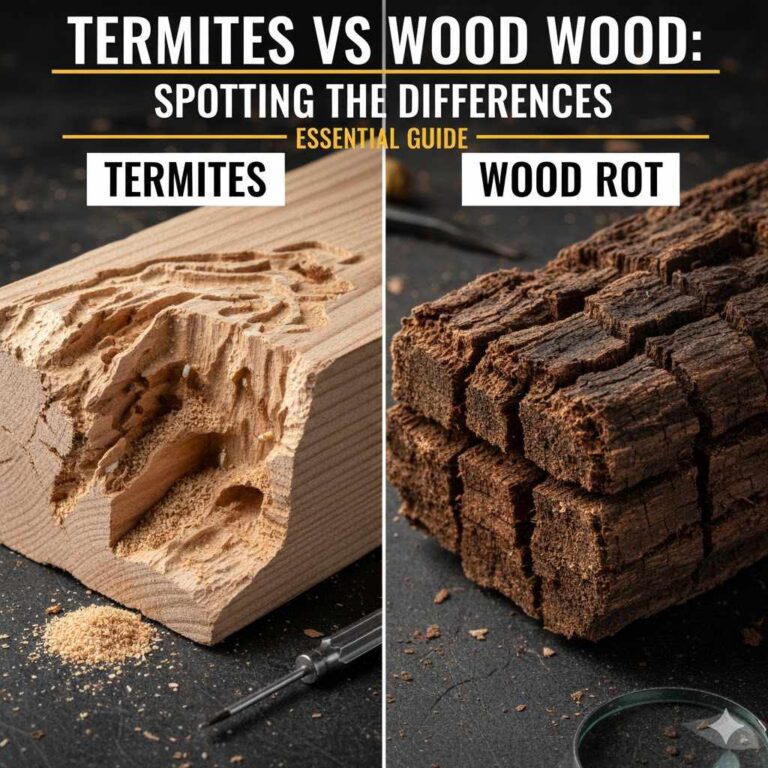
Other insects also make holes in wood, but their holes look different. Carpenter ants create larger, irregular holes. These holes often have smooth edges. Beetles make tiny, round holes, but they are usually smaller than termite holes. Knowing these differences helps in correctly identifying the pest. Proper identification ensures effective treatment and prevention.
Assessing The Extent Of Damage
Assessing the extent of damage caused by termite holes in wood is crucial. It helps determine the severity and necessary steps for repair. Knowing the damage level aids in deciding between DIY fixes and professional help. Let’s explore how to examine the damage properly.
Surface Inspection
Start with a surface inspection. Look for visible holes and tunnels. Check for sawdust around the wood. Tap the wood lightly with a screwdriver. Listen for hollow sounds which indicate internal damage. Examine baseboards, window sills, and wooden furniture. Pay attention to blistered or dark areas on the wood. These can be signs of termite activity.
Professional Assessment
If surface inspection raises concerns, seek a professional assessment. Experts use special tools to detect hidden damage. They can accurately determine the extent of the infestation. Professionals might use moisture meters and infrared cameras. They know where termites typically hide and can find them easily. A detailed report from a professional helps in planning the next steps. It ensures that all affected areas are treated properly.
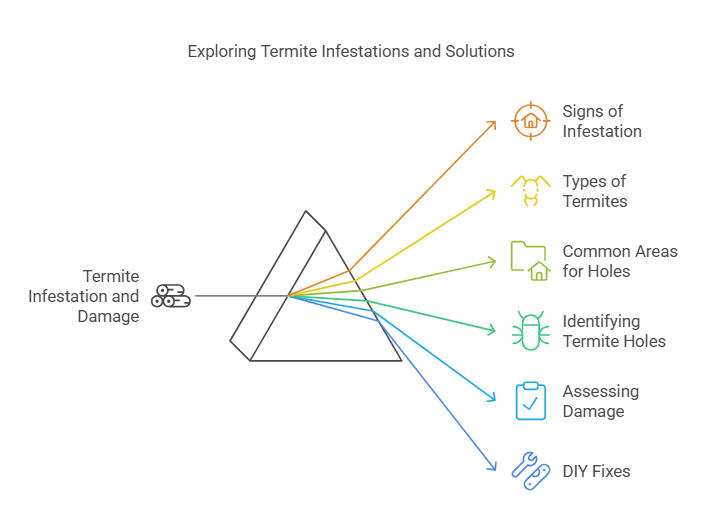
DIY Fixes For Minor Damage
Hey friends, today we’re diving into a common problem that many of us face – termite holes in wood. But don’t worry, I’ve got you covered with some simple DIY fixes for minor damage. Whether you’re dealing with small holes or need to replace a tiny section of wood, these tips will help you restore your wooden treasures. Let’s get started!
Filling Holes
First up, let’s talk about filling holes. If you’ve noticed small holes in your wood, you can easily fill them yourself. Here’s how:
- Clean the hole: Use a small brush or a vacuum to remove any dust or debris from the hole.
- Apply wood filler: Pick up some wood filler from your local hardware store. Using a putty knife, press the filler into the hole. Be sure to overfill slightly, as the filler will shrink as it dries.
- Let it dry: Follow the drying time instructions on the wood filler package. This usually takes a few hours.
- Sand smooth: Once the filler is dry, use fine-grit sandpaper to smooth it out. Sand gently until the filled hole is level with the surrounding wood.
- Finish: If needed, you can paint or stain over the filled hole to match the rest of the wood.
Easy, right? This method works great for minor holes and can make your wood look almost like new again.
Replacing Small Sections
Sometimes, the damage is a bit more extensive, and you might need to replace small sections of wood. Don’t worry, it’s not as hard as it sounds. Here’s what you need to do:
- Measure the damaged area: Use a tape measure to get the exact dimensions of the damaged section.
- Cut out the damaged wood: Using a saw, carefully cut out the damaged section. Make sure your cuts are straight and clean.
- Prepare a replacement piece: Cut a new piece of wood to the same size as the section you removed. It’s best to use the same type of wood for a seamless repair.
- Fit the new piece: Place the new piece of wood into the cut-out area. It should fit snugly. If it’s too tight, sand the edges slightly until it fits perfectly.
- Secure the new piece: Use wood glue or small nails to secure the new piece in place. If you’re using glue, clamp the piece until the glue dries.
- Finish: Sand the edges to ensure a smooth transition between the new and old wood. Then, paint or stain to match the existing wood.
Replacing small sections of wood can take a bit more time, but it’s a great way to extend the life of your wooden items. Plus, it saves you from having to replace the entire piece.
There you have it, folks! With these simple DIY fixes, you can easily tackle minor termite damage in your wood. Give it a try and see the difference it makes. Happy repairing!
Professional Repair Options
Hey friends, ever found tiny holes in your wooden furniture? It’s a sure sign that termites have invaded. But don’t worry, you have options! Let’s dive into some professional repair solutions to tackle termite holes in wood.
Structural Repairs
First things first, you need to assess the damage. Sometimes, termites can cause serious structural issues. For big problems like this, you need a pro. A professional can:
- Inspect the extent of the damage
- Replace or reinforce damaged wood
- Ensure your home is safe and sturdy again
Think of it like fixing a broken bone. You wouldn’t do it yourself, right? A professional will make sure the repairs are done properly. They might use special tools and materials that you don’t have at home.
Wood Treatments
After fixing the structural issues, it’s time to treat the wood. This step is crucial to prevent termites from coming back. Professionals can apply wood treatments that:
- Kill any remaining termites
- Protect the wood from future infestations
There are different types of treatments. For example, some treatments involve chemicals that soak into the wood. Others might use a heat treatment. It’s like giving your wood a protective shield. And trust me, it’s worth it.
I remember when I had a termite problem last year. I tried some DIY fixes, but they didn’t work. It wasn’t until I hired a pro that my wood was finally safe. So, don’t hesitate to get professional help. Your wood will thank you!
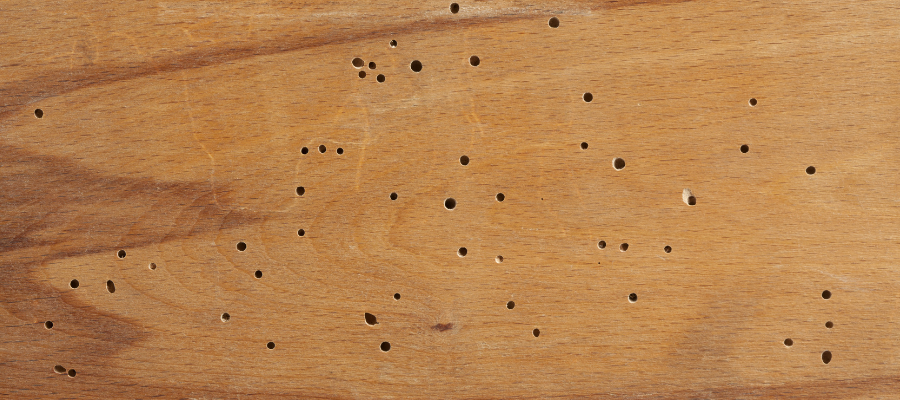
Credit: andersonpestsolutions.com
Preventing Future Infestations
Regular inspections help spot termite holes in wood early. Sealing cracks and crevices can prevent future infestations. Keep wood away from soil to reduce risk.
Hey friends, dealing with termite holes in wood can be a real headache. But the good news? There are simple steps you can take to keep those pesky critters at bay. Let’s dive into how you can prevent future infestations and protect your home.
Regular Inspections
One of the best ways to prevent termites is to catch them early. And that means regular inspections. Think of it like a health check-up for your house. Here’s what you can do:
- Walk around your home every few months.
- Look for signs of termite activity like mud tubes or tiny holes.
- Check wooden furniture and structures for damage.
I remember the time I found a small hole in a wooden beam in my basement. It turned out to be termites. A quick inspection saved me a lot of trouble.
Protective Measures
Once you’ve inspected your home, it’s time to take action. Simple measures can go a long way in keeping termites away. Here’s how:
- Keep Wood Dry: Termites love moisture. Fix any leaks and ensure good ventilation.
- Store Wood Properly: Don’t keep firewood or lumber close to your home. Store it off the ground and away from the house.
- Use Treated Wood: For any new construction or repairs, use wood treated with termite-resistant chemicals.
Think of it like putting on a raincoat before a storm. These steps help create a barrier between your home and termites.
Remember, prevention is always better than cure. With regular inspections and some protective measures, you can keep your home safe from termites. Got any tips or personal stories? Share them in the comments below!
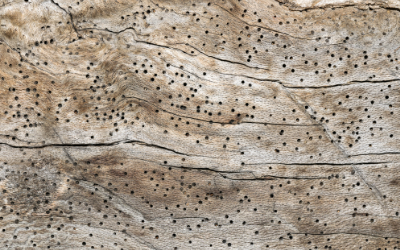
Credit: leospest.com
Frequently Asked Questions
What Do I Do If I Find A Termite Hole?
Contact a professional pest control service immediately. Avoid disturbing the hole. Keep the area dry and clean. Seal any cracks or openings. Regularly inspect for more signs of termites.
Should You Cover Termite Holes?
Do not cover termite holes. Treat the infestation first to prevent further damage. Contact a pest control professional.
Do Holes In Wood Mean Termites?
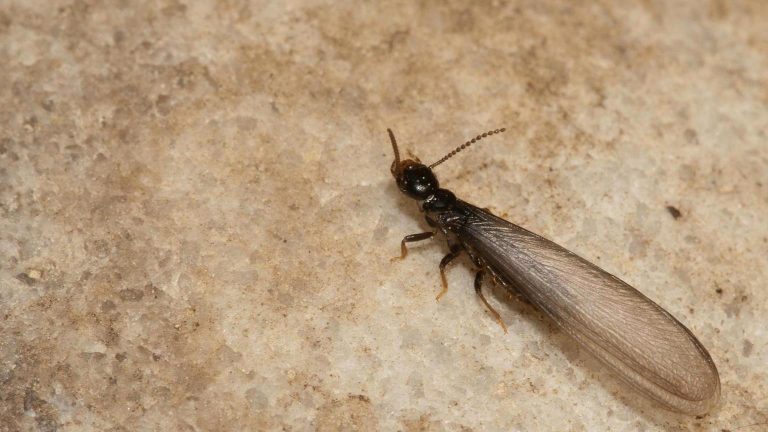
Holes in wood could indicate termites. These pests create small, round openings. Other insects can also cause wood damage. Inspect closely for signs like discarded wings and droppings to confirm termite activity.
How Do You Fill Termite Holes In Wood?
Fill termite holes in wood by cleaning the area, applying wood filler, and sanding it smooth. Seal and paint to finish.
Conclusion
Termite holes in wood signal a serious problem. Early detection is crucial. Regular inspections help prevent extensive damage. Act quickly if you notice signs. Contact a professional for effective treatment. Protect your home from costly repairs. Keep your wooden structures safe.
Prevention is always better than cure. Stay vigilant and maintain your property. Your home deserves the best care.