Signs of Termites in Your Floor (And When You Need an Inspector, Not a DIY Fix)
The clearest signs of termites in a floor are a hollow or papery sound when you tap the boards, visible mud shelter tubes on foundation walls or joists, small pinholes with fine sawdust-like droppings nearby, and floors that feel spongy, sag, or bounce underfoot without an obvious water-damage cause. You can check for all of these yourself. Confirming an actual infestation, identifying the termite species, and any chemical treatment is a job for a licensed pest control professional – not something to attempt as a DIY fix.
Here’s what to look for, what a DIY check can and can’t tell you, and why the treatment step specifically belongs to a licensed inspector rather than a home project.
The Signs You Can Actually Check Yourself
Best DIY Detection Tool
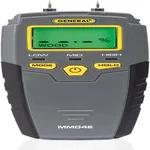 |
General Tools MMD4E Pinless Moisture Meter – $39 This won’t tell you whether termites are present, but elevated, localized moisture readings in a floor or joist are exactly the kind of anomaly worth flagging to an inspector.
|
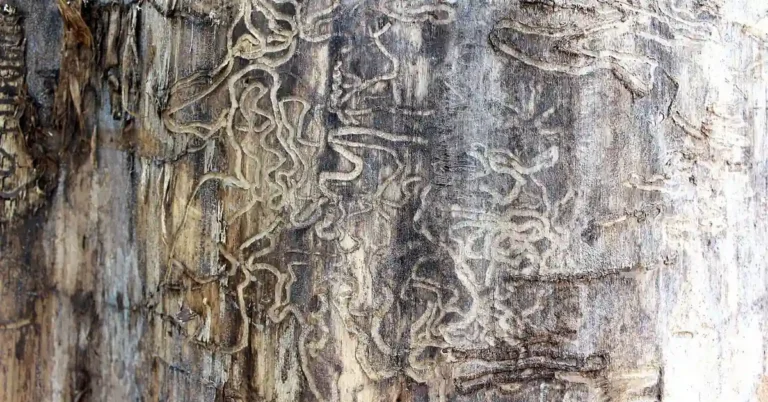
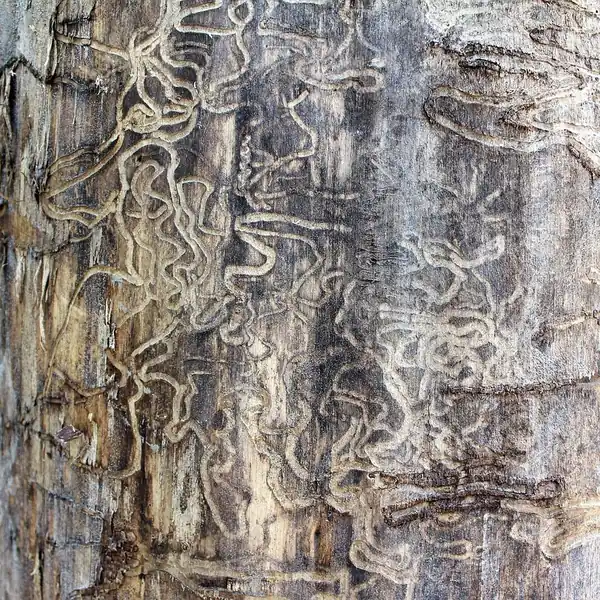
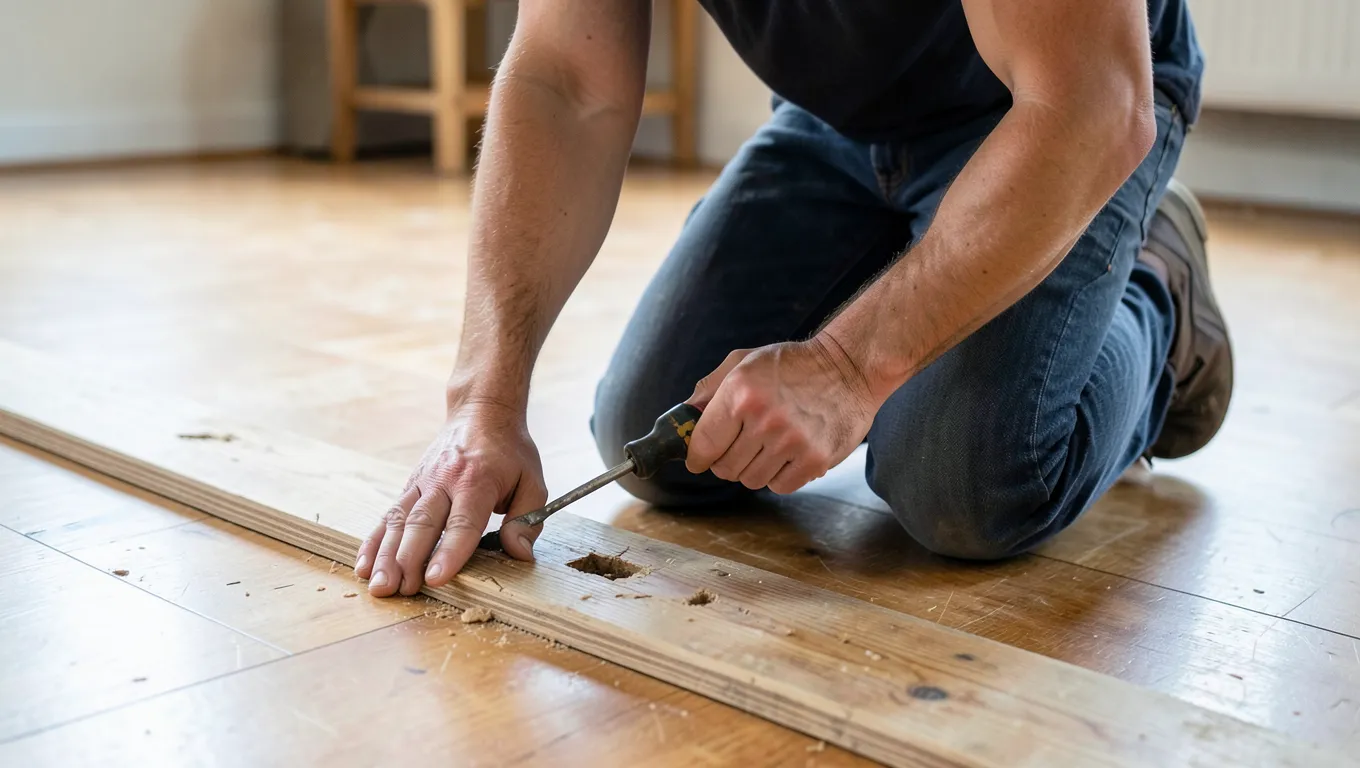
- Hollow or dull sound when tapped. Termites eat wood from the inside out along the grain, often leaving a thin outer shell that looks intact. Tap along floorboards and exposed joists with the handle of a screwdriver – solid wood gives a sharp, dense sound; damaged wood sounds hollow or papery.
- The wood gives way with light pressure. Gently press a screwdriver or awl into a suspect board. Termite-damaged wood is often soft and crumbly just beneath the surface, while sound wood resists the probe.
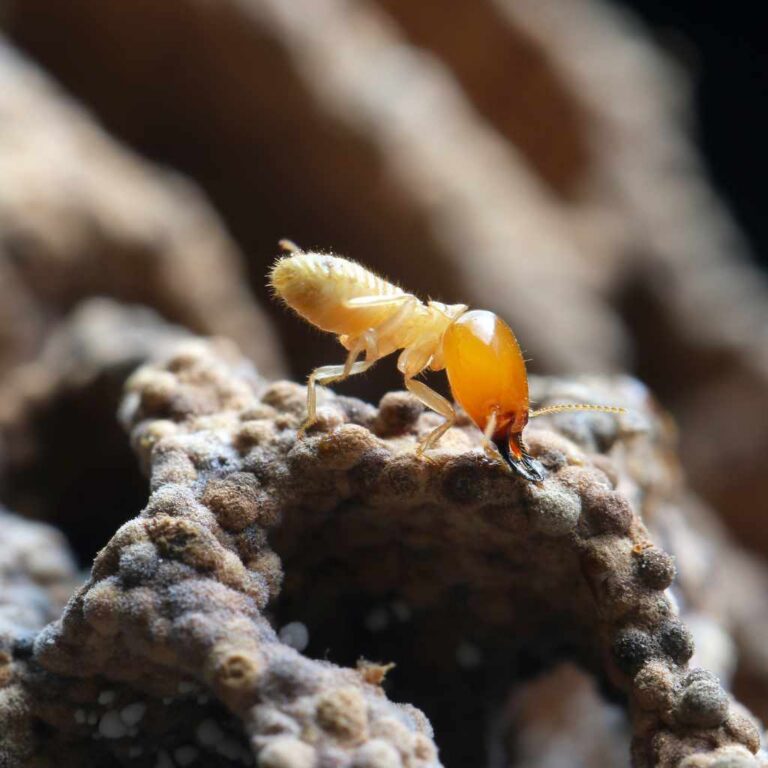
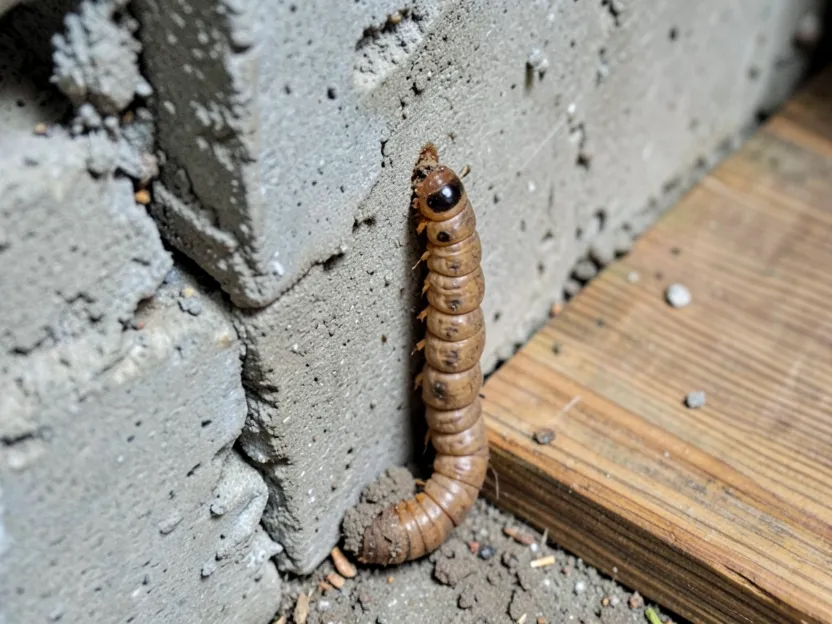
- Mud shelter tubes. Subterranean termites (the most common and most destructive type in the US) build pencil-width tubes of mud and saliva along foundation walls, piers, and joists to travel between the soil and the wood while staying protected from open air. Finding these in a crawl space or basement is one of the most reliable visual confirmations of subterranean termite activity.
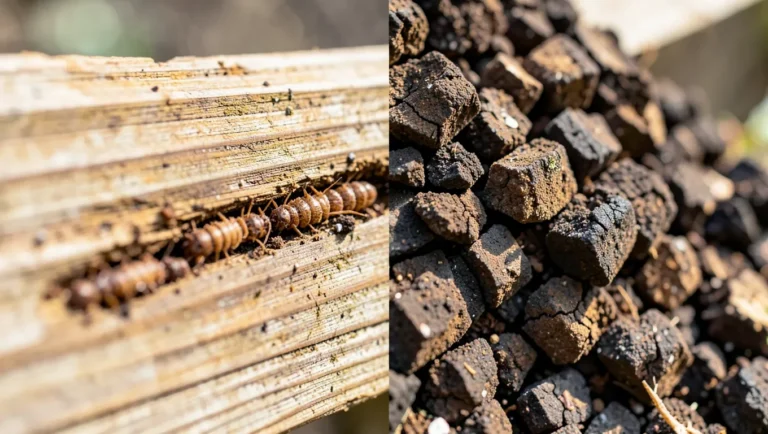
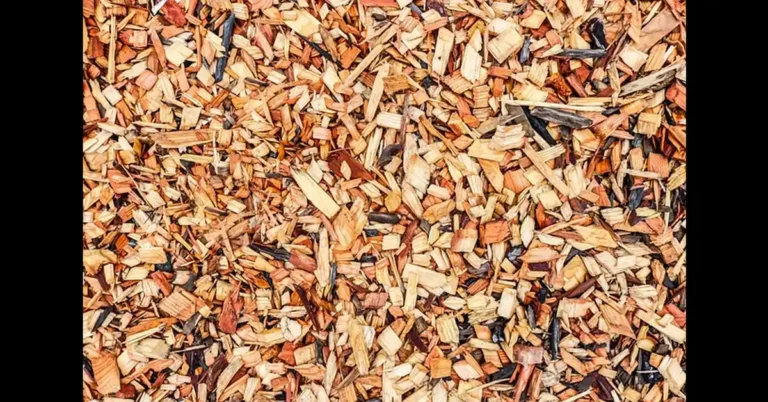
- Frass (droppings) near baseboards or floor edges. Drywood termites, unlike subterranean termites, live inside the wood itself and push out small, ridged, hexagonal pellets that look like coarse sawdust or sand. Little piles of this near a floor edge or baseboard crack are a drywood termite signal.
- Discarded wings near windowsills or doors. After a termite colony swarms (commonly in spring), the reproductive termites shed their wings once they’ve found a new nesting spot. A small pile of uniform, translucent wings is a sign a colony recently established itself nearby – see what it means when you find dead termites or wings on the floor for how to tell how urgent it is.
- Uneven, sagging, or “bouncy” floor sections that aren’t explained by an obvious water leak – termite damage to joists or subfloor can mimic water damage, but without the staining or musty smell that usually comes with actual moisture intrusion.
A pinless moisture meter is a useful add-on to this check: termite activity often introduces moisture into wood (subterranean termites in particular need consistent moisture to survive), so an unexplained elevated moisture reading in a floor or joist – especially one not near any plumbing or known water source – is worth investigating further, even though the meter itself can’t confirm termites specifically.
What a DIY Check Can’t Tell You
A visual and tap check can tell you something is worth investigating. It can’t reliably tell you whether the infestation is active or old and already dead, how far the damage extends into structural framing you can’t see, or which termite species you’re dealing with – and species matters, because subterranean and drywood termites require different treatment approaches. Misidentifying the type, or missing damage hidden inside a wall cavity or under flooring, is exactly why this step is handed to a professional rather than guessed at.
Why Treatment Isn’t a DIY Project
Confirmed termite treatment – whether a soil-applied liquid termiticide barrier around the foundation or a professional bait and monitoring system – is regulated pest control work in most US states, requiring a licensed applicator. This isn’t just a formality: improperly applied termiticide is both an environmental and a safety concern, and a treatment that’s placed incorrectly or at the wrong concentration can fail to stop an active colony while still creating unnecessary chemical exposure in and around your home.
Consumer bait stations sold for home use are a reasonable monitoring and prevention tool around a home’s perimeter, but they are not a substitute for professional treatment once termites are already active in structural framing – at that point you need an inspector to assess the extent of damage and a licensed applicator to treat the colony directly, not a DIY station placed after the fact.
It’s also worth knowing before you’re in this situation: most standard homeowner’s insurance policies do not cover termite damage, since it’s generally classified as a preventable maintenance issue rather than a sudden event. Catching it early, before it reaches structural framing, is the difference between a treatment bill and a treatment-plus-repair bill.
When to Call an Inspector
Call a licensed pest control company or termite inspector if you find any combination of the signs above – especially mud tubes, frass, or a floor section that sounds hollow or gives underfoot. Many companies offer a free or low-cost inspection, and if you’re buying or selling a home, a formal wood-destroying organism (WDO) inspection is a standard and often required part of that process in many areas regardless of whether you’ve noticed anything yourself.
Frequently Asked Questions
How do you tell if you have termites in your floor?
Tap the floor and listen for a hollow or papery sound, check for mud shelter tubes on foundation walls or joists, look for small sawdust-like droppings (frass) near baseboards, and check for discarded wings near windows or doors after a swarm. Any of these warrant a closer look from a licensed inspector.
How do I get rid of termites in my floor?
Call a licensed pest control professional. Confirmed termite treatment – whether liquid soil termiticide or a professional bait and monitoring system – is regulated work that requires proper licensing, and misapplied treatment can fail to stop the colony while creating unnecessary chemical exposure. This is not a DIY chemical treatment situation.
Is it safe to live in a house with termites?
Termites don’t pose a direct health risk to people the way some pests do, so there’s no immediate safety emergency in most cases. The real risk is structural – untreated termite damage to floor joists or framing can worsen over time and eventually affect the wood’s load-bearing capacity, which is why getting an inspection promptly matters more than living-safety concerns.
How do you notice termites before they cause floor damage?
Periodically check crawl spaces, basements, and foundation walls for mud shelter tubes, watch for swarmer wings near windows and doors in spring, and consider a moisture meter check on wood that’s in contact with soil or a foundation, since elevated moisture often precedes or accompanies termite activity.
Conclusion
You can and should check for the visual and physical signs yourself – hollow-sounding boards, mud tubes, frass, discarded wings, and unexplained soft or sagging floor sections. But once you find something suspicious, the next call is to a licensed inspector, not a DIY treatment plan. Termite identification and treatment are specialized, regulated work for good reason, and catching an infestation early is what keeps this a manageable repair instead of a major structural one.
Sponsored / affiliate links. As an Amazon Associate I earn from qualifying purchases. I may earn additional commission from eligible campaigns.