Can You Tint Polyurethane? (2 Real Methods That Work)
Polyurethane can be tinted two ways: buy a combined stain-and-polyurethane product like Minwax PolyShades, or mix a small amount of oil-based universal tint into clear oil-based polyurethane yourself — but only oil-based poly accepts tint, never water-based. Skipping this distinction is the most common reason a DIY tint job turns cloudy or never cures. This guide covers both methods, real dry times, and how to fix a botched batch.
Quick Answer
Use a pre-mixed stain-and-poly product (Minwax PolyShades is the standard one) for reliable color and cure. Only add loose universal tint to oil-based polyurethane yourself — never water-based — and test on scrap first, since homemade batches can cure unevenly or stay tacky.
Can You Tint Polyurethane? Two Real Methods That Work
Best Tinted Polyurethane Pick
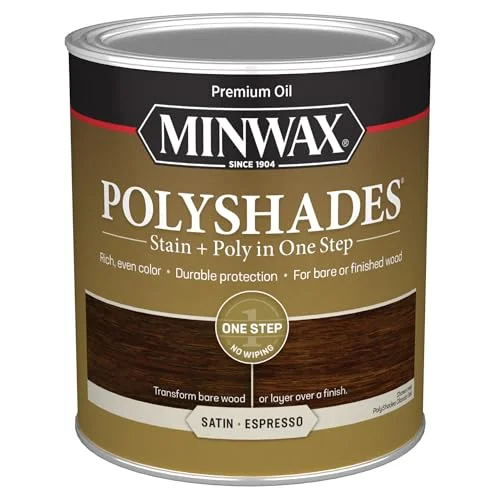 |
Minwax PolyShades Stain & Polyurethane, Espresso, Satin – $17.73 The one-step stain-and-poly product this guide recommends over DIY tinting for reliable, even color and proper cure.
|
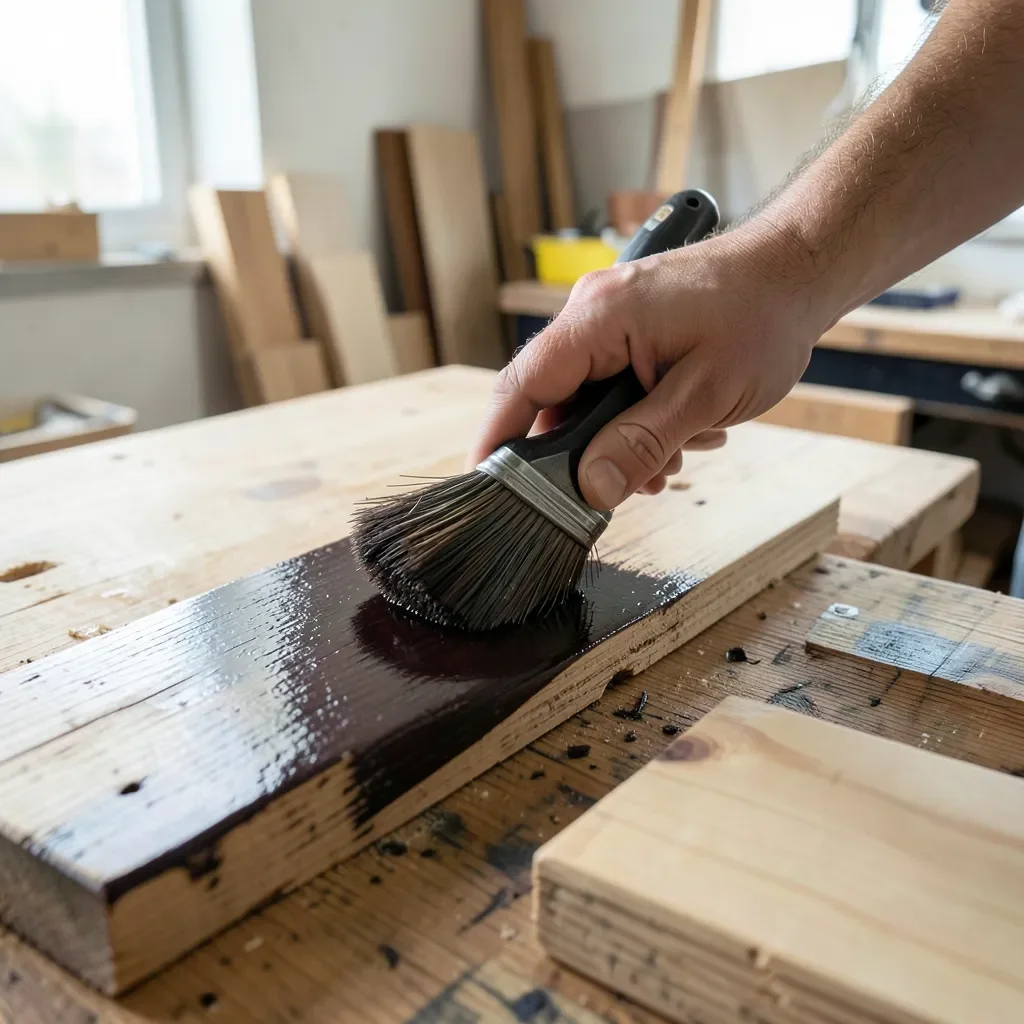
Tinted polyurethane is any polyurethane finish that carries color pigment along with its protective topcoat, letting one product both color and seal wood in a single coat. There are two legitimate ways to get it, and they are not interchangeable.
- Buy a combined product. Minwax PolyShades and similar oil-based stain-and-polyurethane-in-one products are formulated so the pigment and resin cure together correctly. This is the reliable route for most people.
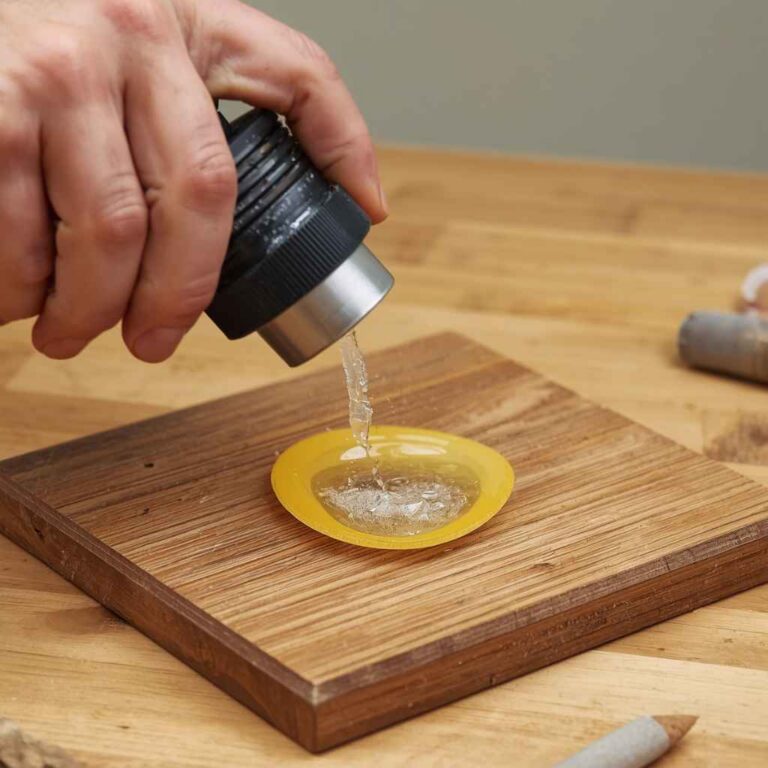
- Tint clear polyurethane yourself. Add a small amount (start at 2–5% by volume) of oil-based universal tint or japan color to clear oil-based polyurethane, stir thoroughly, and test on scrap. This works because oil-based poly and oil-based tint share a compatible carrier — water-based polyurethane does not, and adding oil tint to it will cause the finish to separate or never fully cure.
If you already have a color in mind that a stain provides but want it sealed in one step, see whether mixing stain directly into polyurethane is the better fit for that specific case — it’s a related but different technique with its own failure points.
How to Apply Tinted Polyurethane
Surface prep determines whether tinted polyurethane lays down evenly or shows brush marks and blotching.
- Clean and sand: Wipe the surface free of dust and grease, then sand with 220-grit sandpaper and remove all dust with a tack cloth.
- Stir, don’t shake: Stir the tinted polyurethane thoroughly and slowly — shaking introduces bubbles that show up in the cured finish.
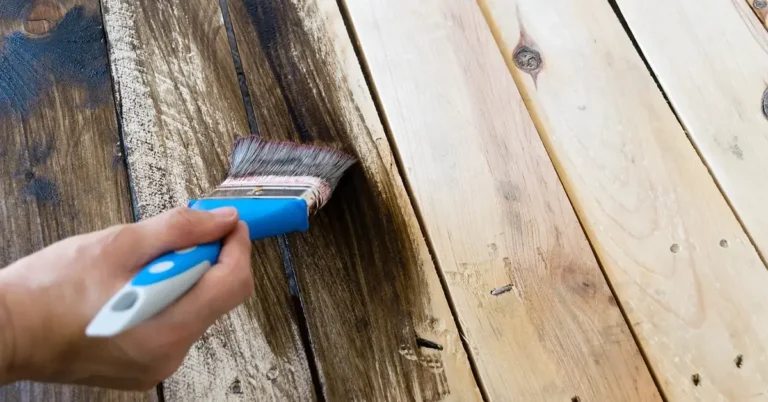
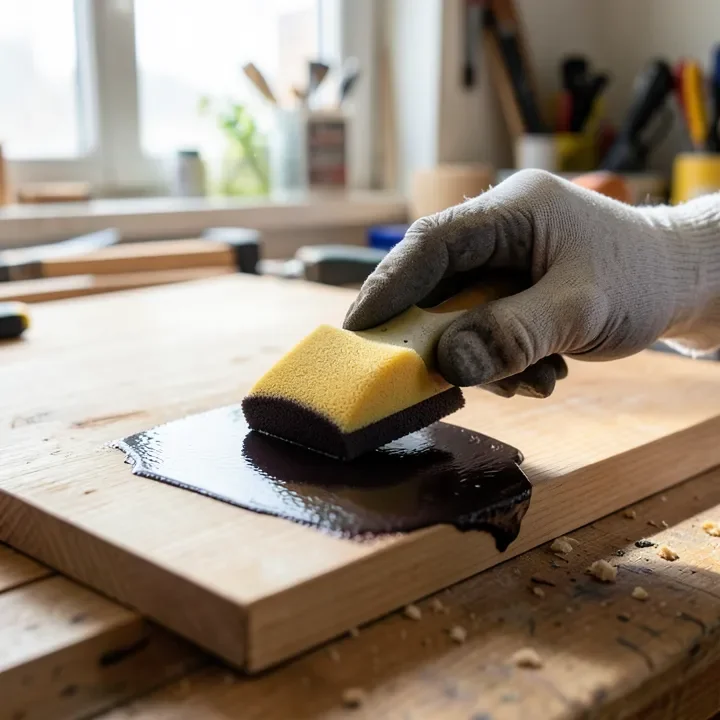
- Apply a thin coat with the grain: Use a natural-bristle brush or foam applicator and work in one direction along the wood grain.
- Let it dry fully before recoating: Sand lightly with 320-grit between coats and remove dust before the next application.
- Apply 2–3 coats for even color: A single coat of tinted polyurethane usually looks streaky; most projects need at least two coats for consistent tone.
📊 Minwax PolyShades is dry to the touch in 6–8 hours, ready to recoat after 6 hours, and safe for light use after 24 hours — though full oil-poly hardness takes closer to 30 days. — Source: Minwax, 2026
Best Uses for Tinted Polyurethane
Tinted polyurethane works best where you want to change wood color and add topcoat protection in the same step — refinishing furniture without stripping to bare wood first, unifying color across mismatched boards, or reviving a faded dining table in one weekend. It’s a poor fit for large floor areas, where an uneven hand-applied coat is far more visible; for floors, a separate stain followed by a clear finish coat gives more control.
Can you put tinted polyurethane over an existing finish?
Yes, in most cases. PolyShades-type products are designed to go directly over an existing polyurethane finish without full stripping, as long as the old finish is clean, dull, and lightly sanded to give the new coat something to grip. Wax, silicone polish, or a glossy unsanded finish will cause adhesion failure.
Maintaining Tinted Polyurethane Finishes
Dust with a soft, lint-free cloth and clean with a mild soap-and-water solution — abrasive cleaners dull the tint and topcoat together, since they’re the same layer. A fresh coat of paste wax every few months adds a protective layer without altering the color.
For scratches, a matching touch-up marker made for polyurethane finishes handles minor surface marks. Deeper gouges that go through the tinted layer to bare wood need a spot repair with the same product used originally — see our guide on repairing a damaged polyurethane finish for the full process.
Frequently Asked Questions
Can you tint water-based polyurethane?
Not with oil-based tint or japan color — the carriers are incompatible and the finish will separate or stay tacky. Water-based tinting systems exist but must be matched to a specific water-based polyurethane brand; check the manufacturer’s own tint line rather than improvising.
How much tint do you add to polyurethane?
Start at 2–5% tint by volume and test on scrap wood before committing to the full project. Adding more than about 10% tint can interfere with the polyurethane’s ability to cure and protect properly.
Does tinted polyurethane hide wood grain?
No, at normal tint levels it stays translucent and the wood grain shows through, similar to a gel stain. Only heavy over-tinting starts to obscure grain, at which point it behaves more like paint than a wood finish.
Why did my tinted polyurethane turn out blotchy?
Blotching usually comes from uneven sanding, insufficient stirring before application, or applying too thick a coat. Softwoods like pine are especially prone to blotching; a pre-stain wood conditioner applied before the tinted coat reduces this significantly.
Tinted polyurethane is the fastest way to change a wood surface’s color and protect it in the same step — use a proven product like PolyShades for predictable results, or tint your own oil-based poly once you’ve confirmed compatibility and tested on scrap.
Sponsored / affiliate links. As an Amazon Associate I earn from qualifying purchases. I may earn additional commission from eligible campaigns.