Walnut vs Cherry Wood: Hardness, Price & Aging Compared
Walnut rates 1,010 lbf on the Janka hardness scale versus cherry’s 950 — harder, pricier, and slower-growing — but cherry darkens with age while walnut actually lightens. A high-traffic dining table favors walnut’s density; a cabinet or accent piece can lean on cherry’s lower cost. This guide compares hardness, price per board foot, grain, and how each wood ages once it’s in your home.
Quick Answer
Walnut is the harder, more expensive, deeper-brown wood, better suited to high-traffic furniture and modern designs. Cherry is softer, more affordable, and starts pale pink-brown before darkening to a rich red over a few years — a better fit for traditional cabinetry and pieces where budget matters more than density.
📊 American black walnut measures 1,010 lbf on the Janka hardness scale; American black cherry measures 950 lbf — a roughly 6% difference that makes walnut modestly more dent-resistant. Source: The Wood Database
Walnut Vs Cherry Wood At A Glance
Best Danish Oil Finish Pick
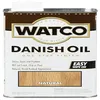
Watco Danish Oil Wood Finish, Quart, Natural – $20.53
Both walnut and cherry darken or lighten differently once oiled — a natural Danish oil brings out the grain on either species without adding a tint, so the wood’s true color (not a stain color) is what you see.
- Best for: New walnut or cherry furniture where you want the natural color to show
- Why we picked it: Penetrates the open grain both species share instead of sitting on top like a film finish
- Main drawback: Needs reapplication every 6–12 months on high-use surfaces
Compare more finish options
 Option 1 Watco Danish Oil Wood Finish, Quart, Dark Walnut – $19.89
|
 Option 2 Tried & True Danish Oil Wood Finish & Sealer, 8oz – $23.99
|
 Option 3 Furniture Clinic Danish Oil, 8.5oz – $14.95
|
As an Amazon Associate we earn from qualifying purchases.
Before getting into grain patterns and finishing, here’s how the two hardwoods stack up on the numbers that actually drive a buying decision.
| Attribute | Walnut | Cherry | Best For |
|---|---|---|---|
| Janka hardness | 1,010 lbf | 950 lbf | Walnut for high-traffic tables |
| Price per board foot | $10–$18 (surfaced) | $8–$12 | Cherry for budget-conscious builds |
| Fresh color | Deep chocolate to purplish-brown | Pale pinkish-brown | Walnut for immediate rich color |
| Color after 1–2 years | Lightens, turns warmer/golden | Darkens to rich reddish-brown | Cherry if you want the color to deepen |
| Grain pattern | Bold, swirling, more figure | Fine, straight, subtle | Walnut for statement pieces |
| Sustainability | Slower growing, less abundant | Faster growing, more available | Cherry for lower environmental footprint |
Characteristics Of Walnut Wood
When it comes to choosing the right wood for your furniture, walnut stands out for its density and color depth. It’s one of the pricier domestic hardwoods for a reason — here’s what that price buys you.
Color And Grain Patterns
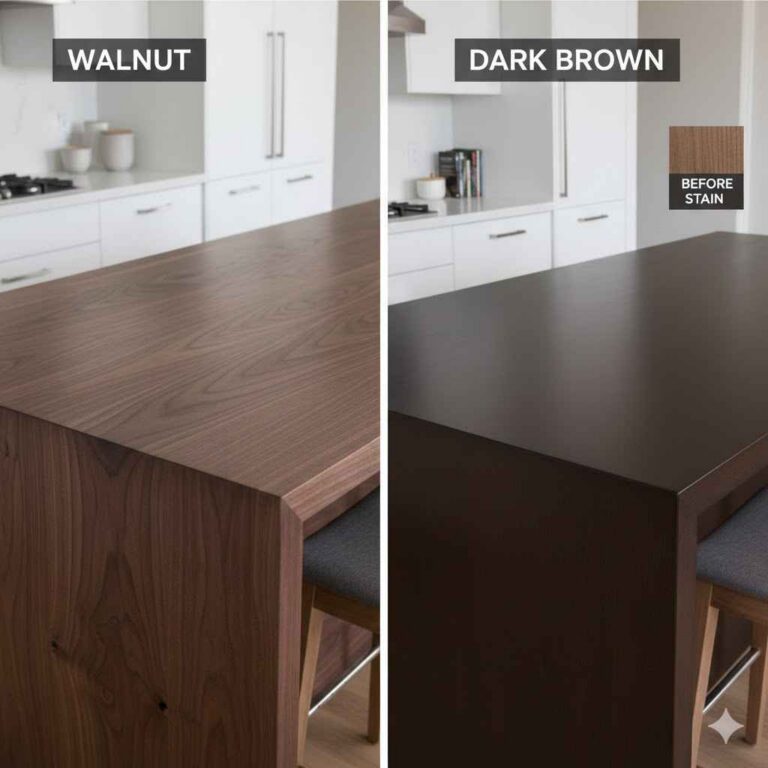
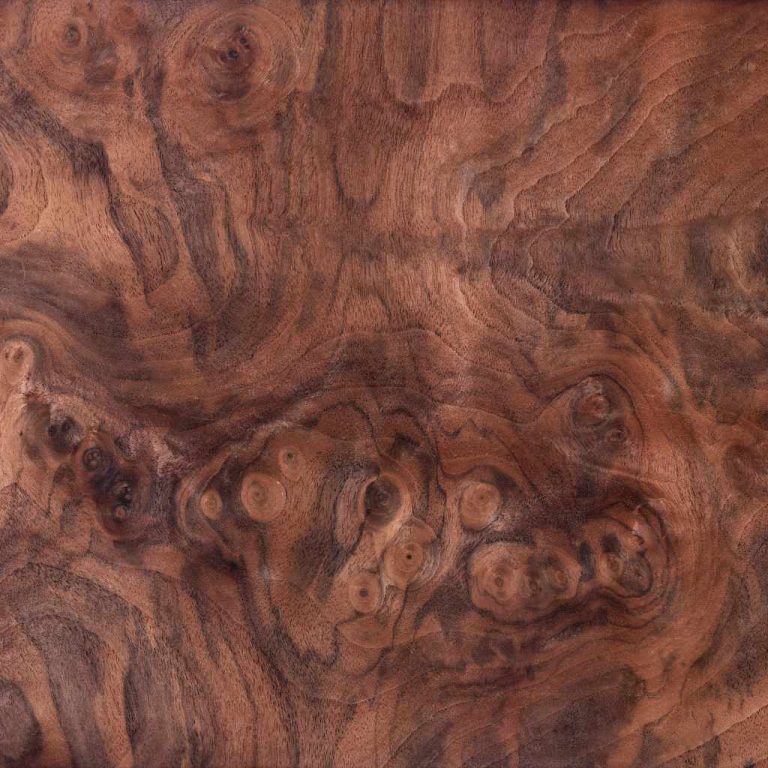
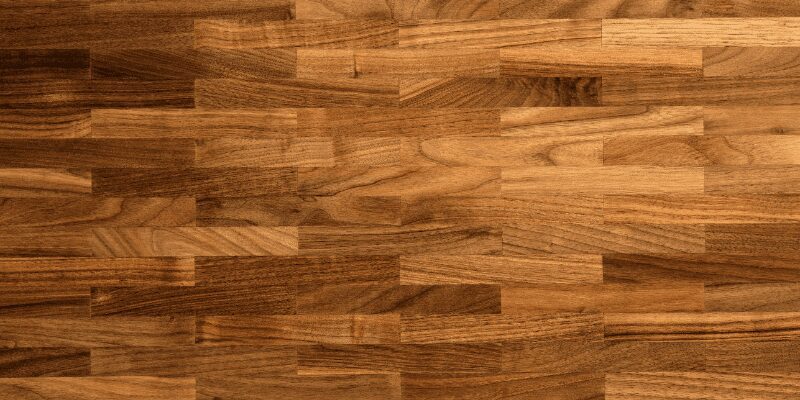
Black walnut ranges from deep chocolate to purplish-black when freshly milled, with bold, swirling grain and occasional figure. Unlike most hardwoods, it doesn’t darken with age — direct sunlight actually lightens and warms its tone over the first year or two. That makes walnut a poor match if you’re counting on the color to stay dark in a sunlit room.
Durability And Strength
At 1,010 lbf on the Janka scale, walnut is roughly 6% harder than cherry, giving it better resistance to dents from dropped tools or daily use. The Wood Database notes walnut’s “good working characteristics, coupled with its rich brown coloration puts the wood in a class by itself among temperate-zone hardwoods” — it planes, sands, and glues cleanly with both hand and machine tools.
Suitability For Different Furniture Types
Walnut’s workability and density make it a strong choice for dining tables, chairs, and cabinets that see daily contact. Its bold grain and dark tone read as modern or contemporary as easily as traditional, which is why it’s the default pick when a piece needs to look like a statement rather than a background element.
Characteristics Of Cherry Wood
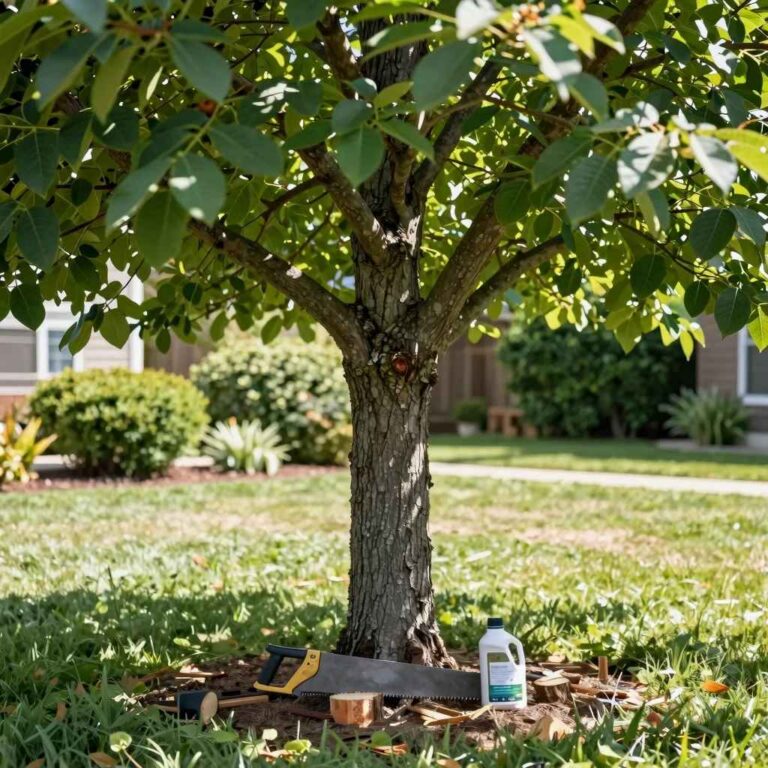
Cherry wood starts life as a pale pinkish-brown hardwood with a fine, straight grain — the opposite of walnut’s bold swirls. It’s less dense and about 6% softer than walnut, which makes it easier to carve by hand but also more prone to surface dents in daily use.
Color And Grain Patterns
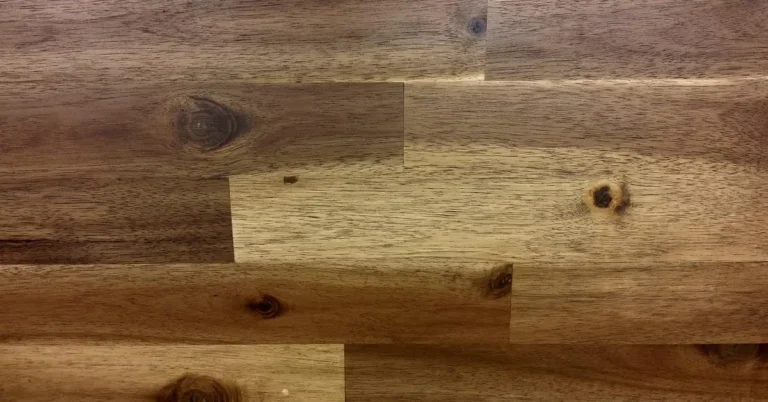
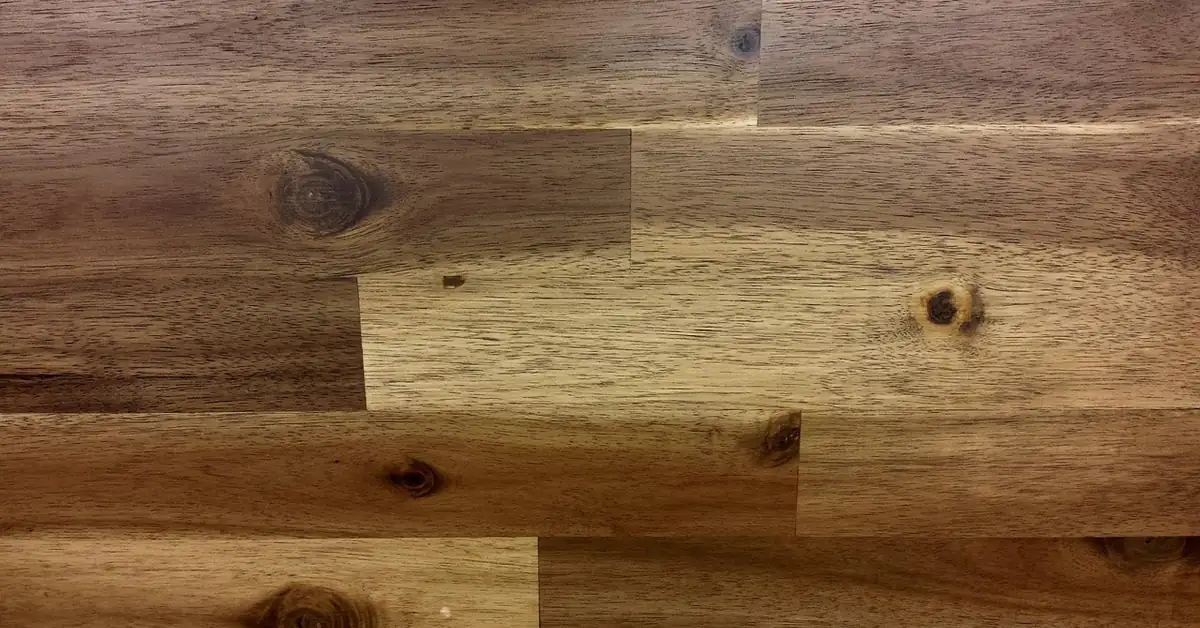
Cherry wood is characterized by its pale pinkish-brown color when freshly cut, which deepens into a rich reddish-brown as it’s exposed to light — a piece bought today will look noticeably redder within a year. The wood shows a subtle, fine grain with small knots and gentle swirling lines, giving cherry wood furniture a warmer, quieter look than walnut’s bolder figure.
Durability And Strength
Cherry measures 950 lbf on the Janka scale — softer than walnut, oak, or maple, but still sturdy enough for daily-use furniture when it’s properly finished. It resists warping and cracking well; its main weak point versus walnut is a slightly higher chance of surface dents on a table or countertop.
Suitability For Different Furniture Types
Cherry’s fine, even grain takes a smooth finish well, which is why it’s a longtime favorite for cabinetry, dining tables, and bedroom furniture in traditional and classic interiors. If you already own cherry pieces and want a more contemporary look without switching wood species, see how to make cherry wood furniture look modern.
How Walnut And Cherry Age Differently
Walnut and cherry age in opposite directions — a detail most buying guides skip, but one that matters if you’re matching new furniture to an existing piece. Cherry starts pale and pinkish, then darkens dramatically with light exposure into a deep, warm red-brown over one to three years. Walnut does the reverse: its deep chocolate tone actually lightens and mellows toward a warmer, more golden brown as UV light hits it.
Practical takeaway: if you buy a walnut and a cherry piece on the same day expecting them to stay matched, they won’t — cherry will keep getting darker while walnut keeps getting lighter, and the two will visually drift apart within a couple of years. Rotating furniture out of direct sunlight slows the process for both woods but doesn’t stop it.
Practical Considerations For Furniture Selection
Maintenance And Care
Both woods hold up well with basic care, but their weak points differ. Cherry is relatively low maintenance — regular dusting and occasional polishing keep its luster. Walnut, being open-grained, benefits from a penetrating oil finish (see the picks above) reapplied every 6–12 months, plus coasters or placemats to guard against the dents its lower density makes slightly more likely on daily-use surfaces.
Environmental Impact
Both species are domestically farmed hardwoods, but their growth rates differ. Cherry trees mature faster and are more widely available, which generally makes cherry lumber the more sustainable everyday choice. Walnut trees grow more slowly and are harvested in smaller volumes, which is part of why walnut lumber costs more — scarcity, not just demand, drives the price gap.
Cost And Availability Comparisons
Cherry surfaced lumber typically runs $8–$12 per board foot and is widely stocked at hardwood suppliers. Walnut surfaced lumber runs $10–$18 per board foot for common grades, climbing to $14–$22 for clear FAS-grade stock — making it the most expensive commonly available domestic hardwood in most regions, and the one more likely to require special ordering.
For a deeper look at color alone — swatches, stain matching, and undertones — see our dedicated walnut vs cherry wood color comparison. If you’re trying to identify a piece you already own rather than choosing new lumber, how to identify cherry wood walks through the grain and color tells. And if you’re pairing cherry with another species in the same room, what wood goes with cherry covers combinations that work.
For a broader primer on how walnut and cherry compare to other domestic and imported species, see our full types of wood guide.
Frequently Asked Questions For Walnut Vs Cherry Wood
What Are The Main Differences Between Walnut And Cherry Wood?
Walnut is harder (1,010 vs. 950 Janka), pricier ($10–$18 vs. $8–$12 per board foot), and starts a deep chocolate-brown with bold grain. Cherry is softer, more affordable, starts pale pinkish-brown, and has a finer, straighter grain. Walnut lightens with age; cherry darkens.
Is Walnut Wood More Durable Than Cherry Wood?
Yes, slightly. Walnut rates 1,010 lbf on the Janka hardness scale versus cherry’s 950 lbf, roughly a 6% difference, making walnut modestly more resistant to dents and scratches. Cherry still holds up well for daily-use furniture when finished and cared for properly.
Does Cherry Wood Really Get Darker Over Time?
Yes. Cherry heartwood starts a light pinkish-brown when freshly milled and darkens noticeably within the first one to three years of light exposure, settling into a deep reddish-brown patina. This is the opposite of walnut, which lightens rather than darkens as it ages.
Which Wood Species Is More Suitable For Modern Furniture Designs?
Walnut is generally preferred for modern furniture because of its deep, uniform color and bold grain patterns, which read as contemporary. Cherry can still work in a modern space, especially once its color has darkened — see how to make cherry wood furniture look modern for ways to update existing cherry pieces without refinishing.
Is Walnut Or Cherry Wood More Sustainable?
Cherry is generally the more sustainable choice. Cherry trees grow faster and are harvested in larger volumes, while black walnut grows more slowly and is harvested in smaller quantities — part of why walnut lumber costs more per board foot.
Conclusion
Walnut and cherry both offer real hardwood durability with very different personalities: walnut brings immediate depth, bold grain, and a higher price tag, while cherry starts modest and rewards patience as it darkens into a rich red-brown. For a high-traffic dining table, walnut’s extra hardness earns its cost; for cabinetry or budget-conscious builds, cherry delivers comparable durability for less. Either way, a penetrating oil finish like the ones above will bring out the grain that makes both species worth choosing in the first place.
Sponsored / affiliate links. As an Amazon Associate I earn from qualifying purchases. I may earn additional commission from eligible campaigns.