Walnut Wood Scratch Repair: Quick & Easy Solutions
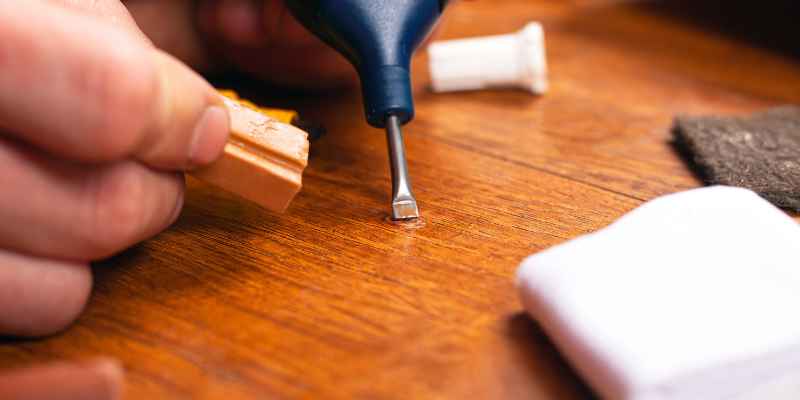
Walnut wood scratches can be effectively repaired using wood filler or a touch-up marker. For deeper scratches, sanding and refinishing may be necessary.
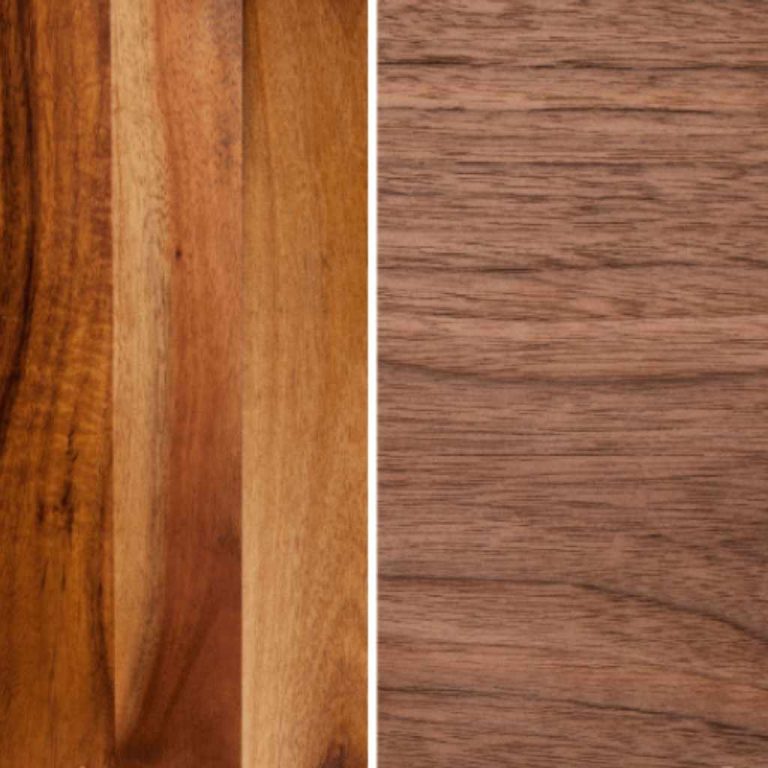
Walnut wood is prized for its rich color and elegant grain patterns. Its durability makes it a popular choice for furniture and cabinetry. However, like any wood, it is susceptible to scratches and dents. These imperfections can detract from the beauty of walnut surfaces.
Understanding how to address and repair these scratches is crucial for maintaining the wood’s aesthetic appeal. Various methods exist for repairing walnut wood, ranging from simple touch-ups to more extensive refinishing techniques. Knowing the right approach can save you time and money while preserving the integrity of your prized walnut pieces. With proper care, walnut furniture can last for generations.
The Allure Of Walnut Wood Furniture
Walnut wood furniture stands out for its rich color and unique grain. Its deep hues and elegant finish make it a favorite among homeowners. This timeless material adds warmth and character to any space. Let’s explore why walnut wood is so appealing.
Timeless Appeal
Walnut wood has a classic look that never goes out of style. Its natural beauty enhances any room. Here are some reasons for its timeless appeal:
- Rich Color: The dark brown tones are striking.
- Unique Grain Patterns: Each piece is one-of-a-kind.
- Versatile Design: Fits various decor styles.
From modern to traditional, walnut furniture complements all themes. Its elegant finish creates a luxurious feel in any setting.
Durability Concerns
Walnut wood is known for its strength. It can resist wear and tear over time. Yet, some concerns arise regarding its durability:
| Concern | Details |
|---|---|
| Scratches | Walnut can scratch easily. Use coasters and pads. |
| Humidity | Keep it away from moisture. It can warp. |
| Sunlight | Direct sunlight can fade the color. Use curtains. |
With proper care, walnut furniture lasts for generations. Regular maintenance keeps it looking stunning.
Common Causes Of Scratches On Walnut Wood
Walnut wood is known for its rich color and durability. Despite its strength, it can still get scratched. Understanding the common causes helps in prevention. Here are two main causes of scratches on walnut wood.
Daily Wear And Tear
Everyday activities can lead to scratches. Common factors include:
- Furniture Movement: Sliding chairs or tables can create marks.
- High Traffic Areas: Places often walked on may show wear.
- Pet Claws: Dogs and cats can scratch surfaces easily.
- Sharp Objects: Items like keys or tools can cause damage.
Regular use contributes to the gradual deterioration of the wood’s surface. Simple precautions can significantly reduce scratches.
Accidental Damage
Accidents happen, even with the best care. Common sources of accidental damage include:
- Dropping Items: Heavy items can leave deep scratches.
- Spills: Liquids can weaken the finish, leading to scratches.
- Improper Cleaning: Using abrasive materials can harm the surface.
Staying aware of surroundings can help avoid accidental damage. Use coasters and mats to protect walnut wood from scratches.
Preparation For Scratch Repair
Repairing scratches on walnut wood requires careful preparation. Proper steps help restore the wood’s beauty. Follow these guidelines to ensure a successful repair.
Cleaning The Surface
Start by cleaning the scratched area. Use a soft cloth to remove dirt and dust. This step prevents debris from affecting the repair.
- Gather supplies:
- Soft cloth
- Wood cleaner
- Warm water
- Mix wood cleaner with warm water.
- Dampen the cloth with the solution.
- Wipe the scratched area gently.
Let the surface dry completely. A clean surface ensures better adhesion of repair products.
Assessing The Damage
Examine the scratch closely. Determine its depth and length. This assessment guides your repair strategy.
| Scratch Depth | Recommended Repair Method |
|---|---|
| Shallow | Use wood polish or wax. |
| Medium | Apply wood filler or stain. |
| Deep | Sand and refinish the area. |
Mark the scratches with a pencil. This helps track your progress during repair.
Assessing damage ensures the right repair method. Follow these steps for effective scratch repair.
Minor Scratch Remedies
Walnut wood is beautiful but can get scratched. Minor scratches can be fixed easily. Here are two effective remedies to restore your walnut wood’s charm.
Oil And Vinegar Solution
This simple mixture can help reduce the visibility of scratches.
- Ingredients:
- 1 part olive oil
- 1 part white vinegar
Follow these steps:
- Mix equal parts of olive oil and vinegar.
- Dampen a soft cloth with the solution.
- Gently rub the scratched area in circular motions.
- Wipe off any excess with a clean cloth.
This method helps nourish the wood and may hide the scratches.
Walnut Meat Technique
Using walnut meat can be an effective fix. It’s natural and easy to use.
Here’s how to do it:
- Take a half of a walnut.
- Rub the exposed walnut meat over the scratch.
- Let it sit for a few minutes.
- Buff the area with a soft cloth.
The natural oils in the walnut blend with the wood. This can make scratches less noticeable.
Dealing With Deeper Scratches
Deeper scratches on walnut wood can be frustrating. They can affect the beauty of your furniture. Fortunately, there are effective ways to restore the wood’s appearance.
Wood Filler Application
Using wood filler is a great way to fix deeper scratches. Follow these steps:
- Clean the scratch area with a soft cloth.
- Choose a suitable wood filler for walnut wood.
- Apply the filler into the scratch using a putty knife.
- Remove excess filler with the knife.
- Let it dry according to package instructions.
- Sand the area lightly until smooth.
- Finish with a walnut wood stain to match the rest.
Wood fillers come in various types. Select one that suits your needs.
Color Matching
Color matching is key to a seamless repair. Follow these tips:
- Test the wood stain on a hidden area first.
- Mix different stains to achieve the right shade.
- Use a small brush for precise application.
- Apply multiple thin coats for better blending.
Consider using a clear coat after staining. It adds shine and protects the repair.
Regular maintenance prevents deeper scratches. Keep your walnut wood furniture clean and dry.
Sanding And Refinishing
Sanding and refinishing walnut wood enhances its natural beauty. Proper techniques restore its shine and protect it from damage. This process requires careful attention to detail. Let’s explore how to choose the right sandpaper and apply a protective finish.
Choosing The Right Sandpaper
Selecting the correct sandpaper is crucial. Different grits serve different purposes. Here’s a quick guide:
| Grit Level | Purpose |
|---|---|
| Coarse (40-60) | Remove old finish and heavy scratches |
| Medium (80-120) | Smooth rough areas and prepare for finer grits |
| Fine (150-220) | Finish sanding for a smooth surface |
Use coarse grit for heavy sanding first. Switch to medium grit for smoothing. Finish with fine grit for a polished look.
Applying Finish For Protection
Applying a finish protects walnut wood. It enhances color and grain. Here are some popular finishes:
- Oil-based finishes: Provide deep penetration and shine.
- Water-based finishes: Dry quickly and offer low odor.
- Lacquer: Creates a hard, durable surface.
Follow these steps for application:
- Clean the surface thoroughly.
- Stir the finish gently. Avoid bubbles.
- Apply with a brush or cloth in the direction of the grain.
- Let it dry completely.
- Sand lightly between coats for a smoother finish.
Use at least two coats for optimal protection. Enjoy the beauty of your walnut wood after refinishing!
Professional Repair Or DIY
When faced with scratches on your walnut wood, the choice between professional repair and DIY can be tricky. Knowing when to call in an expert or tackle the job yourself makes a difference. Let’s explore both options.
When To Call A Professional
Some scratches are too deep for DIY fixes. Here are signs it’s time to hire an expert:
- Scratches penetrate the wood grain.
- Damage affects a large area.
- Wood finish is severely compromised.
- Sentimental value attached to the item.
Professionals have the tools and experience. They ensure a seamless repair. This can save you time and stress.
Benefits Of DIY
Choosing to repair walnut wood scratches yourself has its perks:
- Cost-effective.
- Flexible timing.
- Sense of accomplishment.
Here are some simple DIY methods:
- Wood Polish: Use a quality polish to hide minor scratches.
- Wax Fillers: Fill deep scratches with matching wax.
- Sanding and Refinishing: Lightly sand affected areas, then refinish.
DIY repairs work well for surface scratches. Always test products on an inconspicuous area first.
Maintaining Your Walnut Wood
Walnut wood is beautiful and durable. Proper care keeps it looking great. Regular maintenance prevents damage like scratches and stains. Follow these tips for effective walnut wood care.
Regular Cleaning Tips
Keep your walnut wood clean with simple steps:
- Dust regularly with a soft cloth. This prevents dirt buildup.
- Use a damp cloth for deeper cleaning. Avoid soaking the wood.
- Apply a wood cleaner specifically designed for walnut.
Remember to:
- Wipe spills immediately.
- Avoid harsh chemicals and abrasive cleaners.
- Dry the surface after cleaning.
Preventative Measures
Taking steps to prevent damage is essential:
| Action | Description |
|---|---|
| Use coasters | Protect surfaces from drinks and hot items. |
| Avoid direct sunlight | Prevent fading and discoloration. |
| Place mats under items | Prevent scratches from heavy objects. |
These actions help maintain the beauty and longevity of your walnut wood.
Frequently Asked Questions
What Causes Scratches On Walnut Wood?
Scratches on walnut wood are primarily caused by everyday use. Objects like keys, furniture, and pets can create these blemishes. Environmental factors, such as humidity and temperature changes, can also contribute. Regular maintenance can help prevent and minimize scratches.
How To Repair Scratches On Walnut Wood?
To repair scratches on walnut wood, you can use a walnut wood crayon or marker. Simply match the color and fill in the scratch. For deeper scratches, consider using a wood filler that matches the wood grain. Sand lightly and apply a protective finish afterward.
Can I Prevent Scratches On Walnut Wood?
Preventing scratches on walnut wood is achievable with proper care. Use coasters, placemats, and felt pads under objects. Regularly dust and clean the surface to eliminate debris. Additionally, avoid placing heavy items directly on the wood.
Is Walnut Wood Durable Against Scratches?
Walnut wood is relatively durable but not scratch-proof. Its hardness provides good resistance, but it can still be scratched. Regular maintenance and protective finishes can enhance its durability. Choosing high-quality walnut products can also improve their resilience against scratches.
Conclusion
Caring for walnut wood is essential for maintaining its beauty. Regular cleaning and protective measures can prevent scratches. Use coasters and avoid sharp objects on the surface. Embrace the natural elegance of walnut wood by treating it with respect. Your furniture will stay stunning for years to come.
Invest time in proper care.