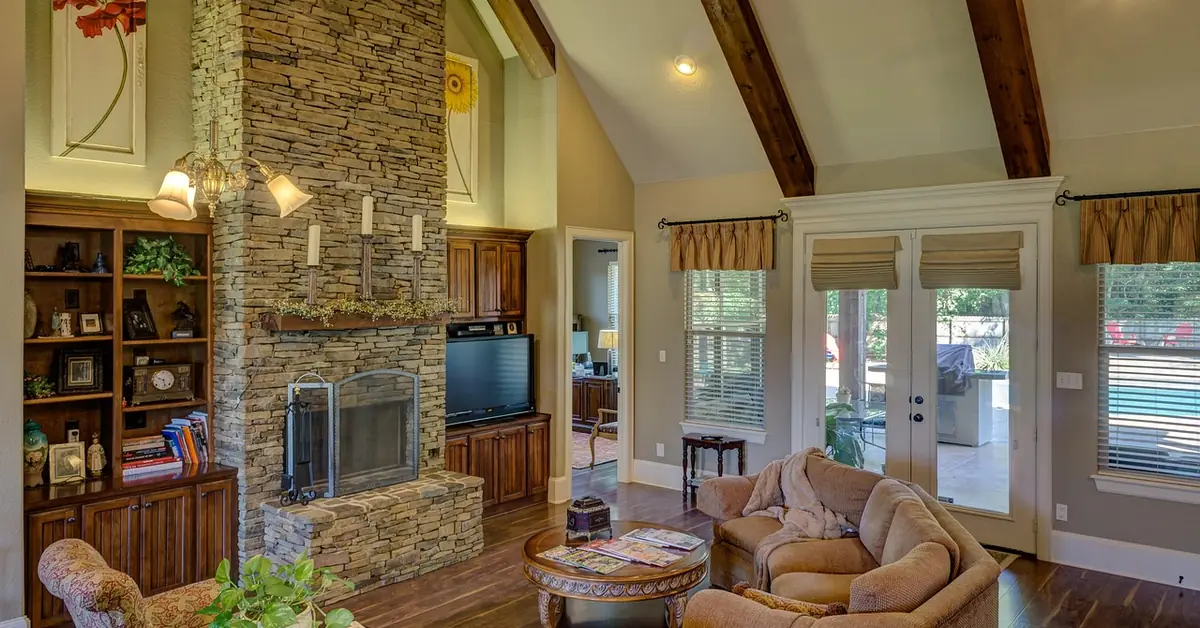
What Color Furniture Goes With Dark Wood Floors?
Light and neutral furniture — white oak, ash, or simple beige upholstery — creates the strongest contrast against dark wood floors, while warm species like cherry or walnut blend into a moodier, tonal look instead. Picking the wrong undertone is what makes a “safe” gray sofa look muddy next to a warm mahogany-stained floor. This guide covers which furniture wood species and colors pair by undertone, a room-balance ratio for keeping dark floors from feeling heavy, and the pairing mistakes worth avoiding.
Quick Answer
For dark wood floors, light neutral furniture (white oak, ash, beige or white upholstery) gives the strongest contrast, while cherry or walnut furniture blends in for a tonal, cohesive look. Match furniture undertone to your floor’s warm or cool cast — not just its darkness — for the most natural-looking room.
How to Match Furniture Color to Your Dark Wood Floor’s Undertone
Best Furniture Floor Protector Pick
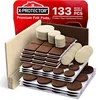
X-PROTECTOR 133 PCS Premium Felt Furniture Pads
A mixed-size pack that covers most chair, sofa, and table legs in one order, so you’re not guessing sizes for each piece.
- Best for: Protecting dark wood floors from scratches under new or rearranged furniture
- Why we picked it: 133 pieces in assorted sizes covers a full room’s worth of chairs and tables in one pack
- Main drawback: Self-stick adhesive weakens over time on high-friction chairs and needs periodic replacement
Compare more floor protector options
 Option 1 Scotch Felt Pads 162 PCS, Beige
|
 Option 2 Scotch Felt Pads 162 PCS, Brown
|
 Option 3 SoftTouch Reusable Felt Furniture Sliders
|
As an Amazon Associate we earn from qualifying purchases.
Dark wood floors carry a warm or cool undertone depending on species and stain, and furniture reads as right or slightly off based on whether its own undertone matches. Walnut, ebony, and gray-stained oak run cool-neutral to cool-gray; mahogany, cherry, and most warm-stained oak run warm red-amber. Hold a plain white sheet of paper against your floor in daylight — a grayish or purplish cast is cool, a pinkish or reddish cast is warm.
Once you know the undertone, matching furniture gets simpler: cool floors pair with soft gray, white oak, or cool-toned upholstery, while warm floors pair with cream, tan, or warm wood species like cherry and mahogany. This is the same logic that applies to dark wood flooring in general — if you’re choosing wall paint instead of furniture, see our breakdown of what colors go with dark wood by undertone. The same logic applies to kitchen cabinets — see what color cabinets go with dark wood floors for undertone-matched picks.
Do Furniture Legs Need to Match the Floor?
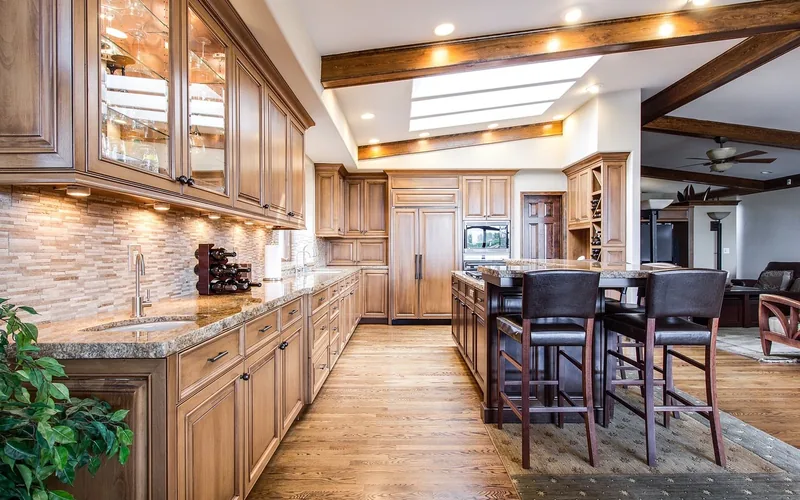
Furniture legs don’t need to match the floor exactly, but staying within the same warm or cool family keeps a room from looking patchy. A pale gray sofa on cool-toned walnut floors still reads as cohesive even with black metal legs, since metal doesn’t compete with wood tone the way another wood species would.
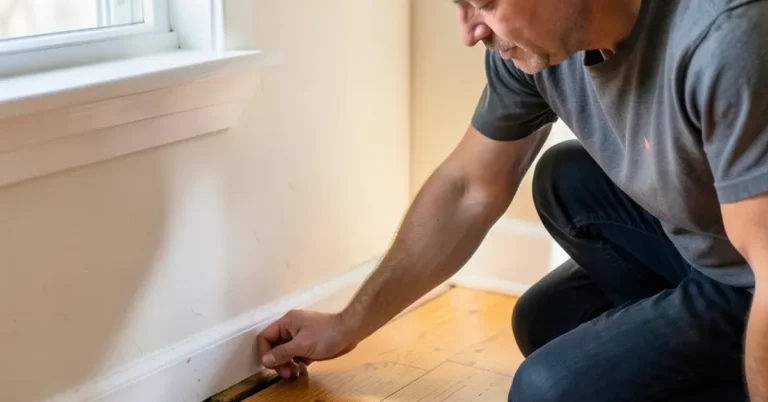
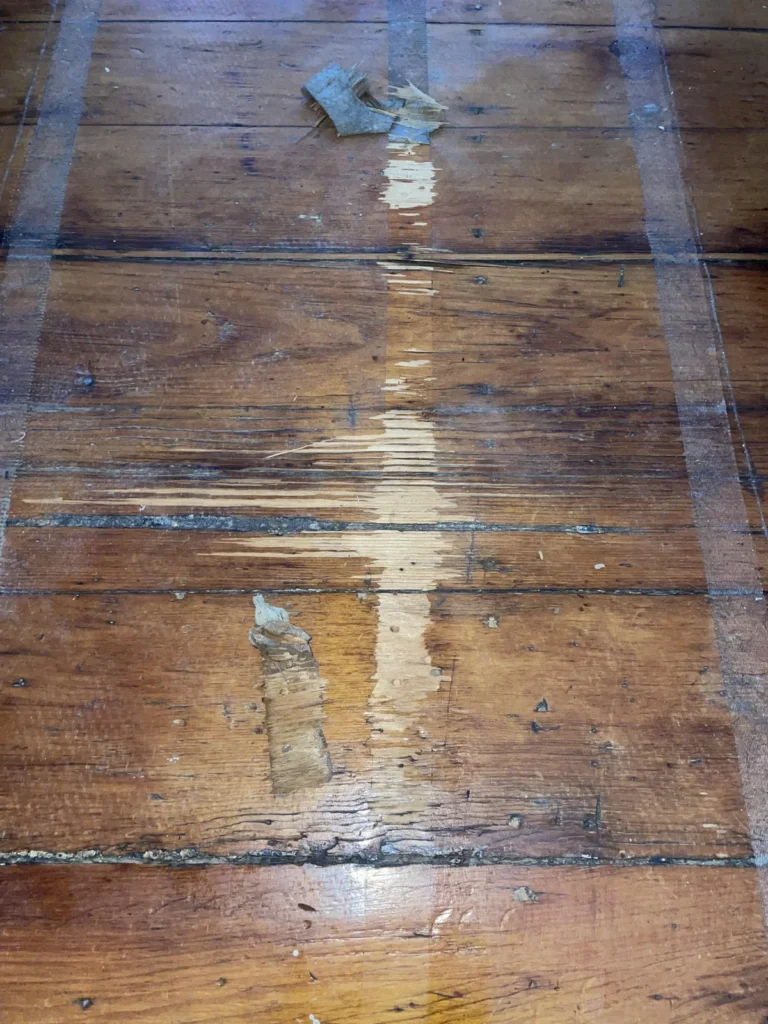
Where legs do matter is at the point of contact. Dining chairs, sofa frames, and cabinet feet scrape and dent dark wood floors faster than lighter floors show it, because a scratch exposes lighter wood underneath the stain and stands out immediately. Felt pads under every leg — replaced every few months as they compress and pick up grit — are the cheapest insurance against this.
Best Furniture Wood Species for Dark Wood Floors
Matching furniture to a dark floor by exact color is less reliable than matching by wood species, because real wood species have a known color range and aging behavior — unlike a fabric dye lot that can vary between batches. Here’s how five common furniture woods compare against a dark floor.
| Furniture Wood | Natural Color Range | Contrast vs. Dark Floor | Best For |
|---|---|---|---|
| White Oak | Pale tan-gray, cool | Strong | Modern or Scandinavian rooms that need brightening |
| Ash | Creamy white to light tan | Strong | Small rooms, casual spaces |
| Maple | Creamy white to reddish-brown | Strong to moderate | Bedrooms, transitional style |
| Cherry | Light pink-red, darkens to deep red-brown with age | Moderate, narrows over time | Traditional or formal rooms |
| Walnut | Light brown to dark, sometimes purplish chocolate brown | Low (near-tonal match) | Moody, cohesive modern spaces |
📊 Walnut heartwood ranges from light brown to a dark, sometimes purplish chocolate brown, while cherry heartwood starts light pink-red and continues darkening with age and light exposure. — Source: American Hardwood Information Center
“Cherry is the one I warn people about — it goes in pale pink-blonde and darkens to a deep red-brown over roughly six months to a year under normal room light. Homeowners who buy cherry furniture to match a stained floor on day one often find the furniture has darkened past the floor within a year.”
For a broader look at how other species compare beyond these five, see our full wood species guide.
Neutral and Light Furniture Colors That Work With Any Dark Floor
Neutral upholstery and case goods are the safest pairing for any dark wood floor, regardless of undertone. Beige and cream read warm and pair naturally with mahogany or cherry floors; white and light gray read cool and pair naturally with walnut or ebony floors. All four work as a backdrop you can change later just by swapping cushions, rugs, or throws.
- Beige or cream sofa with a dark wood coffee table — a classic warm pairing with low risk of clashing
- White or light gray sectional — brightens a room that gets limited natural light
- Taupe or greige case goods (dressers, sideboards) — splits the difference between warm and cool floors
Bold and Contrasting Furniture Colors
Dark wood floors have enough visual weight to support saturated furniture colors without the room feeling busy, as long as bold pieces stay to one or two accent items rather than the whole room. Jewel tones (emerald, sapphire, deep burgundy) and warm accents (rust, mustard, brick red) both work; pick the one that matches your floor’s undertone the same way as the neutrals above — emerald and sapphire read cool, burgundy and mustard read warm.
A single red or emerald accent chair against a beige or white sofa reads as a deliberate design choice; the same color used on every seat in the room reads as clutter. Balance one bold piece with neutral textiles nearby — a plain rug, solid throw pillows — so the color has room to stand out instead of competing with itself.
The 60-30-10 Rule for Balancing Furniture Color With Dark Floors
The 60-30-10 rule is a standard interior-design ratio for keeping a color scheme from feeling either overwhelming or flat: 60% of the room in a dominant color (often the walls, sometimes the floor itself), 30% in a secondary color (the main furniture pieces), and 10% in an accent color (pillows, art, small decor).
Applied to a dark wood floor, the floor can count toward the 60% if the walls are also a mid-to-dark neutral, which frees furniture (the 30%) to be a lighter contrast color like cream or white oak. Or, if the walls are light and already doing the 60%, furniture can safely take a bolder 30% role — a gray or navy sofa, for example — since the floor and walls are already carrying the neutral load. According to Homes & Gardens, this ratio is one of the most consistently used tools among professional interior designers for exactly this kind of balancing act. For wall-specific picks by undertone, see our wall colors for dark wood floors guide.
Common Mistakes When Choosing Furniture for Dark Wood Floors
- Going all-dark: pairing dark furniture, dark walls, and dark floors removes all contrast and makes a room feel smaller and heavier than it is — keep at least one of the three light.
- Matching darkness instead of undertone: a “safe” gray sofa can still clash if it’s cool-toned against a warm mahogany floor — check undertone, not just light-versus-dark.
- Skipping floor protection: unprotected furniture legs on dark wood floors show scratches faster than on light floors, because the wood exposed underneath a dark stain is lighter and stands out.
- Buying color-shifting wood for an exact match: cherry darkens substantially within a year, so an exact match to today’s floor tone on delivery day won’t stay exact — see our guide to caring for wood furniture for keeping finishes looking even as they age.
Frequently Asked Questions
What color wood furniture goes best with dark wood floors?
Light-toned species like white oak, ash, or maple create the clearest contrast against dark wood floors. If you’d rather match tones instead of contrasting, walnut or cherry furniture blends into a cohesive, moodier look, since both darken with age in a similar way to stained floors.
Should furniture be lighter or darker than dark wood floors?
Either works, but lighter furniture is the safer default — it keeps a dark-floored room from feeling heavy or cave-like. Darker furniture can work if you add light rugs, walls, or textiles nearby to keep the room from reading as one flat, dark mass.
Can dark furniture work with dark wood floors without looking too heavy?
Yes, if you break up the darkness with light walls, a pale area rug, and metallic or brass accents. Without those lighter elements, dark furniture on a dark floor tends to visually flatten the room and remove the contrast that makes the wood grain stand out.
How do you brighten a room with dark wood floors using furniture?
Choose furniture in white, cream, or light oak, add a light-colored area rug to break up the floor visually, and bring in mirrors or glass-top tables to bounce light around. Avoid heavy, dark upholstery pieces, which add visual weight a dark floor doesn’t need.
Do furniture legs need to match the floor color?
No — furniture legs don’t need to match the floor exactly, but keeping them within the same warm or cool undertone family avoids a mismatched, patchy look. A cool gray sofa on cool-toned walnut floors reads fine even with black metal legs, since metal isn’t competing with the wood tone.
Conclusion
Matching furniture color to a dark wood floor comes down to undertone, not just light-versus-dark: warm floors like cherry or mahogany pair with cream, tan, or matching warm wood species, while cool floors like walnut or gray-stained oak pair with white, soft gray, or cool wood species. Whichever direction you choose, protect the floor at every point of furniture contact, and keep at least one element of the room — walls, furniture, or floor — light enough to stop the space from reading as one dark, heavy block.
Sponsored / affiliate links. As an Amazon Associate I earn from qualifying purchases. I may earn additional commission from eligible campaigns.