What Does Walnut Wood Smell Like?
Walnut wood has a mild, nutty-earthy smell most people compare to coffee or tobacco — caused mainly by juglone and sotolon, two compounds unique to the walnut family. Freshly cut or sanded walnut is far more noticeable than kiln-dried lumber, and heavy sawdust exposure can irritate sensitive woodworkers’ skin or airways. This guide covers the real chemistry, how walnut compares to cedar and other aromatic woods, and how to protect yourself when sanding it. For where that lumber typically ends up once it is dry and finished, see our guide to what walnut wood is used for.
The Real Chemistry Behind Walnut’s Smell
Best Walnut Sawdust Respirator Pick

3M OV/P100 Odor/Particulate Multipurpose Respirator
Combines an organic-vapor cartridge with P100 particulate filtering — the pairing that matches walnut dust’s two-part irritant profile (fine particles plus juglone’s sharp odor).
- Best for: Woodworkers who want odor filtering plus particulate protection in one respirator
- Why we picked it: Matches walnut’s dual irritant profile — fine dust and strong-smelling compounds — from a trusted safety brand
- Main drawback: Cartridges cost more to replace than basic P100-only filters
Compare more respirator options
 Option 1 Klein Tools P100 Half-Mask Respirator
|
 Option 2 GVS Elipse P100 Dust Half Mask Respirator
|
 Option 3 AirGearPro G-500 Reusable Respirator Mask
|
As an Amazon Associate we earn from qualifying purchases.
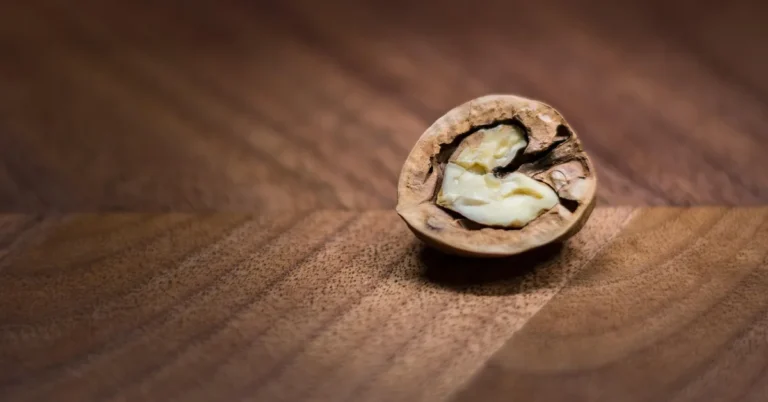
Walnut’s scent isn’t vague folklore — researchers have actually identified the compounds behind it. A 2023 aroma-chemistry study found that the two odorants with the strongest flavor-dilution factors in walnuts are sotolon, which smells like fenugreek, and (2E,4E,6Z)-nona-2,4,6-trienal, which smells like oatmeal. Together they produce walnut’s signature warm, nutty character — the same reason people reach for “coffee” or “chocolate” when trying to describe it.
Walnut wood also contains juglone, a naphthoquinone compound the tree produces as a natural defense chemical (it’s what stunts grass and other plants growing near a walnut tree’s roots). Juglone concentrates in the heartwood and bark, and it’s a large part of why walnut smells “sharper” and more tobacco-like than a mild wood like maple — and why its dust needs to be treated with more caution than most hardwoods (more on that below).
📊 Sotolon and (2E,4E,6Z)-nona-2,4,6-trienal are the two compounds identified as walnut’s primary aroma drivers. Source: National Library of Medicine, 2023 aroma-chemistry study
Is Walnut Sawdust Safe to Breathe?
Not always without precautions. Walnut isn’t systemically toxic, but juglone makes it a known irritant and sensitizer — woodworkers who sand or cut a lot of walnut without a mask commonly report itchy eyes, a burning nose, sore throat, or mild skin rash. Sensitization is also cumulative: the more exposure you’ve had over time, the more reactive you tend to become, even if early exposures caused no symptoms at all.
The risk comes almost entirely from fine dust inhalation and prolonged skin contact during sanding — not from simply handling a finished walnut board or piece of furniture. A nut allergy also doesn’t predict a wood-dust reaction (one is a food allergy, the other is contact/inhalation sensitization), so don’t assume either way without testing your own tolerance carefully and cautiously.
In the shop, walnut is easy to underestimate — it doesn’t hit you across the room the way cedar does. You usually only notice the smell up close, right when the planer or sander is running, which is exactly the moment fine dust exposure is highest. That’s the moment a properly rated respirator matters most, not just a paper dust mask. — Our Team
Does the Smell Change Between Green and Kiln-Dried Walnut?
Yes, significantly. Freshly cut (green) walnut smells strongest because the sap and volatile aroma compounds are still concentrated in the wood. Kiln-drying uses heat to evaporate those same volatiles much faster than air-drying does, so kiln-dried walnut lumber typically smells noticeably milder straight off the rack than a board you just cut yourself.
Even on old, dry walnut furniture, the smell isn’t gone — it’s just dormant. Sanding, planing, or lightly wetting a hidden spot reopens the wood’s surface and releases fresh aroma compounds, which is why a decades-old walnut antique can still smell distinctly nutty the moment you refinish it.
What Does Walnut Smell Like Compared to Other Woods?
Wood odor generally comes from three compound families — terpenes, tannins, and lignin breakdown products — and different species lean on different ones. Walnut sits in the mild-to-moderate range, well behind cedar and mahogany:
| Species | Scent Profile | Strength |
|---|---|---|
| Walnut | Nutty, earthy, tobacco-like | Mild — noticeable up close when cutting/sanding |
| Cedar | Resinous, camphor-like | Strong — noticeable across the room |
| Mahogany | Sweet, smoky, warm | Moderate to strong |
| Oak | Vanilla, light spice | Mild |
| Maple | Sweet, caramel, faint vanilla | Mild |
Walnut’s tobacco/cigar-box comparison is common because cigar boxes and humidors are traditionally lined with aromatic woods for this exact reason — walnut’s scent is subtle enough not to overpower tobacco, unlike cedar, which is strong enough to actively flavor what’s stored inside it.
How to Tell If a Board Is Walnut — By Smell and by Sight
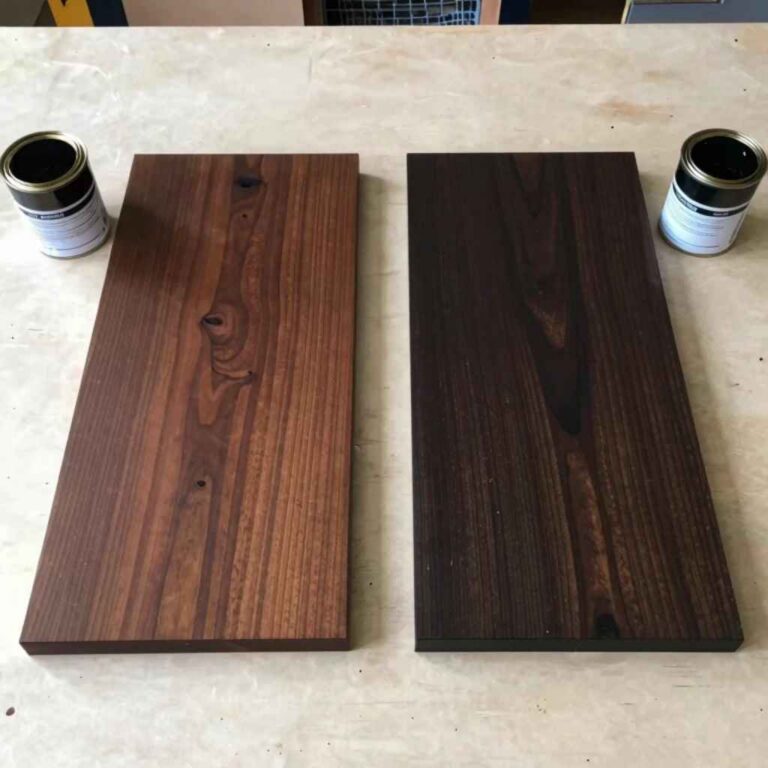
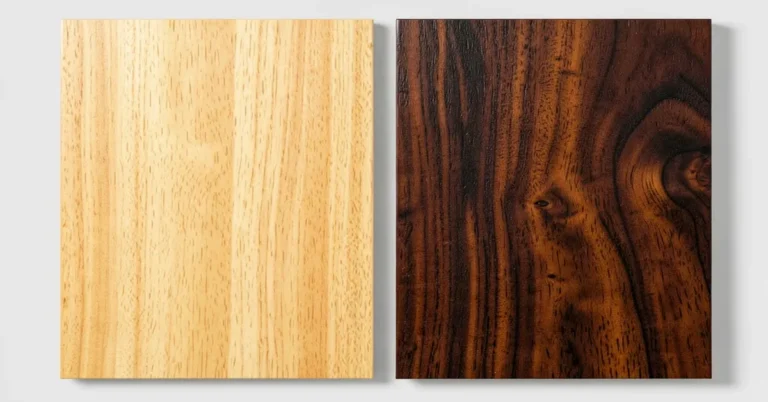
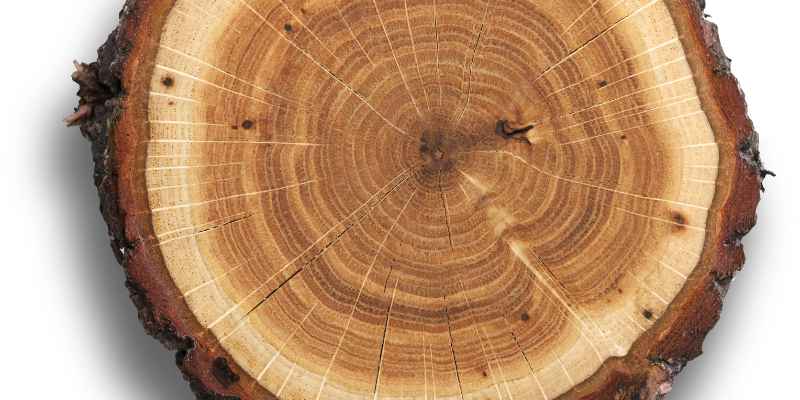
Grain and color are the first checks: walnut typically has a straight grain with a fine, even texture (occasional wavy or curly figure shows up too), and a dark brown color that can run from chocolate to almost purplish-brown, often with darker streaks. Sapwood near the bark is much paler — almost cream-colored — which is a giveaway if a board shows both colors at once.
When grain and color are ambiguous (stained wood, small offcuts, painted furniture), smell is the tiebreaker. Lightly sand a hidden edge or corner — walnut releases its nutty, faintly tobacco-like scent almost immediately, while lookalikes like cherry or mahogany smell noticeably sweeter and lack walnut’s earthier, sharper edge.
FAQ: Walnut Wood Smell
Does walnut wood smell bad when it’s rotting?
Yes — rotting walnut develops a sour, musty, or ammonia-like smell that’s very different from healthy walnut’s nutty scent. That off odor usually means fungal decay has set in, and any structural wood showing it should be inspected before use, not just sanded and painted over.
Does the walnut smell fade after finishing or oiling?
It fades a lot but rarely disappears completely. Oil finishes like linseed or walnut oil temporarily add their own scent on top, which masks the wood’s natural smell at first. Once fully cured, sanding or scraping a finished walnut piece will still release its underlying nutty aroma.
Why does walnut smell like tobacco or cigars?
It’s mostly a similarity in aroma character, not a shared chemical. Walnut’s sotolon-driven nuttiness reads as warm and slightly sweet in the same way cured tobacco does, which is why cigar boxes and humidors have traditionally used walnut and similar aromatic hardwoods as lining.
Is black walnut’s smell different from English walnut?
Black walnut (Juglans nigra) has a noticeably stronger, more resinous and earthy scent than English walnut (Juglans regia), which smells milder and sweeter. Black walnut also carries higher juglone concentrations, which lines up with both its sharper smell and its higher potential to irritate sensitive skin or airways.
Can a nut allergy cause a reaction to walnut wood dust?
Not necessarily — a walnut food allergy is an ingestive immune response, while a wood-dust reaction is contact or inhalation sensitization from juglone and other compounds. Having one doesn’t reliably predict the other, but if you have a tree-nut allergy, it’s still worth wearing a respirator and testing your tolerance cautiously the first few times you work with walnut.
Walnut’s smell is one of the milder hardwood scents — a nutty, earthy, faintly tobacco-like note driven by sotolon and juglone, strongest right after cutting or sanding and much fainter once the wood is kiln-dried or finished. Enjoy it, but treat the dust with the same respect you’d give any wood that’s a known sensitizer: a P100-rated respirator during sanding is a small habit that avoids a real, cumulative irritation risk. For more on how walnut compares to other species, see our full wood smell chemistry guide, or browse the rest of our walnut wood hub for finishing and color guides.
Sponsored / affiliate links. As an Amazon Associate I earn from qualifying purchases. I may earn additional commission from eligible campaigns.