What Floors Look Best With Wood Paneling?
Wood paneling pairs best with flooring that either matches its tone on purpose (same wood family and finish) or contrasts it deliberately, such as light oak against dark walnut paneling — never an accidental near-match in the same medium brown. Get this wrong and a room reads flat, dim, or like an all-brown box. This guide covers light and dark flooring options, the match-vs-contrast principle, and when textured or patterned floors work better than either.
Quick Answer
Choose flooring that is either an intentional tonal match to your wood paneling (same wood family and finish) or a deliberate contrast — light oak or whitewashed floors with dark paneling, or dark walnut floors with light paneling. Avoid landing accidentally in between, where floor and wall are close-but-not-quite the same brown; that reads flat and monotonous rather than intentional. If the paneling has bold grain or knots, a simpler, more neutral floor keeps the room from feeling busy.
Light Colored Flooring
Best Light Oak Sample Pick
GreenFullHouse Peel-and-Stick Flooring Sample, Classic Oak
A single-plank sample lets you hold a light oak tone against your actual paneling before committing to a full floor.
- Best for: Testing a light-floor/dark-paneling contrast pairing cheaply before buying full flooring
- Why we picked it: Peel-and-stick means no adhesive mess to test a single tile against your wall
- Main drawback: A single sample won’t show how the tone reads across a full room-sized floor
Compare more flooring & balancing options
 Option 1 Mohawk Vinyl Sheet Sample, Bumble Oak
|
 Option 2 Neutral Beige Area Rug, 8×10
|
 Option 3 Minwax Satin Wood Floor Finish
|
As an Amazon Associate we earn from qualifying purchases.
Light colored flooring is a great choice to complement wood paneling. For a cohesive look, choose a flooring that matches or is in the same hue as the wood paneling. Neutral shades like light brown, gray, and black are timeless options that will never go out of style.
Wood paneling is a timeless and classic feature that adds warmth and character to any room. If you prefer a brighter, airier look, light-colored flooring is your best bet — this can include neutral light-colored tiles, light-colored hardwood, and light-colored carpet.
Neutral Light-colored Tiles
Neutral light-colored tiles are a popular choice for those who want a clean, modern look. They blend well with natural wood paneling while providing a striking contrast. Light travertine and porcelain tiles are popular options that add elegance and sophistication to any space. These tiles are easy to maintain, durable, and provide a beautiful complement to wood paneling.
Light-colored Hardwood
Light-colored hardwood flooring can also work well with wood paneling, adding a warm and inviting feel to the room. Oak, maple, and ash are popular hardwood options that provide a light, natural wood grain look. Light-colored hardwood floors reflect more light than darker options, making the room feel bigger and brighter.
Light-colored Carpet
Light-colored carpet is a great option for those who want to create a cozy and comfortable feel in the room. Choose a neutral beige or cream-colored carpet to complement the wood paneling. This allows the paneling to stand out while creating a soft and warm environment. Keep in mind that carpeting may not be the best choice for high-traffic areas or those prone to spills.
Dark Colored Flooring
For light or medium wood paneling, dark colored flooring adds contrast and depth to the overall look. Choosing a floor in a similar hue to darker paneling instead creates a more cohesive, blended look — so decide first whether you want contrast or cohesion, then pick the floor tone that matches that goal. Consider hardwood floors or porcelain and ceramic tiles for a timeless appeal.
Dark colored flooring is a popular choice for those who have lighter wood paneling in their homes. The dark hue of the flooring provides contrast for light-colored wood paneling, creating a luxurious and elegant look. If you’re considering dark-colored flooring, here are some options that look great with wood paneling:
Dark Hardwood
One of the best flooring options to pair with light wood paneling is dark hardwood. This flooring option has an organic and natural look that complements wooden paneling perfectly. You can choose from a variety of finishes and colors including walnut, mahogany, and cherry wood. These colors add depth and richness to a room with lighter paneling.
Black Tile Flooring
Black tile flooring is another option that goes well with wood paneling. The texture of the tiles provides a sleek and modern look that contrasts the rustic vibe of the wood paneling. Opt for large tiles to minimize the grout lines and create a seamless look.
Dark-colored Carpet
If you want to add a touch of coziness to a room with lighter wood paneling, dark-colored carpet is an excellent option. Choose a carpet with a deep hue such as navy or charcoal, which complements the wood paneling and creates a warm, inviting space.
Should Your Floor Match or Contrast Your Wood Paneling?
Either approach works — matching wood tones for a cohesive look, or contrasting them for depth — but an accidental near-match is the one combination designers warn against. When floors and walls land in the same medium-brown zone without being an intentional match, the room reads flat and boxy instead of designed. Decorating a wood-paneled room well starts with picking one of these two strategies on purpose, not drifting into the gap between them.
If your paneling is dark walnut or espresso-toned, a light floor — blonde oak, whitewashed planks, or greige LVP — opens the room up and keeps it from feeling like an all-brown box. If the paneling is already light (pine, birch, or a light stain), a darker floor such as walnut or dark hardwood adds the same contrast in reverse. Either direction, stick to one undertone family: warm woods (oak, walnut, cherry) with warm woods, cool woods (ash, gray-washed oak) with cool woods.
Textured or patterned flooring — tile, slate, or luxury vinyl plank with an embossed grain — is a third option when the paneling itself is plain or simply-milled: the texture supplies the visual interest instead of a tonal contrast, which is why patterned floors are one of 2026’s strongest flooring trends (see the data point below).
| Approach | What It Looks Like | Best For |
|---|---|---|
| Tonal Match | Same wood family/finish on floor and paneling, deliberately coordinated | Small rooms, hallways, a seamless flow between spaces |
| Tonal Contrast | Light floor with dark paneling, or dark floor with light paneling | Rooms with heavy or dark paneling that need brightening; bold, designer-style spaces |
| Accidental Near-Match (avoid) | Floor and paneling both medium brown, neither matching nor contrasting on purpose | Nothing — this is the combination to avoid |
| Textured/Patterned Balance | Tile, slate, or grain-textured LVP instead of a plain wood-tone floor | Rooms with plain, simply-milled paneling that needs visual interest |
Matching Wood Tones
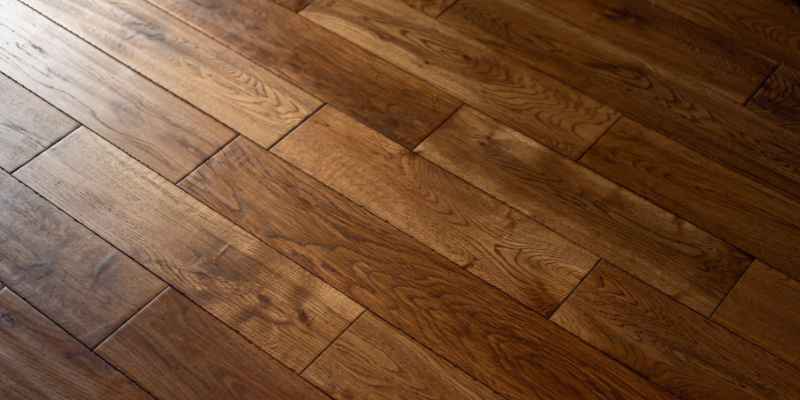
For wood paneling walls, it’s best to choose a flooring that is in the same hue but not necessarily an exact match. Avoid choosing a flooring that is redder or greener than the walls. Neutral shades like light brown, gray, and black are timeless classics that complement wood paneling well.
Wood paneling can add warmth and character to any room, and matching the wood tones of paneling and flooring is one reliable way to create a cohesive look. The key is coordinating tone, not necessarily buying the identical product.
Complimentary Wood Floors
If you don’t want to match the wood tones exactly, try choosing a complementary color. For example, if your wood paneling has warm, reddish tones, consider a cool-tone wood floor such as ash or maple. This can create a sophisticated and balanced look.
Coordinating Wood Floors
For a more uniform look, consider coordinating the wood floors with the wood tones of the paneling. If your paneling has a light, natural finish, opt for a lighter wood floor such as oak or pine. If the paneling is stained or has a darker finish, choose a darker wood floor such as walnut or mahogany. Remember, the goal with a true match is to keep the finish sheen and undertone consistent between floor and wall so the match reads as intentional, not incidental.
Contrasting Flooring
Beyond tonal contrast (light floor, dark paneling or vice versa), you can also contrast wood paneling with a different flooring material entirely. It’s best to avoid a floor that clashes outright with the paneling color — choose a neutral or light-colored material to keep the space balanced.
Porcelain and Ceramic Tile
Porcelain and ceramic tile is a practical and stylish choice for contrasting with wood paneling. The smooth, glossy surface provides a sleek, modern look that pairs well with the warmth and texture of wood. Choose tiles in a neutral beige or subtle gray, and consider large-format tiles for a clean, modern look or textured cement tiles for something more eclectic. Glossy finishes reflect natural light and make the space feel brighter and larger; matte finishes keep the look softer and more natural.
Slate Flooring
If you’re looking for something with a bit more character, slate flooring is a great option. The unique texture and color variations in slate tiles provide an eye-catching contrast to the smooth, uniform look of wood paneling — a good fit for a rustic or organic-feeling room.
Scratch-Resistant Ceramic Floors
Scratch-resistant ceramic floors hold up well in high-traffic rooms with wood paneling, since they don’t show the wear marks that a matched wood-on-wood room would. This makes ceramic a practical contrast choice for busy family rooms or entryways next to paneled walls.
Tips And Tricks For Choosing The Right Flooring
When it comes to choosing the right flooring for your wood paneling, it’s important to find a hue that either complements or intentionally matches the wood, rather than landing accidentally in between. Neutral shades like light brown, gray, or black provide a safe backdrop for wood paneling in either direction.
Wood paneling gives a room a warm, cozy feel, but the wrong flooring choice can make the room feel dated or clash with the paneling, while the right choice enhances and elevates the whole space. Keep these factors in mind:
Consider the Room’s Traffic
Before choosing a flooring material, consider how much foot traffic the room receives. High-traffic areas like hallways and entryways need flooring that withstands wear, such as hardwood or laminate. Lower-traffic areas like bedrooms can work well with carpet or luxury vinyl tile (LVT).
Choose a Flooring that Complements the Wood Paneling
When choosing a flooring material, aim for one that complements the wood paneling. If the wood paneling is a warm color, consider a flooring material with warm undertones, such as oak or walnut. If the wood paneling is a cool color, consider flooring with cool undertones, such as maple or ash.
Consider the Room’s Paint Color
Another factor to consider is the color of the room’s paint. If the walls are painted a light color, a darker flooring material can provide a nice contrast. If the walls are a darker color, a lighter flooring material can brighten up the space.
Ensure Proper Installation
Proper installation is crucial to making flooring look its best alongside wood paneling. Incorrect installation can leave gaps between the flooring and the paneling that detract from the overall look. Hire an installer experienced with both flooring and paneling for a seamless result.
📊 61% of American homeowners still call wood the flooring “gold standard,” and roughly three in four would rather refinish an existing wood floor than replace it — Source: Bona homeowner survey, 2026 (via Forbes).
“Geometric, floral, and abstract motifs offer visual interest and personality while maintaining the durability and practicality required for everyday use.”
That’s the same logic behind the textured/patterned-balance option in the table above: a patterned or textured floor can carry a room’s visual interest on its own, which takes the pressure off getting the wood-tone match or contrast exactly right.
Frequently Asked Questions On What Floors Look Best With Wood Paneling
What flooring goes with wood paneled walls?
When it comes to flooring that goes with wood paneled walls, it’s best to choose a flooring in the same hue as the wood paneling. A neutral brown can be paired with lighter or darker flooring, but avoid choosing flooring with a reddish or greenish tint. Hardwood flooring, porcelain and ceramic tiles are classic and timeless options. White, cream or other light-colored flooring can work well with vintage or knotty pine wood paneling.
What color goes well with wood paneling?
For wood paneling, it’s best to choose a flooring that’s in the same hue, but lighter or darker. Avoid floors with reddish or green tones. White is a classic color that looks great with wood paneling, and black, navy, or dark gray accents work well too. Add simple greenery to complete the look.
What type of flooring complements hardwood?
Porcelain and ceramic tiles are the types of flooring that complement hardwood best. These tiles provide a refined, sophisticated look that goes well with hardwood’s timeless appeal. Select flooring shades in the same hue as the hardwood to create a harmonious, elegant look.
What wood floors don’t go out of style?
Neutral shades such as light brown, gray, and black are timeless classic wood floors that will look good for years to come. These hues make a great backdrop for any room in your home and complement wood paneling walls without color clashing.
Should wood flooring match or contrast wood paneling exactly?
Neither an exact match nor a random pairing is the goal. Choose either an intentional tonal match (same wood family and finish) or a deliberate contrast (light floor with dark paneling, or the reverse). Landing accidentally in between, with floor and wall both a similar medium brown, is what makes a room read flat and boxy.
Does light flooring make a wood-paneled room look bigger?
Yes. Light-colored flooring such as blonde oak, whitewashed planks, or light gray LVP reflects more light than darker options, which makes a room with dark or heavy wood paneling feel larger and brighter. This tonal-contrast effect is one of the most reliable fixes for a small, dark, paneled room.
Conclusion
Pick a lane: match your flooring to your wood paneling’s tone on purpose, or contrast it deliberately with a lighter or darker floor. Both work well — it’s the accidental near-match, floor and wall both a similar medium brown, that reads flat instead of designed. Test a sample against your actual paneling before committing to a full floor.
Sponsored / affiliate links. As an Amazon Associate I earn from qualifying purchases. I may earn additional commission from eligible campaigns.