What Is a Bloodgood Japanese Maple Tree
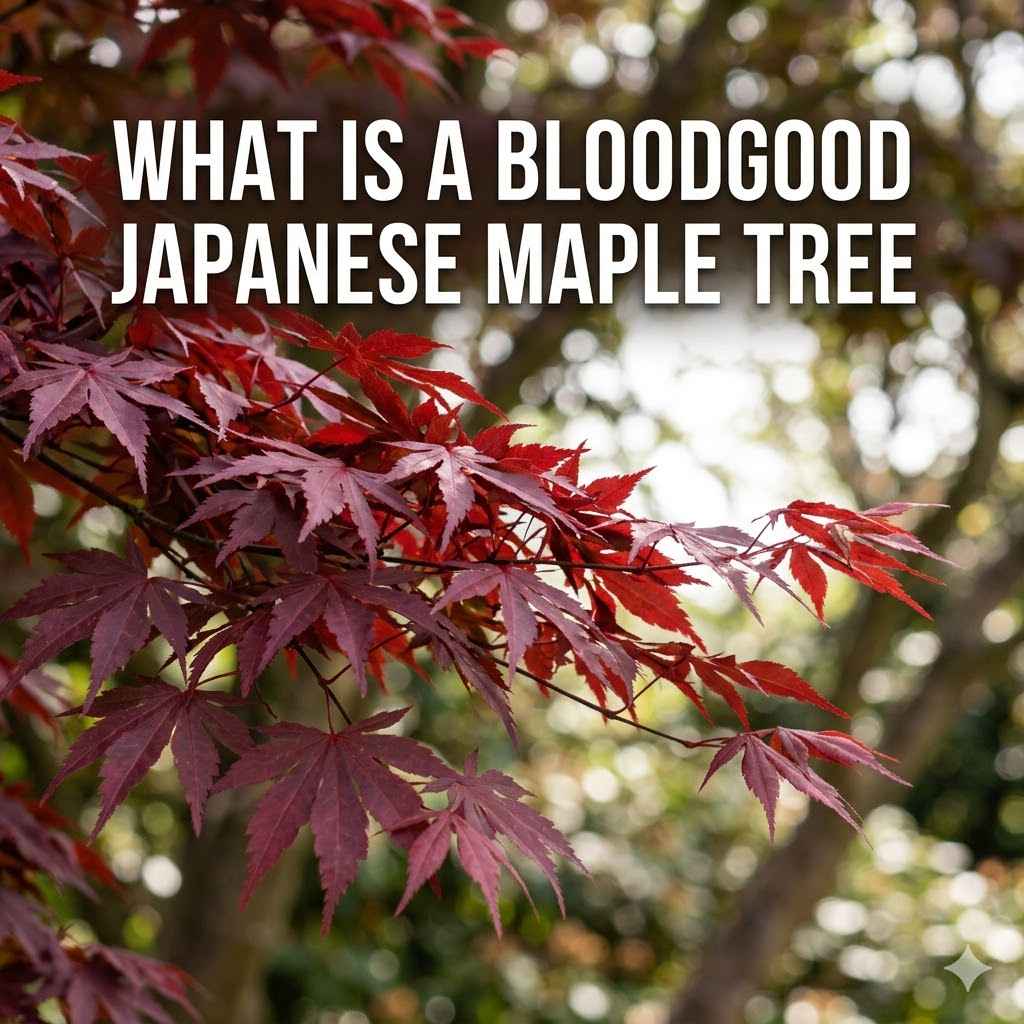
Many gardeners ask, “What Is a Bloodgood Japanese Maple Tree?” This is a great question, especially if you’re new to Japanese maples. These trees are known for their beautiful, deep red leaves and elegant shape. Sometimes, finding clear, simple answers can feel a bit tricky.
Don’t worry, though! We’re here to break down everything you need to know about the Bloodgood Japanese Maple. Get ready for easy steps and clear tips that will help you understand this lovely tree.
Exploring the Bloodgood Japanese Maple Tree
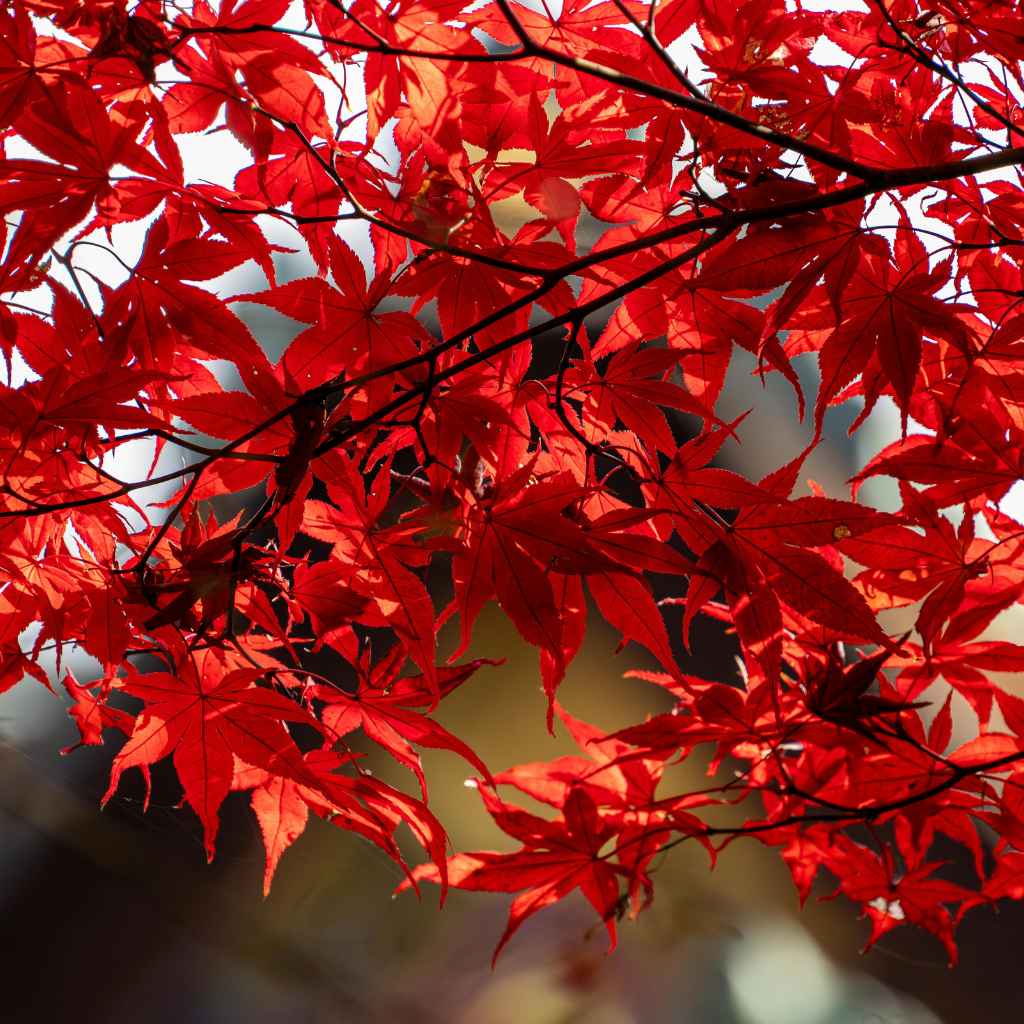
The Bloodgood Japanese Maple is a very popular choice for gardens because of its stunning appearance. It’s a deciduous tree, meaning it loses its leaves in the fall. This tree is admired for its vibrant, dark red foliage that stays bright throughout the summer and turns even more brilliant shades of red and scarlet in the autumn.
Its upright, vase-like shape makes it a striking focal point in any landscape. Many people find it easy to grow with a little care. This section will introduce you to the Bloodgood’s unique traits and why it’s a favorite among tree enthusiasts.
Understanding the Bloodgood’s Appeal
The Bloodgood Japanese Maple (Acer palmatum ‘Bloodgood’) is truly special. Its leaves are a deep, rich red from spring to fall. This makes it stand out even when other trees are green.
It has a graceful, spreading habit that looks good as a specimen tree. It doesn’t get too big, making it suitable for many yards. People love its easy care and reliable beauty year after year.
It’s a tree that brings color and elegance to a garden.
Its scientific name, Acer palmatum, tells us it’s a type of Japanese Maple. The ‘Bloodgood’ part is its specific variety name. This name comes from the person who introduced it.
It’s been a popular tree for many decades because of its dependable qualities. It offers a touch of the exotic without being too difficult to manage.
Key Features of the Bloodgood Japanese Maple
- Deep Red Foliage: The most striking feature is its leaves. They start as a bright red in spring, then deepen to a dark, blood-red color that lasts through summer. In autumn, they turn into fiery shades of scarlet.
- Upright Growth Habit: This tree typically grows with a strong central leader, giving it a tall, upright, and somewhat narrow shape. It often develops a pleasing, layered branch structure.
- Mature Size: A Bloodgood Japanese Maple usually reaches a height of about 15 to 20 feet. Its spread is often similar, around 15 to 20 feet wide. This makes it a medium-sized tree, perfect for many garden settings.
- Sunlight Requirements: It thrives in partial shade. Too much hot afternoon sun can scorch its delicate leaves. A spot that gets morning sun and afternoon shade is ideal.
- Soil Preferences: It prefers well-drained soil that is slightly acidic. Good drainage is key to preventing root problems.
The leaves of the Bloodgood Japanese Maple are palmate, meaning they are shaped like a hand with several lobes. These lobes are deeply cut, giving the leaves a delicate appearance. The color is so intense that it looks like the leaves are painted.
This unique color is what draws many people to this particular variety.
The upright growth habit is another significant feature. Unlike some Japanese maples that grow wide and spreading, the Bloodgood tends to grow taller. This makes it a great tree to add vertical interest to a garden.
It can be planted as a single specimen or grouped with other plants to create a beautiful display.
Growing and Caring for Your Bloodgood Maple
Planting and caring for a Bloodgood Japanese Maple is straightforward if you know a few key things. Choosing the right spot is crucial, as is providing the right soil and watering. With consistent care, your Bloodgood will reward you with beauty for many years.
This part will guide you through the best practices for planting, watering, fertilizing, and pruning to keep your tree healthy and vibrant.
Planting Your Bloodgood Japanese Maple
When you get your Bloodgood Japanese Maple, planting it correctly is the first step to success. Pick a spot that gets dappled sunlight or morning sun and afternoon shade. This protects the leaves from burning.
Make sure the soil drains well. Avoid areas where water sits after rain.
Dig a hole that is twice as wide as the tree’s root ball but no deeper than the root ball itself. This encourages roots to spread outwards. Gently remove the tree from its container.
If the roots are tightly wound, carefully loosen them a bit. Place the tree in the hole, making sure the top of the root ball is level with the surrounding soil. Fill the hole with soil, lightly tamping it down to remove air pockets.
Water thoroughly after planting.
Adding a layer of mulch around the base of the tree, but not touching the trunk, helps keep the soil moist and cool. It also helps prevent weeds. For newly planted trees, watering deeply once or twice a week is important for the first growing season.
This helps the roots establish themselves.
Watering and Fertilizing Needs
Bloodgood Japanese Maples need consistent moisture, especially when they are young. Water them deeply when the top inch or two of soil feels dry. Avoid overwatering, as this can lead to root rot.
Established trees are more drought-tolerant but will appreciate watering during very dry spells.
Fertilizing is usually not necessary unless your soil is very poor. If you do fertilize, use a slow-release, balanced fertilizer in early spring. Apply it around the drip line of the tree, not right next to the trunk.
Too much fertilizer can harm the tree.
For young trees, a light application of compost or aged manure worked into the soil around the base can be beneficial. This adds nutrients and improves soil structure. Always follow the directions on any fertilizer product you use.
The goal is to provide gentle nourishment, not a shock to the system.
Pruning for Shape and Health
Pruning a Bloodgood Japanese Maple is mostly about maintaining its natural shape and removing any damaged or crossing branches. The best time to prune is in late winter or early spring, before the tree begins to leaf out. This is when the tree is dormant, and the cuts will heal well.
Remove any dead, diseased, or damaged branches. Also, trim branches that rub against each other. This prevents wounds and potential entry points for pests and diseases.
You can also prune to shape the tree, encouraging its upright growth or thinning out crowded areas.
Avoid heavy pruning. Japanese maples generally don’t need much shaping. Over-pruning can disrupt their natural form.
If you want to control the size, prune sparingly. Make clean cuts just outside the branch collar. This helps the tree heal properly.
A common pruning scenario is removing branches that grow inwards or cross over others. This opens up the canopy, allowing for better air circulation and light penetration. Another scenario is removing branches that are growing too low and might become a tripping hazard or obstruct pathways.
Common Pests and Diseases
Bloodgood Japanese Maples are generally healthy trees, but they can sometimes face issues. Aphids can be a problem, appearing as small green or black insects on new growth. They can be washed off with a strong spray of water or treated with insecticidal soap.
Scale insects are another possibility. These look like small bumps on the branches. They can be scraped off or treated with horticultural oil.
Fungal diseases, like powdery mildew, can appear as white, dusty patches on leaves, especially in humid conditions. Good air circulation and avoiding overhead watering can help prevent this.
Root rot is a serious concern, but it’s usually caused by overwatering or poorly drained soil. Ensuring good drainage is the best prevention. If you see wilting or yellowing leaves on an otherwise healthy-looking tree, it might be a sign of root problems.
Fortunately, most pests and diseases can be managed with simple, proactive care. Regular observation of your tree will help you spot any issues early. This allows for quick and effective treatment before problems become severe.
What Is a Bloodgood Japanese Maple Tree Compared to Others
When considering Japanese maples, understanding the specific characteristics of the Bloodgood helps you appreciate its place among other varieties. While all Japanese maples share a general grace, each cultivar offers unique traits in terms of leaf color, shape, and growth habit. Knowing these differences allows gardeners to select the perfect tree for their landscape and aesthetic goals.
This section will highlight how the Bloodgood stands out and what makes it a favored choice.
Bloodgood vs. Other Red Japanese Maples
Many Japanese maples display red foliage, but the Bloodgood’s deep, consistent color is a key differentiator. Varieties like the ‘Crimson Queen’ offer a red laceleaf maple with finely dissected leaves and a weeping habit, providing a different texture and form. The ‘Emperor I’ is another popular red variety that is similar in color to Bloodgood but often has brighter red foliage in spring and is more tolerant of sun.
‘Fireglow’ is known for its vibrant red leaves that persist through summer and turn a brilliant crimson in fall.
The Bloodgood’s upright, tree-like form contrasts with the cascading, shrub-like growth of many laceleaf maples. While laceleaf varieties are beautiful, the Bloodgood offers a more classic tree silhouette. Its leaves are also typically broader and less deeply cut than those of laceleaf types.
This makes the Bloodgood a versatile choice, suitable for use as a shade tree or as a striking specimen plant.
Here’s a quick comparison table:
| Variety | Leaf Color | Leaf Shape | Growth Habit | Sun Tolerance |
|---|---|---|---|---|
| Bloodgood | Deep Red, persistent | Palmate, lobed | Upright, tree-like | Partial shade |
| Crimson Queen | Red, can turn bronzy | Dissected, lace-like | Weeping, mounding | Partial shade |
| Emperor I | Bright Red, consistent | Palmate, lobed | Upright, rounded | More sun tolerant |
| Fireglow | Vibrant Red to Crimson | Palmate, lobed | Upright, spreading | Partial shade |
The Bloodgood is often chosen for its reliability and classic look. While other red varieties might offer a brighter spring red or a more delicate leaf, the Bloodgood’s deep, lasting color and strong, upright form make it a landscape staple.
Choosing the Right Maple for Your Garden
Deciding on a Japanese maple depends on your garden’s conditions and your desired aesthetic. If you want a dramatic splash of red that lasts all season and a tree with a strong, upright presence, the Bloodgood is an excellent choice. Its moderate size makes it suitable for smaller gardens, too.
Consider the amount of sun your garden receives. If you have full sun for most of the day, you might need to opt for a more sun-tolerant variety like ‘Emperor I’, or ensure the Bloodgood is planted where it receives significant afternoon shade. If you’re looking for a cascading effect, a weeping variety like ‘Crimson Queen’ would be more appropriate.
Think about the texture you want. The deeply cut, lace-like leaves of some varieties offer a delicate, airy feel, while the broader lobes of the Bloodgood provide a bolder statement. Color is also a major factor.
Some maples are known for their brilliant spring red, while others, like Bloodgood, maintain a rich, dark red throughout the summer.
Always check the mature size of any tree you consider. Some Japanese maples can become quite large, while others remain dwarf specimens. Understanding these differences will help you make a selection that fits perfectly into your landscape design without outgrowing its space.
Historical Significance and Popularity
The Bloodgood Japanese Maple has been a favorite in North American gardens for a long time. It was introduced by the Bloodgood Nursery in Queens, New York, sometime in the early 20th century. Its introduction marked a significant moment for ornamental trees, offering a stunning and reliable option for gardeners seeking vibrant color and elegant form.
Its enduring popularity is a testament to its strong performance and classic beauty. It’s a tree that has proven its worth over generations. Many older gardens still feature mature Bloodgood maples, showcasing their longevity and timeless appeal.
This historical presence adds to its charm for many enthusiasts.
The tree’s ability to adapt to various garden settings, combined with its striking color, has cemented its status as a go-to choice. It’s often featured in landscape design magazines and gardening books, further spreading its recognition and appeal. This widespread appreciation ensures it remains a readily available and highly sought-after variety.
Bloodgood Japanese Maple Varieties and Similar Trees
While the ‘Bloodgood’ is a specific cultivar, there are many other Japanese maples and related trees that share some of its characteristics. Understanding these variations can help you find the perfect tree for your garden, whether you’re looking for something very similar or a distinct option. This section explores other notable varieties and trees that might appeal to those interested in the Bloodgood.
Exploring Other Notable Acer palmatum Cultivars
Beyond the ‘Bloodgood’, the world of Japanese maples offers a vast array of stunning cultivars. For those who love red, ‘Akame’ (meaning ‘red eye’) is a variety known for its brilliant red leaves that emerge in spring and hold their color well into summer before turning a rich crimson in fall. It has an upright, spreading habit similar to Bloodgood.
Another red option is ‘Oshio-Sango’, which means ‘East Sea Coral’. This variety boasts bright coral-red leaves in spring that deepen to a darker red in summer and then turn a vibrant scarlet in fall. It typically has an upright, somewhat spreading form.
For a different color, consider ‘Katsura’. This cultivar emerges with bright orange-red leaves in spring, turning to a vibrant lime-green in summer, and then a lovely golden-yellow in fall. It has a rounded, spreading shape and is a smaller tree, making it ideal for smaller gardens.
‘Viridis’ is a very popular green laceleaf maple. Its delicate, finely dissected leaves emerge bright green in spring and turn shades of yellow, orange, and red in the fall. It has a graceful, weeping habit, offering a beautiful contrast to upright trees.
Here’s a look at some distinctive Acer palmatum cultivars:
- ‘Shaina’: A dwarf upright Japanese maple with dense, dark red foliage. It remains small, making it perfect for containers or small spaces. Its growth is slow and compact.
- ‘Orangeola’: A weeping laceleaf maple with leaves that emerge bright orange-red, turn to bronze-red, and then a more subdued reddish-green. It has a cascading form and is very decorative.
- ‘Red Dragon’: A popular red laceleaf maple known for its deep red, finely dissected leaves and compact, mounding habit. It holds its color well throughout the summer.
Each of these cultivars brings a unique charm to the garden, showcasing the incredible diversity within the Japanese maple species.
Considering Related Acer Species
While Acer palmatum is the most common Japanese maple, other Acer species also offer beautiful ornamental trees that might be considered by gardeners. For example, the Paperbark Maple (Acer griseum) is known for its striking cinnamon-colored bark that peels away in papery layers, revealing lighter bark underneath. Its leaves are trifoliate, and it turns a lovely red in the fall, though it’s not as intensely red as a Bloodgood.
The Amur Maple (Acer ginnala) is another related species. It’s a smaller tree or large shrub that produces fragrant, white flowers in spring. Its fall color is usually a brilliant scarlet or orange-red, making it a very showy specimen in autumn.
It’s generally quite hardy and adaptable.
The trident maple (Acer buergerianum) is native to China and Japan and is known for its three-lobed leaves and attractive, exfoliating bark on older trees. It’s often used in bonsai and is quite tolerant of heat and some drought once established. Its fall color can range from yellow to orange to red.
These related species offer different textures, colors, and growth habits. They provide alternatives for gardeners who might be looking for something similar to a Japanese maple but with unique characteristics, such as more dramatic bark or different leaf structures.
Why Bloodgood Remains a Top Choice
The Bloodgood Japanese Maple’s sustained popularity is due to its balance of striking beauty and reliable performance. Its deep, rich red color is consistently impressive, providing a strong visual anchor in the garden from spring through fall. Unlike some varieties whose red can fade or turn bronzy, the Bloodgood maintains a vibrant hue.
Its upright, tree-like form is another significant advantage. This shape allows it to be used in a variety of ways, from a focal point in a small garden to a beautiful specimen underplanted with shrubs and groundcovers. It adds vertical interest and a sense of elegance without becoming overwhelmingly large too quickly.
Furthermore, the Bloodgood is known for its relative hardiness and ease of care compared to some of the more delicate laceleaf varieties. It’s less prone to wind damage and can tolerate a bit more sun than some other Japanese maples, provided it’s in the right location. This combination of visual appeal, good growth habit, and dependable nature makes it a perennial favorite for landscapers and home gardeners alike.
Frequently Asked Questions
Question: What is the best time of year to plant a Bloodgood Japanese Maple?
Answer: The best times to plant a Bloodgood Japanese Maple are in the early spring, after the last frost, or in the early fall, about six weeks before the first hard freeze. This allows the tree’s roots time to establish before extreme weather sets in.
Question: How tall does a Bloodgood Japanese Maple get?
Answer: A mature Bloodgood Japanese Maple typically grows to be about 15 to 20 feet tall and can spread 15 to 20 feet wide. It has a medium growth rate.
Question: Can a Bloodgood Japanese Maple grow in full sun?
Answer: While it can tolerate some sun, a Bloodgood Japanese Maple is best grown in partial shade. Too much hot afternoon sun can scorch its leaves, causing them to turn brown or crisp. Morning sun and afternoon shade is ideal.
Question: Do Bloodgood Japanese Maples need a lot of water?
Answer: Bloodgood Japanese Maples need consistent moisture, especially when they are young. Water deeply when the top inch or two of soil feels dry. Once established, they are more drought-tolerant but benefit from watering during extended dry periods.
Question: Why are the leaves on my Bloodgood Japanese Maple turning brown?
Answer: Brown leaves on a Bloodgood Japanese Maple can be caused by several factors, most commonly leaf scorch from too much sun or insufficient water. It can also be a sign of root rot from overwatering or poor drainage. Inspecting your watering habits and planting location is important.
Final Thoughts
So, what is a Bloodgood Japanese Maple tree? It’s a stunning ornamental tree known for its deep red leaves and graceful, upright form. It brings vibrant color and elegance to any garden.
With simple care, proper planting, and the right spot, you can enjoy its beauty for years. This tree is a reliable and beloved choice for many.