Decking Ideas for Small Gardens That Actually Work
Floating decks under 30 inches above grade are the best option for most small gardens — that height clears the International Residential Code’s no-railing threshold, so guardrail framing and hardware never enter the budget. Build taller or wider than the space allows and the deck visually shrinks the yard, and may trigger a permit review. This guide covers layouts that make a small deck feel bigger, which material actually holds up on a tight budget, and the mistakes that make small decks look cramped.
Why Decking Works in a Small Garden
Best Small-Garden Deck Tile Pick
THYOI Premium Deck Tiles, 10 Pcs Patio Flooring – Brown – Crossed Pattern
Acacia wood interlocking tiles snap over an existing patio or bare dirt without fasteners — the fastest way to get a decking look in a small garden this weekend.
- Best for: renters and weekend DIY over an existing patio slab
- Why we picked it: real wood surface, no fasteners, covers ~10 sq ft per box for easy budgeting
- Main drawback: not a substitute for elevated framing over uneven or sloped ground
Compare more deck tile options
 Option 1 THYOI Premium Deck Tiles, 10 Pcs Patio Flooring – Golden Teak – Crossed
|
 Option 2 Interlocking Deck Tiles, EchoDeck Patio Deck Tiles, 44 Pack Deck Tiles
|
 Option 3 DECKIFY 9-Piece Acacia Wood Interlocking Deck Tiles, Golden Teak Crossed
|
As an Amazon Associate we earn from qualifying purchases.
Decking gives a small garden a defined, level floor — something grass and gravel can’t do on uneven or shaded ground. It also separates the "outdoor room" from the lawn, so a 10×12-foot plot reads as two distinct spaces instead of one cramped one. Because decking is raised, it drains faster than a patio slab and needs no regrading, which matters most in small gardens where there’s rarely room to bring in excavation equipment.
Choosing the Right Material for Your Deck
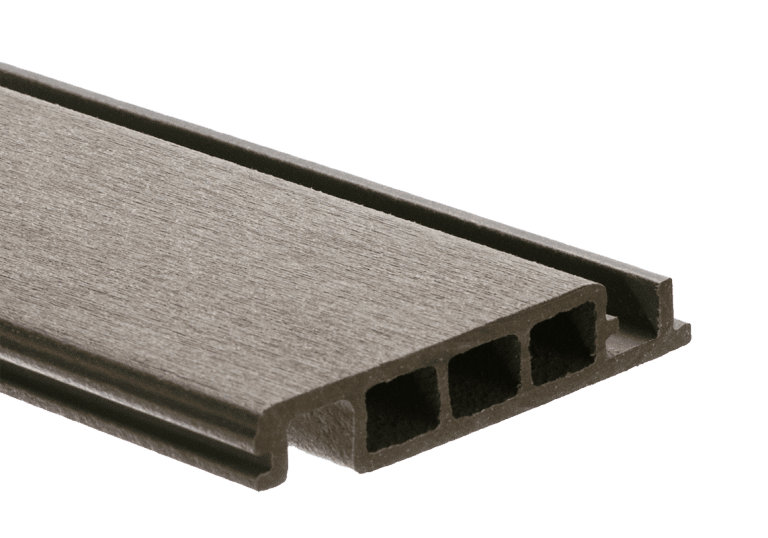
Material choice is the single biggest cost lever on a small deck, and the gap between options is wider than most guides admit. Pressure-treated pine runs about $3–$6 per square foot in material alone — the cheapest real decking option — but needs restaining every 2–3 years. Composite decking costs more upfront, $35–$70 per square foot installed on average, but needs no staining or sealing for its 25–30 year lifespan, which matters more on a small deck than a large one since there’s less area to justify the extra labor of yearly wood maintenance.
| Material | Installed Cost / sq ft | Maintenance | Best For |
|---|---|---|---|
| Pressure-treated pine | $15–$25 | Restain every 2–3 yrs | Tightest budgets |
| Cedar / hardwood | $40–$80 | Seal yearly | Natural grain, small footprint |
| Composite | $35–$70 | Rinse only | Low-maintenance small yards |
| Interlocking deck tiles | $4–$12 | Rinse / lift to replace | Renters, patios, weekend DIY |
Creative Layout Ideas for Small Spaces
The layout matters more than the square footage in a small garden. These four approaches each solve a different shape problem.
Corner Decking for Cozy Nooks
An L-shaped deck tucked into one corner leaves the rest of the garden as open lawn or planting, so the yard reads as two zones instead of one deck swallowing the whole plot. This works especially well against a boundary fence, where the deck can double as a windbreak for the seating area.
Multi-Level Decking for Visual Interest
Stepping a deck down by even 6–8 inches between a dining area and a lounge area creates two distinct rooms without adding square footage. Each level typically still needs its own joist run, so multi-level decks cost more per square foot than a single flat platform — factor that into the material budget above before committing to the design.
Floating Decks for Flexibility
📊 A deck 30 inches or less above grade does not require a guardrail under the International Residential Code (IRC R312.1) — one of the few structural thresholds that measurably cuts both material cost and inspection complexity on a small garden deck. Source: International Code Council, IRC Section R312.1.
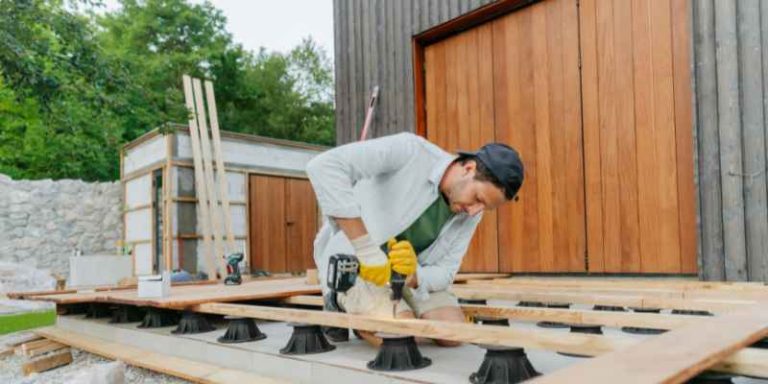
Floating decks rest on deck blocks or footings instead of being attached to the house, so they skip ledger-board flashing entirely — useful on a rented property where you can’t legally attach anything to the exterior wall. Staying under that 30-inch line also means no stairs with a full stringer, just one or two steps at most.
Narrow Strip Decking for Pathways
A 3–4-foot-wide decked path along a side return turns dead, unusable ground into a functional walkway and can visually lengthen a shallow garden when the boards run the direction you’re walking. Curved boundaries respond especially well to this treatment — see our dedicated guide on small curved decking layouts for how to lay boards around bends without excessive board-cutting waste.
Maximizing Space With Built-In Features
Furniture that’s part of the deck structure frees up floor space that a freestanding table and chairs would otherwise claim.
- Built-in benches: a bench along the perimeter seats more people per square foot than chairs and doubles as a low guardrail on decks near the 30-inch threshold.
- Planter boxes: built into the deck edge, these add greenery without eating into usable floor area the way potted plants do.
- Foldable furniture: a wall-mounted drop-leaf table converts the same 6 square feet from dining space to open floor in seconds.
Color and Finish Ideas to Enhance Your Deck
- Natural wood tones: a clear or semi-transparent stain keeps grain visible and reads as larger under natural light than a solid opaque color.
- Bold colors: a dark stain on the deck boards paired with lighter fencing creates depth, but dark colors absorb more heat — a real consideration on a small, sun-exposed deck.
- Two-tone designs: a contrasting border board around the perimeter defines the edge of a small deck and can visually stretch a square layout into a rectangle.
Lighting Ideas to Set the Mood
- String lights: the cheapest way to extend a small deck’s usable hours into the evening; run them post-to-post rather than across open air for stability.
- Recessed deck lights: low-voltage post-cap and stair-tread lights mark edges and steps without adding visual clutter.
- Lanterns and candles: portable and no wiring required, useful for a rented deck where hardwiring isn’t an option.
Incorporating Plants for a Natural Feel
Vertical growing space matters more than floor space on a small deck — every planter that goes up a wall or trellis is floor area you keep for furniture.
- Vertical gardens: a wall-mounted planting grid or espaliered climbing plant adds greenery without a single square foot of floor footprint.
- Potted plants: group 3–5 pots of varying height rather than spreading single pots around the perimeter — clusters read as intentional, scattered pots read as clutter.
- Hanging baskets: mounted from a pergola beam or overhang, these add color at eye level where a small deck has the least competing visual noise.
Maintenance Tips to Keep Your Deck Looking Great
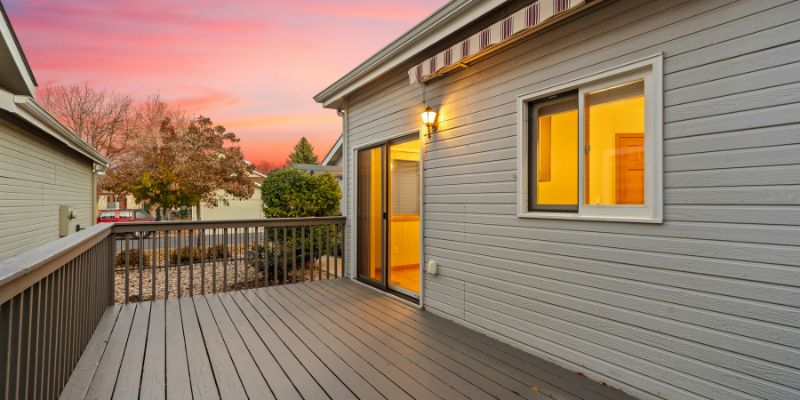
- Regular cleaning: sweep debris weekly and hose down monthly — trapped leaves between boards hold moisture that speeds up rot.
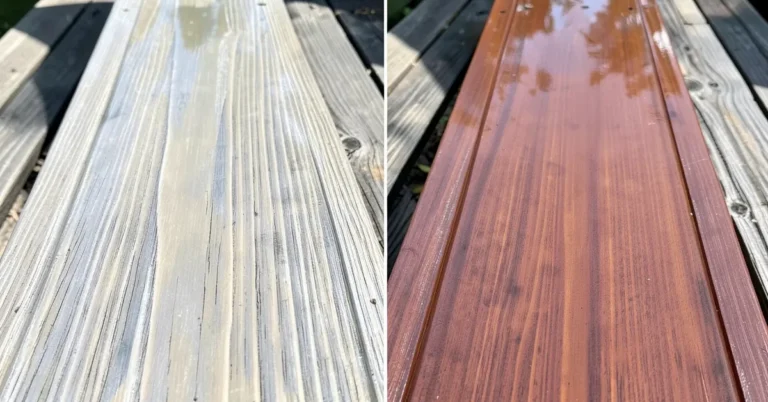
- Sealing and staining: pressure-treated and cedar decks need resealing every 2–3 years; composite needs none, which is part of why it costs more upfront (see the table above).
- Inspect for damage: check for loose or popped deck screws and soft spots each spring before the first heavy-use season.
Budget-Friendly Decking Ideas
- Use pallets: sanded, sealed pallet wood works for a temporary small deck but isn’t rated for permanent structural framing — treat it as a short-term option.
- Shop secondhand: reclaimed decking boards and even used composite sections turn up on local marketplaces for a fraction of retail.
- DIY installation: labor is typically 40–50% of an installed deck’s cost, so a floating deck under the 30-inch no-railing line is the most realistic DIY-friendly build for a first-timer.
- Interlocking tiles: for renters or a fast weekend upgrade over an existing patio slab, snap-together tiles (see the picks above) skip framing labor entirely.
Conclusion
A small garden deck works best when the design fights for every inch: a floating platform under the 30-inch no-railing line, built-in seating instead of freestanding furniture, and a material chosen against the real cost table above rather than guesswork. Start with layout, pick material against your maintenance tolerance, and add lighting and plants last — in that order, a compact deck ends up feeling bigger than the garden around it.
FAQs
How much does it cost to build a deck in a small garden?
A small deck (100–150 sq ft) typically runs $3,500–$10,500 installed, depending on material. Pressure-treated pine sits at the low end near $15–$25 per square foot installed; composite runs $35–$70 per square foot installed. Interlocking deck tiles over an existing patio cost far less, often under $500 for a small seating area, since they skip framing labor entirely.
Can I build a deck in a rented garden?
Yes, if it’s a floating deck that isn’t attached to the house or fixed permanently into the ground — ask your landlord in writing first regardless. Deck blocks or interlocking tiles are the two most tenant-friendly options since neither requires digging footings or flashing a ledger board into the exterior wall.
What’s the best decking material for a small garden?
Composite decking is the best overall pick for most small gardens because a small footprint means less annual maintenance labor to offset the higher material cost. Pressure-treated pine is the better choice on a tight budget if you don’t mind restaining every 2–3 years.
How do I make my small deck feel bigger?
Run boards in the direction that stretches the shorter dimension of the space, keep the deck under the 30-inch no-railing threshold so sightlines stay open, use built-in benches instead of freestanding furniture, and choose a lighter or natural wood tone over a dark stain.
Do I need a permit for a small garden deck?
Often not if the deck stays under 30 inches above grade and isn’t attached to the house — many jurisdictions exempt low, detached decks from permitting. Always confirm with your local building department before starting, since exemption thresholds vary by city and county.
Do you need a railing on a low deck?
No. Under IRC Section R312.1, a guardrail isn’t required on a deck that sits 30 inches or less above the grade measured within 36 inches of the deck’s edge. Above that height, a code-compliant guardrail is required for single-family homes.
What’s the difference between composite and wood decking?
Composite decking is made from recycled plastic and wood fiber, needs no staining or sealing, and typically lasts 25–30 years. Wood decking (pressure-treated pine, cedar, or hardwood) costs less upfront but needs restaining every 2–3 years and generally lasts 10–15 years before major boards need replacing.
Sponsored / affiliate links. As an Amazon Associate I earn from qualifying purchases. I may earn additional commission from eligible campaigns.