What is a Ported Chainsaw: Unleashing Maximum Cutting Power
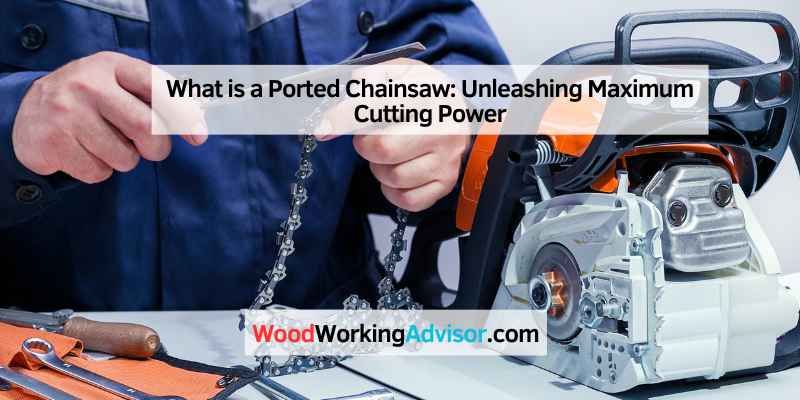
A ported chainsaw is a chainsaw that has been modified for increased power and performance. This is achieved by modifying the intake and exhaust ports of the chainsaw’s engine to improve airflow.
Porting can result in higher horsepower, better throttle response, and improved cooling, leading to increased longevity of the chainsaw. Ported chainsaws are popular among professional users who require enhanced cutting performance. The modifications made through porting allow the chainsaw to work more efficiently and effectively, making it a valuable tool for those in the forestry and arboriculture industries.
The Essence Of A Ported Chainsaw
Core Principles Behind Porting
A ported chainsaw involves the modification of its engine to enhance performance. The core principles behind porting revolve around optimizing the airflow into and out of the engine, which directly impacts its power and efficiency. By carefully reshaping the intake and exhaust ports, porting aims to maximize the amount of air and fuel mixture that can enter the combustion chamber, as well as the efficient expulsion of exhaust gases.
Impact On Chainsaw Performance
The impact of porting on chainsaw performance is significant. It leads to improved power output, increased throttle response, and lower operating temperatures. These enhancements translate to a more efficient and powerful cutting experience. Additionally, porting can extend the longevity of the chainsaw by reducing the strain on the engine and allowing it to operate at cooler temperatures.
Anatomy Of A Chainsaw Engine
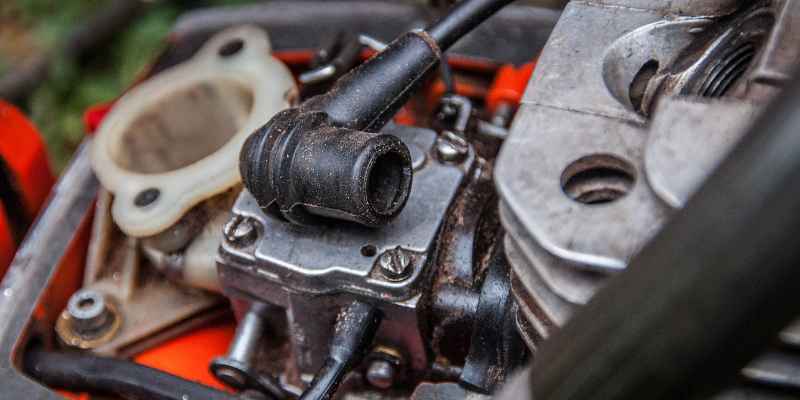
A chainsaw engine is a complex piece of machinery that powers the cutting action of the chainsaw. Understanding the various components and how they work together is essential for anyone looking to optimize the performance of their chainsaw. One key aspect of a chainsaw engine is its ports, which play a crucial role in the engine’s overall dynamics.
Understanding Intake, Transfer, And Exhaust Ports
Intake, transfer, and exhaust ports are critical elements of a chainsaw engine’s design. Each port serves a specific purpose in the engine’s combustion process.
The intake port is responsible for allowing the fuel-air mixture to enter the engine’s cylinder during the intake stroke. It is strategically positioned to optimize the flow of the mixture, ensuring efficient combustion.
The transfer port is located on the side of the cylinder and is responsible for transferring the fuel-air mixture from the crankcase to the combustion chamber. It plays a crucial role in ensuring proper scavenging and filling of the cylinder.
The exhaust port is responsible for expelling the burned gases from the combustion chamber during the exhaust stroke. It needs to be properly designed to allow for efficient gas flow and prevent any backflow of exhaust gases into the cylinder.
How Porting Modifies Engine Dynamics
Porting is a process that involves modifying the shape, size, and timing of the intake, transfer, and exhaust ports. This modification can have a significant impact on the engine’s overall performance and power output.
When it comes to porting, the goal is to optimize the flow of fuel-air mixture into the cylinder and the exhaust gases out of the cylinder. By carefully shaping and sizing the ports, engine builders can increase the engine’s volumetric efficiency, resulting in improved power and torque.
Porting can also affect the timing of the intake and exhaust events, allowing for better control over the combustion process. This can lead to improved throttle response, increased peak power, and smoother overall engine operation.
However, it’s important to note that porting is a delicate process that requires expertise and precision. Improper porting can negatively impact engine performance, leading to decreased power, poor fuel efficiency, and increased wear and tear on the engine components.
In conclusion, understanding the anatomy of a chainsaw engine, specifically the intake, transfer, and exhaust ports, is crucial for optimizing its performance. Porting, when done correctly, can enhance engine dynamics and unlock the full potential of a chainsaw.
The Porting Process Explained
Porting a chainsaw is a process that involves modifying the intake and exhaust ports of the engine to improve airflow. This can result in increased power, throttle response, and even lower operating temperatures. In this section, we will explore the tools and techniques used for porting and provide a step-by-step guide to help you understand the process better.
Tools And Techniques For Porting
Porting a chainsaw requires specific tools and techniques to achieve optimal results. Here are some essential tools and techniques commonly used:
| Tools | Techniques |
|---|---|
|
|
These tools and techniques allow for precise modifications to the engine’s ports, ensuring improved airflow and performance.
Step-by-step Guide To Porting A Chainsaw
Porting a chainsaw can be a complex process, but with the right guidance, it can be done effectively. Here is a step-by-step guide to help you understand the process:
- Disassemble the chainsaw engine to access the cylinder and piston.
- Inspect the ports to determine the areas that need modification.
- Use a die grinder and carbide burrs to carefully remove material from the ports, ensuring proper shaping and smooth transitions.
- File and sand the ports to refine the shape and remove any rough edges.
- Polish the surfaces of the ports to further improve airflow.
- Reassemble the engine, ensuring all components are properly aligned.
- Test the chainsaw to evaluate the performance improvements achieved through porting.
It is important to note that porting a chainsaw requires a certain level of expertise and knowledge. If you are unsure about the process, it is recommended to seek professional assistance to avoid any potential damage to the engine.
By following these steps and using the appropriate tools and techniques, you can effectively port your chainsaw and experience enhanced performance.
Performance Enhancement
A ported chainsaw is not your ordinary chainsaw. It is a modified version that has undergone porting, a process of modifying the intake and exhaust ports of the engine to improve airflow. This modification results in significant performance enhancements, making the chainsaw more powerful and efficient.
Quantifying The Power Increase
When a chainsaw is ported, it experiences a noticeable increase in power. The modified intake and exhaust ports allow for better airflow, which directly translates into more horsepower. This means that the chainsaw can cut through wood faster and with less effort, improving your productivity and efficiency.
Throttle Response And Efficiency Gains
Porting also improves throttle response, making the chainsaw more responsive to your commands. With enhanced throttle response, you can make precise cuts and maneuver the chainsaw with ease. Additionally, the improved airflow leads to better fuel combustion, resulting in increased fuel efficiency. This means that you can work for longer periods without having to refuel, saving you time and money in the long run.
In conclusion, a ported chainsaw offers significant performance enhancements in terms of power, throttle response, and fuel efficiency. Whether you are a professional logger or a homeowner tackling occasional tree maintenance, a ported chainsaw can make your tasks easier and more efficient.
Ported Chainsaws In Action
A ported chainsaw is a high-performance tool that has been modified to enhance its power and efficiency. This modification involves enlarging and reshaping the intake and exhaust ports to improve airflow, resulting in increased speed and throttle response. Ported chainsaws are ideal for demanding tasks that require a reliable and robust cutting tool.
When it comes to heavy-duty cutting jobs, a chainsaw is often the tool of choice. However, not all chainsaws are created equal. A ported chainsaw, for example, has been modified to enhance its performance and power. In this section, we will take a closer look at how ported chainsaws perform in real-world applications, compare ported vs. stock chainsaws, and examine the benefits of using a ported chainsaw for your cutting needs.
Real-world Applications
Ported chainsaws are commonly used in the forestry industry, where they are used to fell trees, cut logs, and clear land. They are also popular among homeowners who need to remove large branches or trees from their property. In addition, ported chainsaws are used by firefighters and emergency workers to clear paths and access points during natural disasters.
Comparing Ported Vs. Stock Chainsaws
Ported chainsaws have several advantages over stock chainsaws. For one, they are more powerful and can cut through wood faster and more efficiently. They also have better throttle response, which means they can quickly adjust to changing cutting conditions. Additionally, ported chainsaws run cooler than stock chainsaws, which can extend their lifespan.
However, there are some downsides to using a ported chainsaw. For example, they can be more difficult to start and operate than a stock chainsaw. They also require more maintenance and upkeep to keep them running smoothly.
In conclusion, if you need a powerful cutting tool for heavy-duty cutting jobs, a ported chainsaw may be the right choice for you. While they may require more maintenance and upkeep than a stock chainsaw, their enhanced performance and power can make the extra effort worth it.
The Longevity Debate
A ported chainsaw is a modified tool that has had its intake and exhaust ports adjusted to improve air flow, resulting in increased power and throttle response. Porting can make a saw faster and cooler, potentially extending its longevity. However, some argue that porting and other modifications could lower a saw’s life expectancy.
How Porting Affects Chainsaw Lifespan
The longevity of a chainsaw is a topic of debate among experts in the field. Some argue that porting a chainsaw can decrease its lifespan, while others claim that it can actually increase it. Porting a chainsaw involves modifying the intake and exhaust ports of the engine to improve airflow, which can result in increased power and performance. However, this modification can also cause the engine to run hotter, which can lead to increased wear and tear on the parts over time.
Maintaining A Ported Chainsaw For Durability
To maintain the durability of a ported chainsaw, it is important to follow proper maintenance techniques. Regular maintenance can help prevent wear and tear on the engine, which can prolong the lifespan of the chainsaw. Some tips for maintaining a ported chainsaw include regularly changing the oil, cleaning the air filter, and checking the spark plug. It is also important to ensure that the chainsaw is properly lubricated, as this can prevent the engine from overheating and causing damage to the parts.
In conclusion, the longevity debate surrounding ported chainsaws is complex, and there are varying opinions on the matter. While porting a chainsaw can increase its power and performance, it can also cause increased wear and tear on the engine over time. To maintain the durability of a ported chainsaw, it is important to follow proper maintenance techniques and ensure that the chainsaw is properly lubricated. By taking these steps, it is possible to prolong the lifespan of a ported chainsaw and enjoy its increased power and performance for years to come.
Pros And Cons Of Porting
A ported chainsaw offers improved performance, increased power, and higher RPMs. However, it also requires more frequent maintenance and may have a shorter lifespan due to the added stress on the engine.
Weighing The Benefits Against The Costs
When it comes to porting a chainsaw, there are both pros and cons to consider. Porting, or modifying the intake and exhaust ports of the chainsaw’s engine, can offer several advantages but also comes with certain drawbacks. Let’s take a closer look at the benefits and costs of porting.
Pros Of Porting
Porting a chainsaw can provide the following benefits:
- Increased Performance: Porting improves the airflow in the engine, allowing for better combustion and increased power output. This can result in faster cutting speeds and improved cutting efficiency.
- Enhanced Throttle Response: The modified ports enable quicker response to throttle inputs, allowing for more precise control over the chainsaw’s speed and cutting ability.
- Cooler Running Temperature: With improved airflow, the chainsaw engine can run cooler, reducing the risk of overheating and potential damage.
- Potential Longevity: While porting involves making modifications to the chainsaw, when done correctly, it can actually increase the longevity of the machine. The improved combustion efficiency and cooler running temperature can contribute to a longer lifespan.
Cons Of Porting
However, it’s important to consider the following drawbacks of porting:
- Increased Cost: Porting a chainsaw requires specialized knowledge and tools. Hiring a professional to perform the porting can be expensive, adding to the overall cost of the chainsaw.
- Voiding Warranty: Modifying the engine through porting may void the manufacturer’s warranty. It’s crucial to check the warranty terms before proceeding with any modifications.
- Potential Damage: If porting is not done correctly or if the modifications are excessive, it can lead to engine damage or reduced performance. It’s crucial to have a skilled professional handle the porting process.
- Expertise Required: Porting is a complex process that requires expertise and experience. Attempting to port a chainsaw without the necessary knowledge can result in poor performance or even irreparable damage.
Is Porting Right For Your Needs?
Deciding whether porting is the right choice for your chainsaw depends on your specific needs and circumstances. If you require increased cutting power, improved throttle response, and are willing to invest in professional porting services, then it may be worth considering. However, if you are concerned about cost, warranty implications, or lack the expertise to perform the modifications correctly, it may be best to stick with a stock chainsaw.
Remember, it’s crucial to weigh the benefits against the costs and carefully consider your requirements before deciding to port your chainsaw. Consulting with a professional and reputable chainsaw technician can help you make an informed decision and ensure the best outcome for your chainsaw’s performance and longevity.
Expert Insights And Community Opinions
Discover the expert insights and community opinions on the concept of a ported chainsaw. Understand the process of modifying the intake and exhaust ports of a chainsaw to improve its performance, throttle response, and longevity. Gain valuable knowledge about the impact of porting on a chainsaw’s power and what to expect from a ported saw.
Testimonials From Professional Users
Ported chainsaws have gained popularity among professional users for their enhanced performance and increased power. Many experienced chainsaw operators have shared their positive experiences with using ported chainsaws.
According to a user on the Outdoor Power Equipment Forum, porting a chainsaw can make it faster, improve throttle response, and even run cooler, resulting in increased longevity. These benefits make the extra effort of porting a saw worth it for many professionals.
Another user on the Arborist Site mentioned that most saws on the site are woods ported, which means they are built to be used as work saws on a daily basis. The porting job may vary depending on the saw, but the overall consensus is that ported chainsaws are highly reliable and suitable for demanding tasks.
Forum Discussions And Advice
Online forums and communities provide an excellent platform for chainsaw enthusiasts to discuss and exchange knowledge about ported chainsaws. These discussions offer valuable insights and advice for those interested in porting their chainsaws.
A thread on the Chainsaw Porting section of the Permies forum discusses the benefits of cylinder head porting. Members of the forum explain that porting the intake and exhaust ports of an engine can improve airflow, resulting in increased performance and power output. This information is crucial for individuals looking to understand the technical aspects of porting and its effects on chainsaw performance.
Reddit, another popular online community, also features discussions on ported chainsaws. A user on the Chainsaw subreddit asked what it means when a chainsaw is “ported.” The responses from experienced users clarified that porting involves modifying the chainsaw’s ports to enhance airflow, which leads to improved overall performance.
These forum discussions and advice threads serve as valuable resources for those seeking to learn more about ported chainsaws and gain insights from experienced users.
Future Of Chainsaw Porting
Porting a chainsaw involves modifying the intake and exhaust ports of the engine to enhance airflow, resulting in increased power and performance. This process can improve throttle response and cooling, ultimately extending the longevity of the chainsaw. Additionally, porting can make the chainsaw run faster and more efficiently, making it a valuable technique for enhancing its overall capabilities.
Innovations In Porting Techniques
Porting, the process of modifying the intake and exhaust ports of a chainsaw, has seen significant advancements in recent years. Innovations in porting techniques have revolutionized the way chainsaws perform, offering improved power, throttle response, and overall efficiency. Let’s take a closer look at some of the key innovations shaping the future of chainsaw porting.
One of the notable advancements in porting techniques is the use of computer-aided design (CAD) software. This technology allows for precise calculations and simulations, enabling engineers to optimize port shapes and sizes for maximum airflow. By harnessing the power of CAD, chainsaw manufacturers can fine-tune the design of their ports, resulting in enhanced performance and fuel efficiency.
Another innovative approach to chainsaw porting is the utilization of advanced materials. Lightweight and durable materials, such as titanium and carbon fiber, are being incorporated into the construction of port components. This not only reduces the overall weight of the chainsaw but also improves its durability and longevity.
In addition to material advancements, there have been significant breakthroughs in the understanding of airflow dynamics. Engineers are now able to analyze and optimize the airflow patterns within the engine, ensuring optimal combustion and power output. This knowledge has led to the development of more efficient port shapes and configurations, resulting in increased horsepower and torque.
The Evolving Landscape Of Chainsaw Engineering
The future of chainsaw porting lies in the constant evolution of engineering practices. As technology continues to advance, so does the potential for further improvements in porting techniques. From advanced computer simulations to innovative materials, engineers are continuously pushing the boundaries of what is possible in chainsaw design.
Additionally, the growing focus on environmental sustainability is driving the development of cleaner and more efficient chainsaw engines. With stricter emissions regulations, manufacturers are investing in research and development to create porting techniques that reduce pollution while maintaining high performance levels.
Furthermore, advancements in chainsaw porting are not limited to professional-grade models. As technology becomes more accessible and affordable, even consumer-grade chainsaws are benefiting from these innovations. This means that homeowners and DIY enthusiasts can experience the improved power and efficiency that porting offers.
In conclusion, the future of chainsaw porting is bright, with ongoing innovations in porting techniques and an evolving landscape of chainsaw engineering. These advancements are not only enhancing the performance and efficiency of chainsaws but also contributing to a more sustainable and environmentally friendly industry. Whether it’s through the use of advanced materials, computer simulations, or improved airflow dynamics, the future of chainsaw porting promises to deliver even greater power, efficiency, and longevity.
Frequently Asked Questions
How Much Power Does Porting A Saw Add?
Porting a saw can add more power, increased throttle response, and cooler running, leading to improved longevity.
Is A Ported Saw Worth It?
Yes, a ported saw is worth it as it can make the saw faster, improve throttle response and run cooler, resulting in more longevity. Porting refers to modifying the intake and exhaust ports of an internal combustion engine to improve air flow.
It is not recommended for everyone, but for those who want a faster cutting saw, it can be a good investment.
What Does Porting Do?
Porting modifies the intake and exhaust ports of an engine to improve airflow, increasing power and performance.
Do Chainsaws Come With A Scrench?
Yes, chainsaws usually come with a scrench, which is a combination screwdriver and wrench for basic maintenance. If you have lost it, you can easily get a replacement from the manufacturer or a third-party supplier. In addition to the scrench, you will also need a basic sharpening kit and depth gauge that are sized for your specific saw and chain.
Conclusion
Understanding what a ported chainsaw is can greatly benefit your chainsaw performance. With improved airflow and increased power, a ported chainsaw can provide better throttle response and longevity. Consider the potential advantages and decide if porting your chainsaw is the right choice for you.