What Is Beech Wood? Janka Hardness, Uses & Hardwood Facts
Beech is a true hardwood — European beech rates 1,450 lbf and American beech about 1,300 lbf on the Janka hardness scale, putting it in the same durability class as oak and ash, not a step below them. The exception: beech moves more with humidity than oak, so it needs acclimation time before installation or it can cup. This guide covers the real hardness numbers, where beech is actually used, and how it stacks up against oak, maple, and ash.
Why Beech Counts as a Hardwood
Best Beech Wood Finish Pick
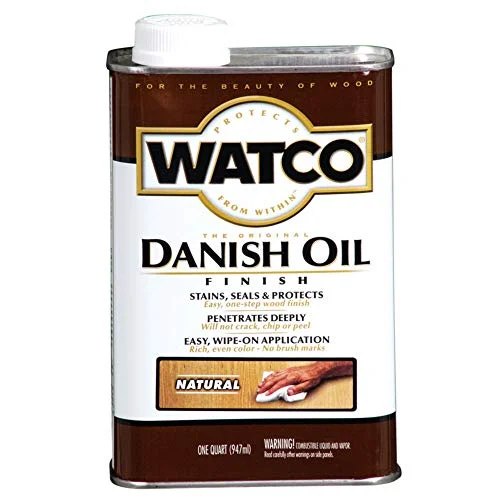 |
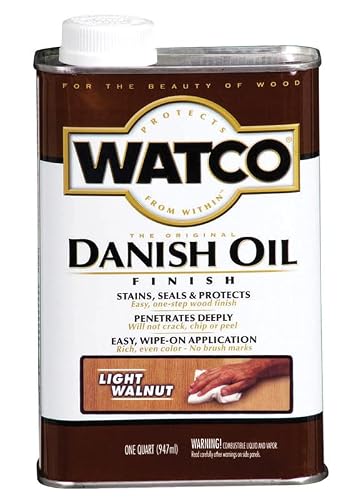
Watco Natural Danish Oil Wood Finish (Quart) – $21.63 Beech’s tight, even grain (the same trait that makes it easy to machine) also means it takes a penetrating oil finish evenly, without the blotching that open-grained woods like oak can show.
|
“Hardwood” is a botanical term, not a measure of physical hardness — it describes wood from angiosperm trees (broad-leafed, deciduous trees that produce seeds enclosed in a fruit or shell). Beech (genus Fagus) fits that definition, which is why it is classified as a hardwood regardless of how it compares to other species on a hardness scale. Balsa, for example, is botanically a hardwood despite being one of the softest woods in the world — the category is about the tree, not the density.
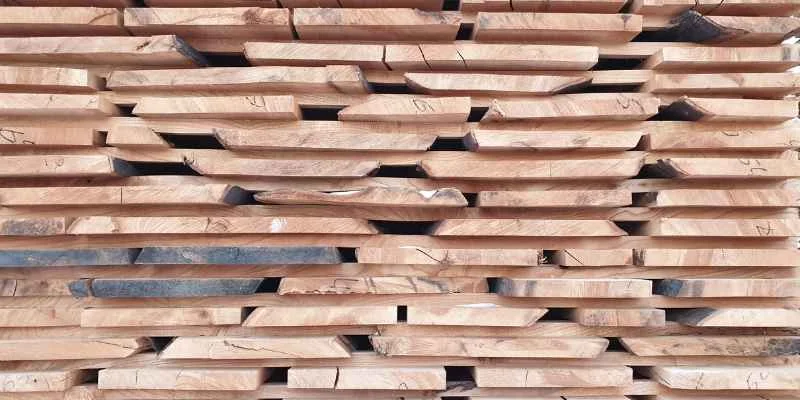
Beech Janka Hardness vs. Oak, Maple, and Ash
The Janka hardness test measures the force needed to embed a steel ball halfway into a wood sample — higher numbers mean a more dent- and wear-resistant surface. Beech lands squarely in the mid-to-upper range of common domestic hardwoods, not below them as its light color and smooth feel might suggest.
| Species | Janka Hardness (lbf) | Best For |
|---|---|---|
| European Beech | 1,450 | Furniture, steam-bent parts |
| American Beech | 1,300 | Flooring, cabinetry, tool handles |
| Red Oak | 1,290 | Flooring, furniture |
| White Ash | 1,320 | Tool handles, sporting goods |
| Hard Maple | 1,450 | Flooring, cutting boards, cabinetry |
📊 European beech scores 1,450 lbf on the Janka hardness scale, the same rating as hard maple and higher than red oak (1,290 lbf). — Source: Janka Hardness Test reference data
Common Uses of Beech Wood
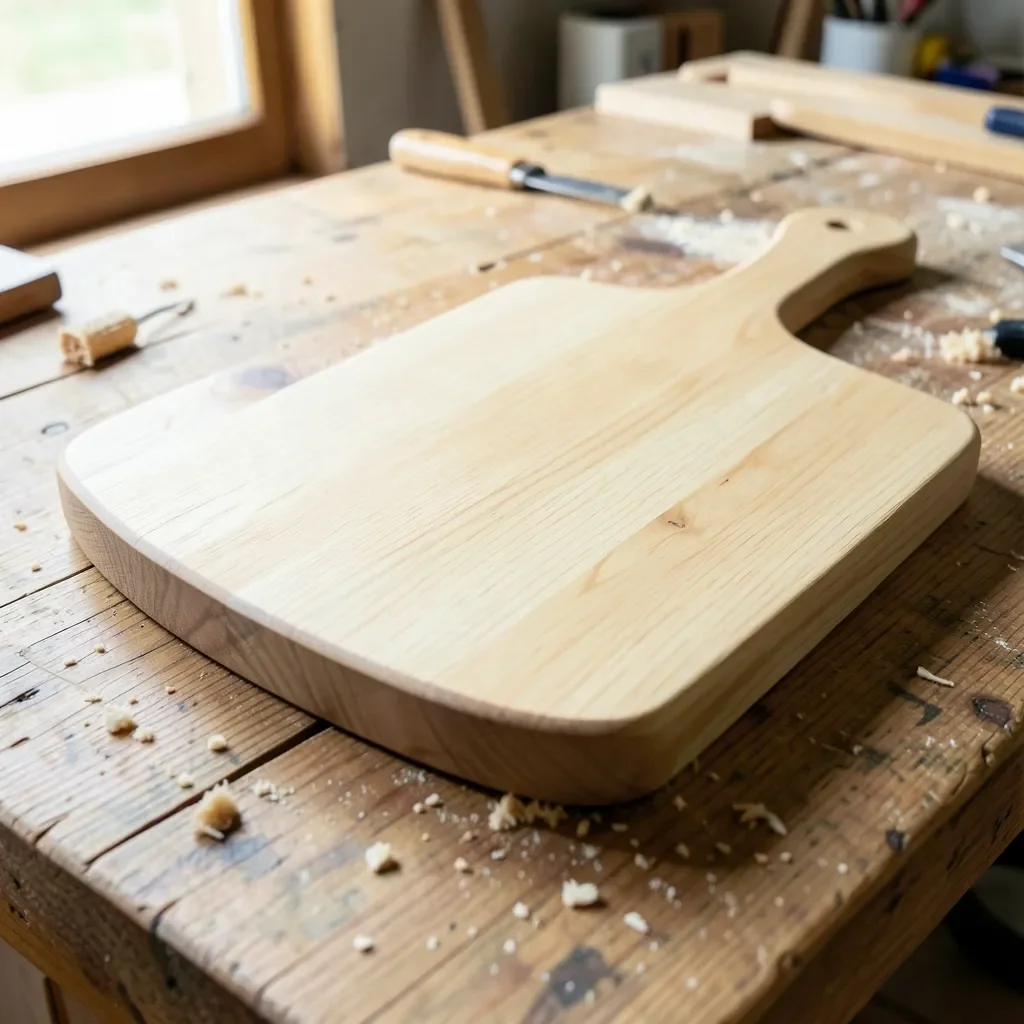
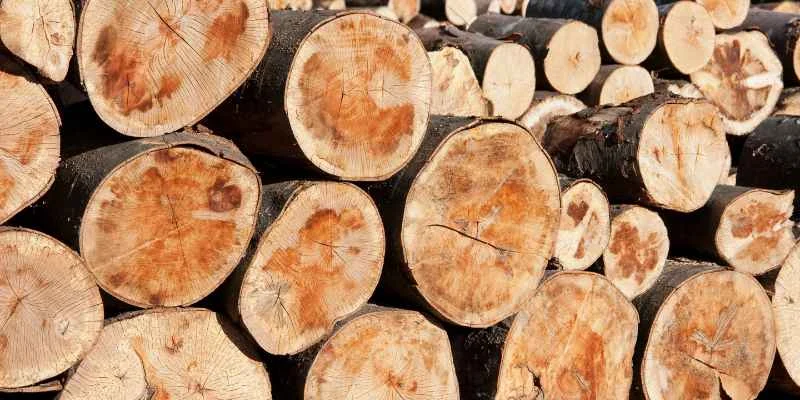
Beech shows up most in furniture, especially chairs and tables, because it steam-bends without cracking better than almost any other domestic hardwood — that is why bentwood chair frames are traditionally beech. It is also common in flooring, kitchen utensils, cutting boards, tool handles, and as veneer core stock and plywood layers, where its tight grain and dimensional consistency matter more than its color.
Working With Beech: What to Know Before You Start
- Acclimate it first: beech moves more with humidity swings than oak or maple — let boards sit in the room they will be used in for at least 48 hours before cutting, or you risk warping after installation.
- Use sharp tools: beech is dense enough that dull blades will burn or tear the surface rather than cut cleanly — keep blades and bits sharp, especially for joinery.
- It takes stain evenly: the fine, closed grain means beech absorbs stain more uniformly than open-grained woods like oak, with less risk of blotching.
- Watch for movement in wide panels: because of its humidity sensitivity, wide glued-up beech panels benefit from breadboard ends or floating construction rather than being rigidly fixed on all sides.
Frequently Asked Questions
Is beech a hardwood or softwood?
Beech is a true hardwood. It comes from a deciduous, broad-leafed tree (Fagus genus), which is the botanical definition of hardwood — the term describes the tree type, not how physically hard the wood feels.
How hard is beech compared to oak?
European beech rates about 1,450 lbf on the Janka hardness scale and American beech about 1,300 lbf, putting both in the same durability class as red oak (1,290 lbf) and white ash (1,320 lbf) — beech is not softer than oak despite the lighter color.
Is beech wood good for furniture?
Yes — beech’s fine, straight grain, resistance to denting, and ability to steam-bend without cracking make it a standard choice for chairs, tables, and molded furniture parts.
Does beech wood warp easily?
Beech is more moisture-reactive than oak or maple and can warp or cup if it is not acclimated to room humidity before use — let boards sit in the installation space for at least 48 hours before cutting or fastening them.
Is beech wood expensive?
Beech is generally mid-priced among hardwoods — less expensive than walnut or cherry, comparable to or slightly less than oak, which is part of why it shows up so often in mass-market furniture and plywood cores.
Conclusion
Beech is a genuine hardwood both botanically and by hardness rating, landing right alongside oak, ash, and maple on the Janka scale. Its real advantage is workability: a fine, even grain that steam-bends, stains, and machines more predictably than most other hardwoods its density. The one thing to plan for is moisture — acclimate it before installing, and beech will hold up as well as any hardwood on this list.
Sponsored / affiliate links. As an Amazon Associate I earn from qualifying purchases. I may earn additional commission from eligible campaigns.