Best Rug Colors for Dark Wood Floors (By Undertone)
Light neutral rugs — cream, oatmeal, soft gray — create the strongest contrast against dark wood floors, but the right shade actually depends on your floor’s undertone, not just how dark it is. Pairing a cool gray rug with a warm reddish-mahogany floor makes both surfaces look muddy instead of intentional. This guide matches rug color to warm, cool, and neutral dark-floor undertones, covers real rug sizing, and flags one rug-pad mistake that can permanently stain sealed hardwood.
Insert your Affiliate Disclosure reusable block here
Quick Answer
For warm reddish-brown floors (cherry, mahogany, red oak stains), choose cream, terracotta, or warm gold rugs. For cool gray-brown floors (walnut, espresso, ebony), choose light gray, blue, or charcoal. When unsure, a light neutral like oatmeal or ivory works with almost any dark wood tone.
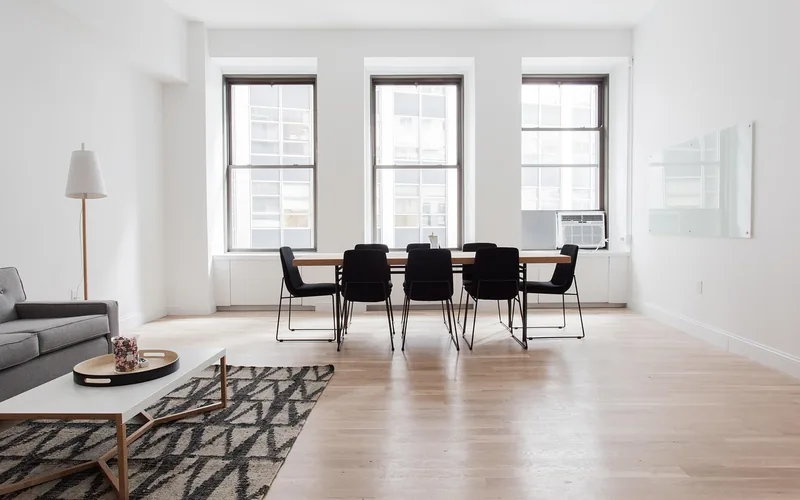
Match Rug Color to Your Wood Floor’s Undertone
Best Neutral Rug Pick
Luxturiy 8×10 Neutral Washable Area Rug (Beige) – $68.99
A washable beige 8×10 that fits the “neutral brown floor” row in the undertone table above — the safest starting pick for most dark hardwood.
- Best for: any dark wood undertone, especially neutral brown floors
- Why we picked it: machine-washable cover, works with warm or cool room decor
- Main drawback: flat color with no pattern to hide dirt between washes
Compare more rug options by undertone
 Warm Undertone Pick Amdrebio Terracotta Rust Fuzzy Area Rug 8×10 – $93.49
|
 Cool Undertone Pick Blue Grey Washable Area Rug 8×10 – $69.99
|
 Hardwood-Safe Pad RUGPADUSA Dual Surface Felt + Rubber Rug Pad 8×10 – $84.94
|
As an Amazon Associate we earn from qualifying purchases.
Dark wood floors fall into three undertone families, and each pairs best with a different rug palette. Look at the floor in direct daylight: does it lean reddish-brown, gray-brown, or a balanced medium brown? That undertone, more than the floor’s overall darkness, decides which rug colors look intentional and which look off.
| Floor Undertone | Example Wood/Stain | Best Rug Colors | Colors to Avoid |
|---|---|---|---|
| Warm / red-brown | Cherry, mahogany, red oak, Jacobean stain | Cream, terracotta, warm gold, rust | Cool gray, icy blue |
| Cool / gray-brown | Walnut, espresso, ebony, gray-stained oak | Light gray, blue, charcoal, sage green | Orange, yellow-gold |
| Neutral brown | Natural oak, hickory, mid-tone walnut | Beige, oatmeal, ivory, soft taupe | Nothing off-limits — safest floor to match |
Best Rug Colors for Warm-Toned Dark Floors
Cherry, mahogany, and red-oak-stained floors carry a reddish-orange base, so rugs in cream, terracotta, rust, or warm gold read as an extension of the floor rather than a fight against it.
A cream or ivory rug with a subtle terracotta border is the safest high-contrast option; a solid rust or burnt-orange rug works if the room already leans into warm, earthy decor (leather, brass, wood furniture). Keep pattern colors within the same warm family — a rust rug with cool navy accents will fight the floor’s undertone instead of complementing it.
Best Rug Colors for Cool-Toned Dark Floors
Walnut, espresso, and ebony floors carry a gray-brown base with little red in it, so blue, charcoal, light gray, and sage green rugs sit comfortably with the floor instead of clashing.
Navy or slate-blue rugs create a moody, cohesive look in living rooms and studies; light gray keeps a small room feeling open since it echoes the floor’s undertone instead of introducing a new one. Sage green is a softer option for bedrooms — it reads as a neutral in a cool-toned room rather than a bold accent color.
Should a Rug Match the Floor or the Furniture?
Neither, exactly — match the rug to the floor’s undertone first, then let the furniture pick up one or two accent colors already in the rug’s pattern. A rug chosen only to match a sofa often clashes with the floor once the sofa is reupholstered or replaced, while an undertone-matched rug stays correct through furniture changes.
Neutral Rug Colors That Work With Almost Any Dark Floor
A neutral rug is a low-saturation color — beige, oatmeal, ivory, soft taupe — that reads as background rather than a design statement. It works because it doesn’t fight either a warm or cool floor undertone; it simply sits a few shades lighter than the wood and lets the floor stay the visual anchor of the room.
Choose oatmeal or warm beige on reddish floors and cooler taupe or greige on gray-brown floors — the undertone rule from the table above still applies even within the neutral family.
Do Dark Rugs Make a Room Look Smaller?
Yes, in a small or low-light room — a dark rug on a dark floor removes the visual break between the two surfaces, shrinking the perceived floor space. In a large room with good natural light, a dark rug (charcoal, deep blue, black) can look intentional and grounding instead. Rooms under roughly 120 square feet are the ones where light rugs make the bigger visible difference.
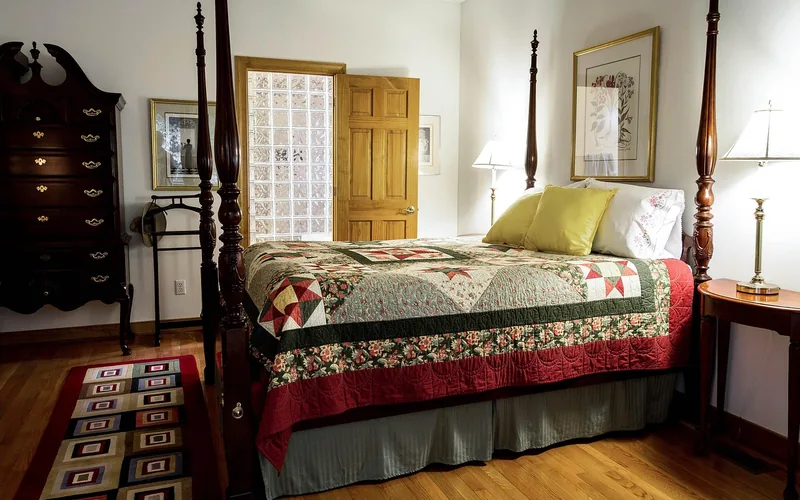
What Rug Size Actually Fits a Room With Dark Wood Floors
Color matters less than size for how finished a room looks — an undersized rug on dark wood floors reads as an afterthought no matter how well the color matches.
- 8×10 is the standard living room size and anchors a sofa plus two chairs in most floor plans.
- Extend the rug at least 6 to 8 inches beyond each side of the sofa, up to about 24 inches on a larger layout.
- Leave 12 to 18 inches of bare dark floor visible between the rug’s edge and the walls.
- In a smaller room, 6×9 works, but every major seating piece should still have at least its front legs on the rug.
- For a bedroom, a rug that extends 18 to 24 inches past the sides and foot of the bed reads as intentional rather than undersized.
The Rug Pad Mistake That Can Permanently Stain Hardwood Floors
The rug color matters less here than the pad underneath it. PVC and vinyl-backed rug pads — the cheapest option at most big-box stores — contain plasticizers that migrate into a hardwood floor’s finish over time, especially under humidity swings.
📊 PVC and vinyl rug pad backings can leave a permanent rug-shaped stain, sticky residue, or discoloration in a hardwood floor’s finish — damage that typically requires sanding and refinishing to remove, not just cleaning. Source: National Wood Flooring Association (no single linkable NWFA page confirms this specific claim, cited by name only).
A dark rug hides less of this damage than you’d think — the stain shows as a lighter, hazy discoloration on the wood itself once the rug is moved, not on the rug. Stick to pads marked 100% felt, 100% natural rubber, or a felt-plus-natural-rubber combination; our best rug pads for wood floors and carpet pads for hardwood floors guides both list which specific products pass that test. If you’d rather skip a pad entirely on a small rug, see our carpet tape for wood floors guide for when tape is actually safe to use instead.
Can a Rug Actually Damage a Hardwood Floor?
Yes, but usually from the pad or grit underneath it, not the rug itself. Unsealed dirt and sand trapped under a rug act like sandpaper with every step, and an unsafe pad can stain the finish. A correctly sized, felt-or-rubber-backed pad under a regularly vacuumed rug protects the floor instead of damaging it — see our guide to cleaning an area rug on a wood floor for the safe way to do that without soaking the pad.
Bold and Patterned Rugs Also Work
Not every dark-floor room needs a safe neutral. Kilim-style patterns in rust and red, geometric black-and-white weaves, or a saturated jewel-tone rug can all work as a deliberate focal point instead of a background choice — the difference is intent, not a hard color rule.
“Rugs are increasingly doubling as works of art in many homes.”
— Sarah Barnard, interior designer, quoted in House Digest
If you go bold, keep the rug’s undertone family consistent with the floor (warm pattern colors on warm floors, cool pattern colors on cool floors) so the boldness reads as a choice rather than a clash.
Frequently Asked Questions
What color rug goes best with dark wood floors?
It depends on the floor’s undertone: cream, terracotta, or warm gold on reddish-brown floors (cherry, mahogany), and light gray, blue, or charcoal on gray-brown floors (walnut, espresso). A light neutral like oatmeal works with almost any dark wood tone if you’re unsure which undertone you have.
Is beige or gray better for dark wood floors?
Beige suits warm, reddish-brown floors like cherry or mahogany, since it shares the same warm base. Gray suits cool, gray-brown floors like walnut or espresso for the same reason. Neither is universally better — match it to your specific floor’s undertone rather than picking one by default.
What size rug should I use with dark hardwood floors?
8×10 is the standard for a living room and should extend 6 to 8 inches beyond each side of the sofa, with 12 to 18 inches of bare floor visible to the walls. For a bedroom, extend the rug 18 to 24 inches past the sides and foot of the bed.
Can the wrong rug pad damage a hardwood floor?
Yes. PVC or vinyl-backed pads contain plasticizers that can migrate into a sealed hardwood floor’s finish, leaving a permanent rug-shaped stain or sticky residue that usually requires sanding and refinishing to fix. Pads marked 100% felt, natural rubber, or a felt-rubber combination are the safe alternative.
Do dark rugs show more dust and pet hair?
Yes, more than light or patterned rugs, because dust, lint, and light-colored pet hair contrast visibly against a solid dark color. A patterned dark rug or a mid-tone neutral hides everyday debris better between vacuuming than a solid dark or solid white rug.
Conclusion
Start with your floor’s undertone, not a generic “light rug” rule — warm reddish floors pull toward cream, terracotta, and gold, while cool gray-brown floors pull toward blue, charcoal, and sage. Get the size right (8×10 with 6 to 8 inches past the furniture is the safe default), and put a felt-or-rubber pad under it instead of a PVC-backed one. For the wall side of this same color question, see our dark wood floors wall color guide, or browse the full wood flooring hub for more.
Sponsored / affiliate links. As an Amazon Associate I earn from qualifying purchases. I may earn additional commission from eligible campaigns.