What Is White Wood at Lowe’s? SPF Grades, Sizes & Uses
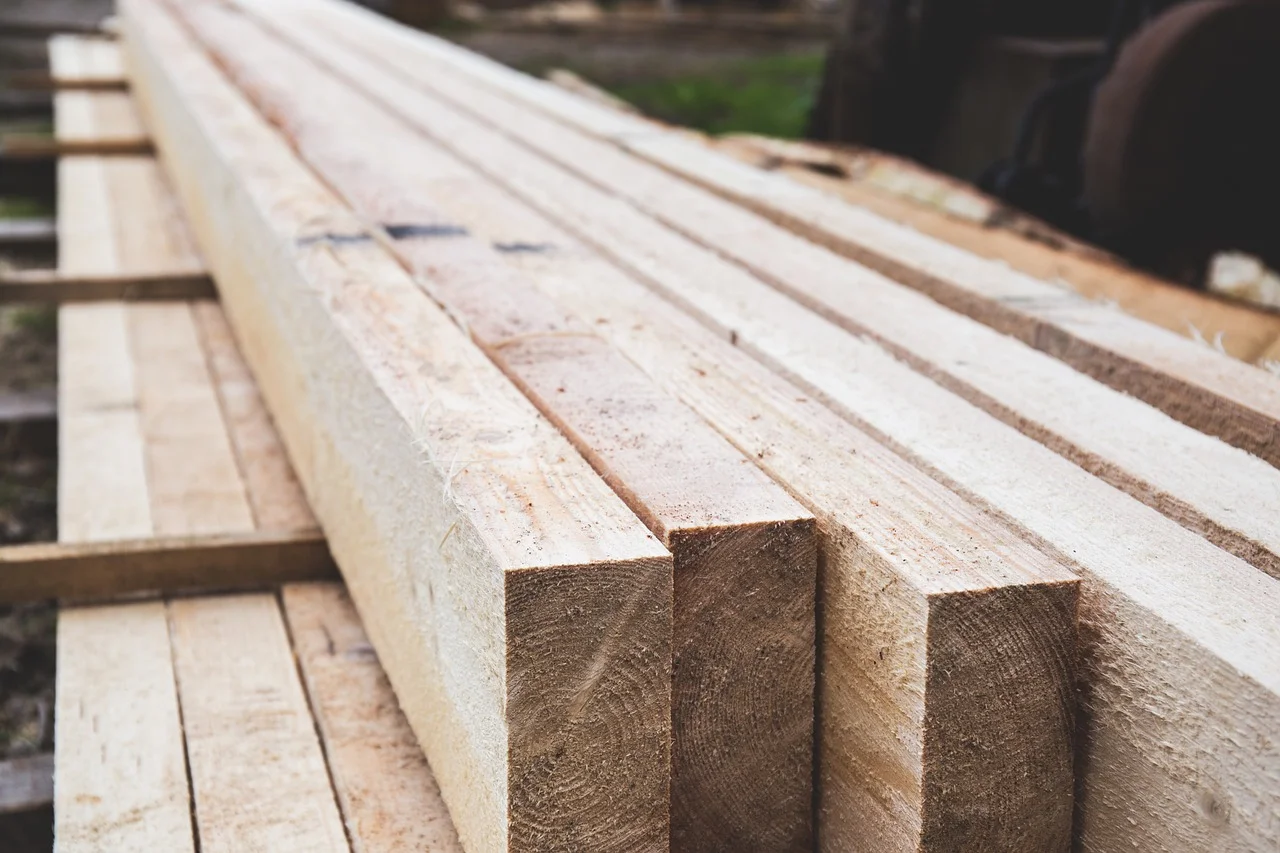
“White wood” at Lowe’s is the store’s name for SPF dimensional lumber – a mixed-species blend of spruce, pine, and fir sold as one interchangeable grade of construction-grade softwood. It is not a species of its own, and it is not the same thing as clear pine boards sold in the hardwood/specialty aisle. This guide covers exactly what Lowe’s stocks under that name, the grades and sizes you’ll actually find on the shelf, how it stacks up against pine, and how to pick good boards before you load them in the cart.
What “White Wood” Means When You See It at Lowe’s
Walk into the lumber aisle at Lowe’s and you’ll see bundles labeled simply “Whitewood.” That label refers to SPF lumber — Spruce, Pine, and Fir milled and graded together because the three species are close enough in strength, weight, and appearance that building codes treat them as equals. A single bundle can contain boards from all three species mixed in, which is exactly why the generic name “whitewood” is used instead of calling it out as one specific tree.
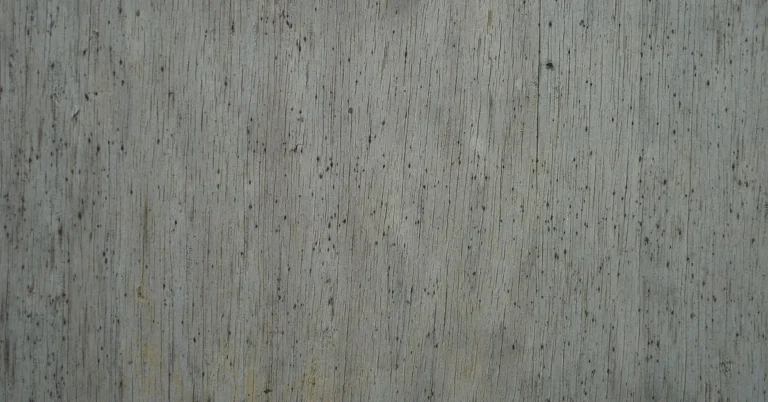
Visually, whitewood is pale — ranging from off-white to light straw — with a straight, tight grain and noticeably fewer of the amber-orange streaks you see in Southern Yellow Pine. It’s kiln-dried at the mill, so the moisture content should already be in the 15–19% range by the time it reaches the store, though boards can pick up humidity again sitting in an outdoor-covered lumber yard.
Best For Checking Kiln-Dried Boards
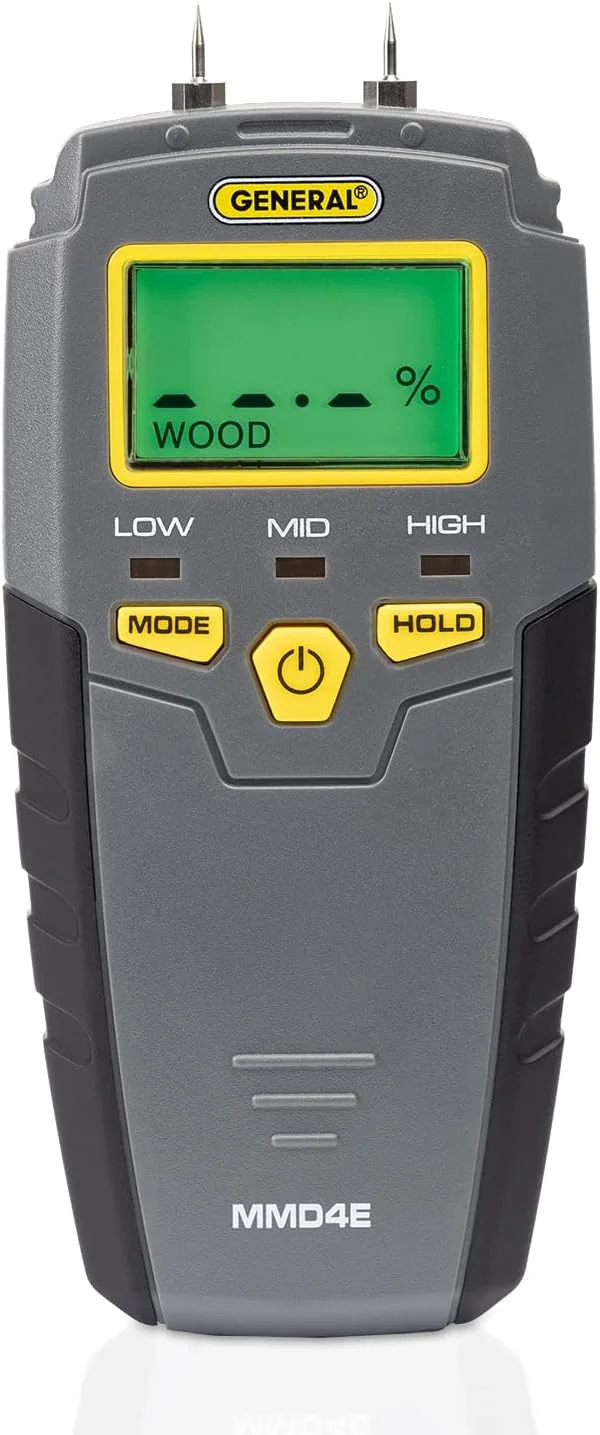 |
General Tools MMD4E Pin-Type Moisture Meter – $39.98 Lowe’s whitewood ships kiln-dried, but it can re-absorb moisture on the lot — this checks a board before you frame or build furniture with it.
|
Grades and Sizes Lowe’s Actually Stocks
Lowe’s doesn’t sell whitewood as one uniform product — it’s stocked in a few different grades and profiles, and the grade stamp on the board tells you which one you’re holding:
| What You’ll See Stamped | What It Means |
|---|---|
| #2 Prime | The standard stud/framing grade most 2×4 and 2×6 whitewood is sold as — allows some tight knots and minor wane but must stay structurally sound. |
| #2 Better | A step up from #2 Prime with fewer and smaller knots; more common on longer boards like 14-ft and 24-ft 2x6s. |
| Whitewood Laminated Strand Lumber (LSL) | An engineered version — strands of whitewood fiber bonded with adhesive under pressure. Straighter and more dimensionally stable than solid-sawn boards, sold in the same aisle for the same sizes. |
Common sizes on the shelf run from 2x4x8 up through 2x10x10 and 2×6 in lengths as long as 24 feet, with the 2x4x10 stud being the highest-volume seller by far. Pricing moves with lumber futures, so treat any number you read online as a ballpark — check the shelf tag or Lowes.com for the current price on the exact length and grade you need rather than assuming last year’s price still holds.
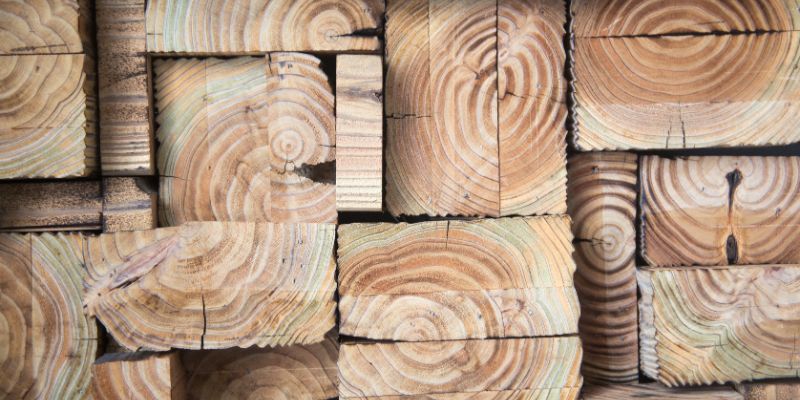
One detail worth knowing before you buy: the laminated strand lumber (LSL) version usually costs more per piece than solid-sawn #2 Prime, but it’s worth the upcharge on anything long enough to be at risk of bowing — a 12-foot header or a long shelf standard, for example — because the engineered fiber structure resists warping in a way a solid board can’t. For short cuts and general framing, solid-sawn #2 Prime is the more economical pick and performs just as well.
How Lowe’s Whitewood Compares to Pine and Southern Yellow Pine
“Whitewood” and “pine” get used interchangeably at the counter, but they’re not the same purchase. True pine boards (the clear, knot-free kind sold for shelving and furniture) are a single species selected for appearance. Whitewood is a mixed-species structural grade selected for strength, not looks — it will have more visible knots and less consistent color from board to board. For the full species-by-species breakdown of what counts as whitewood beyond just what’s at Lowe’s, see our complete guide to whitewood and SPF lumber.
Southern Yellow Pine (SYP) is the other lumber you’ll see stocked next to whitewood at Lowe’s, and it’s a genuinely different product: SYP is denser, stronger per board-foot, and holds up better to ground contact once pressure-treated, but it’s heavier to handle and shows more resin bleed-through under paint. If your project needs maximum load capacity — a deck ledger board or a long floor joist span — SYP is usually the better call; for interior framing, shelving, or furniture where weight and ease of cutting matter more, whitewood is the easier material to work with. We cover the full structural comparison in SYP vs. SPF Lumber.
How to Pick Good Boards in the Lumber Aisle
Whitewood’s low price comes with a tradeoff: quality varies a lot from board to board in the same bundle, so it pays to actually inspect what you’re buying instead of grabbing the top piece.
- Sight down the length. Hold one end at eye level and look down the board’s face and edge — a slight crown is fine and expected, but reject anything with an obvious twist or bow.
- Check the ends for splits. Small surface checks are normal on kiln-dried lumber; a split running more than a few inches into the board means it’s compromised.
- Feel for weight and dampness. A board that feels noticeably heavier or cool/damp compared to others in the same stack has picked up moisture and may cup or twist after you get it home — a pin-type moisture meter (see the pick above) takes the guesswork out of this in a few seconds.
- Look at the grade stamp. It confirms species group (SPF), grade (#2 Prime/Better), and whether it’s kiln-dried (KD) — don’t buy structural lumber with no stamp at all.
- Avoid boards with loose knots. A knot that moves when you press it will eventually fall out and leave a hole.
Best Uses — and What to Avoid
Whitewood is the default choice for interior wall framing, garage shelving, workbenches, and DIY furniture where the wood will be painted or lightly stained. It’s also fine for covered, non-ground-contact outdoor work like a porch ceiling or a covered pergola beam. What it’s not built for is direct ground contact or continuous wet exposure — untreated whitewood decays fast outdoors. For decking posts, sill plates, or anything touching soil or concrete, you need pressure-treated lumber instead, not standard whitewood with a coat of sealant on top.
Maintenance, Finishing, and Preventing Decay
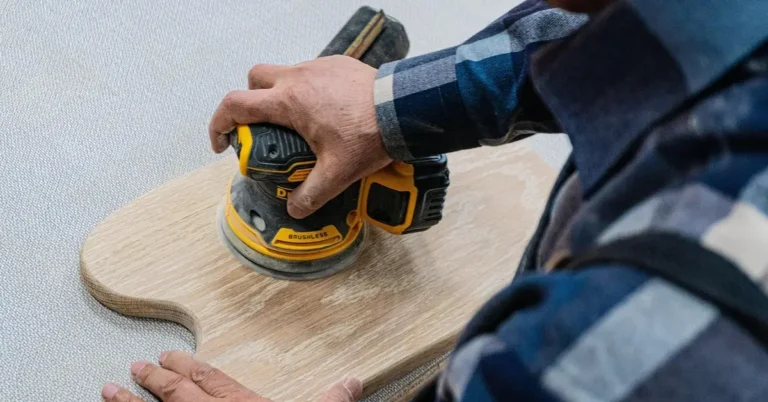
Because whitewood is a softwood with a fairly open, uneven grain, it drinks up stain unevenly and can blotch if you skip prep work. Sand progressively (120 then 220 grit), and apply a pre-stain wood conditioner before staining — skipping this step is the single most common reason a whitewood project comes out looking patchy. For anything staying outdoors even under cover, plan on a UV-rated exterior sealant reapplied every one to two years, since whitewood has almost no natural rot resistance of its own to fall back on.
Indoors, the maintenance is minimal: keep it dry, keep the area ventilated so humidity doesn’t build up against the wood, and check pressure-treated fasteners aren’t in direct contact with bare whitewood in damp areas like basements, where galvanic reaction and trapped moisture can accelerate decay at the joint.
Frequently Asked Questions About White Wood at Lowe’s
What Kind of Wood Is White Wood at Lowe’s?
It’s SPF lumber — a mixed grouping of spruce, pine, and fir sold together as one grade because the three species share similar strength and weight. A single bundle can include boards from more than one of the three species.
Is Whitewood the Same as Pine?
No. Pine is one specific species selected mainly for appearance, while whitewood is a mixed-species structural grade that includes pine along with spruce and fir. Whitewood boards typically show more knots and less color consistency than clear pine.
Can You Use Whitewood Outdoors?
Only in covered, non-ground-contact applications, and only if you seal and maintain it — whitewood has very little natural decay resistance. For decking, posts, or anything touching soil, use pressure-treated lumber instead.
How Much Does Whitewood Cost at Lowe’s?
Whitewood is one of the least expensive dimensional lumber options Lowe’s sells, but exact pricing shifts with the lumber market. Check the current shelf tag or Lowes.com for the specific size and grade — a price quoted online today can be out of date within weeks.
Conclusion
“White wood” at Lowe’s is shorthand for kiln-dried SPF dimensional lumber — an affordable, easy-to-cut mix of spruce, pine, and fir suited to interior framing, shelving, and DIY furniture, but not to ground contact or unprotected outdoor use. Check the grade stamp, sight down every board before it goes in your cart, and reach for pressure-treated or Southern Yellow Pine instead when a project calls for real outdoor durability.
Sponsored / affiliate links. As an Amazon Associate I earn from qualifying purchases. I may earn additional commission from eligible campaigns.