Vinyl vs. Laminate Flooring: Key Differences Unveiled
Vinyl and laminate flooring differ in material composition and performance. Vinyl is made of synthetic materials, offering better durability and moisture resistance, while laminate consists of wood byproducts, providing a warmer feel but with limited moisture resistance.
Both options have similar costs, but premium vinyl offers superior quality and value due to its stability, easy maintenance, and climate resistance. On the other hand, laminate is suitable for light traffic areas and low moisture applications. When choosing between the two, consider the specific needs and conditions of the space to make the best decision for your flooring.
Introduction To Flooring Choices
Vinyl and laminate flooring are two popular choices for homeowners. While they may look similar, there are some key differences. Vinyl is more durable, water-resistant, and easy to maintain, while laminate is restricted to light traffic and low moisture applications.
In terms of quality and value, premium vinyl flooring is the better choice.
Brief History
Flooring has come a long way from the days of dirt floors and straw mats. In fact, flooring options have expanded so much that it can be overwhelming to choose the best option for your home. Two popular options are vinyl and laminate flooring. Both of these options are relatively new to the flooring world, with vinyl flooring first introduced in the 1930s and laminate flooring in the 1970s.
Current Trends
Currently, vinyl and laminate flooring are popular choices for homeowners due to their durability and affordability. Luxury vinyl flooring (LVP) is a newer type of vinyl flooring that has become increasingly popular due to its realistic wood and stone looks. Laminate flooring also offers realistic wood looks, but it is made of fiberboard with a photographic layer on top, whereas vinyl is made of PVC.
When it comes to installation, both vinyl and laminate flooring can be installed as floating floors, which means they are not glued or nailed down to the subfloor. This makes them both easy to install, especially for DIYers.
In terms of maintenance, vinyl and laminate flooring are both low maintenance options that can be easily cleaned with a damp mop or vacuum. However, laminate flooring can be more sensitive to moisture and should not be installed in high moisture areas such as bathrooms or kitchens.
Overall, the choice between vinyl and laminate flooring comes down to personal preference and the specific needs of your home. With their similar cost and appearance, it’s important to weigh the pros and cons of each option before making a decision.
Composition And Material
Vinyl flooring is made of 100% plastic, while laminate flooring is a hybrid product with a wood base. Vinyl is water-resistant and suitable for high-moisture areas, while laminate is more susceptible to water damage. Additionally, vinyl offers a softer feel underfoot, while laminate tends to be colder and harder.
Vinyl Flooring Basics
Vinyl flooring is a popular choice for homeowners due to its durability and versatility. It is made from a synthetic material called polyvinyl chloride (PVC), which is a type of plastic. This composition makes vinyl flooring highly resistant to moisture, making it suitable for areas such as kitchens, bathrooms, and basements.
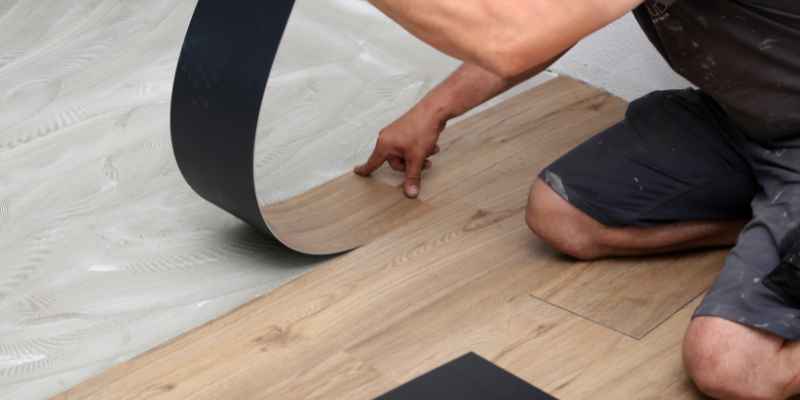
One of the key advantages of vinyl flooring is its ease of installation. It can be installed in various ways, including glue-down, click-lock, or loose lay methods. This makes it a convenient option for both DIY enthusiasts and professional installers.
Vinyl flooring is available in a wide range of designs and styles, including realistic wood and stone patterns. It can mimic the look of natural materials at a fraction of the cost, making it an affordable alternative for those on a budget.
Laminate Flooring Essentials
Laminate flooring, on the other hand, is composed of multiple layers of synthetic materials fused together. The top layer is a clear protective wear layer, followed by a high-resolution image layer that replicates the appearance of wood, stone, or tile. Beneath these layers is a dense fiberboard core, which provides stability and strength.
Like vinyl flooring, laminate is also known for its durability and resistance to moisture. However, laminate is more susceptible to water damage compared to vinyl, especially in areas with high humidity or potential for water spills.
Laminate flooring is typically installed using a click-lock system, which allows for easy installation and removal. This makes it a popular choice for those who want a flooring option that can be easily changed or replaced in the future.
When it comes to aesthetics, laminate flooring offers a wide range of styles and designs, including realistic wood grain textures. It provides a cost-effective way to achieve the look of hardwood without the high price tag.
In summary, while both vinyl and laminate flooring offer durability and affordability, they differ in terms of composition and material. Vinyl is made of PVC, making it highly resistant to moisture and easy to install, while laminate consists of multiple layers fused together, providing a realistic look at a lower cost. Understanding these differences can help you make an informed decision when choosing the right flooring option for your home.
Installation Process
When it comes to installing flooring, both vinyl and laminate offer their unique advantages and considerations. Let’s explore the installation process of these two popular flooring options:
Ease Of Installation
Both vinyl and laminate flooring are known for their relatively easy installation process. However, there are some differences to consider.
Installing vinyl flooring is often simpler and more straightforward. Vinyl planks or tiles are usually designed to interlock or have a peel-and-stick backing, making it easy for even DIY enthusiasts to install. This type of installation typically does not require any specialized tools or adhesives, resulting in a quicker and hassle-free process.
Laminate flooring, on the other hand, may require a bit more effort during installation. Laminate planks typically use a click-lock system, which requires more precision and attention to detail. Additionally, laminate flooring often requires an underlayment for proper installation, which adds an extra step to the process. However, with the right tools and a bit of patience, laminate flooring can still be installed by homeowners.
Tools Required
When it comes to the tools required for installation, both vinyl and laminate flooring have their specific needs.
For vinyl flooring installation, you will typically need:
- Utility knife
- Straight edge or ruler
- Tape measure
- Pencil or marker
- Roller or hand roller
- Optional: heat gun or hairdryer (for easier manipulation of vinyl planks/tiles)
On the other hand, laminate flooring installation usually requires the following tools:
- Power saw or miter saw
- Tapping block
- Pull bar
- Spacers
- Tape measure
- Pencil or marker
- Optional: underlayment installation tools (such as a utility knife or staple gun)
It’s important to have the necessary tools on hand before starting the installation process to ensure a smooth and efficient experience.
In conclusion, while both vinyl and laminate flooring offer relatively easy installation processes, vinyl flooring tends to be simpler and more beginner-friendly. However, with the right tools and preparation, laminate flooring can also be successfully installed by homeowners.
Cost Comparison
Vinyl and laminate flooring differ in several aspects, including cost. While their prices are similar, premium vinyl offers better quality and value with its durability, moisture resistance, and easy maintenance. In contrast, laminate is suitable for light traffic and low moisture areas, lacking the stability and resilience of vinyl.
When it comes to choosing between vinyl and laminate flooring, one important factor to consider is the cost. Both options have their own upfront costs and long-term value. Let’s take a closer look at the cost comparison.
Upfront Costs
When it comes to upfront costs, laminate flooring is generally more affordable than vinyl flooring. Laminate flooring is made from composite wood materials, which makes it less expensive to produce. On the other hand, vinyl flooring is made from synthetic materials, which can make it slightly pricier.
However, it’s important to note that the cost of both vinyl and laminate flooring can vary depending on factors such as brand, quality, and installation requirements. It’s always a good idea to compare prices from different suppliers and consider any additional costs such as underlayment, adhesive, and installation fees.
Long-term Value
While the upfront costs may favor laminate flooring, the long-term value of premium vinyl flooring surpasses that of laminate. Premium vinyl flooring offers superior quality and durability compared to laminate. It is highly resistant to moisture and climate changes, making it suitable for high-moisture areas such as bathrooms and kitchens.
Additionally, premium vinyl flooring is easy to install and maintain, saving you both time and money in the long run. Unlike laminate, which is restricted to light traffic and low moisture areas, vinyl flooring can withstand heavy foot traffic and is more versatile in terms of application.
Another aspect to consider is the lifespan of the flooring. While laminate flooring has a relatively shorter lifespan compared to wood floors, premium vinyl flooring can last for many years with proper care and maintenance.
In conclusion, while laminate flooring may have a lower upfront cost, the long-term value and durability of premium vinyl flooring make it a more worthwhile investment. Its resistance to moisture, easy installation, and ability to withstand heavy foot traffic make it a practical choice for any room in your home.
Durability And Maintenance
Vinyl flooring is known for its durability and low maintenance, making it a great choice for high-traffic areas and moisture-prone spaces. On the other hand, laminate flooring offers easy maintenance and is suitable for light traffic areas, but may not be as durable as vinyl in the long run.
Durability and Maintenance are important factors to consider when choosing between vinyl and laminate flooring. When it comes to Life Expectancy, premium vinyl flooring outlasts laminate due to its durability and stability. Vinyl is resistant to moisture and climate, making it suitable for high traffic areas and areas with higher moisture levels. Laminate, on the other hand, is restricted to light traffic and low moisture applications, and has a shorter lifespan than vinyl and wood floors.
Cleaning and Care is also a crucial aspect to consider. Vinyl flooring is easy to clean and maintain, requiring only regular sweeping and occasional mopping. Laminate flooring, on the other hand, is more susceptible to water damage and requires special cleaning products to avoid warping or swelling. It is important to avoid excessive water when cleaning laminate floors, as it can cause damage to the flooring and the subfloor underneath.
Overall, when it comes to durability and maintenance, premium vinyl flooring outperforms laminate flooring. Vinyl is more durable, stable, and resistant to moisture, making it suitable for high traffic areas and areas with higher moisture levels. It is also easy to clean and maintain. While laminate is a good option for low traffic areas and low moisture applications, it has a shorter lifespan and requires special care to avoid water damage. When choosing between vinyl and laminate flooring, consider the specific needs of your space and choose the option that best fits those needs.
Aesthetic And Design
When considering aesthetic and design, it’s essential to understand the difference between vinyl and laminate flooring. While both offer a range of styles and colors, vinyl flooring is more durable and moisture-resistant, making it suitable for high-traffic areas, while laminate flooring is ideal for low-moisture applications and light foot traffic.
Aesthetic and Design are key factors to consider when choosing between vinyl and laminate flooring. While both types of flooring offer a wide range of design options, there are some differences in appearance and style variations.
Appearance:
Vinyl flooring is known for its ability to mimic the look of natural materials like hardwood, stone, and tile. It comes in a variety of colors and patterns to match any decor style. Laminate flooring, on the other hand, is designed to look like hardwood or tile but without the high cost. It also comes in a wide range of colors and patterns to suit any taste.
Style Variations:
When it comes to style variations, vinyl flooring offers a bit more flexibility. It can be installed as tiles, planks, or sheets, and can be cut to fit any space. Laminate flooring typically comes in planks or tiles that are installed using a click-and-lock system. While both types of flooring offer a variety of options, vinyl flooring provides more versatility in terms of style and installation.
In conclusion, when deciding between vinyl and laminate flooring, it’s important to consider the aesthetic and design factors that will best suit your needs and preferences. While both options offer a range of design choices, vinyl flooring provides more flexibility and versatility in terms of appearance and installation.
Environmental Impact
Vinyl and laminate flooring differ in their environmental impact. Vinyl is made from PVC, a type of plastic that can release harmful chemicals. Laminate, on the other hand, is mostly composed of wood byproducts, making it a greener and more eco-friendly option.
Sustainability
When it comes to the environmental impact, both vinyl and laminate flooring have their own sustainability factors to consider. Let’s take a closer look at each material to understand their eco-friendliness.
Recyclability
In terms of recyclability, laminate flooring has an advantage over vinyl. Laminate is made up of layers of compressed wood fibers, which can be recycled and repurposed. On the other hand, vinyl flooring is primarily made from PVC (polyvinyl chloride), a synthetic material that is not easily recyclable.
While laminate flooring can be recycled, it’s important to note that the process requires specialized facilities and may not be available in all areas. Additionally, not all laminates are created equal, and some may contain adhesives or coatings that make recycling more challenging.
Eco-friendly Features
When it comes to eco-friendly features, vinyl flooring has made significant advancements in recent years. Many manufacturers now offer vinyl products that are free from harmful chemicals such as phthalates and formaldehyde. These low-VOC (volatile organic compound) options contribute to improved indoor air quality and a healthier living environment.
Moreover, vinyl flooring is known for its durability, which can extend its lifespan and reduce the need for replacement. This longevity helps to minimize waste and conserve resources in the long run.
Sustainable Alternatives
If sustainability is a top priority for you, there are alternative flooring options worth considering. For instance, you may explore natural materials such as bamboo or cork flooring, which are renewable resources and have a lower environmental impact. Additionally, reclaimed wood flooring provides a unique and eco-friendly option by repurposing old wood materials.
In conclusion, while both vinyl and laminate flooring have their own environmental considerations, laminate tends to be more recyclable, while vinyl has made strides in terms of low-VOC options and durability. Ultimately, the choice between the two will depend on your specific needs, budget, and sustainability preferences.
Health And Safety Considerations
When it comes to choosing flooring for your home or office, health and safety considerations should be a top priority. Both vinyl and laminate flooring options have their own unique qualities that affect indoor air quality and allergen sensitivity. Understanding these factors can help you make an informed decision for your space.
Indoor Air Quality
Indoor air quality is an essential aspect to consider when selecting flooring materials. Vinyl flooring is known for its low VOC (Volatile Organic Compounds) emissions, making it a safer choice for indoor air quality. On the other hand, laminate flooring may contain formaldehyde, which can emit harmful gases over time. It is crucial to choose laminate flooring that meets strict emissions standards to ensure a healthier indoor environment.
Allergy-friendly Options
For individuals with allergies or sensitivities, finding flooring that minimizes allergens is crucial. Vinyl flooring is a popular choice for allergy sufferers as it is resistant to dust mites and mold growth. It also has a smooth surface that is easy to clean, reducing the accumulation of allergens. Laminate flooring, although not inherently allergen-resistant, can be made more allergy-friendly with the use of hypoallergenic underlayment and regular cleaning.
Considering these health and safety considerations, it is important to weigh the pros and cons of vinyl and laminate flooring options. While vinyl flooring offers better indoor air quality and allergen resistance, laminate flooring can be made more allergy-friendly with extra precautions. Ultimately, the choice depends on your specific needs, budget, and preferences.
Choosing The Right Flooring For Your Home
When selecting flooring for your home, it’s important to understand the difference between vinyl and laminate options. Vinyl flooring is known for its water resistance and durability, making it suitable for high-traffic areas. On the other hand, laminate flooring offers a warmer and slightly softer feel due to its wood composition, making it ideal for cozy spaces like bedrooms and living rooms.
Considerations
When it comes to choosing the right flooring for your home, there are several important considerations to keep in mind. Let’s take a closer look at the key factors you should consider when deciding between vinyl and laminate flooring.
1. Durability: Both vinyl and laminate flooring are known for their durability, but there are some differences to note. Vinyl flooring is highly resistant to scratches, stains, and moisture, making it a great choice for high-traffic areas and spaces prone to spills. Laminate flooring is also durable, but it may not be as resistant to moisture and may be more susceptible to scratches.
2. Installation: The ease of installation is another factor to consider. Vinyl flooring often comes in the form of click-lock planks or tiles that can be easily installed without the need for glue or nails. On the other hand, laminate flooring usually requires a bit more effort to install, as it often involves gluing or nailing the planks together.
3. Maintenance: When it comes to maintenance, both vinyl and laminate flooring are relatively easy to clean and maintain. Vinyl flooring can be swept, vacuumed, or mopped with a damp cloth, while laminate flooring can be cleaned with a dry mop or a slightly damp cloth. However, it’s important to note that excessive moisture can damage laminate flooring, so it’s best to avoid using excessive water when cleaning.
4. Style and Appearance: Vinyl and laminate flooring offer a wide range of styles, colors, and patterns to choose from, allowing you to find the perfect match for your home decor. Vinyl flooring can mimic the look of hardwood, stone, or tile, while laminate flooring often replicates the appearance of hardwood. Consider the overall aesthetic you want to achieve and choose the flooring that best complements your style.
Final Recommendations
In conclusion, both vinyl and laminate flooring have their own advantages and considerations. If you’re looking for a highly durable and waterproof option that is easy to install and maintain, vinyl flooring may be the best choice for you. On the other hand, if you prefer the look and feel of hardwood and are willing to take extra precautions to prevent moisture damage, laminate flooring could be the right option. Ultimately, the decision comes down to your personal preferences, budget, and the specific needs of your home.
Whether you choose vinyl or laminate flooring, it’s important to select a reputable manufacturer and ensure proper installation for long-lasting results. Take the time to compare different options, consider your lifestyle and home requirements, and make an informed decision that will enhance the beauty and functionality of your space.
Frequently Asked Questions
Which Is Better, Laminate Flooring Or Vinyl?
While both laminate flooring and vinyl have similar costs, premium vinyl offers greater quality and value. It is durable, stable, moisture-resistant, and easy to maintain. Laminate is best suited for low traffic and low moisture areas. Additionally, vinyl is less toxic than laminate as it is primarily made from natural materials.
What Are The Disadvantages Of Vinyl Plank Flooring?
Vinyl plank flooring has a few disadvantages. It cannot be repaired and may emit volatile organic compounds. It also has a shorter lifespan compared to wood floors. Removing vinyl plank flooring can be difficult, especially if adhesive was used during installation.
Additionally, it is not eco-friendly and can be challenging to recycle.
Which Floor Is Warmer Vinyl Or Laminate?
Laminate flooring is warmer than vinyl as it is thicker and contains wood, giving it a softer and warmer feel. Vinyl, on the other hand, tends to be cold and hard to the touch, making it less suitable for cozy spaces like bedrooms and living rooms.
Which Is Less Toxic, Laminate Or Vinyl?
Laminate flooring is less toxic than vinyl because it is primarily made from wood byproducts, which are natural and renewable. Vinyl flooring, on the other hand, is made from petrochemicals and chlorides, which are toxic substances. Laminate is also more durable, stable, resistant to moisture, and easier to install and maintain compared to vinyl.
Conclusion
Both vinyl and laminate flooring have their unique benefits and drawbacks. While laminate offers a warmer feel and a renewable resource, vinyl excels in durability, moisture resistance, and ease of maintenance. Understanding these differences can help you make an informed decision when choosing the best flooring option for your specific needs.