Where Are the Seeds on a Japanese Maple Tree?
Many plant lovers wonder, Where Are the Seeds on a Japanese Maple Tree? It’s a common question, especially for those new to growing these beautiful trees. Sometimes the seeds are hidden, or they don’t look like what you expect. Don’t worry!
This guide will make it simple. We’ll show you exactly where to find them. Get ready to learn about the fascinating seeds of your Japanese maple.
Understanding Japanese Maple Seeds
This section explains what Japanese maple seeds look like and where they come from on the tree. We will cover the typical appearance of these seeds, their biological function, and the timing of their development. Understanding the basic structure and life cycle of the seeds will help you find them more easily.
What Do Japanese Maple Seeds Look Like
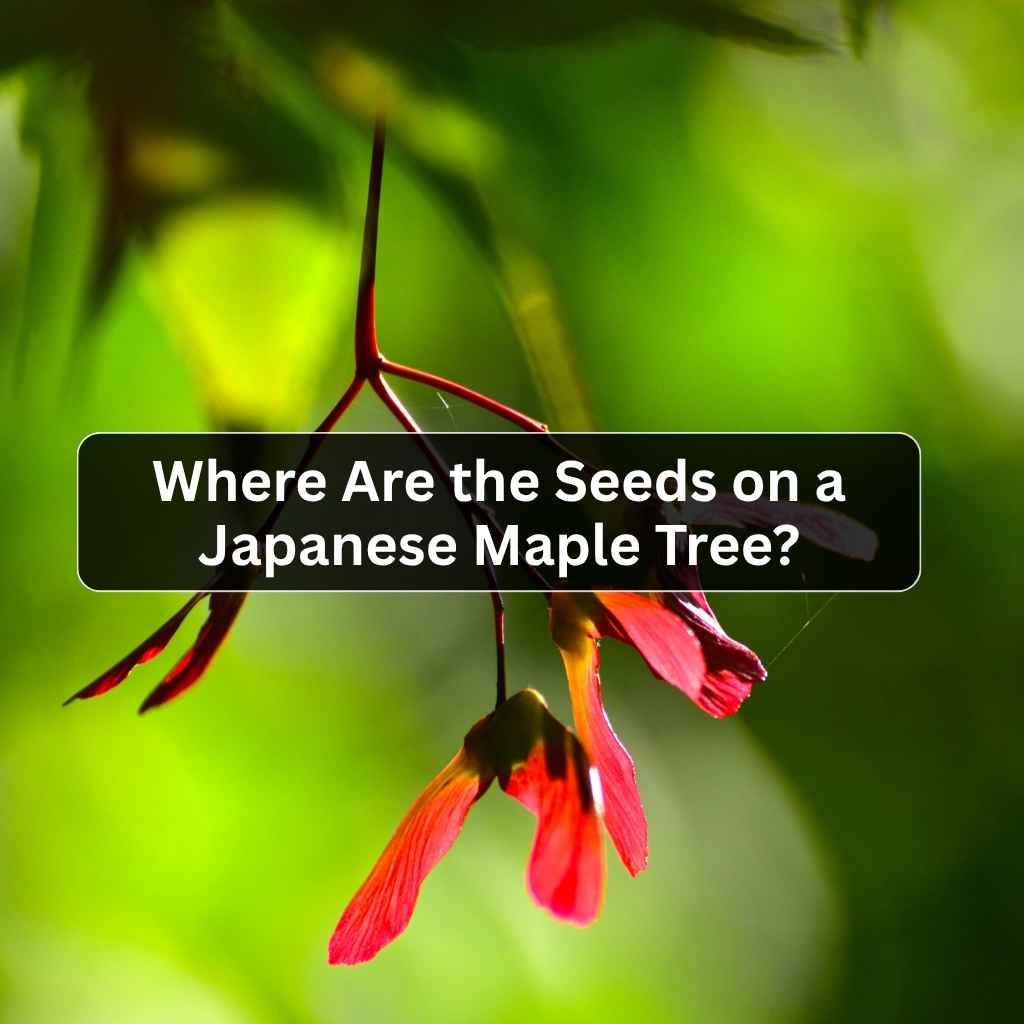
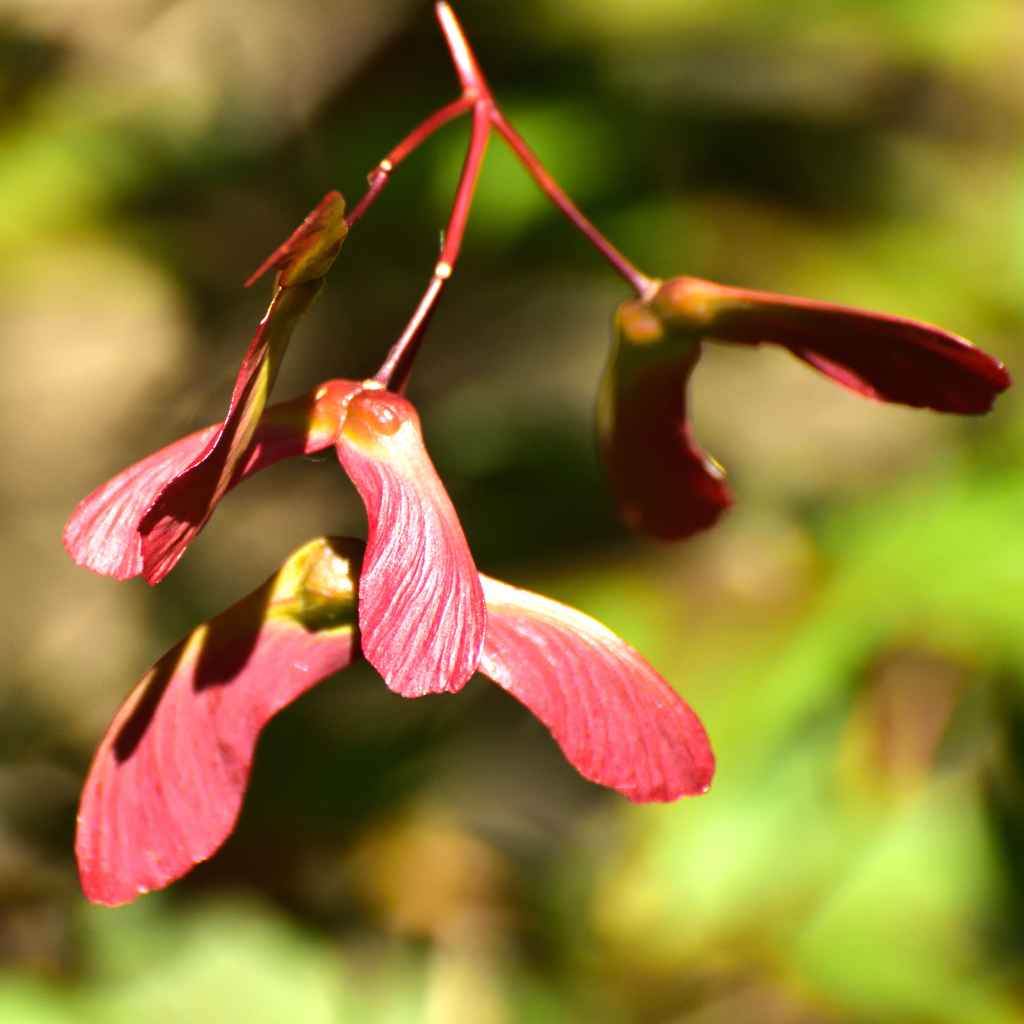
Japanese maple seeds are quite distinctive. They don’t look like typical round seeds you might find in a packet from a garden store. Instead, they are a type of fruit called a samara.
Samaras are winged seeds. This wing helps them spin through the air when they fall from the tree. This spinning action allows them to travel farther away from the parent tree.
This is how the tree spreads to new areas.
Each samara usually has one or two seeds inside. The seeds themselves are small and hard. They are often housed in a papery casing attached to the wing.
The color of the samaras can vary. They might be green when they are young and still developing on the tree. As they mature and dry out, they often turn shades of brown or tan.
Sometimes, only one seed develops within a samara. The other side might be shriveled or empty. This is a normal occurrence and does not mean the seed is not viable.
The overall shape is often described as helicopter seeds. This is because of the way they spin and twirl as they descend.
The Biological Role of Maple Samaras
Maple samaras play a critical role in the reproduction of Japanese maple trees. Their unique design is a marvel of natural engineering.
The primary purpose of the samara is seed dispersal. The wing acts like a propeller. When a gust of wind blows through the tree, it catches these wings.
The samaras then detach and spin downwards.
This spinning motion slows their fall. It also allows them to be carried by the wind over greater distances. This is crucial for the survival of the species.
It helps prevent seedlings from competing too closely with the parent tree for resources like sunlight, water, and nutrients.
Inside the samara, the actual seed is a small, hard kernel. This kernel contains the embryo. The embryo is the baby plant waiting to grow.
It also contains stored food reserves to nourish the embryo when conditions are right for germination.
The papery wing surrounding the seed is not just for show. It is an extension of the seed coat and fruit wall. It is essential for generating lift and drag as the samara falls.
The production of samaras is also an indicator of the tree’s health and maturity. A healthy, established Japanese maple will produce a good crop of seeds each year.
When Do Japanese Maple Seeds Appear
The timing of when Japanese maple seeds appear is tied to the tree’s natural life cycle. They usually develop after the tree has flowered.
Japanese maples typically bloom in the spring. The flowers are usually small and not very showy, often greenish or reddish. After pollination, the flowers begin to develop into the samaras.
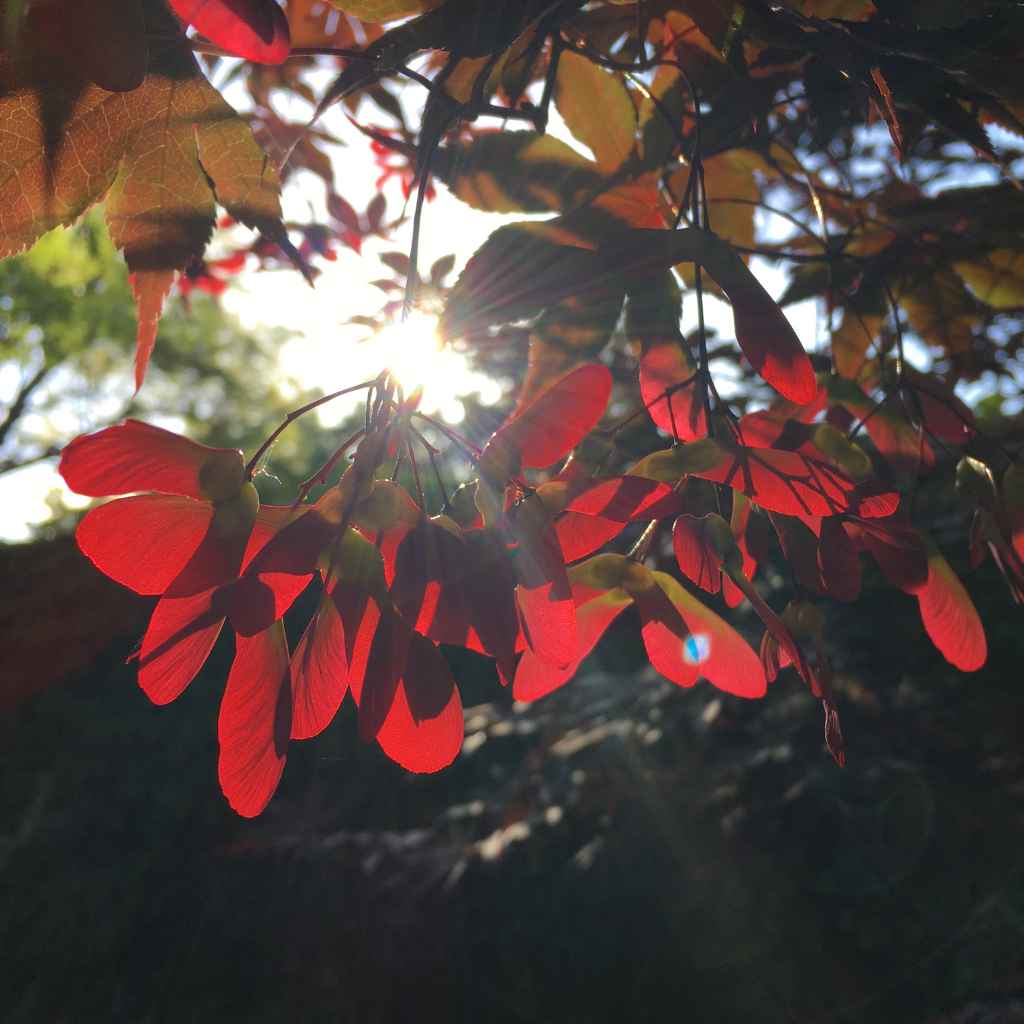
You will first notice small, developing samaras forming in clusters among the leaves. Initially, these will be green and soft. They grow larger throughout the summer months.
The seeds are generally mature and ready to be dispersed in the fall. This is usually around September, October, or even into November, depending on your climate and the specific variety of Japanese maple.
As they mature, their color will change from green to shades of tan, brown, or reddish-brown. The papery wings will dry out, making them ready to detach and fly.
If you are looking for seeds to collect, the best time is in the fall, just before or as they begin to fall naturally. You might also find them on the ground beneath the tree after a windy day.
It’s important to note that not every Japanese maple will produce seeds every year. Factors like weather conditions and the tree’s overall health can affect seed production.
Finding the Seeds on Your Japanese Maple
Now that you know what to look for, let’s get practical. This section will guide you step-by-step to locate the seeds on your Japanese maple tree. We’ll cover the specific locations on the tree and what to do if you can’t see them right away.
Locating Samaras on the Branches
The first step in finding Japanese maple seeds is to know where to look on the tree itself. They don’t grow on the tips of branches or in the flowers for long.
Once the Japanese maple tree flowers have been pollinated in the spring, you’ll start to see the young seed structures forming. These usually emerge from the base of the spent flower clusters.
Look closely at where the flowers were. You will see tiny, paired wing-like structures beginning to form. These are the developing samaras.
They grow in clusters, often hanging downwards from the branches. The clusters can be quite dense, especially on a healthy tree.
As the samaras mature through the summer, they will grow larger. Their color will change from green to a more muted tan or brown. The wings will become more prominent.
You might need to get a bit closer to the tree to see them clearly. Gently move aside some of the leaves. The samaras are often found nestled within the foliage, particularly where the branches spread out.
Don’t expect to see large, obvious fruits. They are delicate and relatively small structures, even when fully grown. They are part of the tree’s natural seed dispersal system.
Checking the Ground for Fallen Seeds
If looking directly on the tree is proving difficult, the ground beneath your Japanese maple can be a treasure trove. This is often the easiest way to collect seeds.
In the fall, typically late September through November, the mature samaras will start to detach from the tree. Wind is a major factor in this process.
Go for a walk under your Japanese maple after a breezy day. You will likely find many samaras scattered on the ground. They might be mixed in with fallen leaves.
Rake gently or use your hands to gather them. Look for the characteristic winged shapes. They will be dry and brittle at this stage.
You can also check on top of nearby bushes or on your lawn. The wind can carry them surprisingly far from the parent tree.
Collecting from the ground means you are gathering seeds that are already mature and ready for collection. This saves you the step of waiting for them to dry out on the tree.
Be aware that birds and squirrels might also be interested in these seeds. So, it’s a good idea to collect them as soon as you see them appearing on the ground.
What If You Can’t Find Any Seeds
It’s possible that you might not find seeds on your Japanese maple, even when you expect them. Several reasons could explain this.
Firstly, the tree might be too young to produce seeds. Japanese maples often need to reach a certain age before they start flowering and setting fruit. This can vary, but typically it’s several years after planting.
Secondly, weather conditions play a significant role. A very late frost in spring can damage the delicate flowers, preventing them from developing into seeds. Extremely hot or dry weather during the summer can also affect seed development.
Sometimes, a specific Japanese maple variety might be a male or female plant. However, most Japanese maples are monoecious, meaning they have both male and female parts on the same tree, and are capable of self-pollination. But cross-pollination with another Japanese maple nearby can sometimes lead to better seed set.
It is also possible that the tree is simply not a heavy producer in a given year. Seed production can be cyclical. Some years are abundant, and others are sparse.
If you are concerned, observe your tree over several seasons. Look for the small flowers in spring. This is the first sign that seed development might occur.
If your tree is healthy and mature but still not producing seeds, it’s worth consulting with a local nursery or arborist. They might be able to offer specific advice for your tree and region.
Collecting and Storing Japanese Maple Seeds
Once you’ve found the seeds, the next step is to know how to properly collect and store them if you wish to plant them later. This section covers best practices for seed collection and preparation for germination.
Best Practices for Seed Collection
Collecting Japanese maple seeds requires a bit of care to ensure they remain viable. The goal is to gather them at the right time and handle them gently.
The ideal time to collect seeds is in the fall, as they mature. You are looking for samaras that have dried and are starting to detach from the tree. They will have lost their green color and typically be brown or tan.
If collecting directly from the tree, try to gather them when they are loose and appear ready to fall. Avoid pulling them off forcefully, as this could damage them or the tree.
If collecting from the ground, gather them as soon as possible after they fall. This prevents them from getting too wet from rain or being eaten by animals.
Gently remove any remaining leaf debris or other organic matter from the samaras. You don’t need to wash them vigorously.
Separate the good samaras from any that appear damaged, moldy, or are still very green and soft. Only collect those that look healthy.
It’s a good idea to collect more seeds than you think you’ll need. Not all seeds will be viable, and some might not germinate successfully.
Place your collected seeds in a breathable container, like a paper bag or a mesh pouch. This allows air to circulate and prevents moisture buildup, which can lead to mold.
Preparing Seeds for Storage
Proper preparation is key to successfully storing Japanese maple seeds. This usually involves a process called stratification, which mimics natural winter conditions.
After collecting the samaras, you need to allow them to dry out a bit more if they are still slightly moist. Spread them out in a single layer on a tray or newspaper in a cool, dry, well-ventilated area for a few days.
Once they are thoroughly dry, you can store them. Many gardeners prefer to remove the seed from the wing. You can carefully break or cut off the wing.
The actual seed is the small, hard kernel inside.
However, many people find it easier to store the whole samara. This is perfectly acceptable for Japanese maple seeds.
For storage, place the dried samaras in a sealed container. Small plastic bags or glass jars work well. Label the container with the type of maple and the date of collection.
Store these containers in a cool, dark place. A refrigerator is often the best option for long-term storage. The cool temperature helps keep the seeds dormant.
Some sources suggest lightly dampening the storage medium to simulate winter conditions for stratification. This might involve mixing the seeds with a bit of slightly moist sand or peat moss before sealing them in a bag.
The stratification process is important because Japanese maple seeds are often dormant. They need a period of cold, moist conditions to break this dormancy and prepare them for germination.
Storage Methods and Longevity
Storing Japanese maple seeds correctly can extend their viability significantly. The method you choose will depend on how long you plan to keep them.
For short-term storage (a few months to a year), storing dried samaras in a sealed container in a cool, dark place like a refrigerator is usually sufficient. Ensure the container is airtight to prevent moisture loss or gain.
For longer-term storage, the process of cold stratification is highly recommended. This mimics the natural winter conditions seeds experience outdoors.
To stratify, mix the dried seeds with a medium like slightly damp sand, peat moss, or vermiculite. Then, place this mixture in a sealable plastic bag or container. Do not make the medium soaking wet, just slightly moist to the touch.
Store this container in the refrigerator. The ideal temperature is usually between 35-41 degrees Fahrenheit (1-5 degrees Celsius).
The duration of stratification typically ranges from 90 to 120 days. This period allows the seeds to break their dormancy.
Check the seeds periodically during storage. Look for any signs of mold or drying out. If they seem too dry, you can add a tiny bit more moisture to the stratification medium.
With proper cold stratification and storage, Japanese maple seeds can remain viable for one to two years. However, it’s always best to sow them as soon as possible after the stratification period for the highest germination rates.
If you are not planning to stratify immediately, simply storing the dry seeds in a cool, dark place will keep them dormant, but their viability may decrease faster over time compared to stratified seeds.
Germinating Japanese Maple Seeds
This final section will guide you through the process of germinating the seeds you have collected and stored. We will cover the requirements for germination and common issues.
The Importance of Stratification
Stratification is a critical step for germinating Japanese maple seeds. It is essentially a process that imitates the natural conditions seeds encounter during winter.
Many tree seeds, including those from Japanese maples, have a built-in mechanism called dormancy. This dormancy prevents them from sprouting too early, like in the fall when a cold snap could kill a young seedling. It ensures they wait for the favorable conditions of spring.
Cold stratification involves exposing the seeds to a period of cold, moist conditions. This tells the seed that winter has passed and spring is approaching.
The cold breaks down chemical inhibitors within the seed that keep it dormant. It also helps to soften the seed coat, making it easier for the seedling to emerge when it’s time to grow.
Without proper stratification, the germination rate of Japanese maple seeds can be very low, or they may not germinate at all.
The typical duration for cold stratification for Japanese maples is around 90 to 120 days. This period is essential for successful germination.
Once the stratification period is complete, the seeds are ready to be sown. You will usually notice slight changes in the seeds, perhaps a plumping up, indicating they are ready to sprout.
This process might seem like an extra step, but it significantly increases your chances of successfully growing new Japanese maple trees from seed.
Sowing Your Stratified Seeds
After completing the stratification process, your Japanese maple seeds are ready to be planted. Sowing them correctly is key to encouraging germination.
Choose a good quality seed-starting mix or a light potting soil. This should be well-draining to prevent waterlogging, which can cause seeds to rot.
Fill small pots or seed trays with the soil. Make sure to leave a little space at the top.
Gently sow the stratified seeds on the surface of the soil. You can sow them individually in small pots or sow several in a larger tray. Ensure they are not too crowded.
Cover the seeds lightly with a thin layer of the same soil mix. A general rule is to cover them to about the depth of the seed itself. For samaras, this is usually very shallow.
Water the soil gently but thoroughly. You can use a spray bottle to avoid disturbing the seeds. The soil should be moist but not soggy.
Place the pots or trays in a location that receives bright, indirect light. Avoid direct sunlight, which can scorch the young seedlings.
Keep the soil consistently moist. You might want to cover the pots or trays with a clear plastic dome or plastic wrap to help maintain humidity. Remove this cover once you see the first signs of germination.
Germination can take time. Japanese maple seedlings might take anywhere from a few weeks to several months to emerge after sowing. Be patient.
Common Challenges and Solutions
Even with careful preparation, growing Japanese maples from seed can present a few challenges. Knowing these can help you overcome them.
One common issue is low germination rates. This can happen if the stratification was not long enough, the seeds were not viable, or the storage conditions were not ideal. Ensure you have followed the stratification guidelines closely and used healthy-looking seeds.
Rotting seeds or seedlings are another problem. This is usually caused by overwatering or poor drainage. Make sure your soil mix is well-draining and avoid letting the pots sit in standing water.
A fungicide can sometimes help prevent rot, but good hygiene and watering practices are the best defense.
Algae or mold growth on the soil surface can occur in humid conditions. While often harmless, it can hinder seedling emergence. Ensure good air circulation and avoid keeping the soil overly wet.
Young seedlings are very delicate. They can be susceptible to damping-off disease, a fungal issue that causes them to wilt and collapse at the soil line. Proper watering, good air flow, and clean soil help prevent this.
Pests like fungus gnats can sometimes be a problem. They are attracted to moist soil. Allowing the top layer of soil to dry out slightly between waterings can help deter them.
Patience is key. Some Japanese maple seeds take a long time to germinate. If you don’t see sprouts immediately, don’t give up.
Continue to provide the right conditions, and many will eventually emerge.
Frequently Asked Questions
Question: What is the best time of year to collect Japanese maple seeds
Answer: The best time to collect Japanese maple seeds is in the fall, typically from September to November, when the samaras have matured, turned brown, and are starting to detach from the tree.
Question: Do I need to remove the wing from the Japanese maple seed
Answer: While you can remove the wing, it is not strictly necessary. Many gardeners find it easier to store and stratify the entire samara (seed with wing).
Question: How long does it take for Japanese maple seeds to germinate
Answer: After stratification and sowing, Japanese maple seeds can take anywhere from a few weeks to several months to germinate, so patience is important.
Question: Can I plant seeds directly from the tree without stratification
Answer: It is generally not recommended to plant Japanese maple seeds directly without stratification. Stratification is crucial for breaking seed dormancy and increasing germination success.
Question: What if my Japanese maple tree is very young
Answer: Young Japanese maple trees may not produce seeds. Seed production typically begins when the tree reaches a mature age, which can vary but is usually after several years.
Summary
Japanese maple seeds are samaras, which are winged fruits. You can find them developing on the branches in late spring and summer, and they mature and fall in the autumn. Collecting them from the ground is often easiest.
Proper storage, including cold stratification, is key for successful germination. Be patient with the process, as growing from seed can take time.