Where to Buy Vinyl Plank Flooring: Stores + Price-by-Mil Guide
Home Depot, Lowe’s, Floor & Decor, and Costco all stock vinyl plank flooring in-store, but online-only sellers like Bestlaminate often beat their per-box price by 15–20% on the same SPC or WPC lines. Buying on price alone backfires if the wear layer is under 12 mil — it shows traffic wear inside two years in a busy kitchen. This guide covers the best places to buy by budget, the mil thickness to demand at each price point, and how to get free samples before you commit.
Where to Buy Vinyl Plank Flooring: Best Stores by Budget
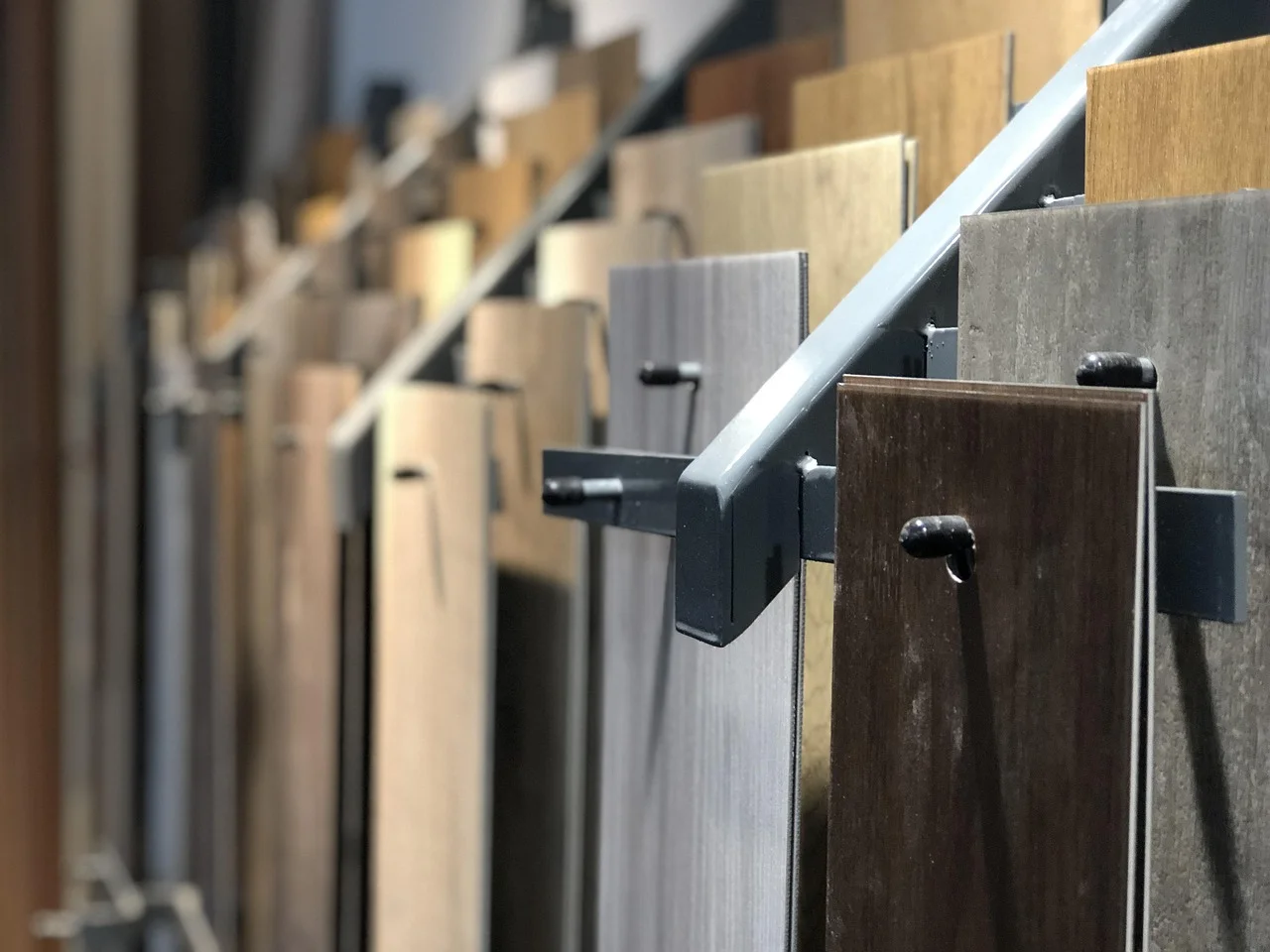
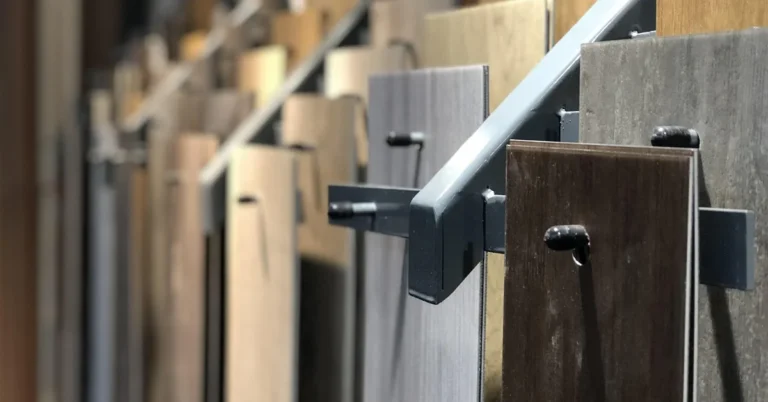
Big-box home improvement stores are the fastest option: Home Depot carries Malibu Wide Plank, Aspen Flooring, and its own Home Decorators Collection line with same-week pickup, and Lowe’s and Floor & Decor stock comparable SPC and WPC ranges with in-store sample walls. Costco periodically runs limited-run vinyl plank pallets at a lower per-box price, but selection rotates and isn’t guaranteed to be in stock when you need a specific match for a repair.
Online specialty retailers like Bestlaminate and Floor & Decor’s own site usually beat big-box pricing on the exact same SPC cores because they skip the in-store overhead, and most ship free samples before you order a full pallet. If you’re replacing a damaged section rather than doing a full room, check our guide to fixing a scratch in vinyl plank flooring first — a repair kit is often cheaper than sourcing a matching plank from a discontinued run.
Return policies differ enough to matter if a color doesn’t match once it’s in your room: Home Depot and Lowe’s both accept unopened-box returns within 90 days with a receipt, Floor & Decor caps most returns at 30 days, and online-only sellers typically charge a restocking fee plus return shipping on a full pallet. Buy one extra box beyond your calculated overage and keep the receipt until the floor is fully installed, rather than returning “extra” boxes early and finding you’re short a plank mid-install.
Best Vinyl Plank Installation Kit Pick
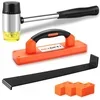 |
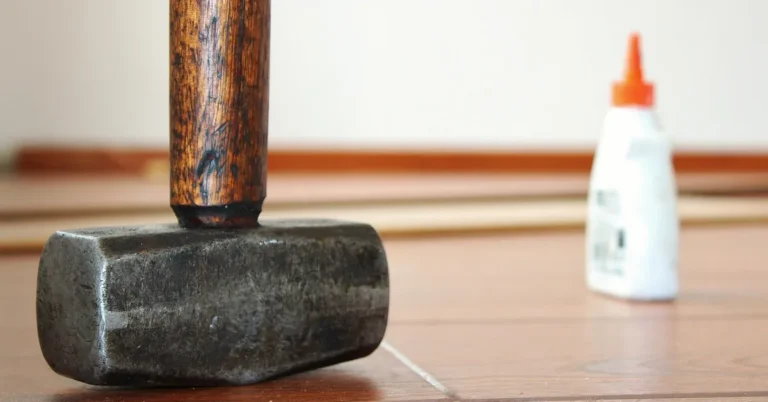
REXBETI Flooring Installation Kit – $20.99 Once you’ve bought the planks, this is the tool kit that actually gets them locked in tight without chipping the click-lock edges.
|
Vinyl Plank Flooring Price by Wear-Layer Mil (What You Should Actually Pay)
Wear layer is the clear protective coating on top of a vinyl plank that resists scratches and dents; it’s measured in mils (thousandths of an inch), not overall plank thickness. A thicker board with a thin wear layer still scuffs fast — the mil rating, not the price tag alone, is what determines how long the floor actually holds up.
| Wear Layer | Price/Sq Ft | Best For |
|---|---|---|
| 6–8 mil (entry) | $1.50–$2.50 | Closets, low-traffic guest rooms |
| 12 mil (standard) | $2.50–$3.25 | Bedrooms, dining rooms |
| 20 mil (premium) | $3.45–$4.50 | Kitchens, living rooms, homes with pets |
| 27+ mil (heavy-duty) | $3.95–$5.50 | Entryways, rentals, light commercial |
For most households, 20 mil is the minimum worth paying for — it handles daily foot traffic, kids, and pets for 20+ years without the surface dulling. Going with an 8 or 12 mil board to save $1/sq ft on a 1,000 sq ft job saves $1,000 upfront but usually means refinishing or replacing the floor in under five years in a high-traffic room. At 1,000 sq ft, a 20 mil floor runs roughly $3,450–$4,500 in materials before installation — use our wood floor cost per square foot guide to compare that against installed hardwood and engineered options.
SPC vs. WPC Core: Which Should You Buy
SPC (Stone Plastic Composite) core is a limestone-and-plastic blend that’s rigid, dent-resistant, and runs $3–$6.50/sq ft; WPC (Wood Plastic Composite) core is a foamed wood-plastic blend that’s softer underfoot and runs $3.50–$7/sq ft. Neither is universally “better” — the right pick depends on the subfloor and room.
| Core Type | Feel & Sound | Best For |
|---|---|---|
| SPC | Firm, can sound hollow without underlayment | Basements, sunrooms, uneven subfloors, commercial-adjacent spaces |
| WPC | Softer, quieter underfoot, more forgiving on bare feet | Bedrooms, living rooms, homes wanting a warmer feel |
SPC is the safer default for a basement or a room over concrete because it resists moisture-driven swelling better and stays dimensionally stable in temperature swings. WPC is worth the extra cost in a bedroom or living room where comfort underfoot matters more than maximum rigidity.
Benefits of Vinyl Plank Flooring
Vinyl plank is 100% waterproof at the plank level (seams still need to be tight to stop water getting under the floor), click-locks together without glue or nails in most SPC/WPC lines, and mimics real wood grain closely enough that it’s hard to tell apart at a glance once installed. It’s also one of the few flooring types a homeowner can install in a weekend without renting specialty tools — see the installation kit above for the three tools that actually matter.
Compared to laminate, vinyl plank doesn’t swell if water sits on a seam overnight, which is why it’s the default recommendation for kitchens and bathrooms over real hardwood or laminate. For a full comparison of vinyl plank against solid and engineered wood options, see our wood flooring guide.
How to Get the Best Deal on Vinyl Plank Flooring
- Order free samples first: every major retailer above ships 3–5 physical samples free or for a few dollars — check the color under your own room’s lighting before buying a full pallet, since vinyl plank photos shift warmer or cooler under LED vs. natural light.
- Buy at the end of a quarter or during a flooring sale event: big-box stores run vinyl plank promotions in spring (March–April) and around Labor Day — discounts of 15–25% off list are common during these windows.
- Check the clearance/remnant section in-store: discontinued colors and open-box pallets are often marked down 30–50% — worth it if you have enough square footage in one lot to cover your room plus 10% overage for cuts.
- Buy 10% more than your measured square footage: for waste from cuts and future repairs — matching a discontinued vinyl plank color two years later is often impossible.
- Price-match between retailers: Home Depot and Lowe’s both price-match identical in-stock SKUs from local competitors, which is worth asking about before paying full price at either.
Common Mistakes to Avoid When Buying
The most expensive mistake is buying by price per box without checking the mil rating — a cheap 6 mil SPC board and a 20 mil board can look nearly identical in a showroom sample but wear completely differently after a year of foot traffic. The second most common mistake is skipping acclimation: vinyl plank should sit in the room it’s being installed in for 24–48 hours before installation so it can adjust to the room’s temperature and humidity, or planks can gap or buckle at the seams within months.
Also confirm the lot/batch number matches across every box before you leave the store — vinyl plank color can shift slightly between production runs, and mixing two batches in one room shows as a visible seam under angled light.
Underlayment is the other line item people forget to price in: SPC planks with an attached pad (IXPE or cork-backed) need nothing extra, but bare-back SPC and most WPC boards over a concrete slab need a separate moisture-barrier underlayment, which adds roughly $0.30–$0.60 per square foot to the material cost. Skipping it over concrete is how a floor that tested fine in the store ends up with moisture-driven cupping at the seams within a year.
Frequently Asked Questions
What wear layer (mil) should I buy for vinyl plank flooring?
For most homes, buy at least a 20 mil wear layer — it handles daily foot traffic, kids, and pets for 20+ years. Reserve 6–12 mil boards for low-traffic closets or guest rooms only.
Is SPC or WPC vinyl plank flooring better?
Neither is universally better. SPC is more rigid and dimensionally stable, making it the better choice for basements and rooms over concrete. WPC feels softer and quieter underfoot, making it better for bedrooms and living rooms.
What are the disadvantages of vinyl plank flooring?
Vinyl plank can scratch and fade with UV exposure over time, it’s less eco-friendly to produce and dispose of than real wood, and boards under a 12 mil wear layer wear out faster in high-traffic areas. Regular sweeping and furniture pads reduce most of this wear.
How much does 1,000 sq ft of vinyl plank flooring cost?
At a 20 mil wear layer (the recommended minimum for most homes), 1,000 sq ft runs roughly $3,450 to $4,500 in materials. Budget 6–12 mil options can run $1,500 to $3,250, but usually need replacing sooner in busy rooms.
Is there a difference between vinyl plank and luxury vinyl plank?
Luxury vinyl plank (LVP) is simply the thicker, higher wear-layer tier of vinyl plank flooring, usually SPC or WPC core with 12 mil or higher wear layers and more realistic wood-grain embossing than budget vinyl.
Where can I get free vinyl plank flooring samples before buying?
Home Depot, Lowe’s, Floor & Decor, and most online specialty retailers like Bestlaminate ship or offer in-store physical samples, usually free or for a few dollars in shipping, so you can check the color under your own room’s lighting before ordering a full pallet.
Conclusion
Home Depot, Lowe’s, Floor & Decor, and Costco cover most in-store needs, while online retailers like Bestlaminate often undercut them on the same SPC and WPC lines. Whichever you choose, buy on wear-layer mil first and price second — a 20 mil floor at $4/sq ft outlasts a 6 mil floor at $2/sq ft by years, not months.
Sponsored / affiliate links. As an Amazon Associate I earn from qualifying purchases. I may earn additional commission from eligible campaigns.