Hardwood Flooring Installation Cost: 2026 Price Breakdown
Ask five hardwood flooring contractors what a job costs and you’ll get five different numbers, because “hardwood flooring installation cost” isn’t really one price – it’s the sum of several independent decisions, each with its own range. Nationally, installed hardwood runs about $6 to $25 per square foot including materials and labor, but that $19 spread isn’t random. It comes from six specific cost drivers: the material grade you choose (solid vs. engineered), the wood species, the local labor market, how much subfloor prep your room needs, whether old flooring has to come out first, and whether the floor is finished on-site or arrives prefinished. Understanding which of those six is pushing your number up (or down) is more useful than any single blended average, so that’s how this guide is organized.
Quick Answer: Average Cost by Room Size
These figures assume a mid-range material (domestic solid or engineered oak) with a normal subfloor – no major leveling or old-flooring removal. Use them as a starting point, then adjust using the driver-by-driver breakdown below.
| Room Size (sq ft) | Low-End ($6/sq ft) | High-End ($25/sq ft) | Typical Mid-Range |
|---|---|---|---|
| 200 (small bedroom) | $1,200 | $5,000 | ~$2,400 |
| 500 (living room) | $3,000 | $12,500 | ~$6,250 |
| 1,200 (multiple rooms) | $7,200 | $30,000 | ~$15,600 |
| 2,000 (whole house) | $12,000 | $50,000 | ~$25,000 |
Best for Checking Subfloor Moisture Before You Install
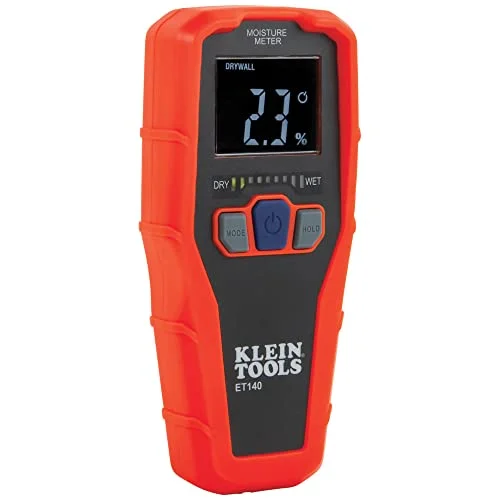 |
Klein Tools ET140 Pinless Moisture Meter – $49.97 Subfloor moisture is one of the biggest hidden cost drivers below – a $50 meter can catch a problem before a contractor’s moisture test bills you $100-$300 for the same reading.
|
Driver #1: Material Grade – Solid vs. Engineered Hardwood
The first fork in the road is solid vs. engineered, and it affects both the sticker price and what happens 15 years from now. Solid hardwood is milled from a single piece of wood, typically 3/4″ thick, and installed with a protective finish either before or after it’s nailed down. Because it’s solid wood all the way through, it can be sanded and refinished several times over its life, which is why it commonly runs $5 to $28 per square foot installed depending on species. Engineered hardwood is a thin layer of real hardwood (not a photo laminate) bonded over several layers of plywood or high-density fiberboard. That layered core makes it more dimensionally stable in humidity swings and basements, and it typically installs for $7 to $20 per square foot – often cheaper up front for comparable species, but with a thinner wear layer that limits refinishing to once or twice, if at all.
Neither option is universally “better” – it’s a cost-vs-longevity trade tied to where the floor is going. Below-grade rooms, homes in humid climates, and slab foundations generally favor engineered for stability; dry, above-grade rooms where you might want to refinish decades from now favor solid. For a deeper look at whether engineered planks hold up to that “real wood” reputation, see our engineered hardwood breakdown.
Driver #2: Wood Species
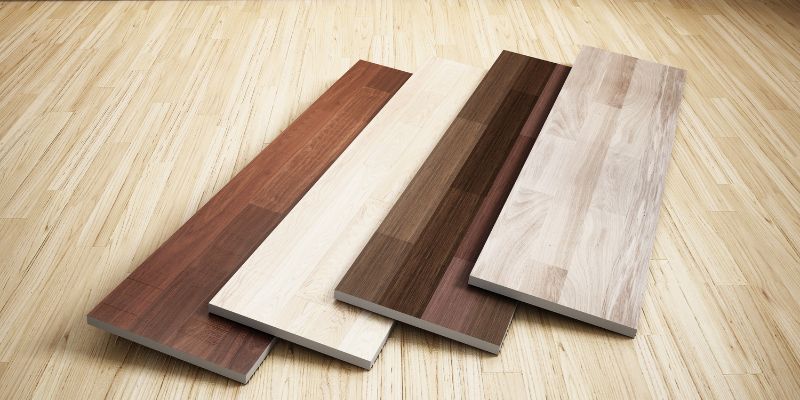
Within either material grade, species drives a second, separate swing in material cost – often a bigger one than the solid-vs-engineered choice itself. Domestic species that are milled in volume (oak, maple, hickory) stay affordable because supply is steady and mills don’t have to import them. Exotic species cost more because of import logistics, lower supply, and in some cases higher density that’s harder to mill.
| Wood Species | Material Cost per Sq Ft | Notes |
|---|---|---|
| Red Oak | $3–$6 | Most affordable domestic option, widely available |
| White Oak | $5.50–$15 | Trending in 2026, tighter grain, less common than red oak |
| Maple | $4–$8 | Very hard, resists dents in high-traffic rooms |
| Hickory | $4–$8 | Rustic grain variation, extremely durable |
| Brazilian Cherry | $8–$12 | Exotic, deepens in color with UV exposure over time |
| Walnut | $8–$15 | Dark heartwood, softer than oak so more dent-prone |
| Mahogany | $10–$20 | Premium import, priced more like a luxury material than a flooring one |
Add roughly $3 to $10 per square foot on top of these material figures for labor, which brings a species like red oak close to the low end of the national range and mahogany close to the high end – species alone can account for most of that $19/sq ft spread.
Driver #3: Labor and Your Regional Market
Labor typically makes up 50% to 70% of the total job cost, running $3 to $10 per square foot on its own. Three things move that number: installation method (nail-down is the cheapest and most common for solid wood over a wood subfloor; glue-down costs more and is standard for engineered wood over concrete; floating floors save the most on labor but aren’t used for solid hardwood), installer experience (a rushed or inexperienced crew is the most common cause of visible gapping and squeaks, which usually costs more to fix later than it saved upfront), and region. Metro areas with a higher cost of living – the Northeast and West Coast in particular – tend to run $10 to $30 per square foot all-in, while the South and Midwest more commonly land at $6 to $20 per square foot for the same job. Get at least three written quotes from local pros; a $1,000+ spread on identical scope between bids is common and worth the extra hour of your time to shop.
Driver #4: Subfloor Preparation
This is the driver most homeowners underestimate, because it’s invisible until a contractor’s crew opens up the room. Hardwood needs a flat, dry, structurally sound subfloor, and getting there can add real money before a single plank goes down:
- Leveling: $1–$2/sq ft to grind down high spots or fill low ones so the finished floor doesn’t telegraph every dip.
- Moisture barriers: $1–$2/sq ft, standard practice over concrete slabs, in basements, or in humid regions – this is where a moisture reading (see the meter above) tells you whether you need it before the crew shows up, instead of after.
- Subfloor repair or replacement: roughly $1.20–$1.40/sq ft for plywood, fasteners, and adhesive where the existing subfloor has rot, delamination, or squeaks.
A subfloor in good condition adds nothing here. One with even moderate problems can add $2-$5 per square foot before the flooring itself is considered – which is exactly why an inspection (and a cheap moisture check) before you sign a contract is worth doing.
Driver #5: Removing Old Flooring
If there’s existing carpet, tile, laminate, or hardwood to deal with first, that’s a separate line item most online calculators leave out entirely. Carpet and pad typically run $1–$2/sq ft to pull up and haul away. Tile or laminate removal runs $2–$3/sq ft because it takes more labor and, for tile, specialized tools to avoid damaging the subfloor underneath. Removing old hardwood that was glued down (rather than nailed) tends to sit at the higher end of that range, since glued planks have to be scraped or ground off the subfloor rather than simply pried up.
Driver #6: Site-Finished vs. Prefinished
Unfinished hardwood is installed bare, then sanded and coated with stain and polyurethane on-site – a process that adds $1 to $3 per square foot in labor and materials but lets you match stain color to existing trim or cabinetry exactly, and produces a perfectly flat, seamless finish across every board. Prefinished hardwood arrives from the factory already sanded, stained, and sealed, so it skips that on-site step entirely, saving that same $1-$3/sq ft and letting you walk on the floor the same day it’s installed instead of waiting for finish to cure. The trade-off is a slightly beveled edge on some prefinished lines (to hide minor height differences between boards) and a fixed set of factory stain colors instead of a custom match.
DIY vs. Professional Installation
DIY installation saves the $3-$10/sq ft labor line, but it shifts real risk onto you. Nail-down and click-lock engineered floors are the two methods most realistically tackled by an experienced DIYer with a flooring nailer or the right tools; glue-down installation and any job involving significant subfloor leveling is much less forgiving of mistakes and is where most DIY attempts run into trouble. Materials still cost the same $4-$15/sq ft whether you install them yourself or hire it out, and a miscut run of expensive solid oak doesn’t get cheaper because you made the mistake yourself instead of a contractor. A sensible middle ground: DIY the easy parts (moving furniture, removing old carpet, doing your own moisture check) and hire out the actual installation, particularly on rooms with hardwood-to-hardwood transitions, stairs, or diagonal patterns where a professional’s experience shows up most in the final result.
Additional Costs That Are Easy to Miss
Beyond the six drivers above, a handful of smaller line items regularly show up on final invoices but rarely appear in a quick online estimate:
- Furniture moving: $100–$500 if the contractor handles it; free if you clear the room yourself first.
- Trim and transitions: $1–$3/sq ft for baseboards, thresholds, and transitions between rooms or flooring types.
- Permits: $50–$200 in some municipalities for flooring replacement, particularly in multi-unit buildings.
- General contractor fees: add 13%–22% if a GC is managing subcontractors rather than you hiring the flooring installer directly.
- Delivery fees: $50–$200 for materials, sometimes waived by suppliers on larger orders.
- Waste factor: order 5%–10% extra material for cuts, defects, and future repairs – skipping this is a common reason people end up paying a rush-order premium mid-project.
- Disposal fees: $50–$200 to haul away old flooring material, separate from the labor to remove it.
Ask any contractor for a written quote that itemizes these separately rather than a single lump sum – it’s the fastest way to see which of the six drivers above is actually responsible for a bid coming in higher than you expected.
Frequently Asked Questions About Hardwood Flooring Installation Costs
What’s the average cost to install hardwood flooring in 2026?
Installed hardwood typically runs $6 to $25 per square foot including materials and labor, which works out to about $3,000-$12,500 for a 500-square-foot room. The wide range comes down to material grade, wood species, your local labor market, and how much subfloor prep the room needs.
Is solid hardwood more expensive to install than engineered hardwood?
Usually, yes, at the high end – solid hardwood runs $5 to $28 per square foot installed depending on species, while engineered hardwood runs $7 to $20. Engineered is often the cheaper, more stable choice in basements or humid climates, while solid hardwood can be refinished more times over its life.
What drives labor costs the most?
Installation method, your region, and how much subfloor prep is needed. Nail-down is generally cheapest, glue-down costs more, and metro labor markets on the coasts commonly run 30-50% higher than the South or Midwest for the same scope of work.
Does removing old flooring add to the total cost?
Yes. Carpet removal typically runs $1-$2 per square foot, while tile or laminate removal runs $2-$3 per square foot due to extra labor and tools. Removing glued-down old hardwood tends to cost more than removing nailed-down hardwood.
Is prefinished or site-finished hardwood cheaper?
Prefinished hardwood is typically $1 to $3 per square foot cheaper because it skips the on-site sanding, staining, and sealing step. Site-finished floors cost more but allow a custom stain match and a perfectly flat, seamless surface.
Can I save money by doing some of the installation myself?
Yes – moving furniture, removing old carpet, and checking subfloor moisture yourself are realistic DIY tasks that cut labor costs without much risk. Nail-down or click-lock engineered floors are within reach for an experienced DIYer, but glue-down installation and subfloor leveling carry a higher risk of costly mistakes on expensive material.
For the bigger picture on flooring types, care, and installation beyond just cost, see our full wood flooring guide. If you already know your square footage and just need to run the numbers, our flooring cost calculator handles boxes, waste buffers, and per-board pricing automatically.
Sources: Bankrate, Angi, Forbes Home.
Sponsored / affiliate links. As an Amazon Associate I earn from qualifying purchases. I may earn additional commission from eligible campaigns.