Where Can I Get Teak Wood for Projects? A Simple Guide
Figuring out Where Can I Get Teak Wood for Projects? can seem tricky when you’re starting out. There are so many places to look, and it’s hard to know which ones are best. Don’t worry, it’s simpler than you might think. This guide is made for beginners, so you’ll easily find what you need. We’ll explore the best spots to find teak wood and how to choose the right pieces. Let’s get started!
Finding Great Timber for Your Projects
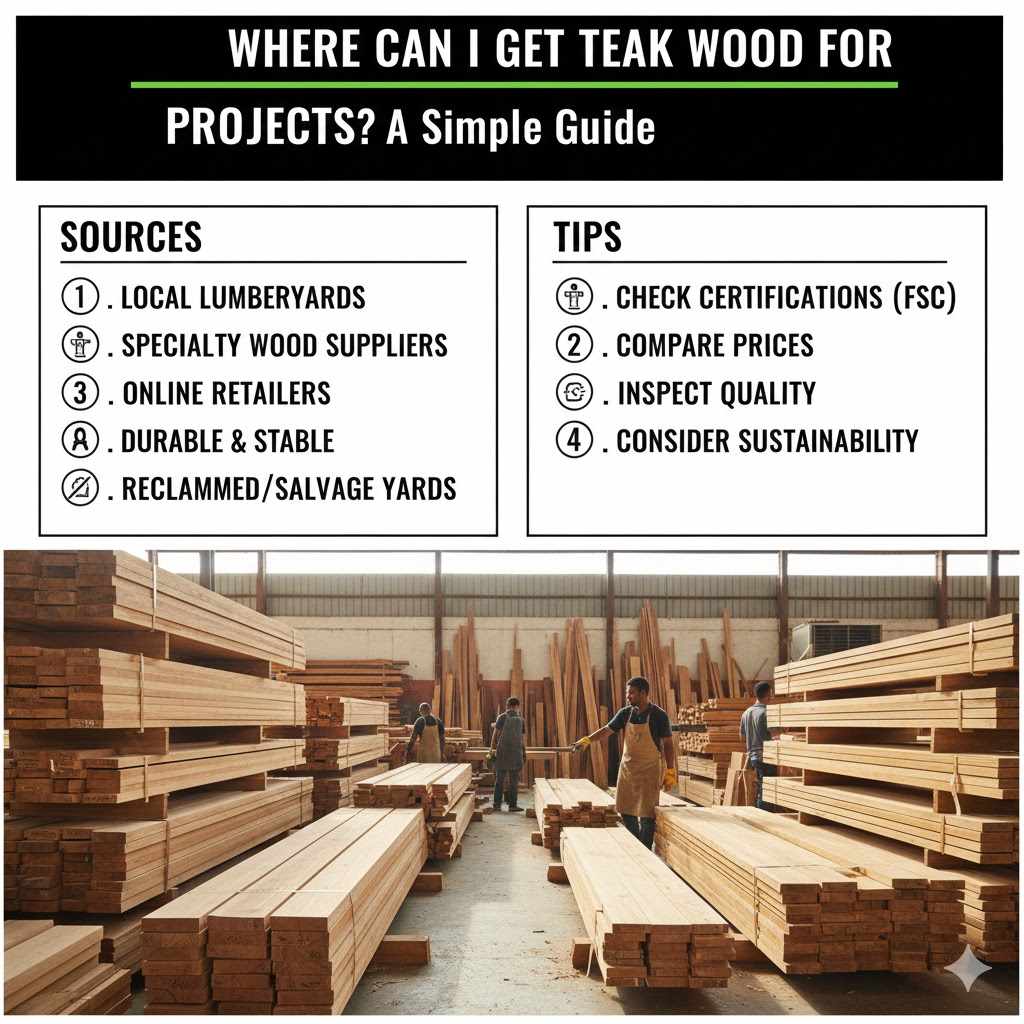
Locating high-quality lumber is the first step in any woodworking endeavor. This becomes even more critical when working with a premium material like teak. Teak wood’s durability, natural oils, and striking appearance make it a favorite for furniture, boats, and outdoor applications. This section will spotlight the best places to buy this sought-after wood, considering factors like wood quality, pricing, and convenience. We will explore various sources, from local lumberyards to online marketplaces, providing insights to help you get the best value and ensure your project’s success.
Local Lumberyards and Wood Specialists
Local lumberyards and wood specialists are often the first stops for experienced woodworkers. They provide immediate access to a variety of wood species, including teak. These businesses usually have knowledgeable staff who can offer advice on wood selection, grain patterns, and finishing techniques. Plus, you can physically inspect the wood before buying it, ensuring its quality and suitability for your project. However, the availability of teak might vary depending on your location, and pricing can be on the higher side due to local market conditions.
- Personal Inspection:
Visiting lumberyards enables you to examine individual teak boards. You can assess the grain, check for knots, and ensure the wood meets your specifications. Seeing the wood firsthand can prevent disappointments later on. - Expert Advice:
Lumberyard staff often possess extensive knowledge about different wood species. They can guide you in choosing the appropriate teak grade for your project, considering factors like intended use, environmental conditions, and desired aesthetic. They can also offer tips on cutting, drying, and treating the wood to achieve the desired results. - Customization Options:
Some local lumberyards provide services like milling and planing. This means you can have the wood cut to your specific dimensions. This can save you time and the need for specialized equipment. - Supporting Local Businesses:
Buying from local sources helps support businesses in your community.
Real-life example: A furniture maker in Florida used a local lumberyard to purchase teak. He was able to hand-select the boards and receive advice on the best type of teak for outdoor furniture. This close interaction helped him create durable, weather-resistant pieces that lasted for years. These pieces were later showcased at local craft fairs.
Online Marketplaces and Wood Retailers
Online marketplaces offer a vast selection of teak wood from sellers worldwide. These platforms provide convenience, allowing you to shop from home and compare prices easily. Often, online retailers provide detailed product descriptions, including wood grades, dimensions, and images. However, when buying online, it’s essential to check the seller’s reputation, read customer reviews, and clarify any questions before purchasing. Also, factor in shipping costs and delivery times, which can affect the overall expense and timeframe of your project.
- Wide Selection:
Online marketplaces offer a diverse range of teak wood products, including various sizes, grades, and finishes. This can save you time compared to visiting multiple physical stores. - Competitive Prices:
Competition among online sellers often leads to competitive pricing. You can compare prices from different vendors to get the best deals. - Convenience:
Shopping online allows you to shop anytime and from anywhere. This is helpful if you live far from lumberyards or have a busy schedule. - Customer Reviews:
Before buying from an online retailer, check customer reviews. You can learn about others’ experiences and assess the seller’s reliability.
Consider this scenario: A boat builder in California needed teak decking. He found a reliable online supplier with good reviews. He could specify the exact dimensions and grain requirements for his project, streamlining the process. This saved time, allowed him to compare different grades, and ensured that the finished product met his expectations.

Understanding Teak Wood Grades and Characteristics
Choosing the right teak wood grade is key to the success of your project. Teak is graded based on several factors, including the presence of knots, grain patterns, and overall quality. Understanding these grades will help you make an informed decision when selecting your wood. It also ensures you get the best value for your money. This section explores different teak grades, their characteristics, and how they impact your project’s outcome. We’ll also examine the unique properties of teak, like its natural oils, which make it ideal for specific applications.
Teak Wood Grades Explained
Teak wood comes in different grades, reflecting its quality and suitability for specific uses. Grades usually consider the number of knots, grain consistency, and color variations. The grade you choose has a significant impact on both the appearance and the lifespan of your finished project. Higher grades often feature more consistent grain patterns and fewer defects, making them better suited for furniture and other applications where aesthetics matter.
- Grade A:
Grade A teak is the highest quality. It features a consistent grain pattern, minimal knots, and vibrant color. This grade is best for fine furniture, decking, and other applications where appearance is important. - Grade B:
Grade B teak usually has some knots and slightly less consistent grain than Grade A. It’s ideal for projects that still need high-quality wood but don’t demand the flawless appearance of Grade A. It’s often used for outdoor furniture or boat construction. - Grade C:
Grade C teak has more knots and variations in grain. It’s suitable for structural components or parts where the appearance isn’t the main factor. - Reclaimed Teak:
Reclaimed teak comes from recycled sources. The grade depends on the condition of the recovered wood. It can be a sustainable option.
A boat builder, for example, might use Grade A teak for the visible parts of a boat like the deck and railings. They might choose Grade B or C for structural components. This decision ensures both the visual appeal and the structural integrity of the finished boat.
Key Features of Teak Wood
Teak wood is celebrated for its unique features. These features contribute to its durability, weather resistance, and attractive appearance. The high oil content makes it resistant to moisture, rot, and insects, making it a great option for outdoor use. Its tight grain structure adds to its strength and stability, even in fluctuating weather conditions. Understanding these characteristics helps you appreciate why teak is a top choice for projects that require long-lasting quality and beauty.
- Natural Oils:
Teak’s natural oils repel water and prevent rot. This feature makes it highly resistant to the elements, making it ideal for outdoor projects. - Durability:
Teak is a dense and strong wood, capable of withstanding heavy use and harsh conditions. This characteristic guarantees a long lifespan for furniture, decking, and other applications. - Aesthetic Appeal:
Teak features a beautiful, warm tone and a tight grain. It has a visually pleasing aesthetic that improves with age. This makes it a popular choice for furniture and decorative items. - Resistance to Insects:
The natural oils in teak also help deter insects, which further contributes to the wood’s longevity and resistance to damage.
Consider this example: A homeowner building an outdoor deck chooses teak for its resistance to moisture and insects. The deck withstands all types of weather, requiring minimal maintenance while maintaining its attractive appearance for years.
Best Applications for Teak Wood
Teak wood’s unique properties make it ideal for a wide range of projects. Its weather resistance, durability, and attractive appearance make it suitable for outdoor furniture, boat building, and indoor applications. Knowing the best uses for teak allows you to plan your projects effectively. This section explores several popular uses for teak, offering insights into its benefits for different applications and helping you make the most of this versatile material.
Outdoor Furniture and Decking
Teak wood is a top choice for outdoor furniture and decking due to its resistance to the elements. Its natural oils protect it from moisture, preventing rot and decay. Teak also resists insect damage, which extends the lifespan of outdoor items. Its attractive appearance and minimal maintenance requirements make it a practical and beautiful choice for enhancing outdoor spaces. This makes teak a favorite choice for patios, gardens, and poolside areas.
- Weather Resistance:
Teak’s natural oils help it resist rain, sun, and other weather conditions. This makes it ideal for outdoor furniture. - Longevity:
Teak furniture and decking can last for decades with minimal maintenance. - Aesthetics:
Teak has a warm, inviting appearance that improves outdoor spaces. - Low Maintenance:
Teak requires little upkeep, needing only occasional cleaning to retain its natural beauty.
Consider this: A family invests in teak outdoor furniture. After years, the furniture continues to look great, even exposed to sun and rain. The wood’s weather resistance means they only need to clean it periodically. The furniture still adds to their outdoor living space.
Boat Building and Marine Applications
In boat building, teak’s water resistance and durability are valuable. Its ability to withstand constant exposure to moisture, sun, and salt water makes it a suitable material for decks, trim, and interiors. It adds both beauty and function to boats of all sizes. It stands up to the harsh marine environment, making it a favorite for boat owners and builders worldwide. Teak’s resistance to rot and insects means that teak components last longer and require less maintenance.
- Water Resistance:
Teak’s natural oils make it extremely resistant to water damage, a top feature for marine environments. - Durability:
Teak can withstand the wear and tear of boating. - Aesthetics:
Teak is a visually pleasing wood and it adds value to any boat. - Low Maintenance:
Teak requires less maintenance in the marine environment than other woods.
A boat builder uses teak for a luxury yacht’s decking and trim. The teak withstands constant exposure to saltwater. The wood still looks attractive while requiring minimal maintenance over many years. The yacht’s owners and passengers can enjoy the beauty and longevity of the teak for years.
Indoor Applications: Furniture and Flooring
Teak is used indoors because of its appearance, durability, and resistance to water. High-end furniture makers use teak to make pieces that can last a lifetime. In flooring, teak offers a warm and elegant look, enhancing any space. It’s also stable and won’t warp or crack, even in rooms with changing humidity levels. It adds value and sophistication to your house. It brings a touch of luxury to your home.
- Durability:
Teak furniture can endure years of use and still look great. - Aesthetics:
The warm, natural tones of teak add beauty to homes. - Water Resistance:
Teak is resistant to water damage, making it suitable for floors in kitchens and bathrooms. - Value:
Teak furniture and flooring can increase the value of a house.
A homeowner decides to install teak flooring in their living room. The flooring looks beautiful and stands up to daily wear. It resists scratches and moisture, making it practical and visually appealing. The homeowners are happy with the durability and elegant look of the teak.
Maintenance and Care of Teak Wood
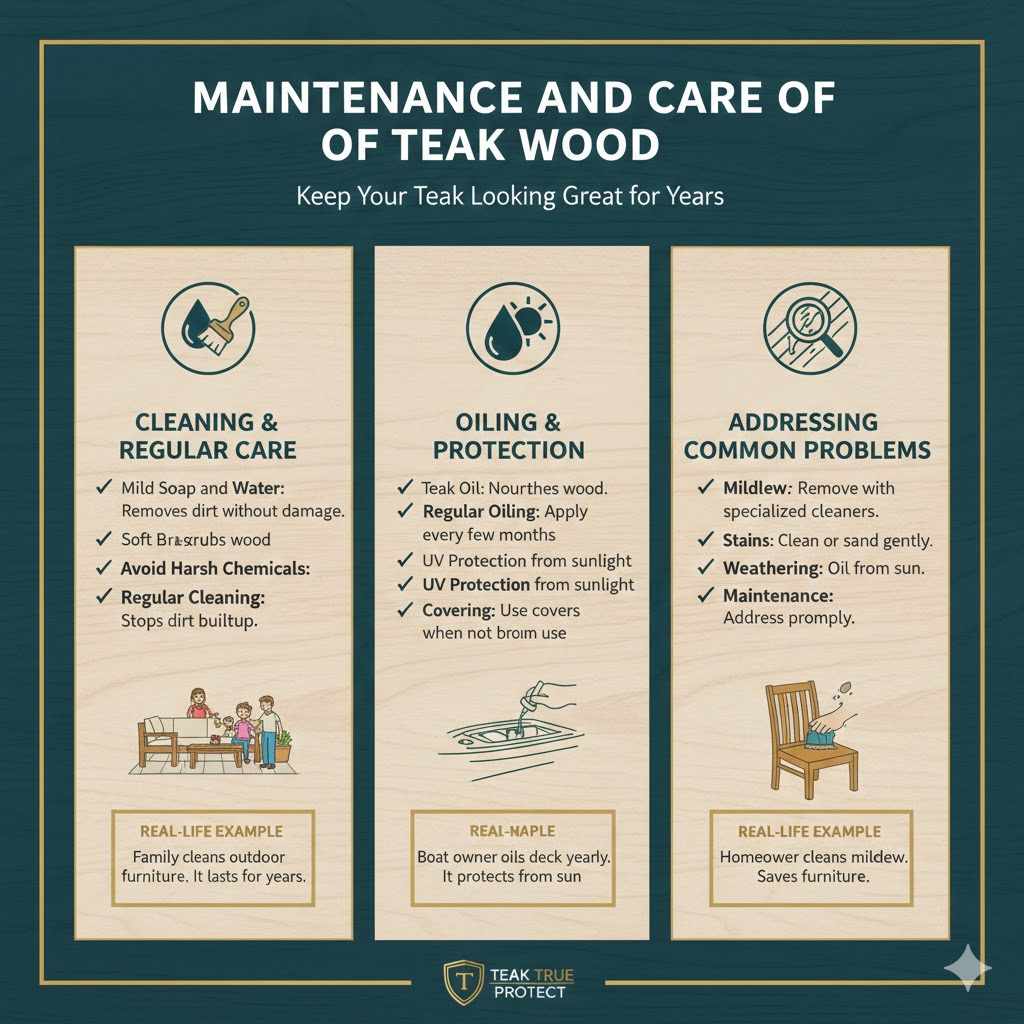
Taking care of teak wood is important to keep its beauty and durability. Regular cleaning, occasional oiling, and appropriate protection from the elements will help maintain your teak projects. Knowing the right way to care for teak means you can keep it looking great for many years. This section provides the knowledge you need to maintain your teak items. We’ll explore cleaning products, oiling routines, and how to protect teak from the elements. This will keep your teak projects looking their best.
Cleaning and Regular Care
Regular cleaning is a simple way to maintain the beauty of teak. Cleaning removes dirt, dust, and grime that build up over time. Using the right cleaning products is key. Use mild soap and water and a soft brush to avoid damaging the wood. Regular cleaning helps prevent the buildup of stains and preserves the wood’s natural oils. Proper cleaning is a simple step you can do to maintain your teak items.
- Mild Soap and Water:
Cleaning teak with mild soap and water removes dirt and grime without damaging the wood. - Soft Brush:
Use a soft brush to scrub the wood gently. - Avoid Harsh Chemicals:
Stay away from harsh cleaning products that can damage the wood. - Regular Cleaning:
Clean teak items regularly to stop dirt buildup.
A family regularly cleans their teak outdoor furniture with mild soap and water. The furniture looks great and lasts for years, showing how a simple cleaning routine can maintain the wood’s appearance.
Oiling and Protection
Oiling teak protects it from moisture and maintains its color. Oiling replenishes the wood’s natural oils, preventing it from drying out and cracking. Protection from the sun can also keep teak from fading. Using teak oil and applying it regularly helps keep your teak items looking their best. These actions will help you maintain your teak projects.
- Teak Oil:
Teak oil nourishes the wood. - Regular Oiling:
Apply teak oil every few months to protect the wood from the weather. - UV Protection:
Protect teak from sunlight to stop fading. - Covering:
Use covers to protect teak items when not in use.
A boat owner oils their teak deck every year. The oil protects the wood from saltwater and sun. The deck retains its appearance, highlighting the importance of regular oiling in extending the life and beauty of teak.
Addressing Common Problems
Sometimes, teak wood can face certain problems. Things like mildew, stains, and weathering are common. You can deal with these issues by cleaning the wood correctly and by using the right products. Mildew can be prevented and removed with specific cleaners. Stains can be fixed with gentle cleaning and sometimes sanding. You can keep your teak looking great by taking care of these common issues.
- Mildew:
Remove mildew with specialized teak cleaners to prevent further damage. - Stains:
Clean stains with gentle cleaners or sanding. - Weathering:
Address weathering by oiling the wood regularly and protecting it from the sun. - Maintenance:
Address problems promptly to preserve the wood’s quality.
A homeowner notices mildew on their teak outdoor furniture. They use a teak cleaner and a soft brush. They then apply teak oil to protect the wood. This approach saves the furniture and keeps it looking great.
Frequently Asked Questions
Question: Where does teak wood come from?
Answer: Teak wood is usually harvested from Southeast Asia, particularly countries like Myanmar, Thailand, and Indonesia.
Question: Is teak wood sustainable?
Answer: Yes, teak can be harvested sustainably. Look for wood certified by organizations like the Forest Stewardship Council (FSC).
Question: How often should I oil my teak furniture?
Answer: Oiling teak furniture every few months is usually sufficient, but the exact frequency depends on the weather conditions and usage.
Question: How can I clean teak wood effectively?
Answer: Clean teak with mild soap, water, and a soft brush. Avoid harsh chemicals.
Question: What’s the difference between Grade A, B, and C teak?
Answer: Grade A has the best appearance, while Grades B and C have varying levels of knots and grain consistency.
Final Thoughts
Finding the right teak for your projects doesn’t have to be hard. By exploring local lumberyards, online retailers, and wood specialists, you can uncover quality teak wood that meets your needs. Understanding the various grades of teak, as well as its distinctive characteristics, allows you to pick the best material for your projects.
Regular care, like cleaning and oiling, is key to keeping teak in great shape for a long time. With the proper information and care, you can use teak wood to create amazing pieces that will last. Now, explore your local wood suppliers and discover the perfect teak for your next project. Happy building!