8 Elegant Teak Wood Chair Styles (and the Teak Grade That Actually Matters)
Teak wood chairs earn their reputation honestly: teak’s natural oils and dense grain make it one of the few woods that genuinely holds up outdoors without a protective finish. That durability varies a lot by teak grade, though — a detail most style roundups skip entirely and one worth knowing before you buy any of the eight styles below.
The Teak Grade Most Buying Guides Don’t Mention
Keep the Rich Color Longer
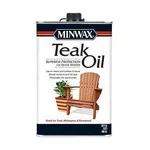 |
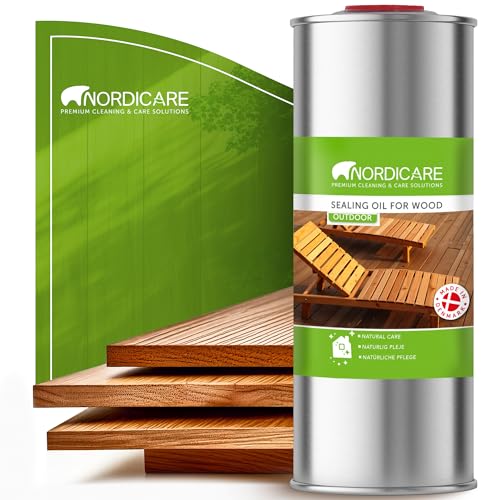
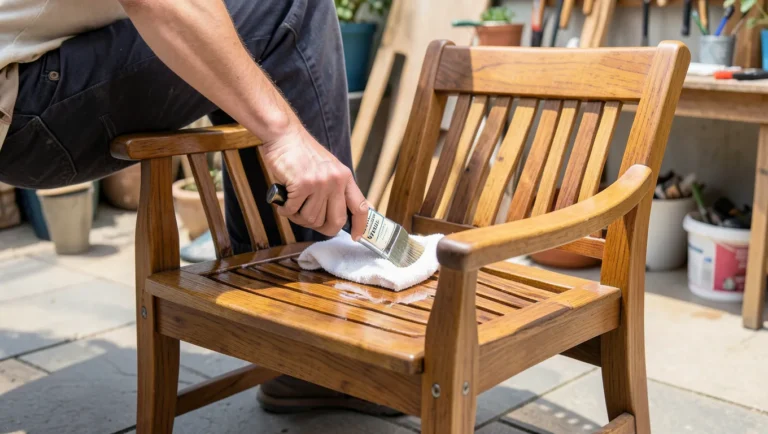
Minwax Helmsman Teak Oil, 1 Quart – $12.96 Reviving the golden-brown color on an oiled-finish teak chair before it fully silvers out is this simple — one product, no stripping required.
|
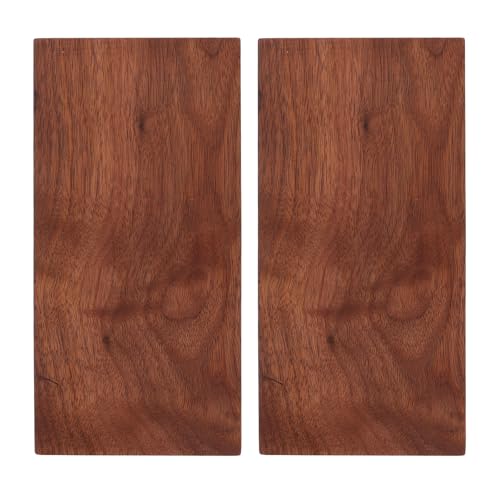
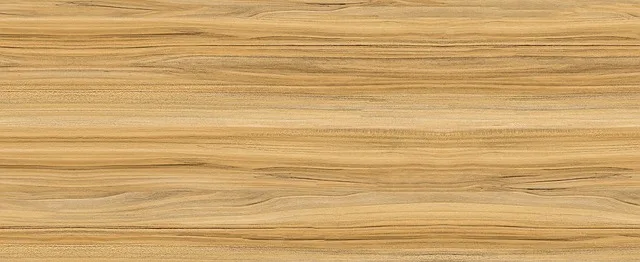
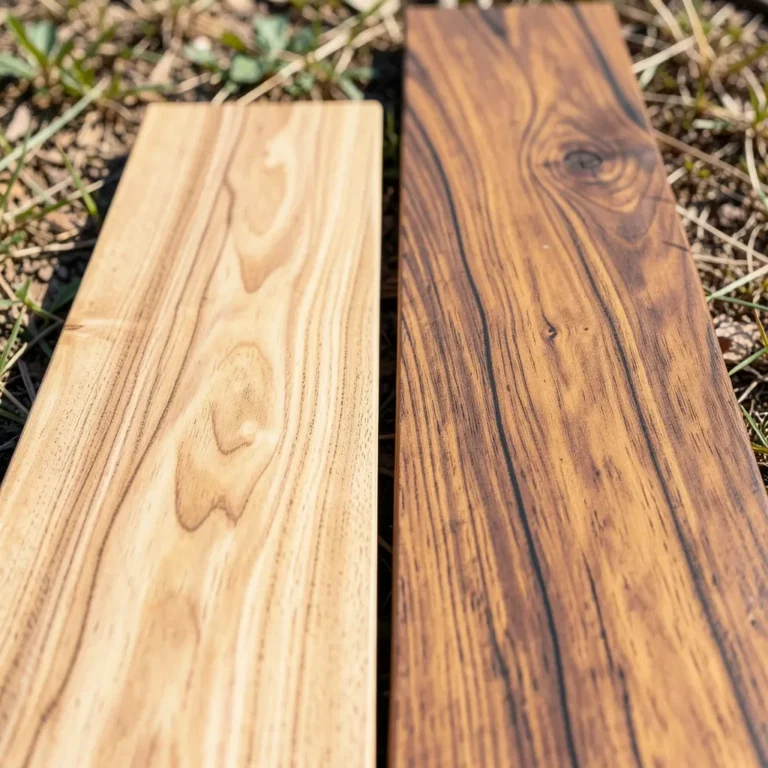
Teak is graded A, B, or C based on which part of the tree it’s cut from. Grade A comes from the outer heartwood, has the highest natural oil content, the straightest grain, and the best weather resistance — this is what you want for a chair that lives outdoors year-round. Grade B comes from further into the trunk, has less oil and more visible grain variation, and is a fair compromise for covered patios. Grade C comes from the tree’s core or younger wood, has the least natural oil, and is really only suited to indoor furniture or decorative pieces — despite often being sold under the same “teak” label with none of this distinction mentioned. If a listing doesn’t specify grade, ask before buying anything meant for outdoor use.
8 Teak Chair Styles for Different Rooms
1. Classic Teak Chairs
Simple joinery, straight lines, and the wood’s natural grain doing all the visual work. These fit both traditional and transitional interiors without competing with other furniture.
2. Modern Teak Chairs
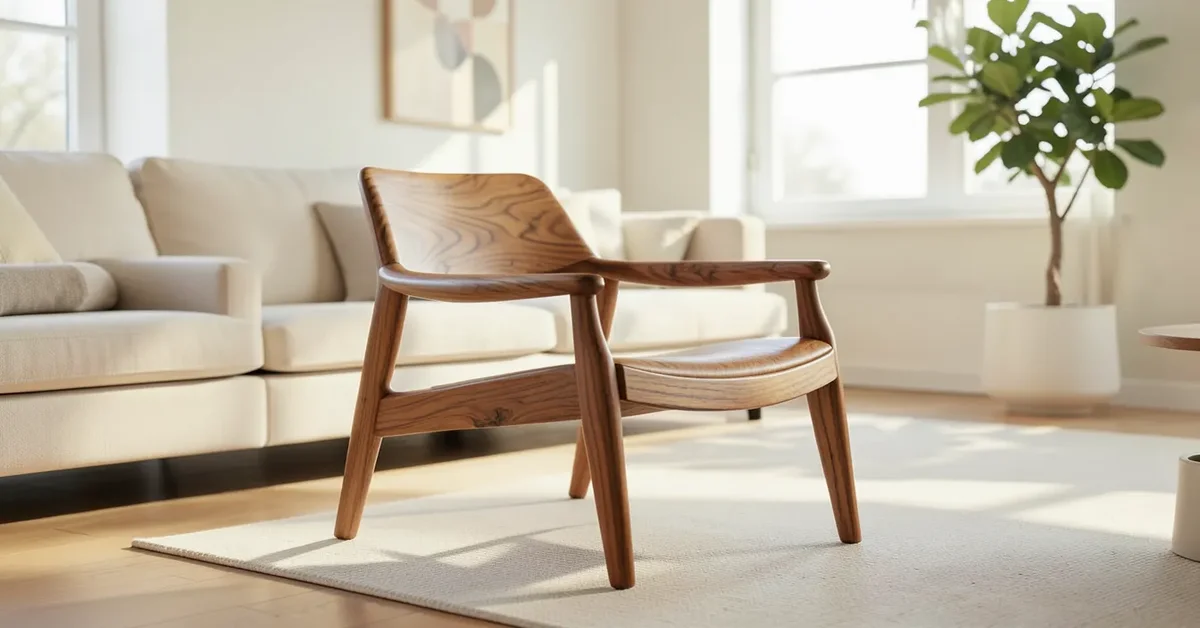
Sleeker profiles with fewer visible joints and a smoother finish. These read as a single continuous form rather than a collection of parts, which suits minimalist and contemporary rooms.
3. Rustic and Farmhouse Teak Chairs
Left natural or painted white with visible, chunkier joinery. These pair well with reclaimed-look wood tables and suit a kitchen or casual dining space more than a formal one.
4. Teak Armchairs
Built with a wider frame and armrests for a reading nook or covered patio. Look for mortise-and-tenon joints at the arm-to-frame connection specifically — that’s the joint that takes the most stress from someone using the armrests to push up out of the chair.
5. Teak Dining Chairs
Usually the plainest style in a teak lineup by design — dining chairs need to disappear visually around a table rather than draw attention, and teak’s natural color does that without needing paint or stain.
6. Teak Rocking Chairs
The rocker base itself is the highest-stress part of the piece — it’s worth confirming the rocker is a single steam-bent or laminated piece rather than a straight board forced into a curve, which can develop stress cracks over years of use.
7. Teak Lounge Chairs
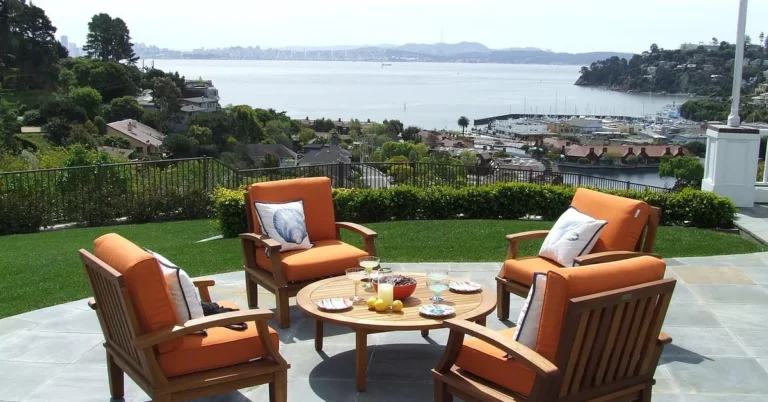
Built low and reclined for outdoor use by design. Grade A teak matters most here since lounge chairs typically live outside full-time rather than under cover.
8. Teak Accent Chairs
Often the piece with the most carving or decorative detail in a teak lineup, meant to be a focal point rather than blend in. A single accent chair in a corner does more visual work than matching a full set.
Letting It Silver vs. Keeping the Color
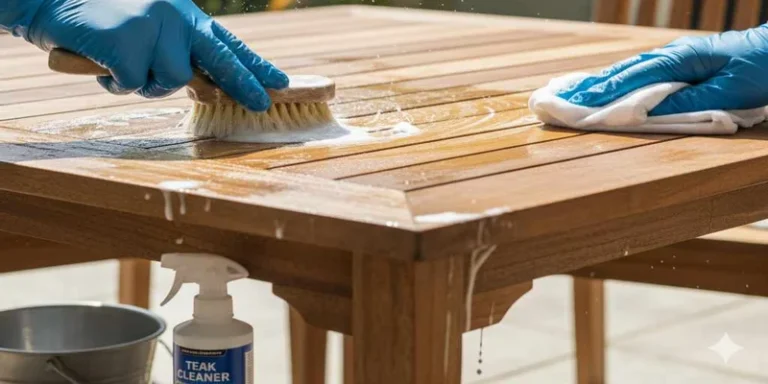
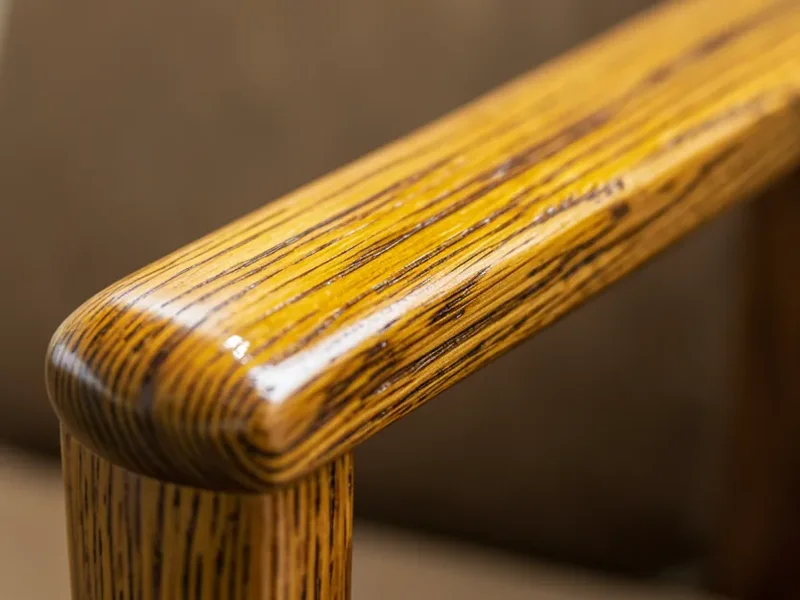
Untreated outdoor teak naturally weathers to a silvery gray over 6-12 months of sun exposure — this is cosmetic, not damage, and doesn’t affect the wood’s structural durability. If you prefer the original golden-brown color, an occasional coat of teak oil restores it, though it needs reapplying every few months outdoors since UV exposure breaks the oil down faster than indoor use would. There’s no wrong choice here; it’s purely a maintenance-versus-look tradeoff, not a durability one.
Frequently Asked Questions
What’s the difference between Grade A and Grade B teak?
Grade A comes from the tree’s outer heartwood with the highest natural oil content and best weather resistance. Grade B, cut further inside the trunk, has less oil and more visible grain variation — fine for covered use but less suited to full outdoor exposure.
Do teak chairs need to be sealed or finished?
No. Teak’s natural oils protect it without any finish at all — that’s the entire reason it’s prized for outdoor furniture. A finish is optional and purely cosmetic, to maintain the original color rather than let it weather to gray.
Is it bad if my teak chair turns gray?
No, that’s a normal cosmetic weathering process from UV exposure, not damage. The chair’s structural integrity is unaffected. Reapplying teak oil restores the original color if you prefer it.
Can teak chairs stay outside all year?
Grade A teak can, thanks to its high natural oil content and dense grain. Lower grades hold up better under a cover or brought in during harsh weather.
Bottom Line
Pick the style that fits the room, but check the teak grade before buying anything meant for real outdoor exposure — that’s the detail that actually determines how the chair holds up, not the design.
Sponsored / affiliate links. As an Amazon Associate I earn from qualifying purchases. I may earn additional commission from eligible campaigns.